

Traditional Candle Holders
Traditional candle holders bring warmth and historical craft into a room, offering functional illumination through enduring brass, pewter, mahogany, and silver plate.
Traditional Candle Holders
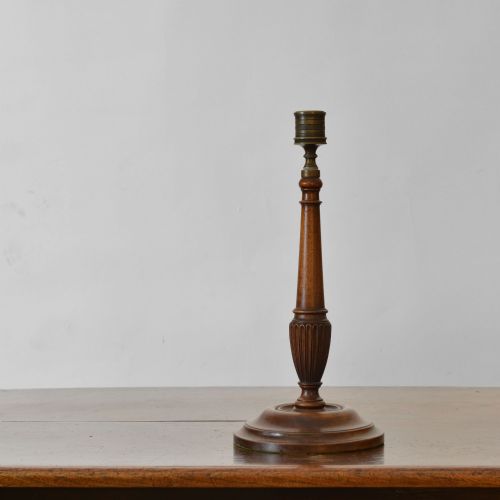
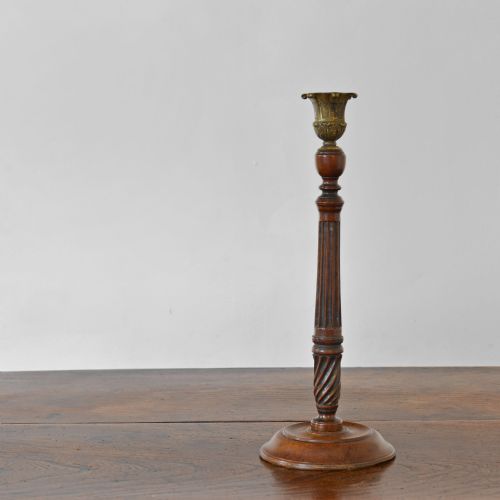
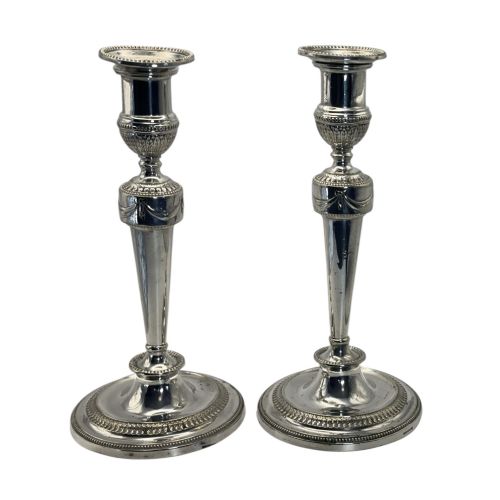
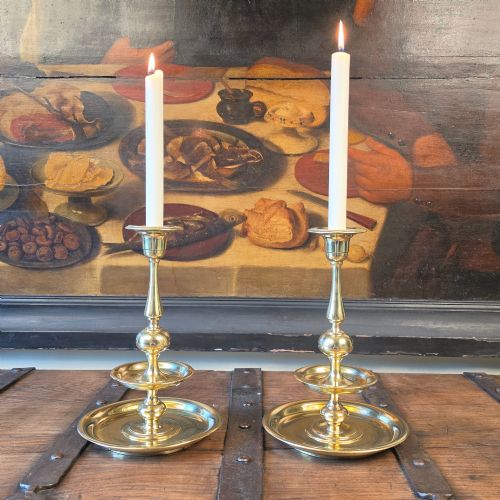
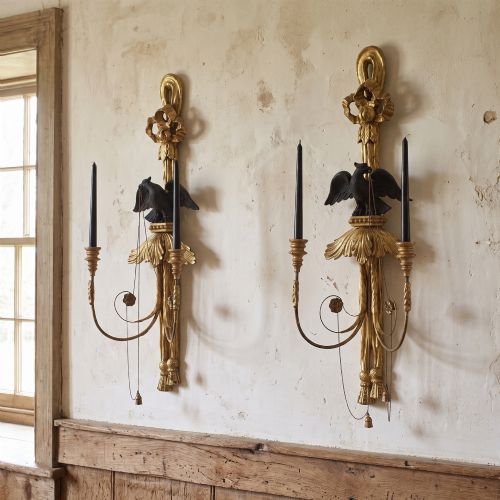
Traditional candle holders encompass items designed to support lighting, appearing primarily as candlesticks, wall sconces, and candelabras across this selection. These pieces span the eighteenth and nineteenth centuries, including Georgian, Victorian, and Edwardian periods.
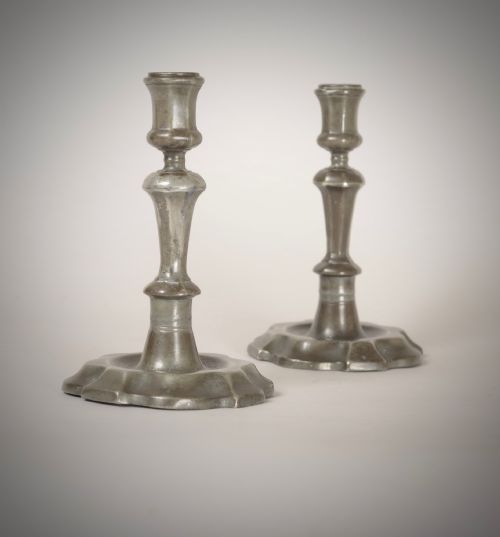
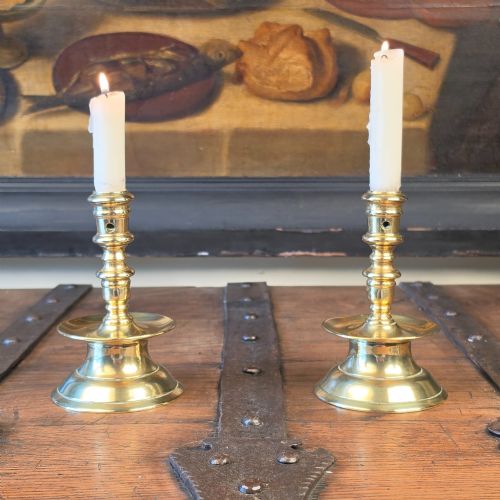
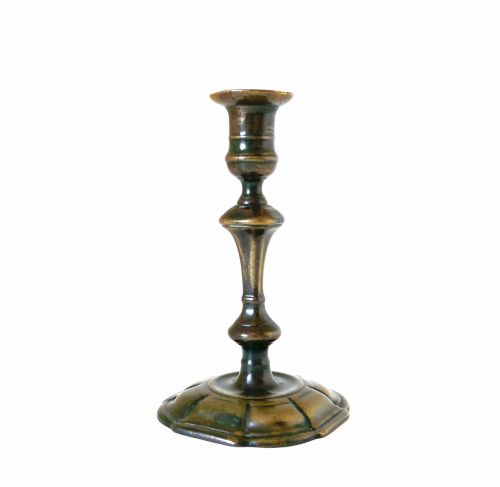
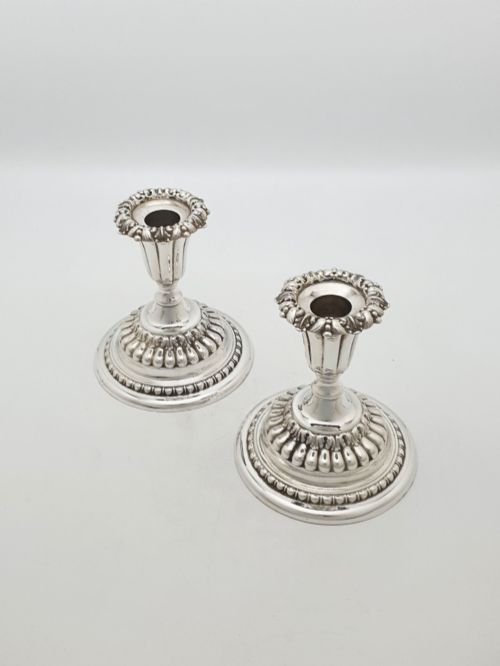
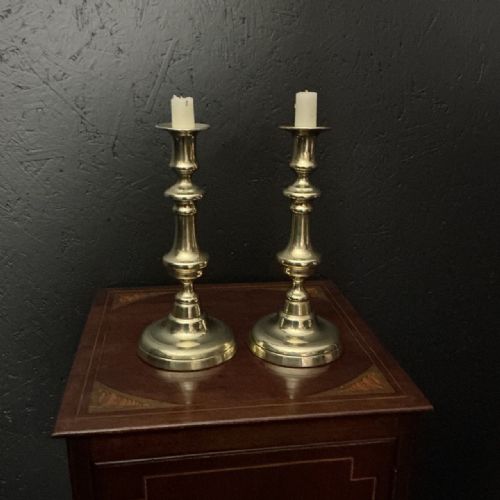
Brass examples dominate the selection, frequently seen in pairs originating from the Georgian and Victorian eras. Collectors also encounter items in pewter, silver plate, mahogany, oak, glass, and giltwood.
Formations range from simple single columns and ejector mechanisms to multi-branch candelabras, wall brackets, and candle lamps with shades. Stylistic influences draw upon seventeenth-century revival, Baroque, and George III designs.
Markers of Distinction
Quality rests in the crispness of casting detail on brass and pewter work, where sharper mouldings and clean joints distinguish superior examples. Weight and balance also indicate standard, as solid construction provides stability.
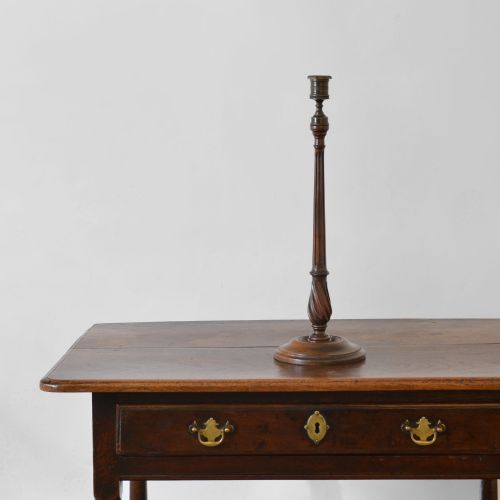
In wooden and gilt pieces, the depth of carving and the preservation of original surfaces separate standard production from master craftsmanship. Maker marks, such as those from Mappin & Webb or J.T. & Co, add verifiable provenance.
Listings feature items spanning the 18th and 19th centuries, utilising brass, silver plate, pewter, mahogany, oak, and glass.
Mappin & Webb·J.T. & Co
The Traditional Candle Holders Glossary
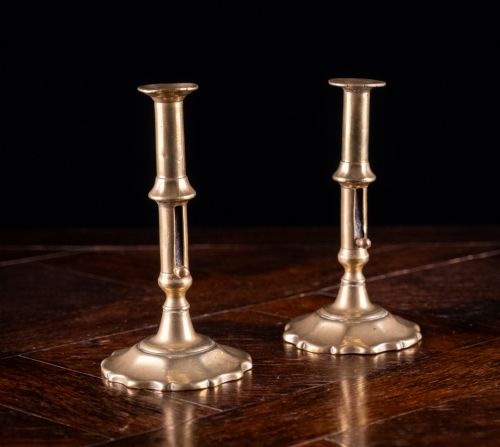
- Ejector candlestick
- A brass candlestick fitted with an internal spring or push rod to remove the spent candle stump. This mechanical advancement became common during the eighteenth and nineteenth centuries.
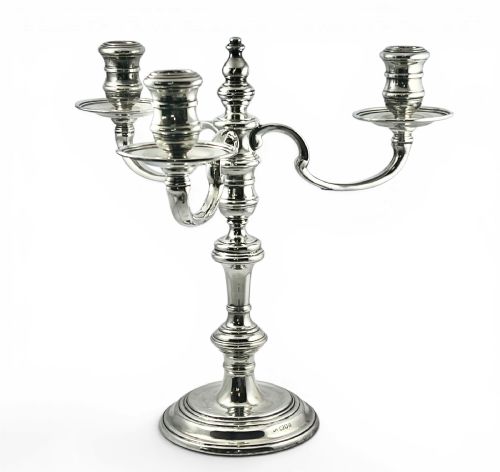
- Candelabra
- A branched lighting fixture holding multiple candles on separate arms. These pieces often feature two or three branches.
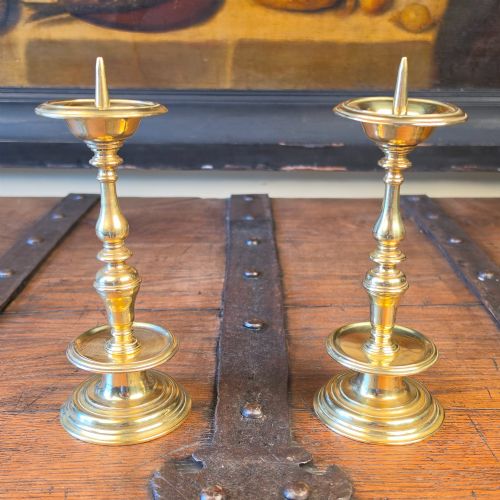
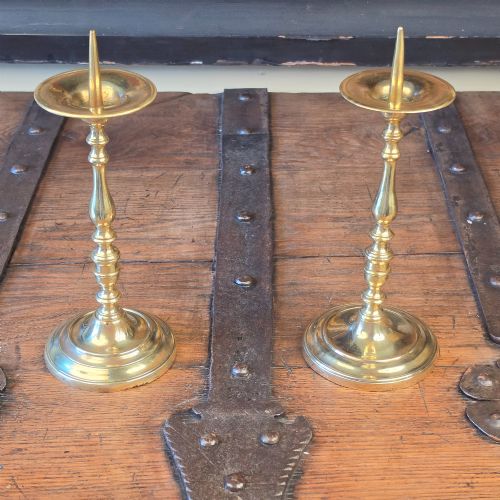
- Pricket candlestick
- A candle holder that uses a central metal spike to secure the candle rather than a socket. This form appears in seventeenth-century style revivals.
- Silver plate
- A thin layer of silver fused to a base metal such as copper or brass. This technique offered the appearance of solid silver at a lower cost during the Edwardian era.
- Wall sconce
- A lighting fixture fixed directly to a wall. These objects frequently incorporate mirrors or reflective brass backplates to amplify illumination.
Traditional Candle Holders: Frequently Asked Questions
What is an ejector candlestick?
An ejector candlestick includes an internal mechanism designed to push out the remaining wax stub. This invention simplified the cleaning process after use.
Craftsmen integrated these sliding rods into brass shafts during the eighteenth and nineteenth centuries.
How do I date a brass candlestick?
Dating relies on manufacturing techniques, base shapes, and overall weight. Early examples often feature seamed construction rather than modern machine casting.
Stylistic cues such as Georgian columns or Victorian twists further help narrow the era of origin.
Were wall sconces used for mirrors?
Many wall sconces incorporated mirrored glass backplates to reflect candlelight into dark rooms. These reflective surfaces doubled the effective illumination from a single flame.
Surviving examples often display carved wooden or brass frames surrounding the glass.
What is a pricket candlestick?
A pricket candlestick uses a sharp metal spike pointing upward to impale the base of a candle. This design predates modern socket cups.
Such forms frequently appear in historical church settings and later revival pieces.