



Traditional British Landscape
Traditional British landscape paintings capture the quiet rivers, rolling hills and rural life recorded by artists across the nineteenth and twentieth centuries.
Traditional British Landscape
A traditional british landscape captures the rural topography, coastal scenes and pastoral settings of the British Isles through the eyes of painters working from the Victorian era into the mid-twentieth century.
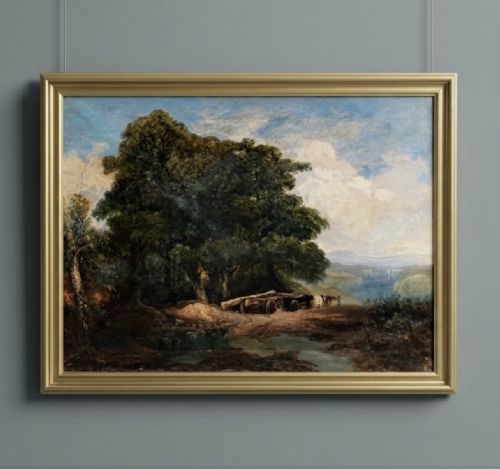
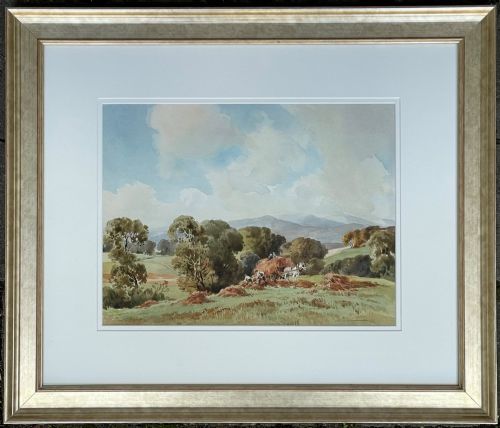
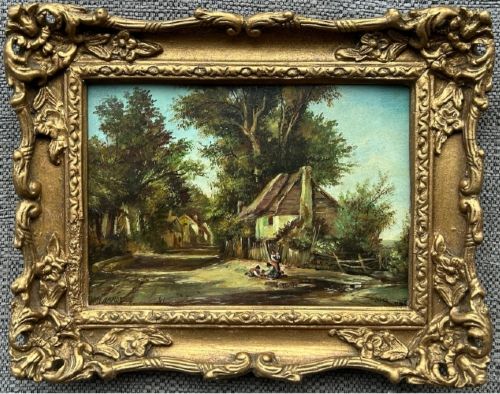
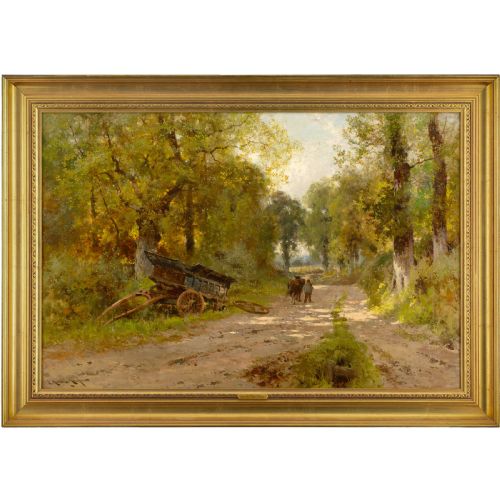
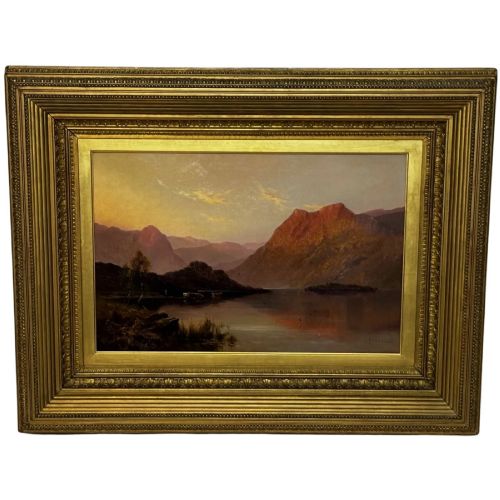
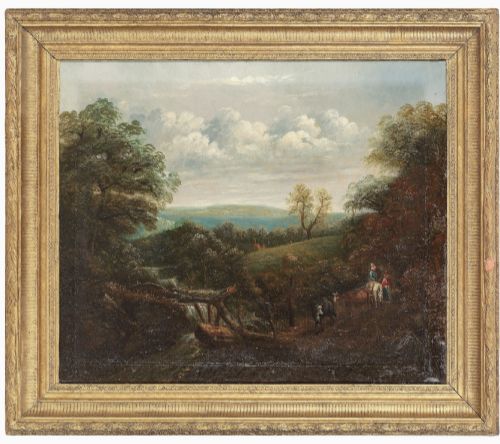
The works on this page most commonly take the form of oil paintings on canvas or wood panel alongside watercolours on paper, depicting subjects ranging from Scottish highlands to Thames valley rivers.
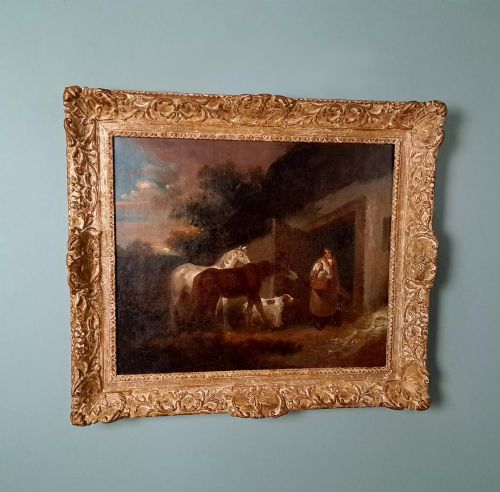
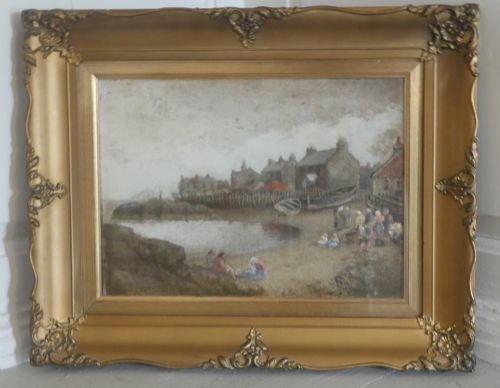
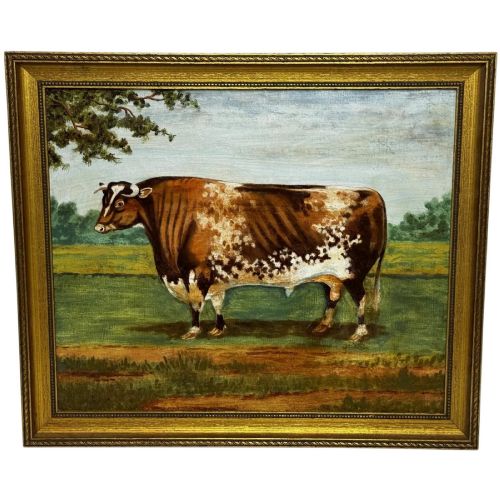
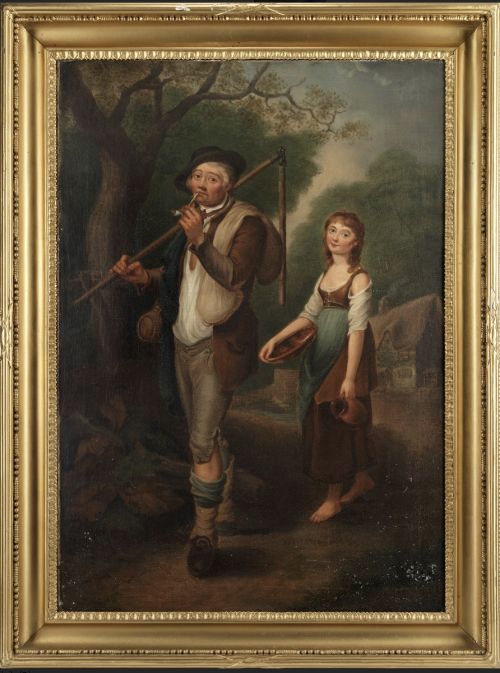
These pieces document changing agrarian and domestic scenes, often including figures, livestock, cottages or harbours that anchor the natural scenery in a lived human context.
Materials and methods
Painters applied oil paint to stretched canvas or prepared wooden panels, building up rich textures and deep tones that have endured for generations.
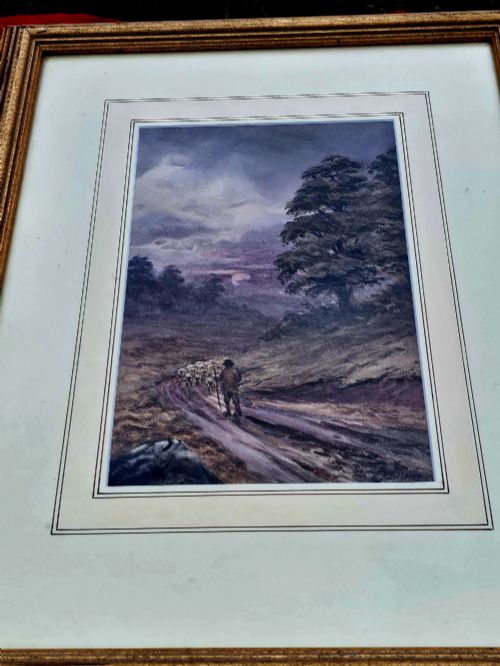
Watercolour paintings on paper utilise washes to capture light and atmospheric weather across river valleys and coastal harbours.
Listings span the eighteenth through to the twentieth centuries, utilising oil on canvas, wood panel, and watercolour on paper.
Distinctions in quality
Quality rests in the artist's ability to handle light, atmosphere and perspective, transforming a straightforward countryside view into a compelling visual record.
Stronger pieces display confident brushwork and a balanced composition that guides the viewer naturally through the woodland, harvest field or coastal path.
The preservation of the pigment layer and the integrity of the original support structure also separate finer examples from more routine works.
Richard Sebastian Bond·William H Myers·Tom Campbell·Alfred Young Nutt·Percy Lancaster·William Howard Hardy·John Horace Hooper·William Joseph Shayer Senior·Alfred Fontville de Breanski Jr·Edward Mills·Thomas Smythe·Thomas Barker of Bath·Thomas W Lascelles·William Joseph Boyes·David Bates·Robert John Hammond·Walter Heath Williams·Robert Thorne Waite·John Smith Atherton·George Oyston·George Wright·Alfred G Morgan·Russell Sidney Reeves·Vernon DeBeauvoir Ward·Robert Leslie Howey
The Traditional British Landscape Glossary
- Oil on Canvas
- A painting medium where pigments suspended in drying oils are applied to a woven fabric support. This combination allows for rich colour blending and textured brushwork.
- Watercolour
- A paint consisting of water-soluble pigments used on paper supports. Artists employ translucent washes to create luminous skies and gentle water effects.
- Giltwood
- Wood carved and coated with a thin layer of gold leaf or metallic gilt powder. It frequently frames nineteenth-century paintings to enhance their visual depth.
- Wood Panel
- A rigid wooden support used by painters instead of canvas. Artists often primed these boards to create a smooth, stable surface for fine detail work.
Traditional British Landscape: Frequently Asked Questions
What periods do these landscapes cover?
The works span from the late eighteenth century through the Victorian and Edwardian eras into the twentieth century, reflecting shifting artistic approaches to the countryside.
Most pieces date from the nineteenth and early twentieth centuries, capturing a period of rural stability before rapid modernisation transformed the British Isles.
How should I hang an oil painting?
Oil paintings on canvas or panel benefit from stable indoor environments away from direct sunlight and dramatic humidity shifts, which can affect the wooden supports and pigments.
Ensure the wall fixings match the weight of the frame, and hang the work at eye level where natural ambient light can illuminate the brushwork.
What subjects appear in these scenes?
Common subjects include pastoral valleys, highland lakes, woodland paths, river catchments and coastal harbours populated by figures, sheep, cattle or working horses.
Artists frequently recorded specific regional geographies across England, Scotland, Wales and specific river valleys like the Thames or the Kennet.
How do I care for a watercolour?
Watercolours on paper require protection from direct sunlight to prevent the pigments from fading over time, as works on paper are more sensitive to light than oils.
Keep them behind glass with acid-free mounts and store or display them in rooms with moderate, consistent humidity levels.