



Traditional Afghan Rug
A traditional afghan rug brings deep red tones and tribal motifs into a room, offering hard-wearing floor coverings rooted in village and nomadic weaving traditions.
Traditional Afghan Rug
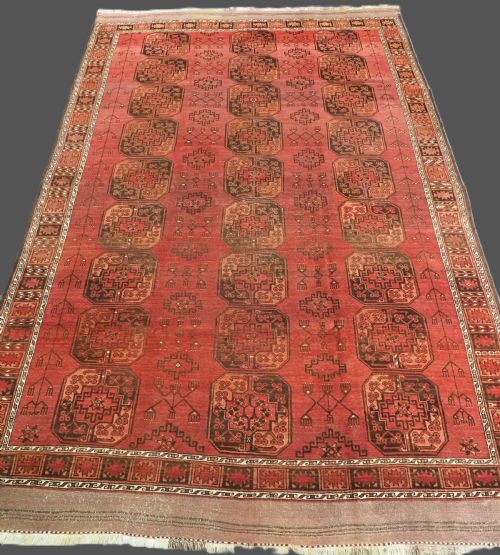
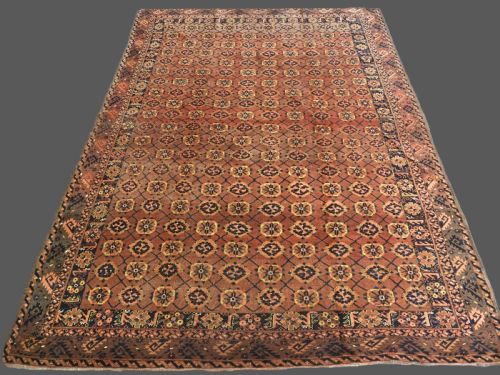
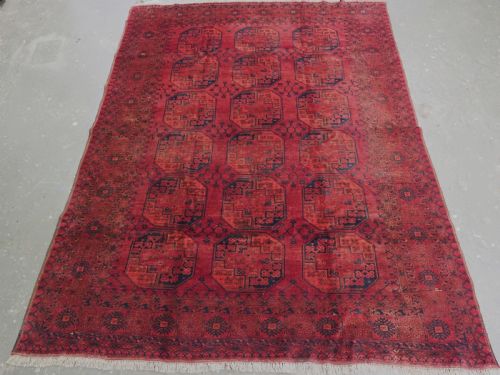
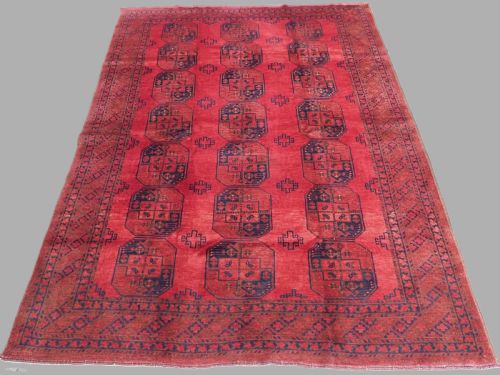
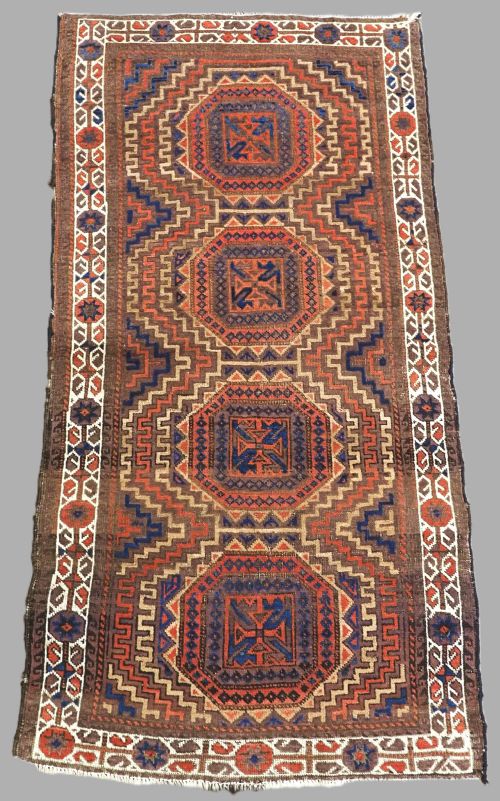
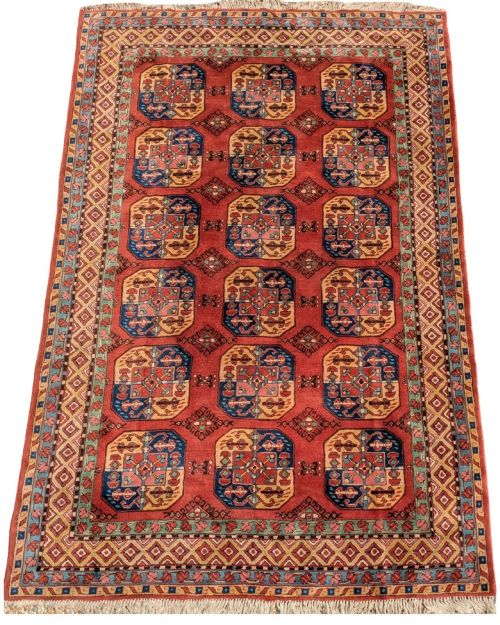
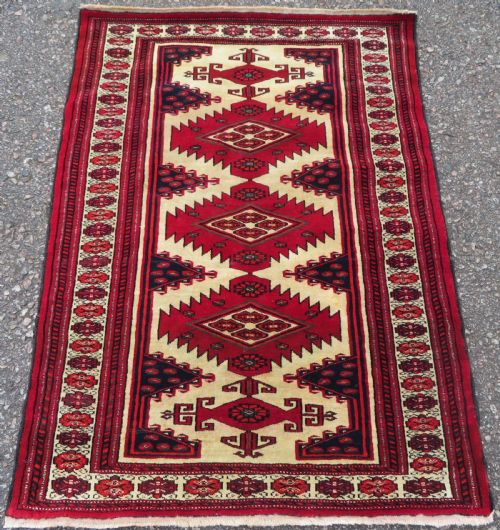
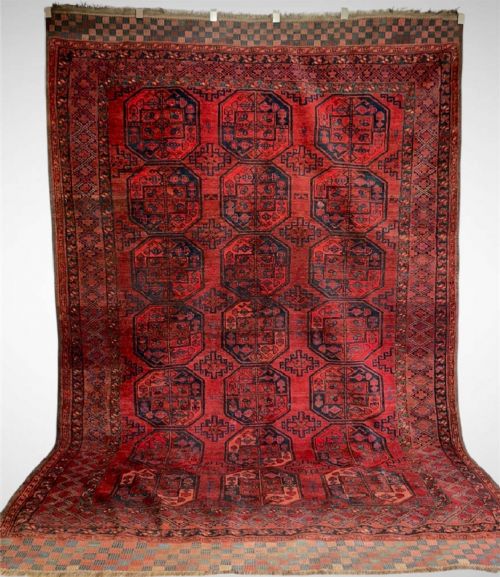
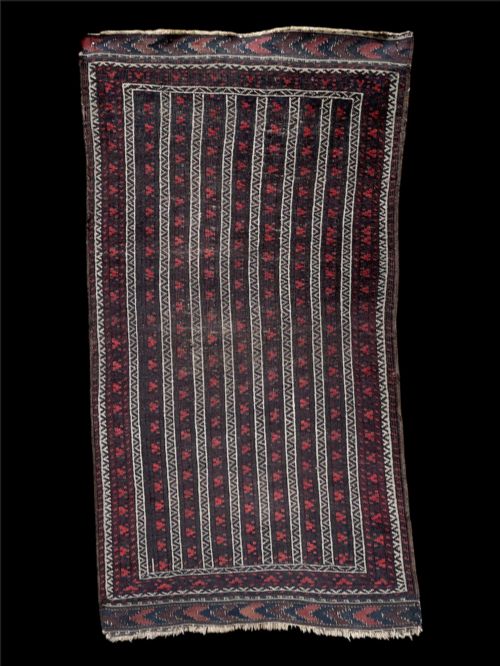
A traditional afghan rug encompasses tribal and village carpets woven across nineteenth and early twentieth century Afghanistan. These pieces display distinct regional identities tied to specific groups such as the Ersari, Kizil Ayak, and Baluch.
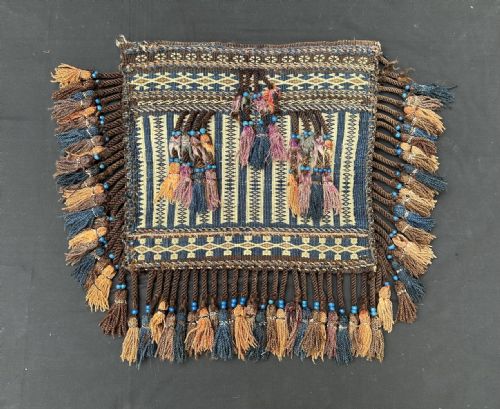
The selection ranges from large main carpets down to smaller prayer rugs, runner rugs, and tribal storage bags. Village formats often display geometric guls and warm red colour palettes derived from natural dyes.
Nomadic and tribal traditions shape the visual language of these floor coverings. Makers utilised classic repeating motifs, turreted guls, and mosque designs that reflect generations of weaving heritage.
How They Were Made
Weavers constructed these textiles using hand-spun wool for the pile, often supported by foundations of wool, cotton, or goat hair. Natural dyes yielded the characteristic warm red, old gold, and soft rose tones found across the pieces.
Certain examples incorporated supplementary materials like horsehair, glass beads, and cotton elements into trappings and carpets. Hand-weaving techniques ensured durable structures designed for daily use.
Traditional Afghan Rug Retail Price Guide 2026
Typical asking prices for traditional afghan rug among the pieces listed under this phrase on Sellingantiques today, from the lower quarter to the upper quarter. They describe what is for sale here now, not the wider market.
Listings feature pieces dated from the nineteenth century through the 1930s, utilising wool, natural dyes, and goat hair foundations.
What Varies in Quality
The density and handle of the wool dictate much of the tactile appeal, with softer, glossy piles setting apart finer examples. The clarity and precision of tribal guls and border patterns also separate standard village pieces from masterworks.
State of preservation significantly influences desirability, particularly regarding the integrity of the foundation and the vibrancy of natural dyes over time. Unusual designs and complete borders add distinction within specific tribal groups.
The Traditional Afghan Rug Glossary
- Gul
- A repeating medallion motif often found in Turkmen and Afghan carpets. These octagonal or geometric emblems serve as primary design elements across main carpets.
- Mihrab
- An arch-shaped niche design used in prayer rugs, directing the focus towards a specific orientation. This architectural motif appears frequently in Baluch and Kizil Ayak examples.
- Main Carpet
- A large-scale floor covering produced for domestic use within tribal households. These substantial formats typically display complex repeating guls.
- Prayer Rug
- A smaller format rug featuring a mihrab design used for personal devotion. They often incorporate portable dimensions and distinct border arrangements.
- Trapping
- A functional woven item created for animal use, such as horse or camel headdresses. These unusual pieces display specialised nomadic techniques.
Traditional Afghan Rug: Frequently Asked Questions
How do I identify an Ersari rug?
Ersari carpets typically display large guls in deep red colourways with spacious field designs. They originate from Turkmen groups residing in northern regions.
Look for distinctive turreted motifs and balanced border arrangements that set them apart from other village styles.
What is a Baluch prayer rug?
Baluch prayer rugs feature compact dimensions and geometric mihrab arches. Weavers from western Afghanistan produced these pieces using soft wool and dark tones.
They often include distinctive camel hair elements and intricate lotus leaf or Kalam Donneh patterns.
How should I clean my antique rug?
Gentle surface brushing and professional specialist cleaning preserve the natural wool pile and plant dyes. Avoid harsh chemical treatments that strip the lanolin from the fibres.
Regular rotation prevents uneven wear patterns in high-traffic hallways and living spaces.
Are these rugs durable for daily use?
Traditional village carpets were constructed for heavy domestic wear using sturdy wool and goat hair foundations. Their dense knotting handles regular foot traffic remarkably well.
Using a proper underlay helps cushion the textile and prevents slipping on hard floors.