


1920s Wool Carpet
A 1920s wool carpet brings enduring tribal pattern and rich regional character to a room through dense hand-knotting.
1920s Wool Carpet
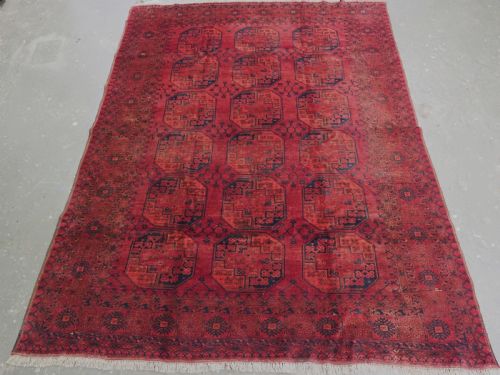
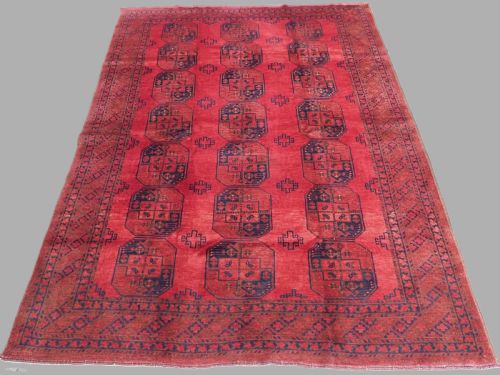
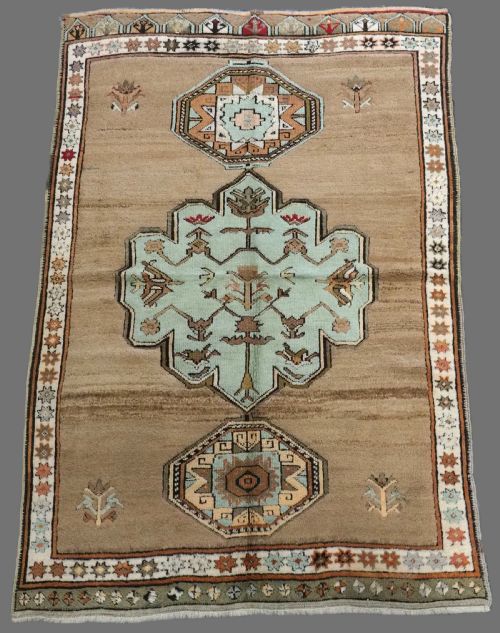
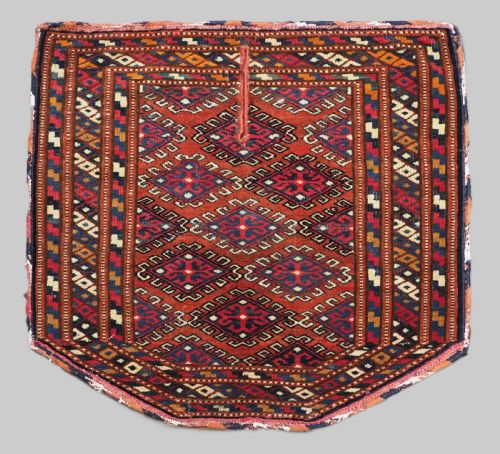
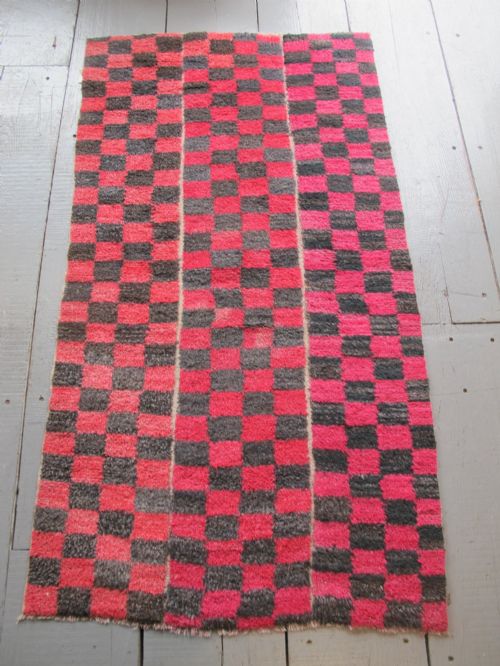
A 1920s wool carpet encompasses room-size floor coverings, runners, and village prayer rugs produced across Persia, Anatolia, the Caucasus, and Central Asia during the early twentieth century. These textiles frequently display tribal motifs, geometric medallions, and traditional prayer formats such as the mihrab.
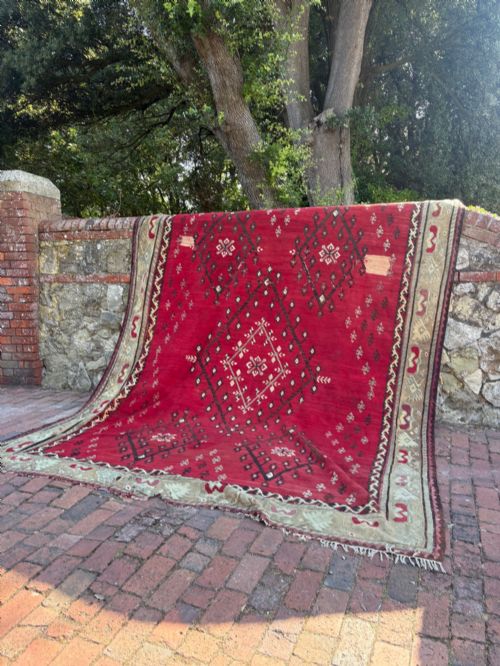
The selections available here range from expansive Heriz and Tabriz carpets to smaller Afghan Baluch, Ersari, and Kizil Ayak village pieces. Buyers will also encounter flatwoven kilims and specialised formats like meditation rugs and tent bands.
Village and nomadic workshops dominate the material, supplying robust formats intended for sustained domestic utility. Regional motifs remain distinct, separating Anatolian flatweaves from Turkmen gul designs and Persian floral compositions.
Assessing quality and execution
Quality in a 1920s wool carpet rests on the precision of the knotting, the stability of the foundation, and the complexity of the design layout. Finer examples display crisp geometric definition or intricate floral drawing without distortion in the border proportions.
The integrity of the material also dictates value, with tightly packed wool pile and sound structural edges outperforming loose, brittle weaves. Retaining original kilim ends and balanced natural dye saturation elevates the standing of an individual rug.
Listings feature multiple periods from the early twentieth century, spanning 1910 and 1920.
Benlian
The 1920s Wool Carpet Glossary
- Mihrab
- A niche design on a prayer rug indicating the direction of prayer, often appearing in single, double, or triple formations on village carpets.
- Gul
- A repeating octagonal medallion motif characteristic of Turkmen and Afghan tribal weaving traditions.
- Kilim
- A flatwoven carpet or rug produced without a pile, utilising interlocking or slit-weave techniques.
- Medallion
- A central ornamental design motif placed in the field of a carpet, frequently star-shaped or lobbed.
- Pile
- The dense surface layer of upright wool or silk yarn that forms the soft texture of a knotted rug.
1920s Wool Carpet: Frequently Asked Questions
How do I care for an antique wool carpet?
Vacuum gently with suction only, avoiding motorized brush rolls that can pull at the vintage wool pile. Rotate the rug periodically to ensure even foot traffic and sun exposure.
Professional cleaning should be handled by specialists experienced in antique plant-dyed textiles. Avoid harsh chemical spot treatments that can strip the natural dye colours.
Where were these carpets originally woven?
Production centres span Central Asia, Persia, Anatolia, and the Caucasus, encompassing nomadic tribes and settled village workshops alike. Each region contributed distinct motifs, structural materials, and colour palettes.
Afghan, Turkmen, Persian, and Anatolian weavers each utilised local sheep breeds and native plants for dyeing. This regional variation creates the diverse array of tribal designs seen today.
Can I place these rugs in high traffic areas?
Many early twentieth-century village and tribal carpets were constructed specifically for heavy daily use and enduring durability. Dense wool piles and robust foundations stand up well to hallway and living room placement.
Use a quality breathable rug pad underneath to prevent slipping and reduce friction against the floorboards. This extra cushioning preserves the structural integrity of the antique foundation.
How do I identify a prayer rug?
Prayer rugs feature a distinct pointed arch or niche design known as a mihrab at one end of the field. This architectural motif was modeled after mosque prayer halls and directed toward Mecca.
Some regional variants incorporate multiple arches, known as seh mihrab designs, or include mosque lamps hanging within the niche. These smaller formats were traditionally used for individual personal devotion.