



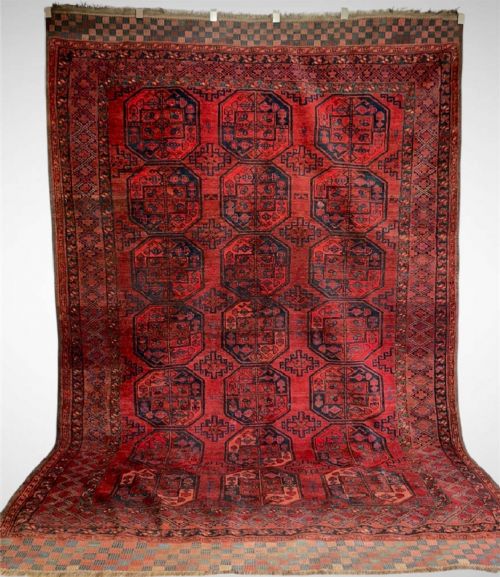
Large Red Oriental Rug
A large red oriental rug brings warmth and deep pattern to a room, drawn from traditions across Persia, Anatolia and tribal regions.
Large Red Oriental Rug
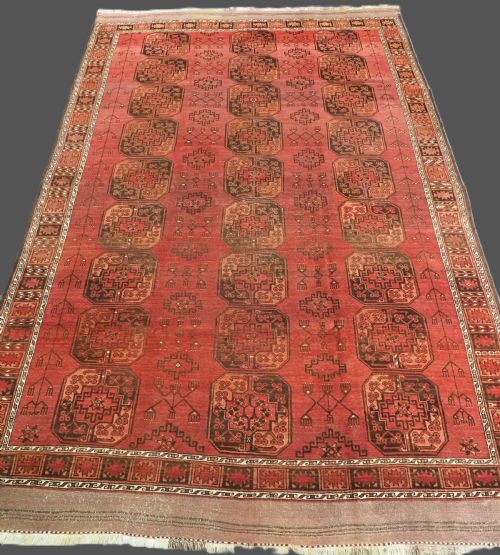
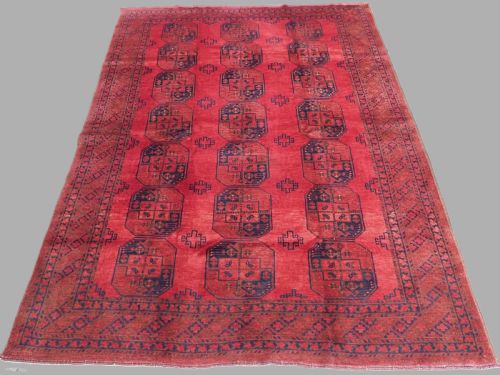
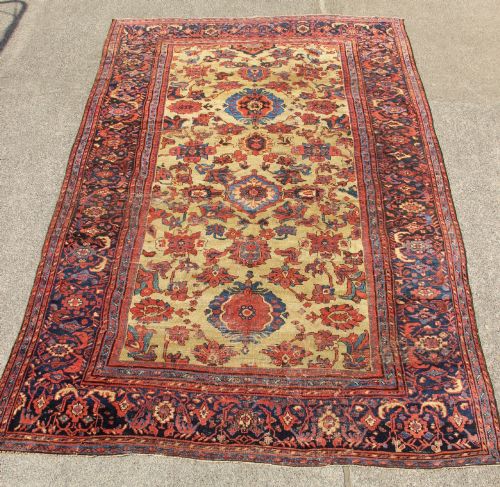
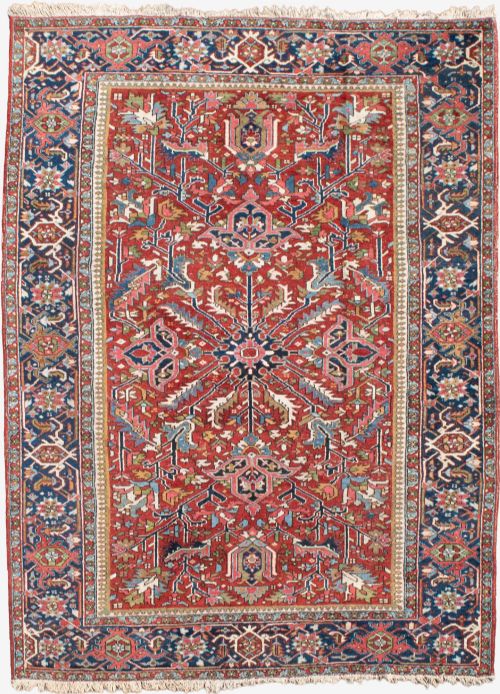
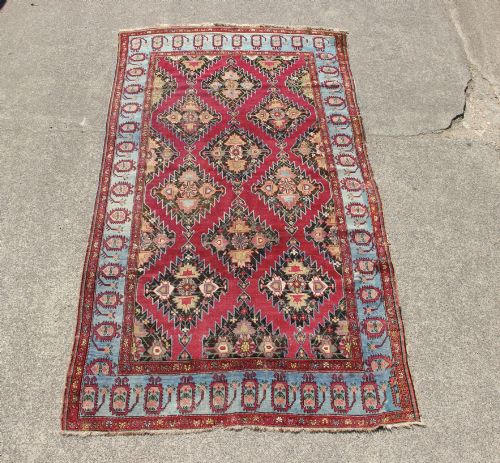
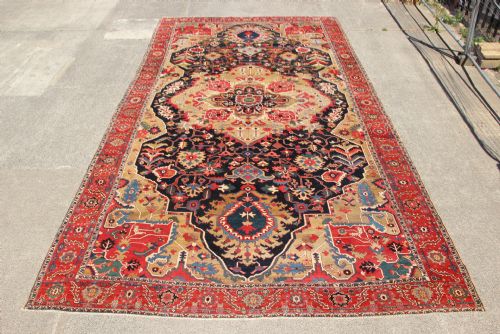
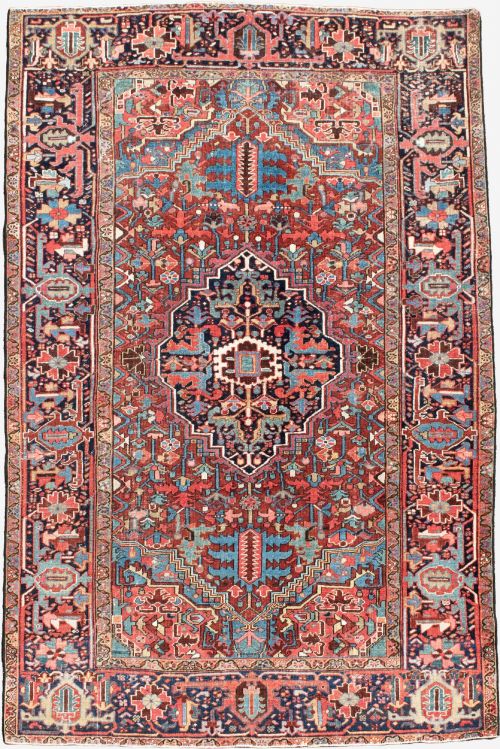
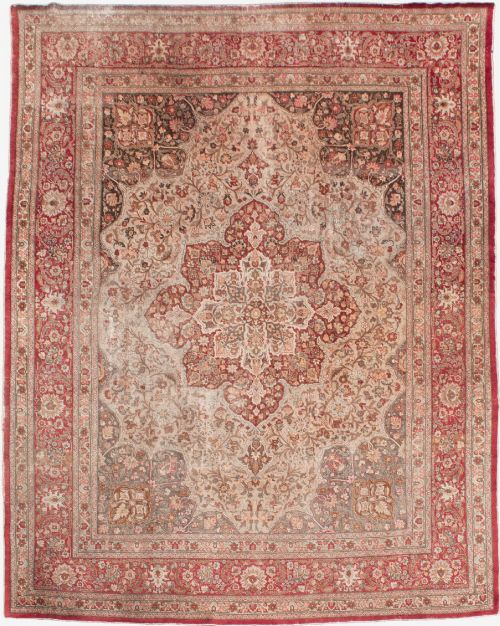
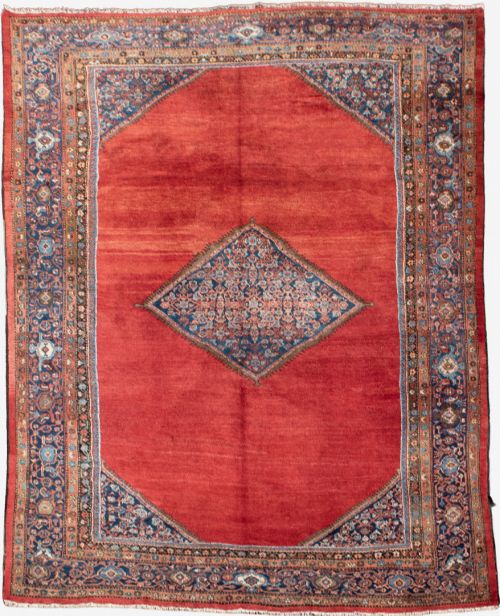
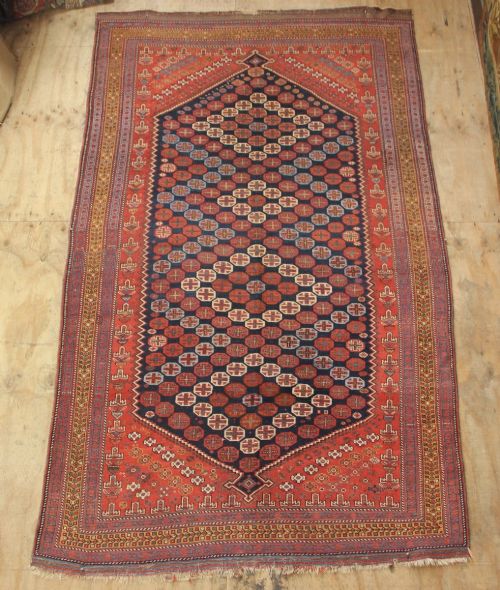
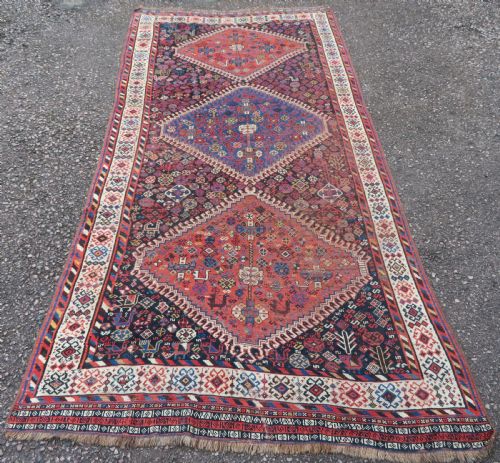
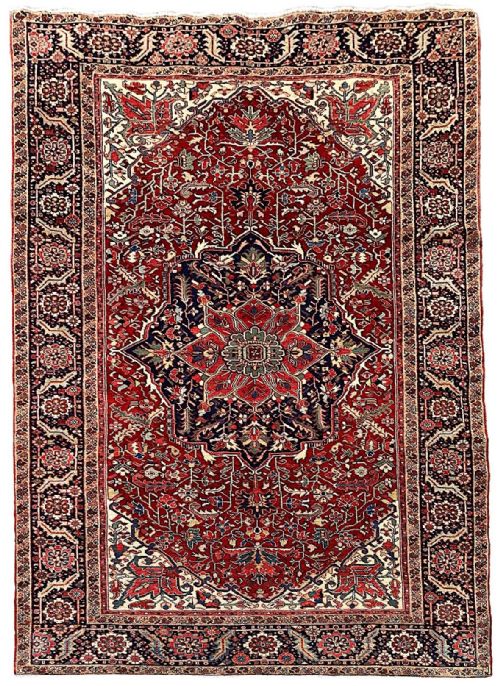
When searching for a large red oriental rug, collectors encounter floor coverings originating from workshops and villages in Persia, alongside tribal pieces from Turkmen and Anatolian makers. These floor coverings span the nineteenth and twentieth centuries, taking forms such as room-size carpets, long runners and area rugs. Heriz designs dominate the selection, alongside Serapi, Fereghan, Tabriz, Afshar, and Ersari carpets.
The palette centres on warm red tones, often contrasted with deep blues, creams and softer earthy hues in the field and borders. Buyers find village weaves alongside grand country house carpets, reflecting the diverse domestic and tribal outputs of the regions.
How they were made
These carpets rely on wool foundations and pile, frequently worked on cotton warps in workshop settings. Weavers tie hand-knotted piles using traditional techniques passed down through generations in Persian and tribal communities.
Natural and traditional dye methods produce the characteristic red ground colours seen across Heriz, Afghan, and Kurdish examples. The density of the knotting and the quality of the wool determine the weight and drape of each piece.
Large Red Oriental Rug Retail Price Guide 2026
Typical asking prices for large red oriental rug among the pieces listed under this phrase on Sellingantiques today, from the lower quarter to the upper quarter. They describe what is for sale here now, not the wider market.
One listed rug carries the delightful cataloguing note of being distinctly crooked.
What varies in quality
Quality rests on the fineness of the knotting and the crispness of the geometric or floral design. Finer wools and carefully prepared dyes retain their depth of colour and structural integrity far better over decades of use.
The balance of the composition, the saturation of the red hues, and the integrity of the original selvedges and ends separate standard village production from exceptionally fine Serapi or city workshop carpets.
The Large Red Oriental Rug Glossary
- Heriz
- A style of carpet originating from north-west Persia known for bold geometric medallions and durable wool construction. These pieces often incorporate a prominent central motif set against a red field.
- Gul
- An octagonal medallion or floral motif repeated across Turkmen and Afghan tribal carpets. Each tribe utilised distinct variations of this design to signal cultural identity.
- Kelleh
- A long, rectangular format of carpet traditionally used in Persian rooms as a gallery or hallway piece. These formats offer narrow proportions relative to their length.
- Warp
- The vertical threads stretched tightly on the loom that form the structural foundation of the rug. The visible fringe at either end of the carpet consists of these extended warp threads.
Large Red Oriental Rug: Frequently Asked Questions
How do I clean an old carpet?
Professional specialist cleaning is essential for antique wool carpets to protect the natural dyes and delicate fibres. Routine maintenance involves gentle vacuuming without a rotating brush head.
Harsh chemical treatments or household detergents damage the wool and alter the red tones permanently. Specialist rug conservators handle dust removal and washing safely.
Can I put these rugs in high traffic areas?
Many of these room-size carpets and runners were built for heavy domestic use in hallways and living spaces. Durable wool pile handles regular foot traffic effectively when properly maintained.
Placing a quality underlay beneath the carpet prevents slipping and reduces friction against the floorboards. This simple step extends the working life of the textile significantly.
How do I tell a village rug from a city carpet?
Village carpets display bolder, more geometric interpretations of patterns with slight irregularities in symmetry and line. City workshop pieces feature finer knotting, curves, and highly formal symmetrical layouts.
Materials also offer clues, as village weavers often utilised local wools and simpler structural foundations. City workshops had access to wider trade networks and refined materials.
What period do these rugs come from?
The available pieces primarily date from the nineteenth and early twentieth centuries, spanning the eighteen-seventies through to the nineteen-forties. Victorian and Edwardian era British homes frequently imported these carpets from Persia and Anatolia.
Stylistic shifts and structural markers help distinguish nineteenth-century tribal weaving from later twentieth-century production. Exact dates remain estimates based on wool characteristics and regional design evolution.