



Tin Glazed Earthenware Vessel
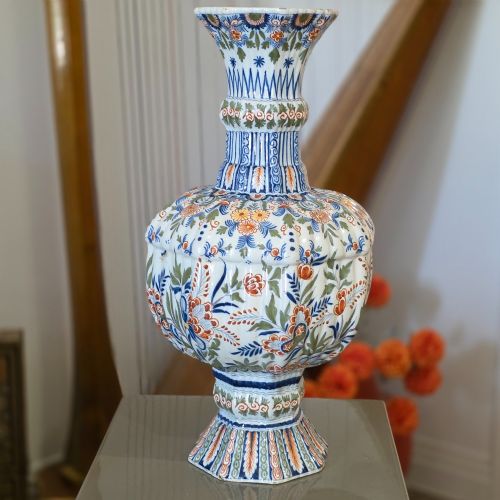
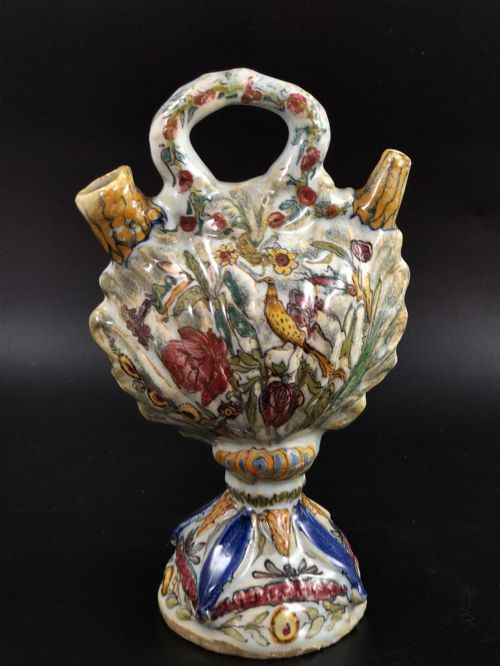
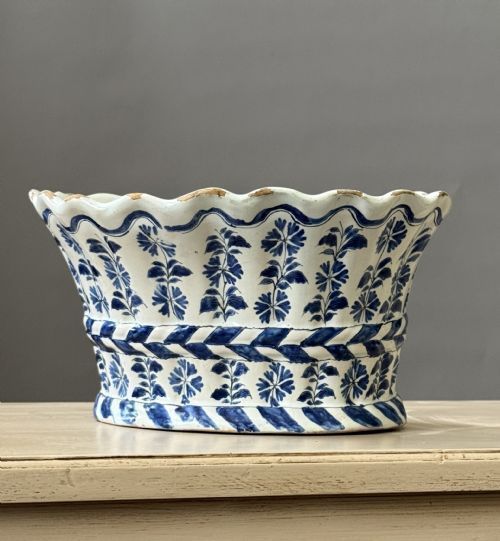
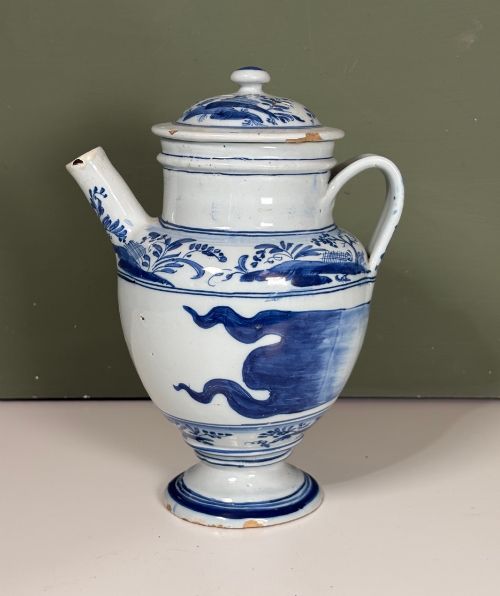
A tin glazed earthenware vessel brings centuries of European ceramic craft into a room through rich pigments and opaque white surfaces.
Tin Glazed Earthenware Vessel
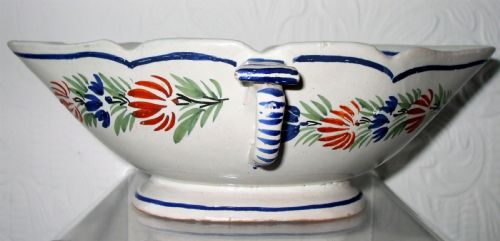
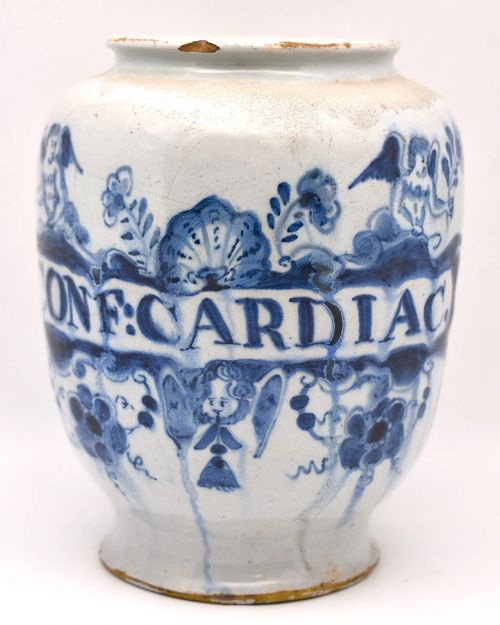
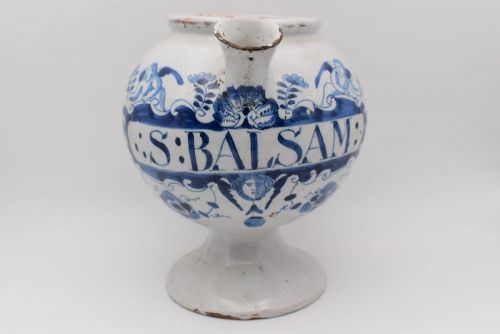
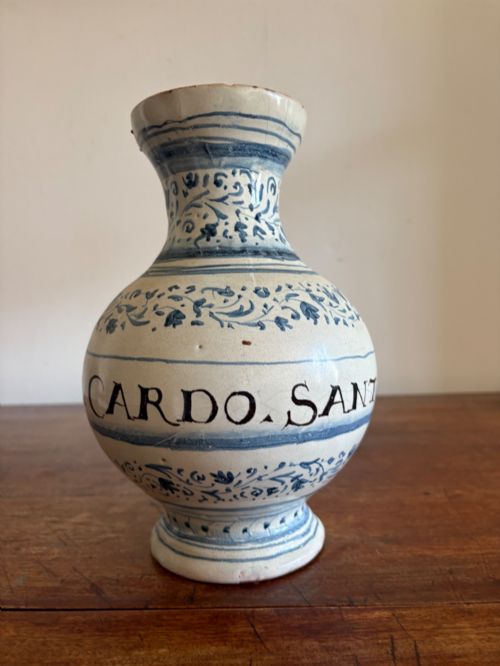
When you search for a tin glazed earthenware vessel, you encounter utilitarian and decorative ceramics spanning the seventeenth, eighteenth, and nineteenth centuries. These pieces originate primarily from English, Dutch, Italian, and French workshops, reflecting regional decorative traditions.
Materials and Technique
Potters form these vessels from earthen clay, which is fired to create a porous base body ready to receive decoration. The defining characteristic involves coating this body in a liquid glaze containing tin oxide, turning opaque and white upon firing.
Makers then apply metallic pigments, most notably cobalt for blue designs or broader polychrome palettes, directly onto the unfired tin glaze. The piece undergoes a final kiln firing that fuses the pigments into the white surface, producing the characteristic gloss and colour depth.
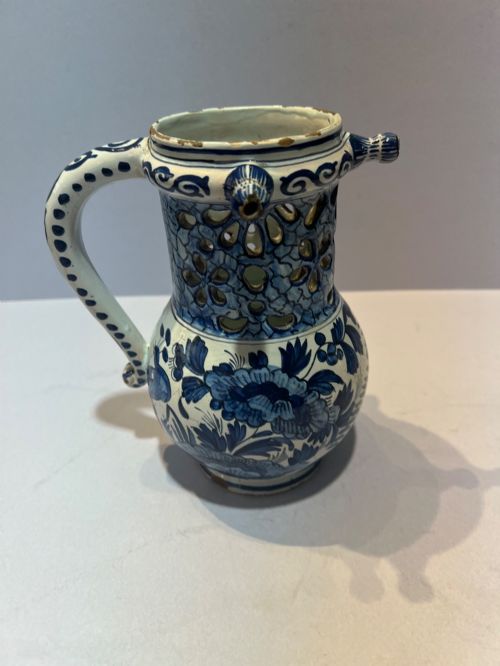
An eighteenth-century Dutch delft monkey toby jug joins the rows of dignified pharmacy jars and formal vases.
Judging Quality
Quality rests upon the crispness of the hand-painted brushwork and the stability of the glaze over the earthenware body. Superior examples display confident, fluid pigments that sit evenly within the white tin ground without excessive running or pooling.
The elegance of the potting form and the historical clarity of regional markers, such as pharmacy labels or armorial motifs, also define the distinction between standard utilitarian pots and exceptional cabinet pieces.
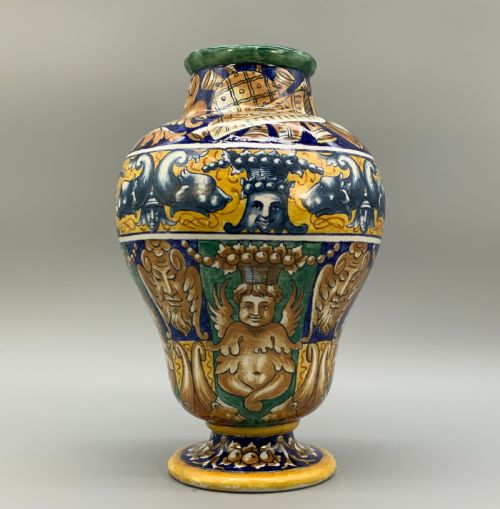
Pieter Verburg·Cantagalli
The Tin Glazed Earthenware Vessel Glossary
- Tin Glaze
- A lead glaze made opaque by the addition of tin oxide. This white surface serves as the ground for painted decoration.
- Albarello
- A cylindrical earthenware jar designed for storing apothecaries' drugs and dry medicines. The waisted shape allows handlers to grip the vessel securely.
- Faience
- The French and general European term for tin-glazed earthenware. French faience encompasses diverse regional styles including Quimper production.
- Posset Pot
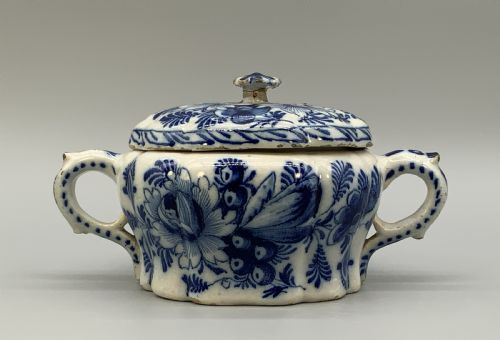
- A two-handled lidded cup used historically for serving posset, a hot spiced milk curdled with wine or ale. These vessels often incorporate spouts for drinking the liquid.
Tin Glazed Earthenware Vessel: Frequently Asked Questions
What is a tin glazed earthenware vessel?
A tin glazed earthenware vessel is a ceramic piece covered in an opaque white glaze containing tin oxide and decorated with painted pigments. These objects range from English and Dutch delftware to Italian majolica and French faience.
Potters created these items for both utilitarian storage and decorative display across multiple European centuries.
How were apothecary jars used?
Apothecary jars held dry drugs, herbs, syrups, and ointments in early pharmacies and dispensaries. Wet drug jars featured spouts or wide mouths suitable for liquid medicines.
Their painted labels identified the specific contents stored within the ceramic body.
How do I clean old faience?
Clean these fragile ceramics gently using a dry or barely damp microfiber cloth to remove dust. Avoid submerging historical pieces in water, as moisture can infiltrate porous earthenware bodies and craze old glazes.
Harsh chemical detergents will damage the historic glaze and painted surfaces.
How do I date a delft vessel?
Dating relies on stylistic clues, palette characteristics, potting thickness, and painted markings. Seventeenth-century pieces often display heavier bodies and distinct cobalt tones, while eighteenth-century items refine these forms.
Pharmacy labels and documented maker marks provide further chronological anchors.