



Antique Ceramic Flask
These antique ceramic flask examples encompass everything from moon flasks to spirit containers across centuries of kiln traditions.
Antique Ceramic Flask
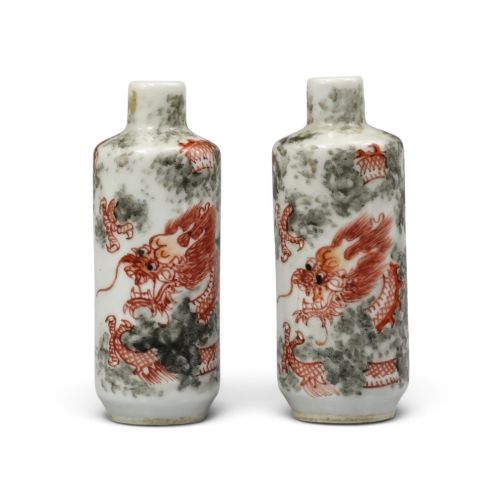
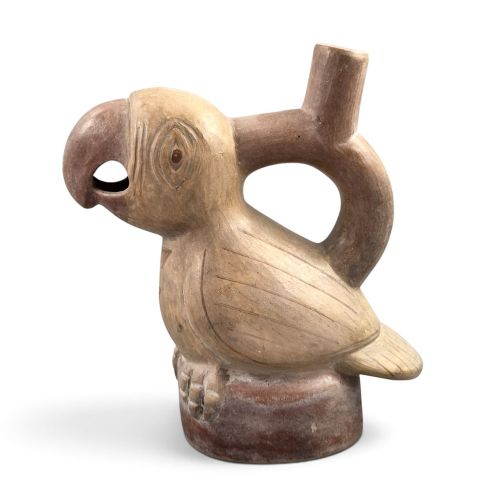
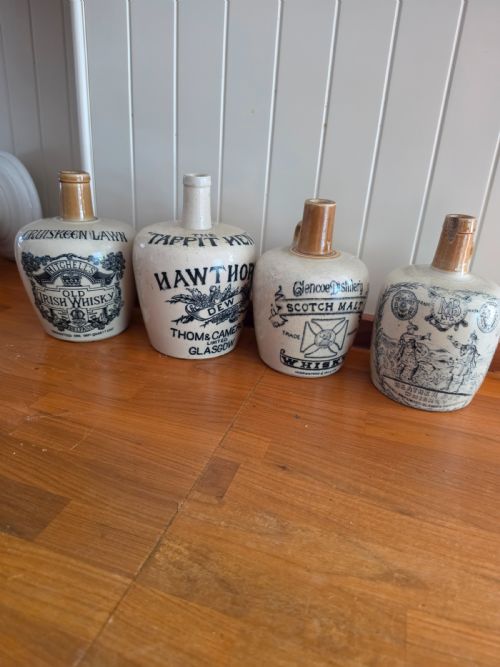
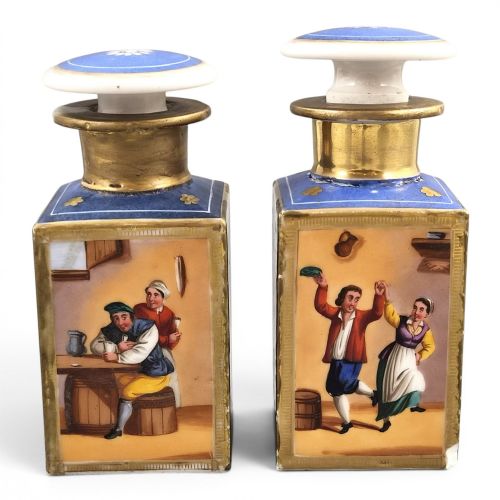
An antique ceramic flask serves multiple historical purposes, ranging from utilitarian spirit and whisky storage to decorative cabinet pieces such as moon flasks and pilgrim vessels. When exploring this selection, buyers frequently encounter small snuff bottles, scent vessels, and larger ceramic bottles originating from diverse periods like the nineteenth century and earlier.
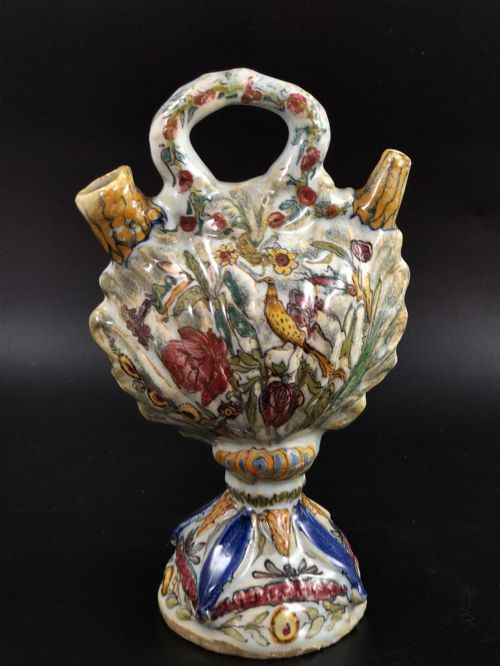
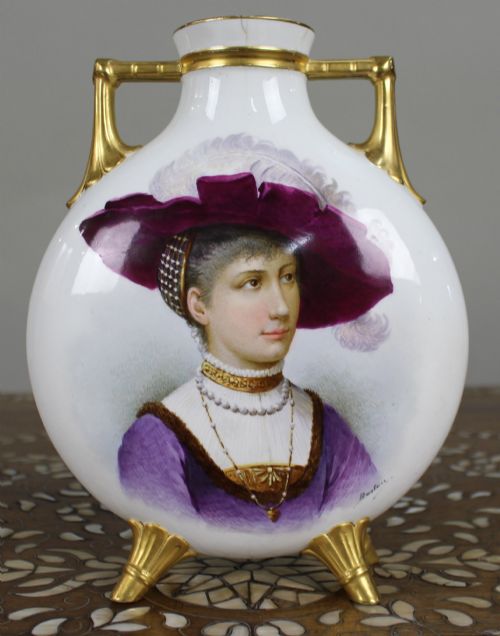
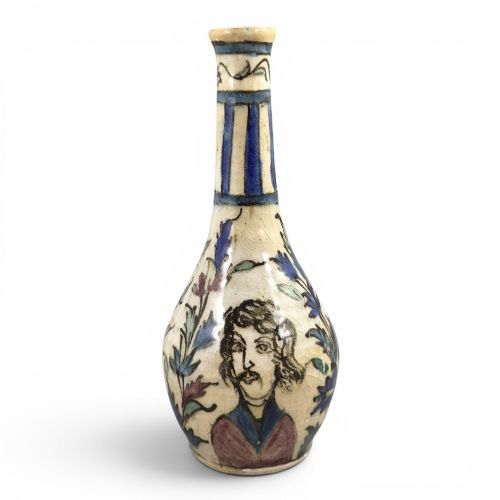
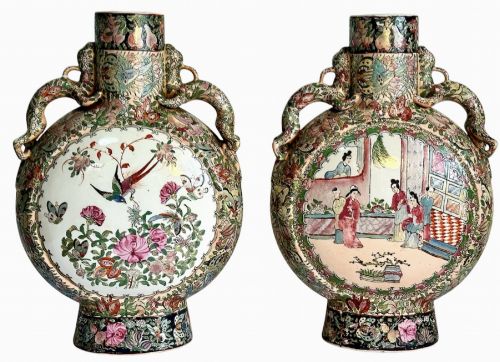
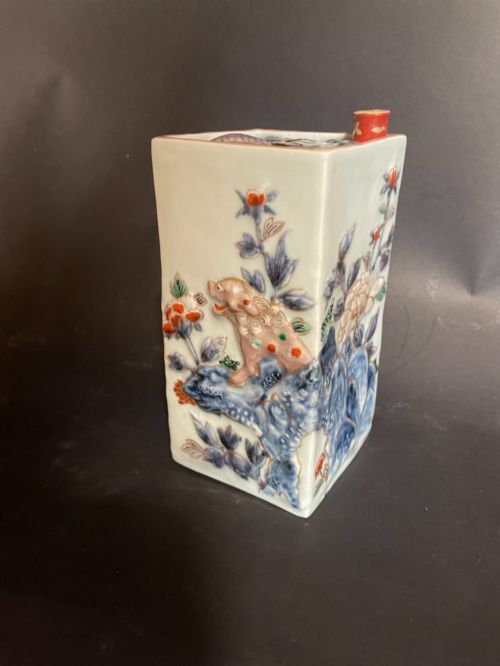
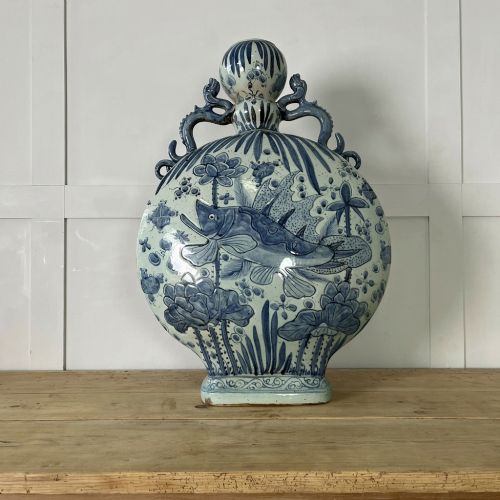
The forms span Japanese tokuri, Italian majolica scallop-shell pilgrim flasks, and Chinese porcelain moon flasks decorated with figures or floral motifs. Earthenware, stoneware, and porcelain dominate the available shapes, showing how makers adapted regional throwing and moulding techniques for domestic use or display.
How They Were Made
Potters shaped these bodies using earthenware, terracotta, stoneware, and fine porcelain, often finishing surfaces with lead or salt glaze, enamel, and gold leaf. Decoration involved hand-painted scenes, transfer printing, or pate-sur-pate applications executed directly onto the clay body or over an initial ground colour.
Firing took place in traditional kilns where temperature control determined the density of the ceramic and the vitrification of the glaze. Makers utilised pigments such as iron-red or cobalt blue under or over the glaze to achieve distinct tonal depth on porcelain and pottery.
Several flasks were specifically designed to hold whisky or snuff, proving that earlier generations also enjoyed portable comforts.
What Varies in Quality
Quality rests upon the crispness of the moulding, the control shown in hand-painted detail, and the preservation of the glaze or enamel surface. Finer examples display meticulous brushwork, stable potting with balanced walls, and well-preserved gilding or polychrome decoration without excessive rubbing.
The provenance and reputation of the pottery or decorator further distinguish standard production pieces from exceptional works. Signed pieces or items attributed to known factories demonstrate superior technical execution in both the ceramic body and the secondary metal mounts or stoppers.
Royal Doulton·Royal Worcester·Flight Barr And Barr·Jacob Petit·Coalport·Minton·Wedgwood·Crown Staffordshire
The Antique Ceramic Flask Glossary
- Moon flask
- A flat-backed, round-bodied vessel with a narrow neck, often supported on a small foot and styled after traditional Chinese or European forms.
- Pilgrim flask
- A flat-faced container originally designed for travellers, featuring small lugs on the shoulders to attach a carrying cord.
- Majolica
- Tin-glazed earthenware produced in Italy and other European centres, renowned for colourful painted decoration.
- Pate-sur-pate
- A ceramic decoration technique where liquid clay is built up in successive layers on a contrasting body to create a low-relief cameo effect.
- Snuff bottle
- A small container utilised to hold powdered tobacco, highly developed in Qing dynasty China with intricate interior painting or carved porcelain.
Antique Ceramic Flask: Frequently Asked Questions
What is a moon flask?
A moon flask is a flattened circular vessel featuring a short neck and two small handles linking the neck to the rounded body. These pieces were often made for display rather than travel.
Potters across European and Asian traditions utilised this balanced silhouette as a canvas for intricate hand-painted scenes or monochrome glazes.
How were antique ceramic flasks used?
These vessels served various functions depending on their size and origin, ranging from storing whisky and brandy to holding precious scents and snuff. Larger examples acted as decorative table or cabinet ornaments.
Smaller bottles were kept personal, holding liquids for daily grooming or medicinal powders within sealed stoppers.
How do I date an antique ceramic flask?
Dating relies on examining the clay body, glaze characteristics, style of decoration, and any maker marks or factory stamps on the base. Stylistic cues often point to specific periods like the Regency era or the late nineteenth century.
Comparison with documented pieces from known potteries helps narrow down the decade of manufacture.
Are all ceramic flasks glazed?
Most ceramic flasks feature a glaze to ensure liquid containment and to provide a smooth surface for painted decoration. Porous bodies like terracotta or early earthenware sometimes remain unglazed depending on their intended decorative function.
Salt glazes and tin glazes are common historical treatments found on utilitarian stoneware and decorative majolica.