


White Ceramic Flask
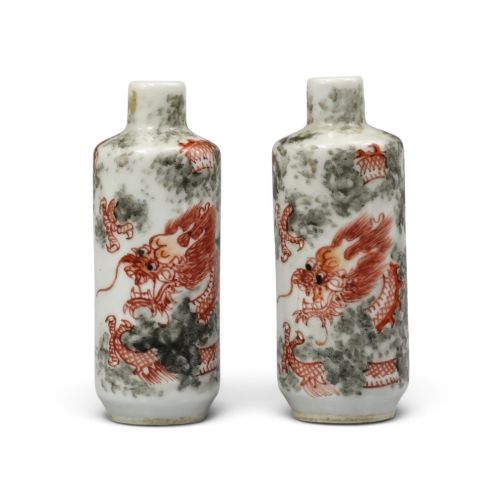
These white ceramic flask pieces range from delicate snuff bottles to robust vessels, offering remarkable historical breadth for your collection.
White Ceramic Flask
A white ceramic flask encompasses diverse vessel forms spanning multiple centuries and global pottery traditions. You will encounter everything from pocket-sized snuff bottles to substantial moon flasks and wine bottles.
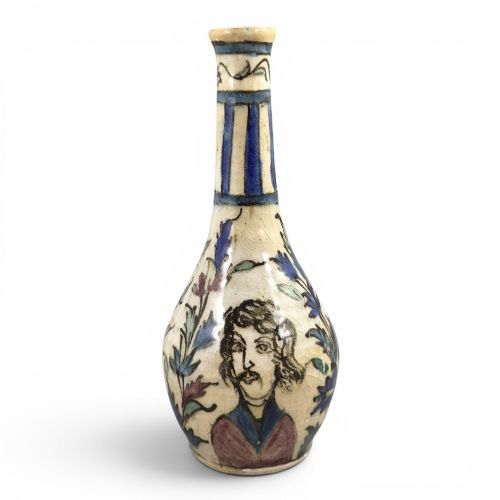
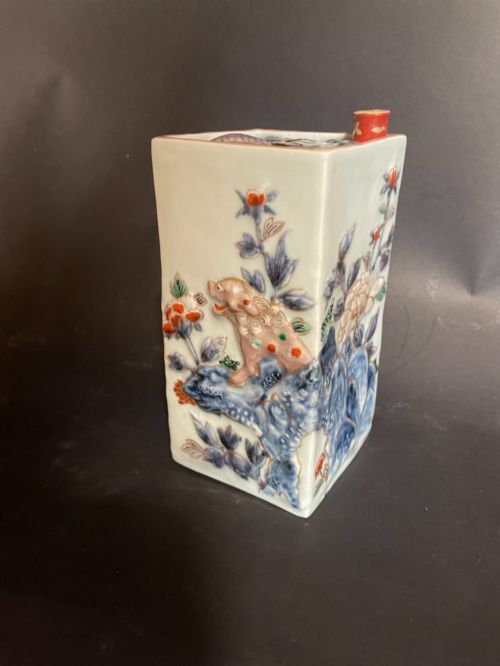
The selections on this page draw from 17th-century Japanese utilitarian forms, 18th-century European delftware, and 19th-century Chinese porcelain creations. Each piece serves a distinct historical function, whether holding spirits, medicines, or precious scents.
Materials and methods
Potters utilised foundational materials such as porcelain, tin-glazed earthenware, and parian ware to shape these vessels. Fritware and standard ceramic bodies also appear, providing the dense substrate required for detailed painting.
Decoration techniques involve hand-painted pigments, enamel work, and rich gilding applied directly to the glazed surfaces. Artisans frequently employed cobalt blue or iron-red pigments to create contrasting motifs against the pale ground.
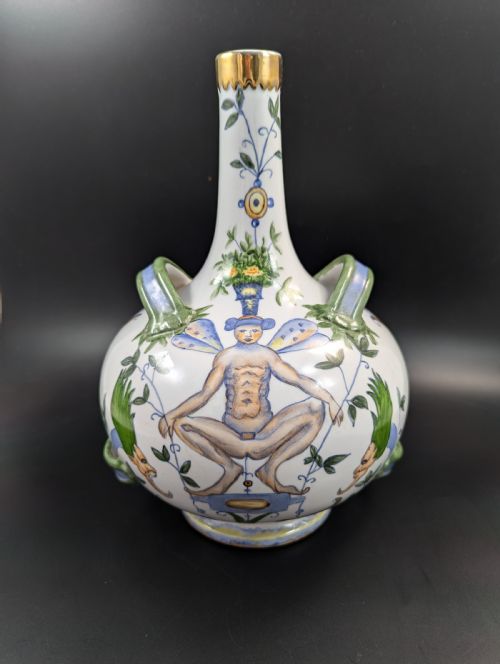
One listed piece cheekily depicts the erotic 'Spring Palace', proving that historical potters enjoyed a subtle wink.
Assessing craftsmanship and finish
Quality separates through the precision of the hand-painted details and the purity of the ceramic glaze. Superior examples exhibit deliberate brushwork and well-balanced proportions that respect the traditional form.
The crispness of moulded relief work and the stability of applied gilding distinguish finer studio outputs from routine production wares. Condition of the glaze and integrity of the original surface finish dictate the standing of individual pieces.
The White Ceramic Flask Glossary
- Moon flask
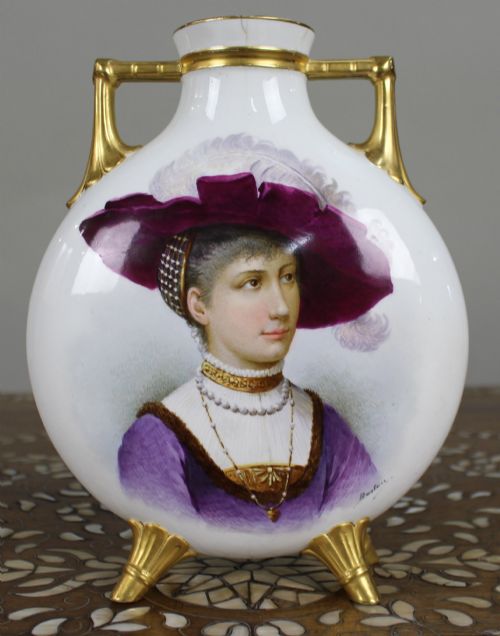
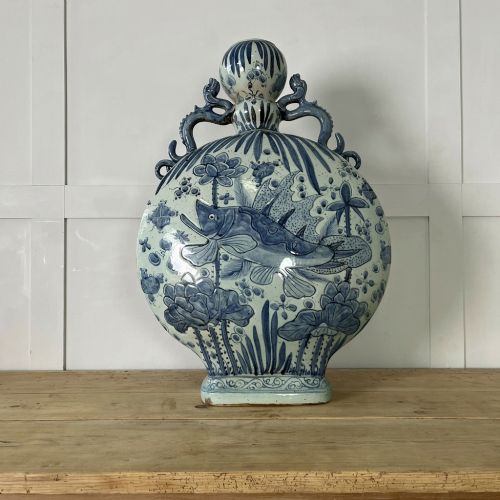
- A flattened circular vessel with a short neck and two small handles, often featuring intricate painted decoration. This form traces its lineage through various Asian and European ceramic traditions.
- Delftware
- Tin-glazed earthenware produced in England or the Netherlands, known for its opaque white surface and blue painted designs. It absorbs pigments deeply into the porous glaze during firing.
- Parian ware
- A type of bisquepiscuit porcelain developed in the 19th century to imitate carved marble. It possesses a smooth, unglazed texture that highlights sculptural detail.
- Kendi
- A spouted drinking vessel originating in Southeast Asia and produced for export in various Asian kilns. These pieces lack traditional handles and rely on a central spout for pouring.
- Majolica
- Opaque tin-glazed pottery decorated with brightly coloured metal oxides on a white background. Italian iterations frequently employ scallop-shell and pilgrim flask configurations.
White Ceramic Flask: Frequently Asked Questions
What is a moon flask?
A moon flask is a flattened circular vessel featuring a short neck and small side handles. Potters utilised this symmetrical shape as a canvas for detailed pictorial scenes.
These vessels stand stably on flat bases and often display elaborate ornamentation across both flattened sides.
How were ceramic scent bottles used?
Ceramic scent bottles held concentrated perfumes and aromatic oils for personal use during earlier centuries. Their tight seals preserved delicate fragrances against evaporation.
Collectors often find them fitted with tiny stoppers, reflecting their portable and personal nature in domestic settings.
How do I care for antique ceramic flasks?
Antique ceramic flasks require gentle dusting with a soft, dry cloth to protect fragile surface glazes and gilding. Avoid using liquid cleaners or abrasive materials that might degrade historical pigments.
Display them away from direct sunlight and areas subject to rapid temperature fluctuations to safeguard the ceramic body.
What distinguishes European delftware from Asian porcelain?
European delftware relies on a tin-glazed earthenware body which results in a slightly softer, more porous structure. Asian porcelain utilises hard-paste materials fired at higher temperatures to achieve a vitrified, translucent finish.
Visual inspection of the footrim and glaze thickness usually reveals these fundamental differences in regional production.