


Tin Glaze Delftware Jars
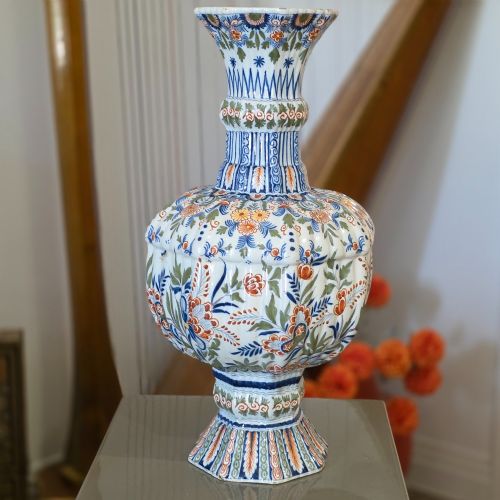
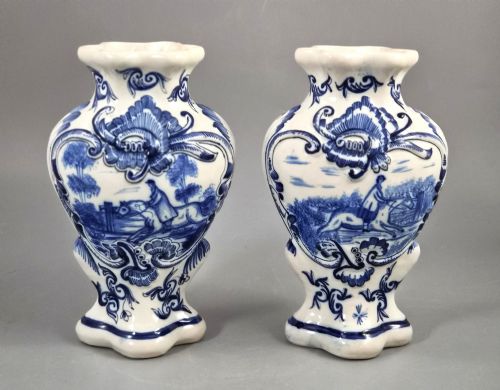
Tin glaze delftware jars are earthenware vessels coated in an opaque white glaze, prized by collectors for their hand-painted blue and white or polychrome decoration.
Tin Glaze Delftware Jars
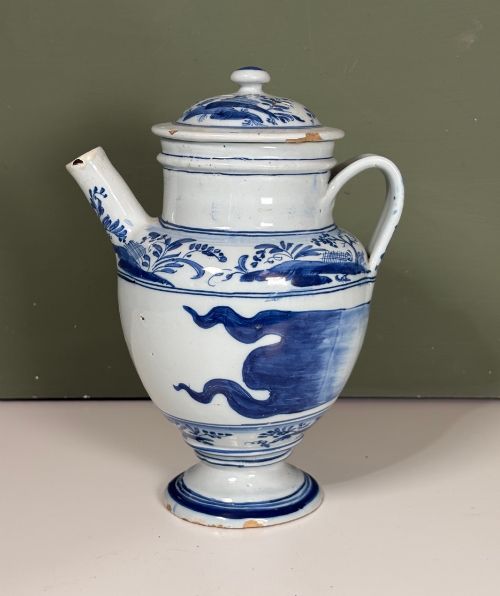
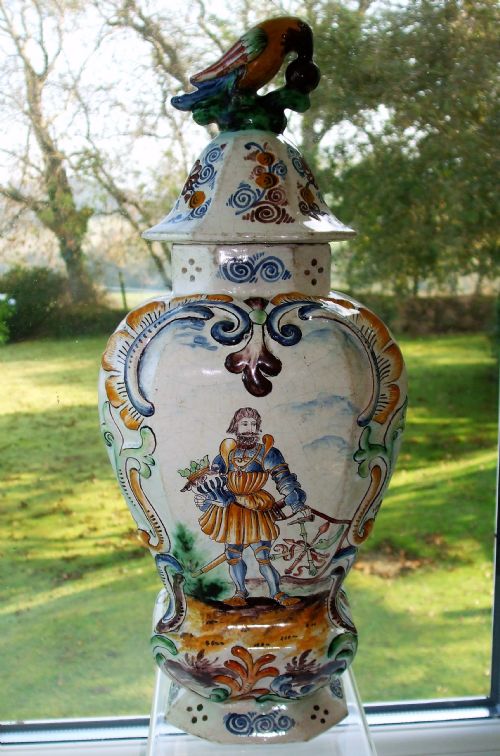
When searching for tin glaze delftware jars, you encounter a variety of forms including apothecary vessels, drug jars, albarellos, tobacco jars, and lidded vases. These containers span from the seventeenth century through to the nineteenth century, reflecting historical shifts in design and utility.
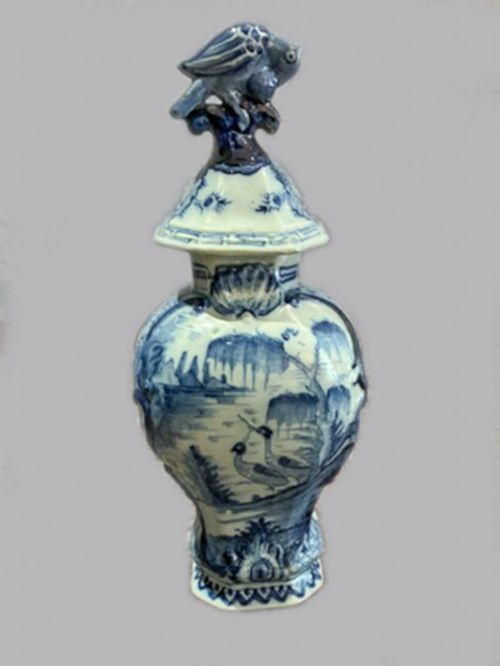
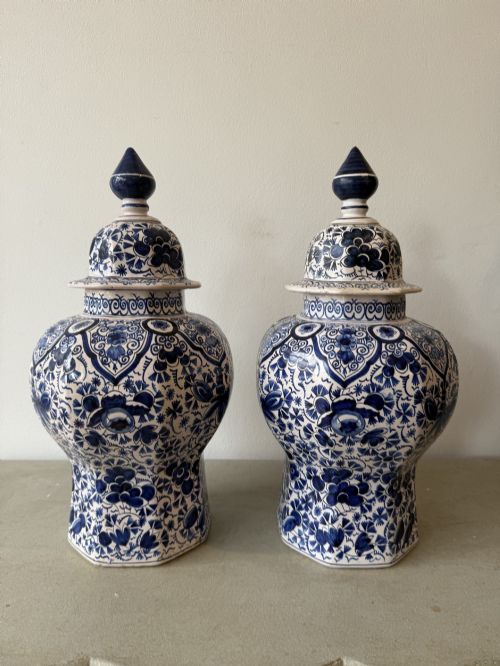
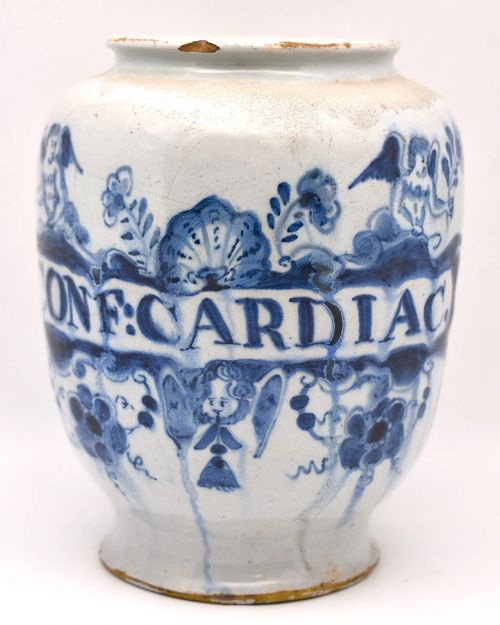
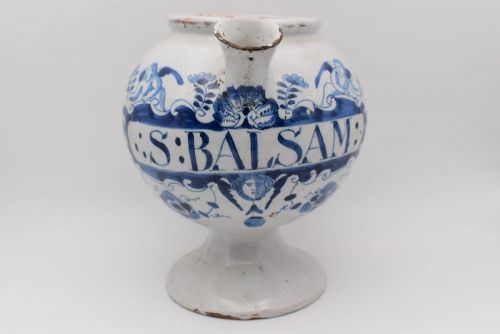
The version you are most likely to meet on this page is the eighteenth century Dutch or English example, often painted in cobalt blue with botanical, avian, or chinoiserie motifs. Apothecary jars bearing inscribed drug labels or pharmaceutical abbreviations appear alongside larger decorative urns and baluster vases.
Origins stretch across Europe, with pieces originating from Dutch workshops, English kilns, French faience makers, and South Italian potteries. Forms range from utilitarian pharmacy bottles to grand lidded display pieces made for domestic interiors.
How they were made
Makers shaped earthenware bodies on the potter's wheel or formed them in moulds before applying a tin oxide glaze that dried to a chalky, opaque white finish. This tin glaze served as a smooth canvas for subsequent hand-painted decoration.
Painters applied cobalt pigment and polychrome enamels directly onto the unfired or raw glaze, which absorbed the colours permanently during the kiln firing process. Brass fittings or replacement lids occasionally appear on surviving examples, added during later centuries.
Some pharmacy jars retain Latin inscriptions for historical remedies such as cardiac preparations and balsam.
What varies in quality
The distinction between standard utility wares and exceptional pieces rests upon the precision and fluidity of the hand-painted brushwork. Superior examples display crisp cobalt details, intricate chinoiserie scenes, or finely rendered cherub and shell motifs rather than hurried, repetitive strokes.
Survival of original matching covers significantly elevates a piece, as many lids have been lost or replaced over centuries of domestic use. The integrity of the white tin glaze and the clarity of the underlying ceramic body also dictate the visual strength of the vessel.
Fourmaintraux-Courquin
The Tin Glaze Delftware Jars Glossary
- Albarello
- A tall, waistless pharmacy jar designed to hold ointments and dry drugs. Its hourglass silhouette allowed pharmacists to stack jars efficiently on shelves.
- Tin-Glazed Earthenware
- Pottery covered with a lead glaze made opaque by the addition of tin oxide. This technique originated in the Middle East before spreading through Italy, the Netherlands, and England.
- Cobalt Pigment
- A metallic colourant used to achieve deep blue painting under the glaze. It remained stable at high kiln temperatures, making it the primary pigment for traditional delftware.
- Chinoiserie
- European decorative style reflecting imaginative interpretations of Chinese art and motifs. Popular subjects included landscapes, birds, and figures among stylized foliage.
- Faience
- European tin-glazed earthenware, particularly associated with French and Italian production. The term encompasses both utilitarian apothecary items and decorative display pieces.
Tin Glaze Delftware Jars: Frequently Asked Questions
What were tin glaze delftware jars used for?
Apothecaries and merchants utilised these vessels to store dry drugs, wet pharmaceuticals, ointments, and tobacco. Pharmacists inscribed the contents directly onto the body so staff could identify medicines quickly.
Over time, larger lidded vases and urns transitioned from functional storage into decorative objects displayed within domestic rooms.
How do I tell seventeenth century pieces apart from later ones?
Early pieces from the seventeenth century frequently feature Dutch Baroque or detailed chinoiserie designs executed in rich cobalt blue. The forms tend to reflect specific historical potting traditions and heavier earthenware bodies.
Nineteenth century revivals often introduce brighter polychrome palettes, different glaze formulations, or distinct maker marks associated with later European faience factories.
Are tin glaze delftware jars waterproof?
The tin glaze provides an impermeable surface on the exterior and interior, allowing vessels to hold wet pharmaceutical preparations safely. However, porous earthenware bodies beneath the glaze require gentle handling.
Modern owners should avoid immersing historic pieces in water for prolonged periods to protect the glaze from moisture ingress.