



18th Century Delft Jars
These 18th century delft jars are tin-glazed earthenware vessels shaped for storage and display, prized for their hand-painted blue and white or polychrome surfaces.
18th Century Delft Jars
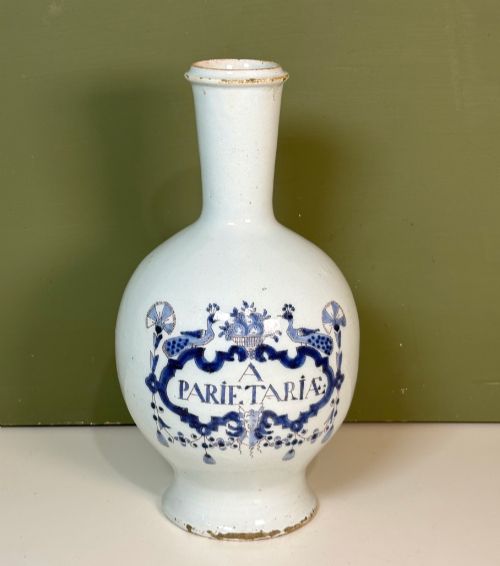
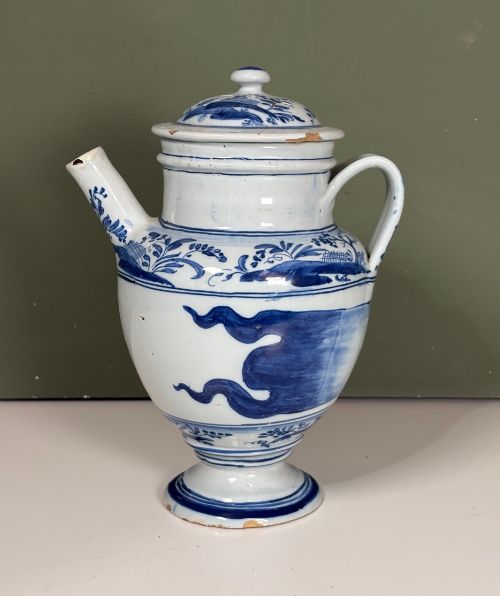
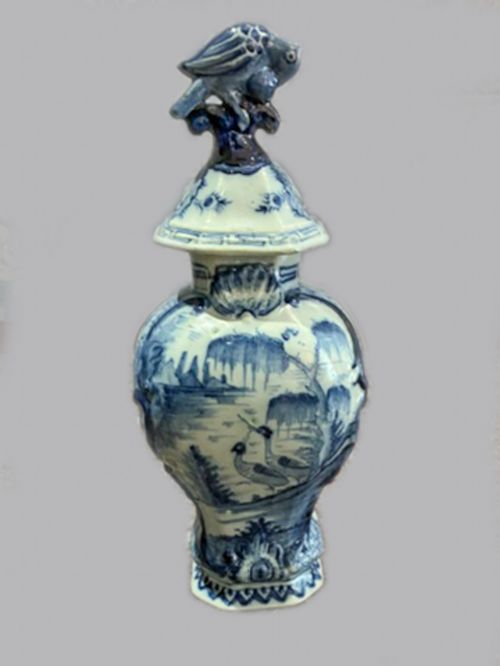
When you search for 18th century delft jars, you encounter containers made for utilitarian storage and decorative display. The forms range from apothecary and tobacco jars to lidded baluster vases, bulb jars, and large urns with handles.
The pieces appearing on this page stem predominantly from the 18th century, with Dutch Delft and Dutch Baroque styles forming the core of the selection. You meet single vessels as well as matched pairs and sets.
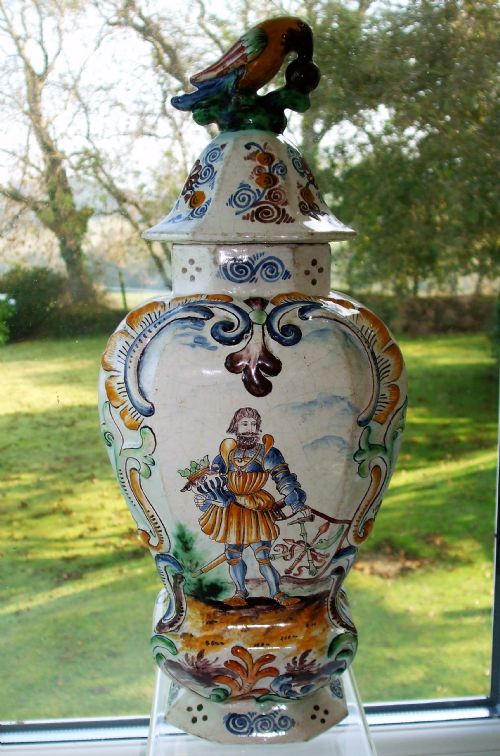
Makers shaped these earthenware bodies from clay before applying a tin glaze that provided a smooth white ground for cobalt pigment and polychrome decoration. Many examples include fitted lids or covers designed for the top of the jar.
How they were made
Potters shaped earthenware clay on the wheel or in moulds to create the distinct bodies of vases, storage jars, and apothecary vessels. The resulting clay forms received a tin glaze that dried to an opaque white surface.
Artisans painted cobalt pigment and polychrome colours directly onto the unfired or absorbent tin glaze by hand. Firing in kilns set the pigments into the glaze, producing the glossy finish characteristic of tin-glazed earthenware.
18th Century Delft Jars Retail Price Guide 2026
Typical asking prices for 18th century delft jars among the pieces listed under this phrase on Sellingantiques today, from the lower quarter to the upper quarter. They describe what is for sale here now, not the wider market.
Some tobacco jars still retain traces of ancient leaf dust inside their glazed interiors, whispering tales of long-forgotten Dutch smoking rooms.
What varies in quality
The clarity and detail of the hand-painted cobalt and polychrome decoration distinguish finer examples from simpler work. Brushwork control and the crispness of the motifs reflect the skill of the painter.
The survival of original lids and covers significantly affects the integrity of the piece. The uniformity of the tin glaze and the stability of the earthenware body also mark the standard of manufacture.
The 18th Century Delft Jars Glossary
- Tin-Glazed Earthenware
- Pottery fired from clay and coated with a glaze containing tin oxide to create an opaque white surface. This technique forms the foundation of all delftware production.
- Cobalt Pigment
- A blue metal oxide mineral used by painters to decorate the white tin glaze before firing. It produces the deep blue tones seen on traditional delft jars.
- Baluster Vase
- A vessel with a rounded body that tapers toward the base and swells near the middle. This form appears frequently among lidded delft jars and storage containers.
- Apothecary Jar
- A specialised container originally used by pharmacists to store dry drugs, herbs, or ointments. These jars often feature distinct labelling spaces on the painted surface.
18th Century Delft Jars: Frequently Asked Questions
What were 18th century delft jars used for?
These vessels served practical storage roles in households and apothecary shops. They held dry goods, tobacco, medicines, and herbs.
Over time, many of these utilitarian containers transitioned into purely decorative objects. Homeowners displayed them on mantelpieces and cabinets for their vibrant blue and white patterns.
Are lids usually original to the jars?
Finding an 18th century jar with its matching original lid requires careful inspection. Lids faced a high risk of breakage during daily handling and use over the centuries.
Replacement covers occasionally appear on antique vessels. Evaluating the fit, glaze colour, and wear patterns helps determine whether the lid and jar belong together.
How should I clean my delft jar?
Dust the surface gently with a soft, dry brush or cloth. Avoid harsh chemical cleaners, soaking, or abrasive scrubbing that might damage the fragile tin glaze.
Tin-glazed earthenware is porous and sensitive to moisture if the glaze has chips or cracks. Keep the piece in a stable environment away from high humidity.