
Tiered Open Bookcase
A tiered open bookcase organises volumes and display pieces across graduated shelves, offering accessible storage with architectural lightness.
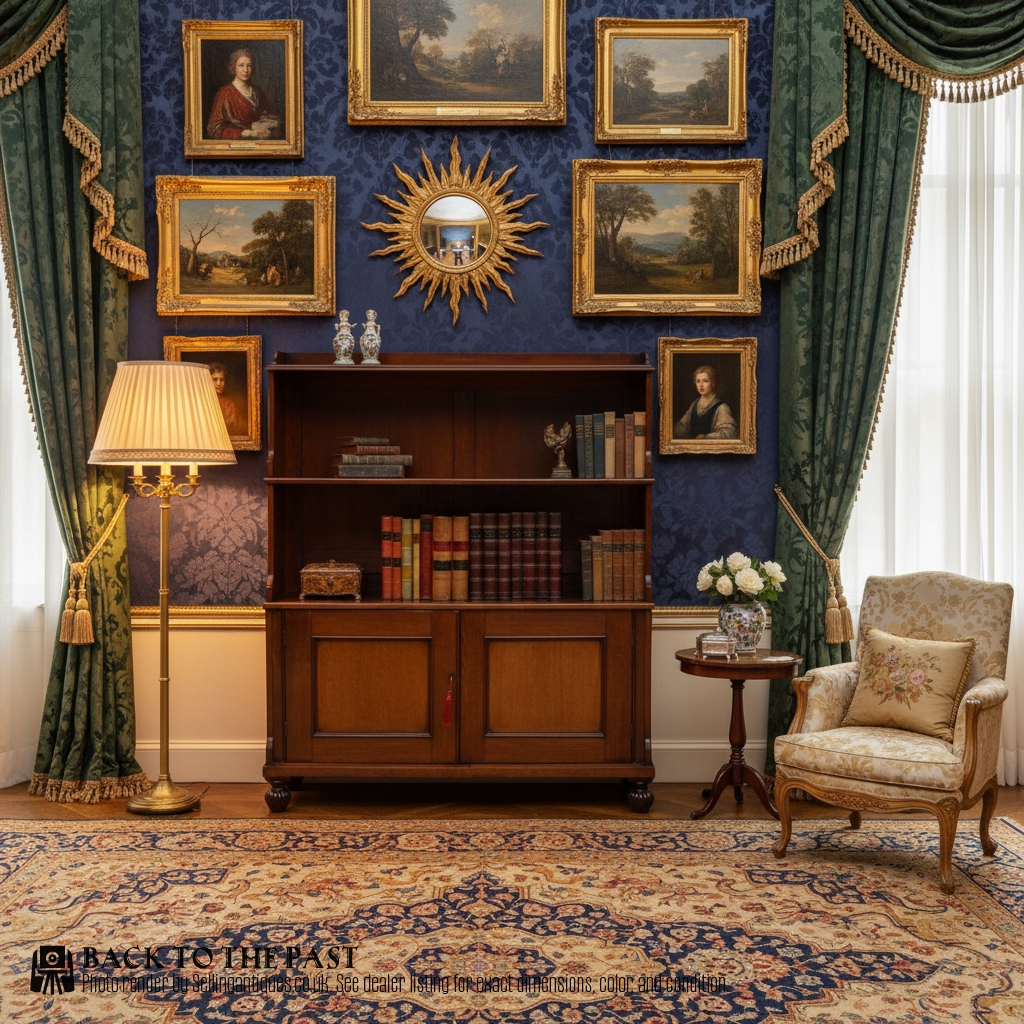
Tiered Open Bookcase
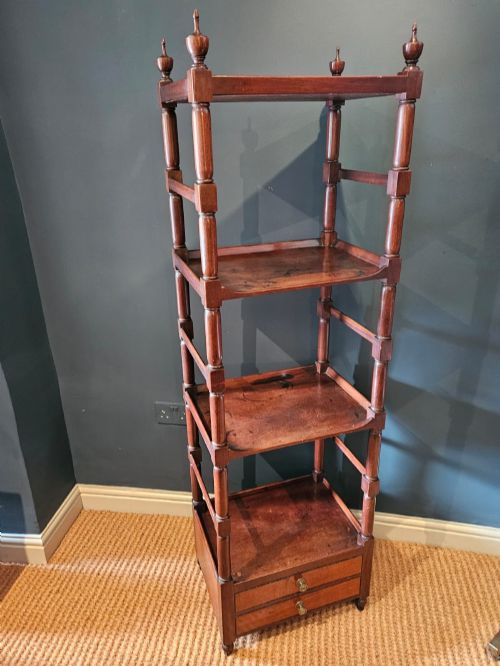
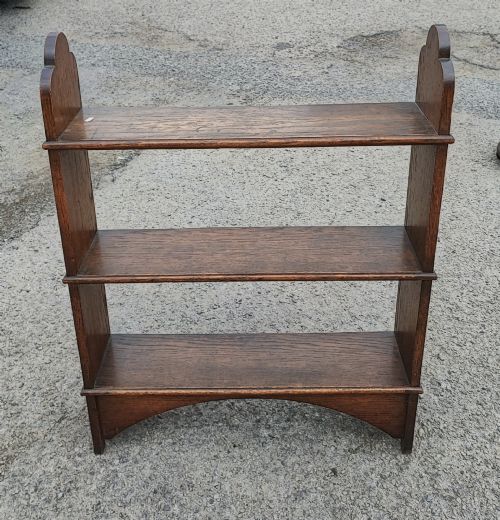
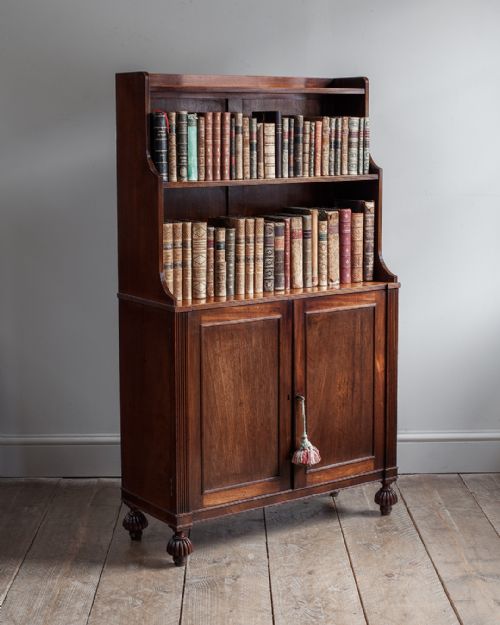
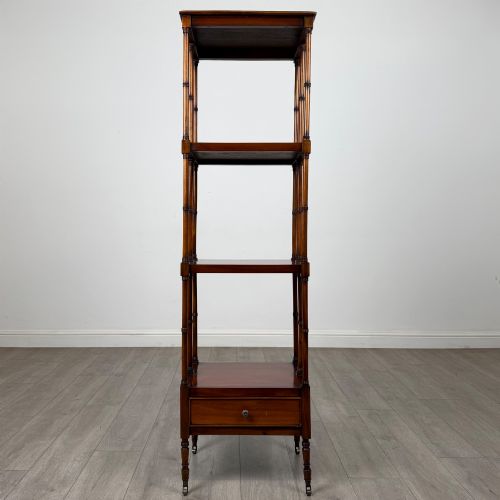
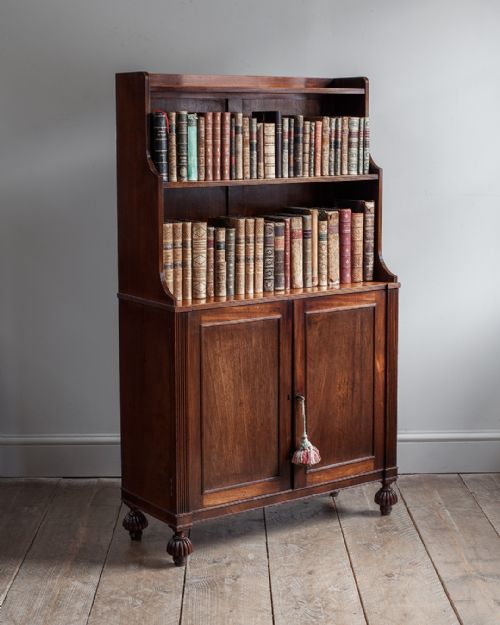
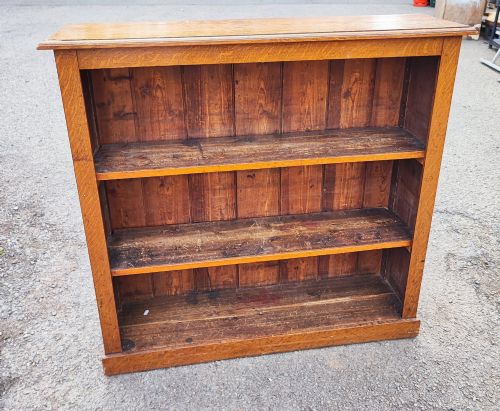
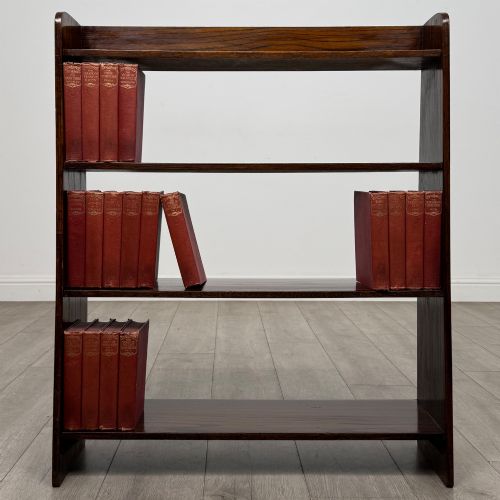
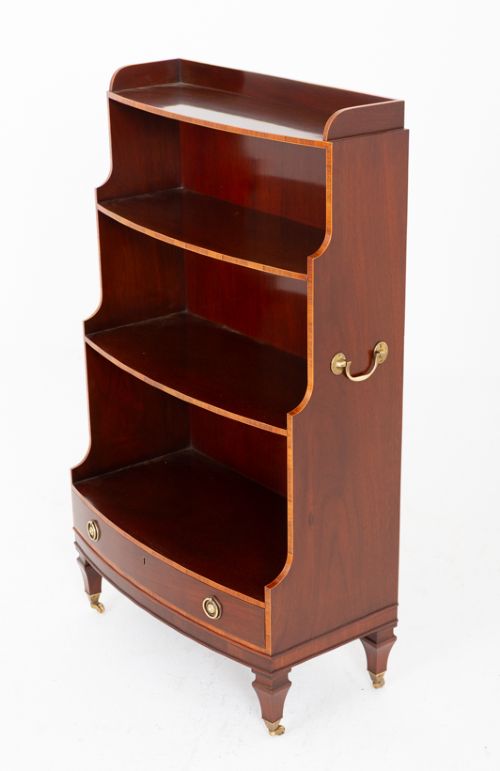
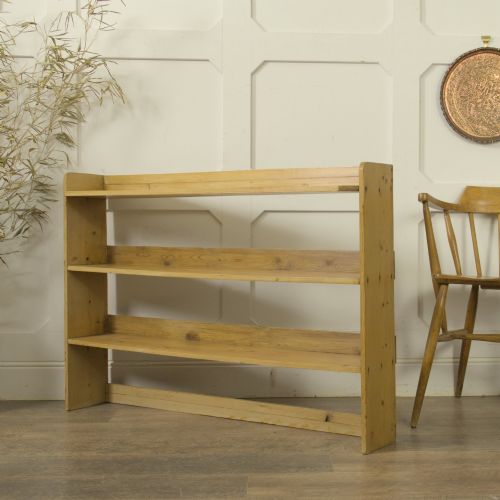
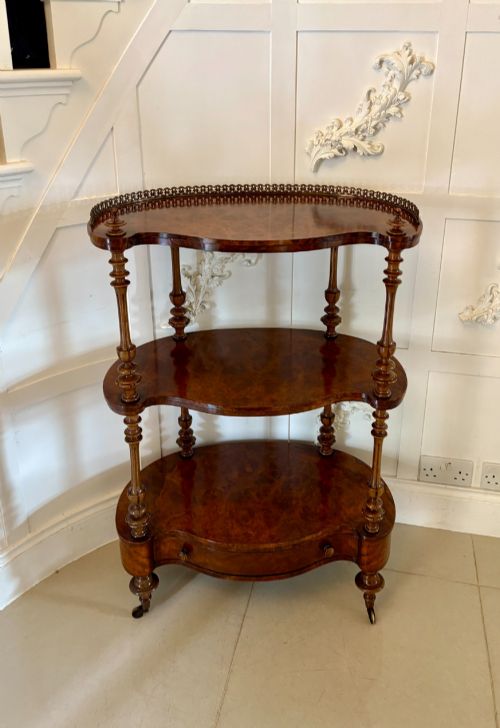
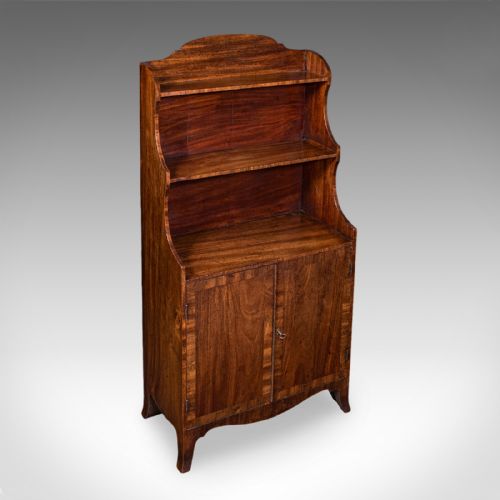
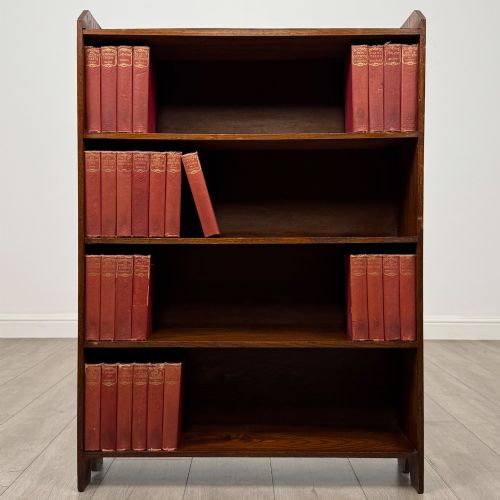
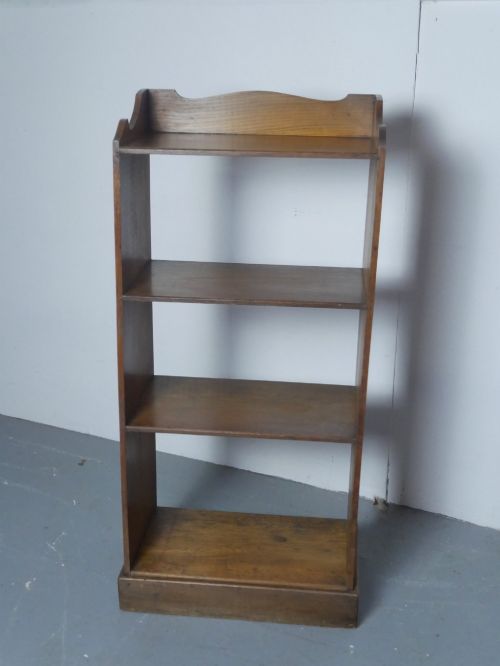
A tiered open bookcase provides multiple levels of horizontal shelving without enclosing doors, allowing books and objects to remain in plain view. These pieces appear across several periods, most commonly taking the form of Regency waterfall bookcases, Victorian walnut whatnots, and Edwardian oak open shelving units.
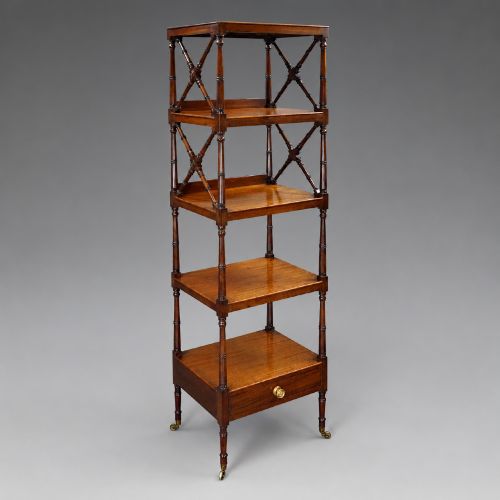
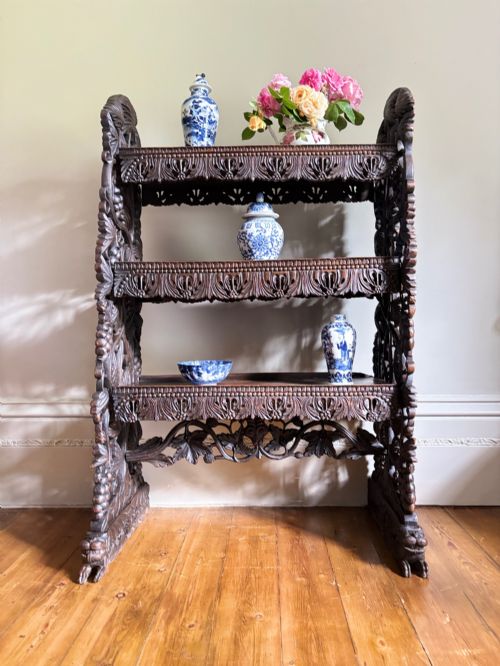
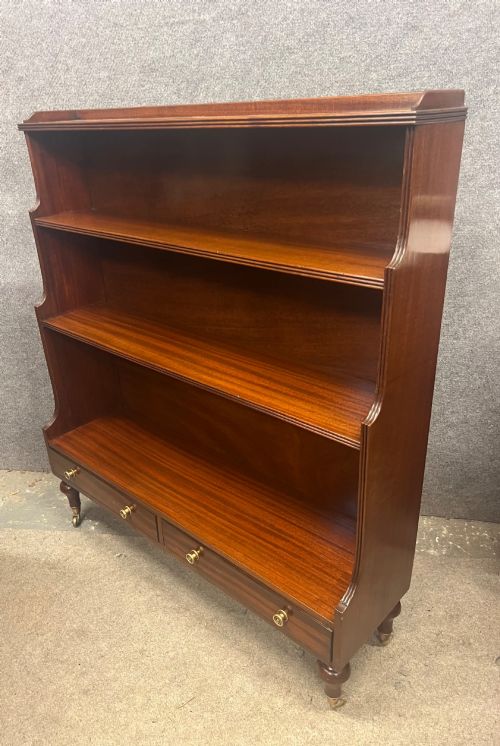
The format ranges from compact wall shelves and bamboo display units to substantial mahogany library bookcases standing on brass castors. Buyers encounter both graduated waterfall designs and uniform tiers, reflecting the diverse domestic requirements of the nineteenth and early twentieth centuries.
Examples span Georgian, Victorian, and Edwardian eras alongside Arts and Crafts interpretations and later Regency style reproductions. This variety ensures that a tiered open bookcase suits both period interiors and simpler rooms needing functional display space.
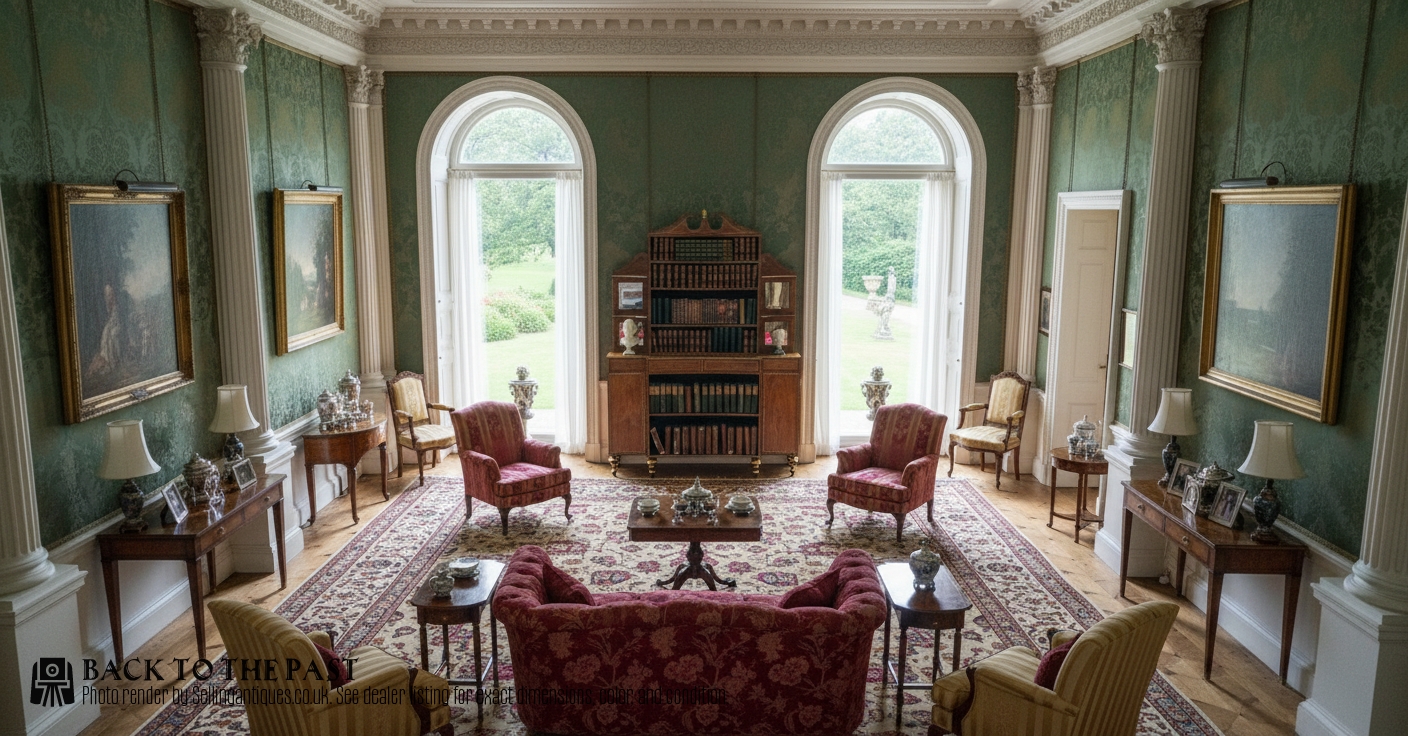
Materials and construction methods
Cabinetmakers constructed these pieces primarily in timber, employing mahogany, oak, walnut, burr walnut, rosewood, and pine. Finer examples utilise decorative veneers and elaborate inlays, while vernacular pieces rely on solid construction.
Structural details include turned legs, gilt metal mounts, brass castors, and graduated side supports characteristic of waterfall designs. Joinery varies from simple pegged construction in oak pieces to sophisticated cabinetwork featuring serpentine shapes and lacquered surfaces.
Tiered Open Bookcase Retail Price Guide 2026
Typical asking prices for tiered open bookcase among the pieces listed under this phrase on Sellingantiques today, from the lower quarter to the upper quarter. They describe what is for sale here now, not the wider market.
Listings for a tiered open bookcase span oak, mahogany, walnut, rosewood, pine, and brass across Georgian, Victorian, Edwardian, and Arts and Crafts periods.
Distinctions in quality and execution
The choice of timber dictates much of the visual character, with figured burr walnut, rosewood, and dense mahogany representing the higher tier of cabinetmaking. Simpler pine and basic oak pieces serve utilitarian functions with straightforward carpentry.
Execution shows in the refinement of turned supports, the crispness of applied mouldings, and the integration of brass castors or gilt mounts. Superior pieces maintain balanced proportions and careful jointing across every tier, whereas standard items display more basic assembly.
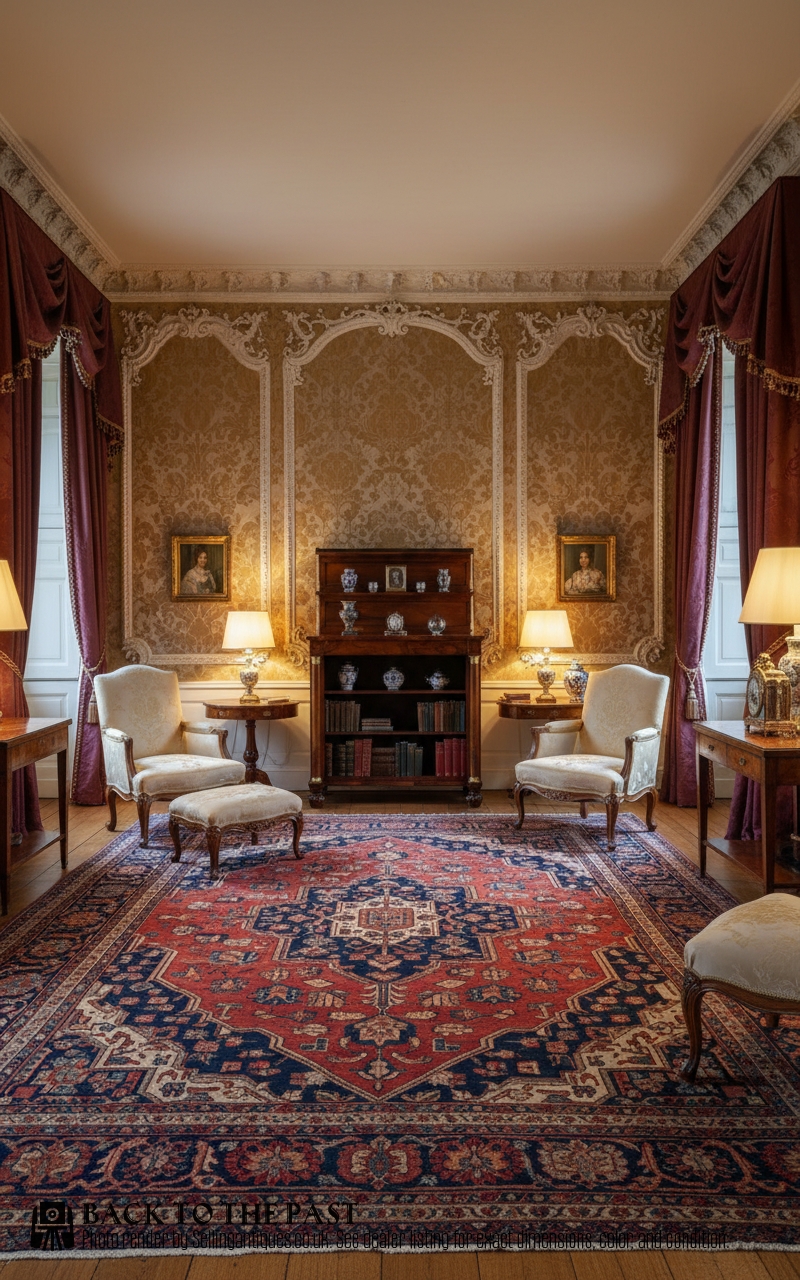
Heals
The Tiered Open Bookcase Glossary
- Waterfall bookcase
- A tiered shelving unit where each level steps back progressively from bottom to top, creating a cascading profile. This design gained popularity during the Regency period.
- Whatnot
- A movable set of open shelves used for displaying ornaments or books. Victorian versions frequently feature multiple tiers and turned columns.
- Etagere
- A piece of furniture consisting of a set of open shelves for displaying small objects. French examples often incorporate turned legs and decorative veneers.
- Dumb waiter
- A multi-tiered freestanding piece traditionally used for serving food but functioning similarly to shelving units. These pieces often feature graduated circular or square tiers.
- Serpentine
- A curved line with a convex centre flanked by concave sides. This shaping appears on the front edges of high-quality Victorian walnut cabinets and whatnots.
Tiered Open Bookcase: Frequently Asked Questions
What is a tiered open bookcase?
A tiered open bookcase is a shelving unit featuring multiple levels for books and display items without enclosing doors. These pieces use graduated or uniform tiers to hold volumes while keeping them easily accessible.
Designs range from tall Regency waterfall bookcases to compact Edwardian oak units and Victorian walnut whatnots. They serve as both functional book storage and decorative furniture for the home.
How do I style a tiered open bookcase?
Styling an open bookcase involves balancing books with decorative objects, framed photographs, and ceramics across the available shelves. Grouping volumes vertically and horizontally creates visual variety within each tier.
Because these pieces lack doors, consider the surrounding room colour and ensure items do not overcrowd the graduated shelves. Placing smaller objects on upper tiers maintains correct visual weight.
How do I tell a Regency bookcase from a Victorian one?
Regency bookcases often feature lighter timbers such as rosewood and mahogany, sometimes employing waterfall steps or brass gallery rails. Their lines tend to reflect classical restraint and neat proportions.
Victorian pieces frequently utilise darker woods, burr walnut veneers, serpentine shapes, and richer carvings or gilt mounts. Examining the timber choice and decorative details usually reveals the period of manufacture.
Where should I place a tiered open bookcase?
These bookcases suit living rooms, studies, and hallways where accessible book storage or display space is required. Petite chiffoniers and wall shelves fit smaller wall spaces.
Freestanding models on castors can move between rooms easily, though they require stable placement away from direct heat sources to protect the antique wood and veneer.