
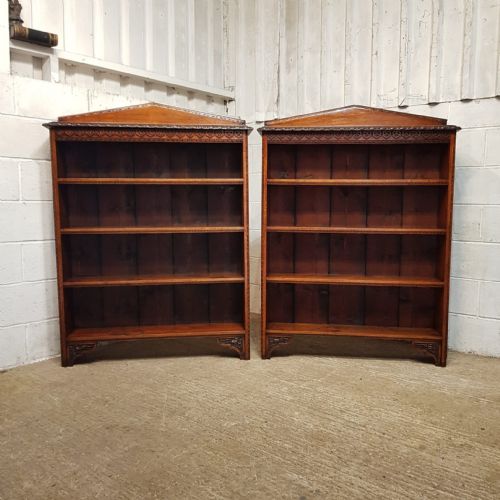
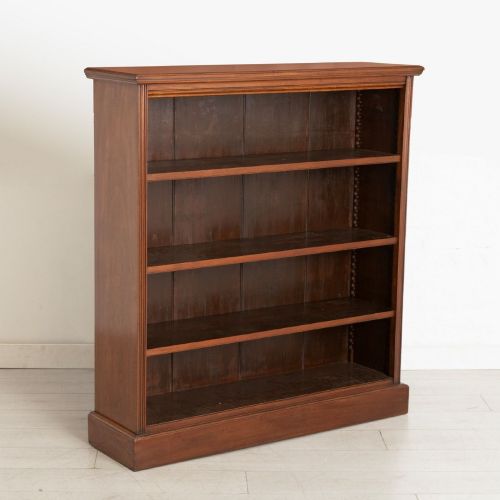

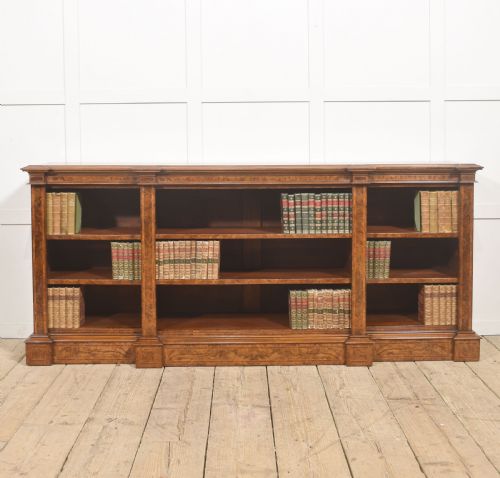
Victorian Open Front Bookcase
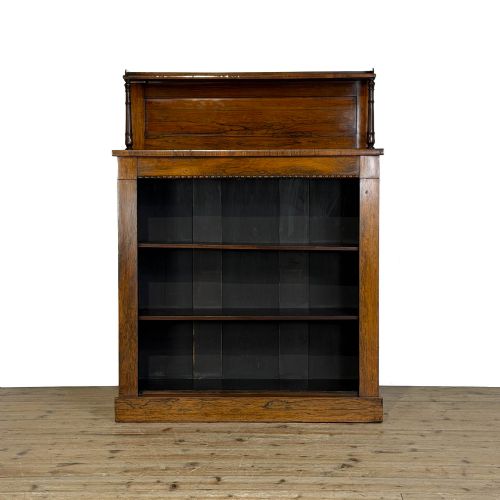
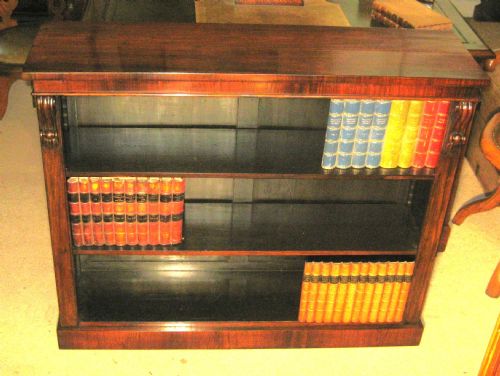
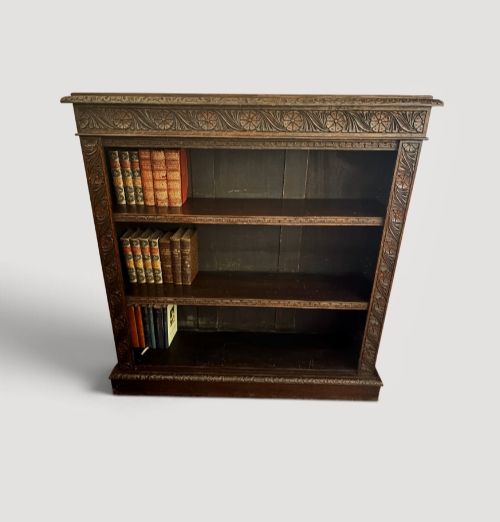
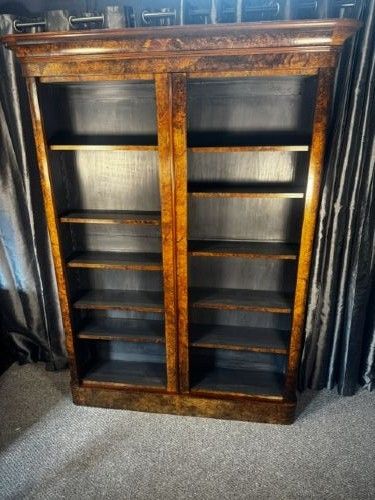
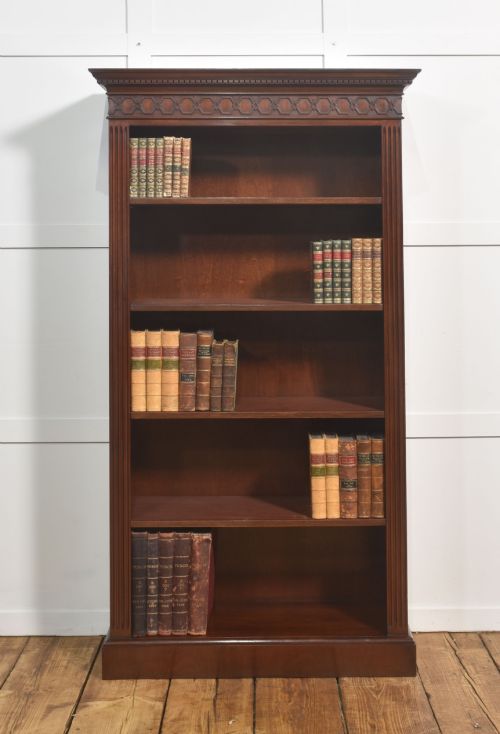
A victorian open front bookcase offers immediate access to a collection while anchoring a room with substantial timber and proportion.
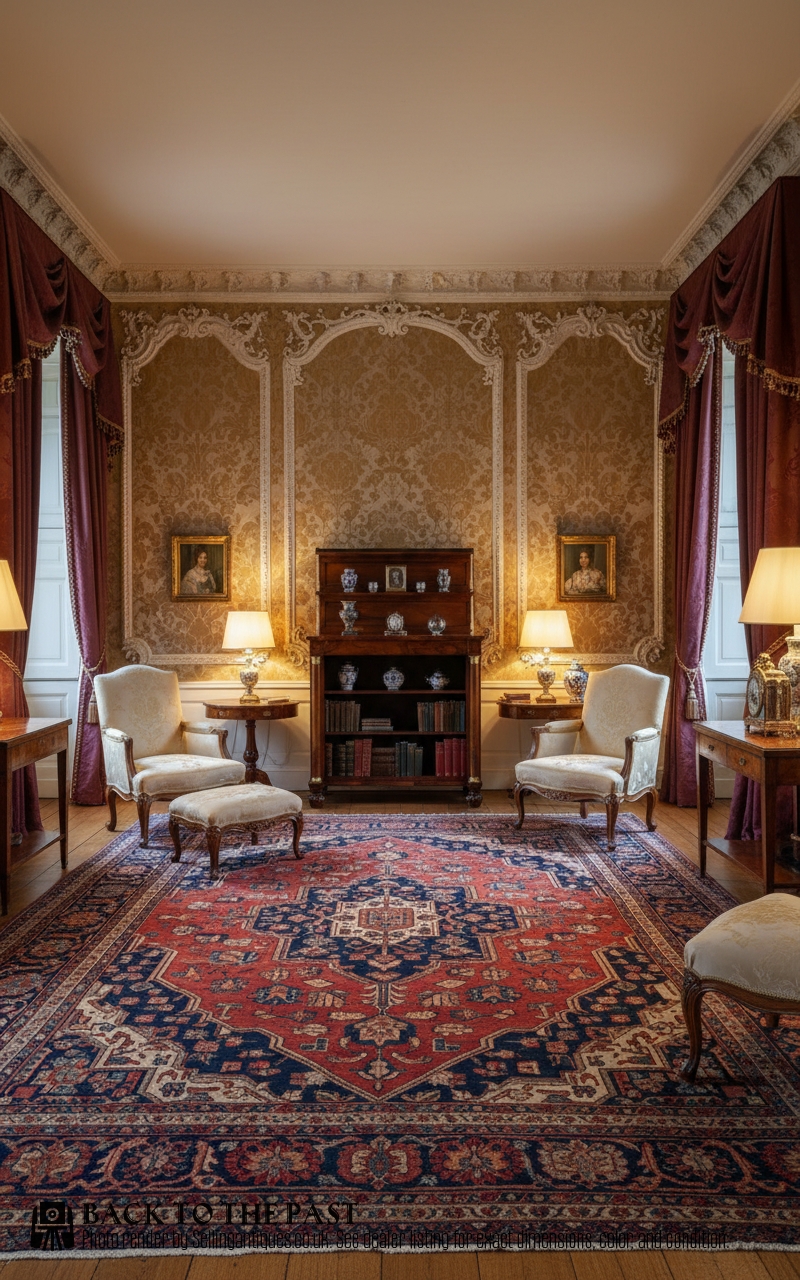
Victorian Open Front Bookcase
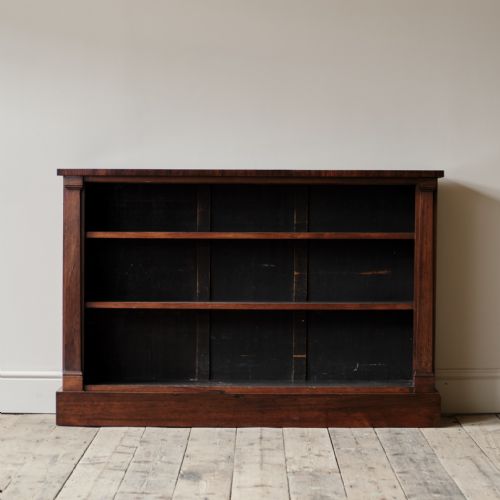
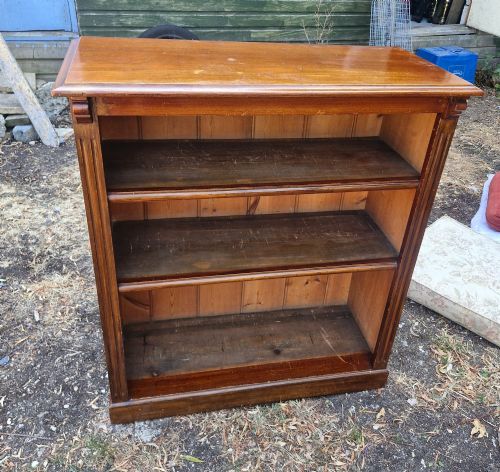
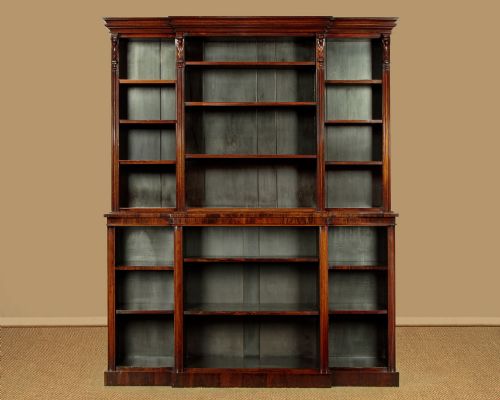
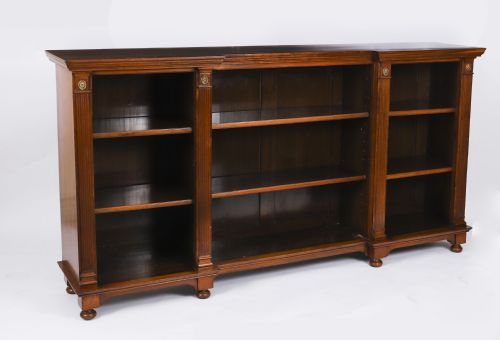
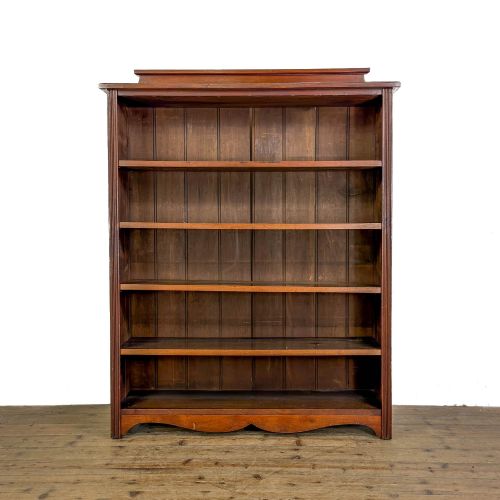
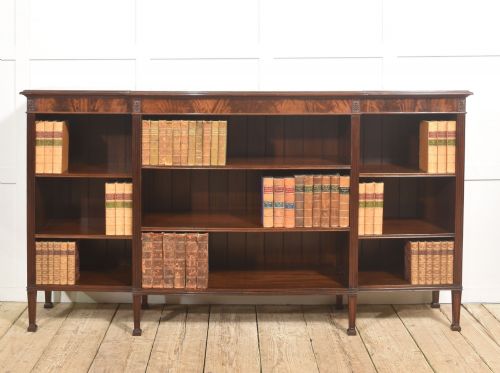
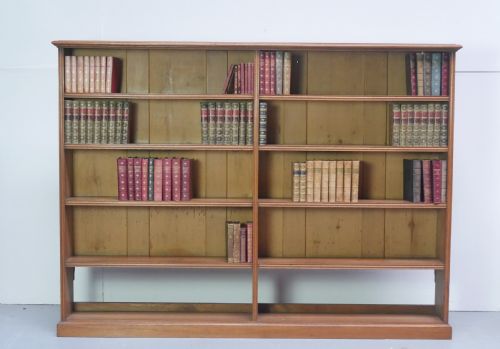
A victorian open front bookcase is a utilitarian yet handsome piece of furniture designed for displaying libraries without the barrier of glass doors. These pieces range from modest, single-bay units intended for parlours to grand, multi-section breakfront formats built for country house libraries.
The versions most frequently met on this page date from the mid to late 19th century, constructed primarily in rich timbers such as mahogany, walnut, and rosewood. They often feature adjustable shelving to accommodate varying octavos and folios, making them as practical for modern domestic use as they were for their original owners.
How They Were Made
Cabinet makers utilised dense hardwoods including Spanish mahogany, oak, and walnut, often selecting figured veneers like burr walnut, pollard oak, and birdseye maple for principal display surfaces. Carved friezes, barley twist columns, and boxwood marquetry inlay appear on more elaborate examples, while simpler utilitarian iterations rely on clean lines and sound joinery.
Internal engineering focused on utility, employing ratchet systems or wooden slots to allow simple adjustment of shelf heights. Larger formats were frequently built in multiple sections or two parts to ease transport and placement in substantial rooms.
Periods represented range from early Victorian iterations through to late 19th-century Renaissance Revival designs.
What Varies in Quality
The distinction between standard utility furniture and the finest examples rests on timber selection and decorative restraint. Superior pieces display continuous, highly figured grain patterns across the breakfront facade, complemented by crisp carving, ormolu mounts, and fine boxwood inlay rather than mechanical repetition.
Structural thoughtfulness also dictates grade, separating heavy, rigid carcases from well-proportioned libraries that incorporate integrated plinths, robust internal shelving supports, and sound backing timbers that prevent distortion over decades of holding heavy volumes.
S&H Jewell·Sir Charles Barry
The Victorian Open Front Bookcase Glossary
- Breakfront
- A cabinet design where the central section projects forward from the flanking wings. This configuration creates architectural depth and visual weight in larger library rooms.
- Adjustable shelves
- Shelving supported by moveable wooden bearers or metal ratchets rather than fixed dados. This mechanism allows the owner to alter shelf heights for different book sizes.
- Burr walnut
- Timber taken from the warted excrescences of a walnut tree, yielding highly swirling, complex grain patterns. It is sliced into thin veneers for decorative cabinet fronts.
- Frieze
- The broad horizontal band situated directly beneath the top cornice of the bookcase. It often displays carved details, applied mouldings, or contrasting wood inlays.
- Spanish mahogany
- A dense, dark, durable timber prized by 19th-century cabinet makers for its stability and deep reddish-brown tone. It was frequently imported for high-grade library furniture.
Victorian Open Front Bookcase: Frequently Asked Questions
Are the shelves adjustable on these bookcases?
Many examples include functional adjustable shelving systems, utilising traditional wooden bearers or slotted uprights to alter shelf heights as needed.
Buyers should check individual listings to confirm whether the original mechanism remains intact and operational.
What rooms suit a breakfront bookcase?
Breakfront bookcases require substantial wall space and work best in principal reception rooms, studies, or dedicated home libraries where their width and depth can be fully appreciated.
Their projecting central section adds architectural presence that anchors large, high-ceilinged interiors.
How do I identify a mid-Victorian piece?
Mid-Victorian furniture often displays dense tropical hardwoods like mahogany and rosewood, combined with sturdy construction and restrained classical detailing.
Proportions during this era tended to favour solid utility paired with refined cabinet work before the heavier revival styles emerged towards the end of the century.
Can these hold heavy modern books?
Solid timber construction and sturdy internal uprights allow these pieces to support substantial modern volumes without shelf sag.
Original adjustable timber shelves provide reliable strength, though spacing should be arranged thoughtfully for very heavy folios.