

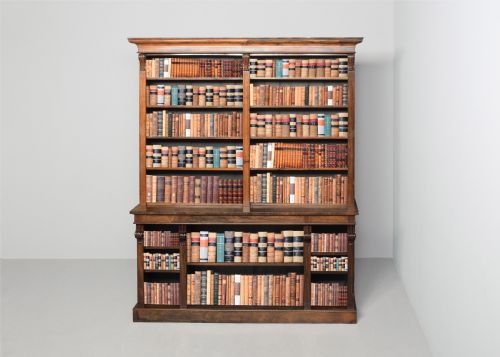
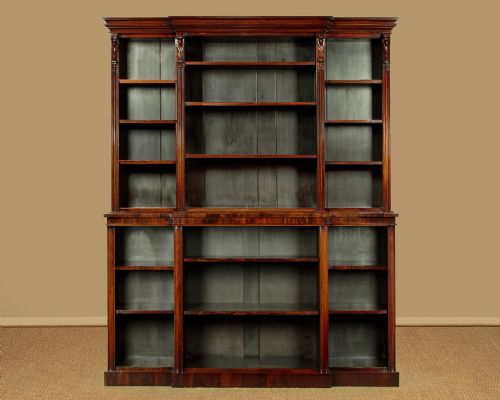


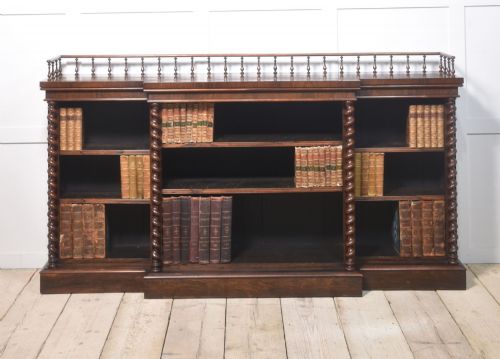


Rosewood Library Bookcase
A rosewood library bookcase brings rich dark grain and adjustable shelving to a study, built across the Regency and Victorian periods.
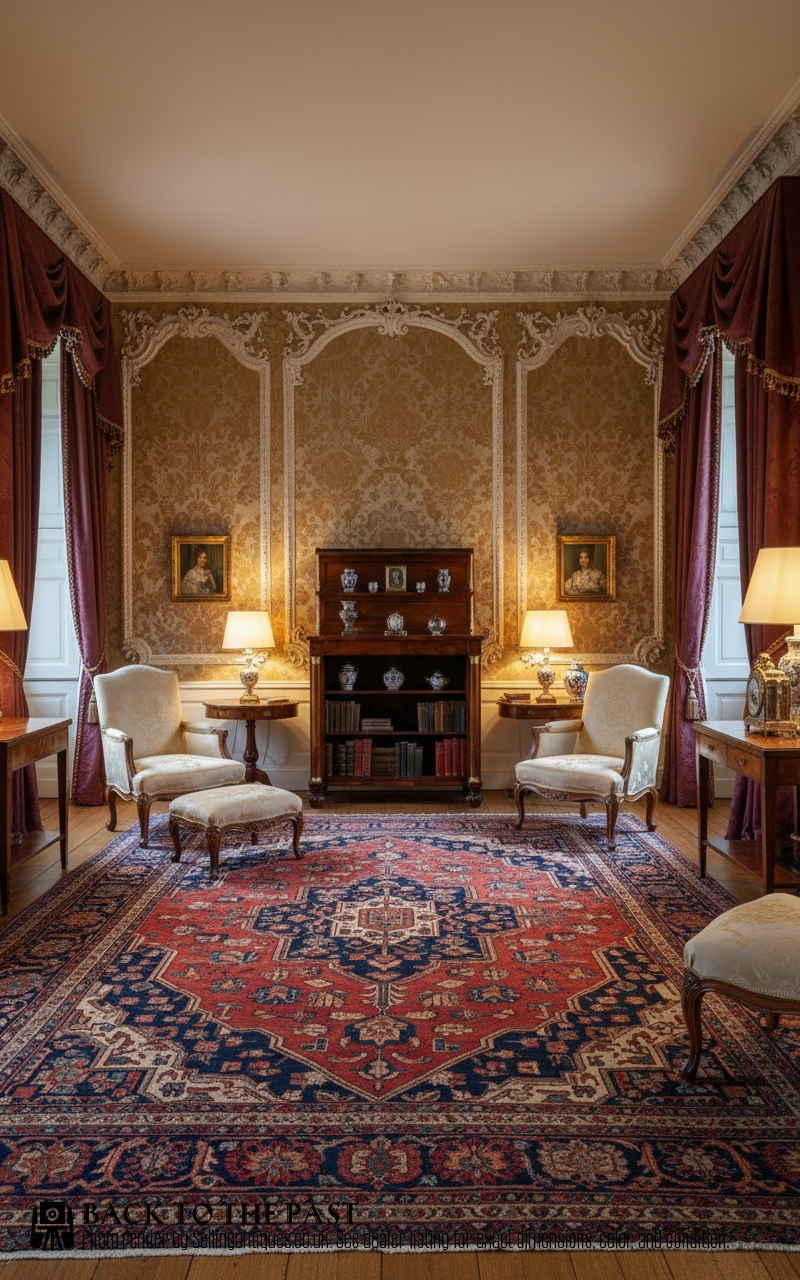
Rosewood Library Bookcase
When you search for a rosewood library bookcase, you encounter pieces designed to hold volumes in formal rooms during the nineteenth century. These items span styles from Regency and George IV to Victorian and Edwardian, reflecting shifting tastes in domestic interiors over decades.
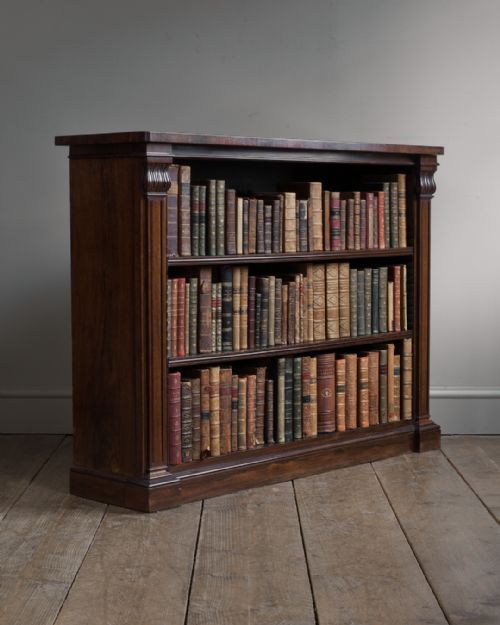
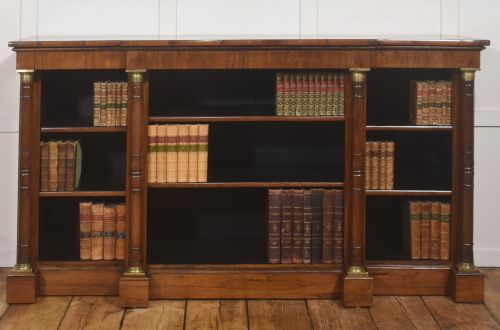
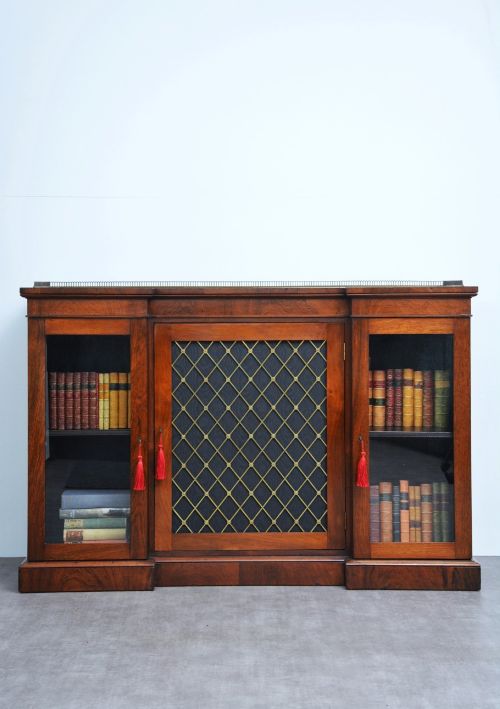
The version you are most likely to meet on this page is an open bookcase or a low breakfront model with adjustable shelves. Pieces emerge from periods such as the 1830s and 1850s, sometimes showing brass inlay, carved corbels, or glazed doors.
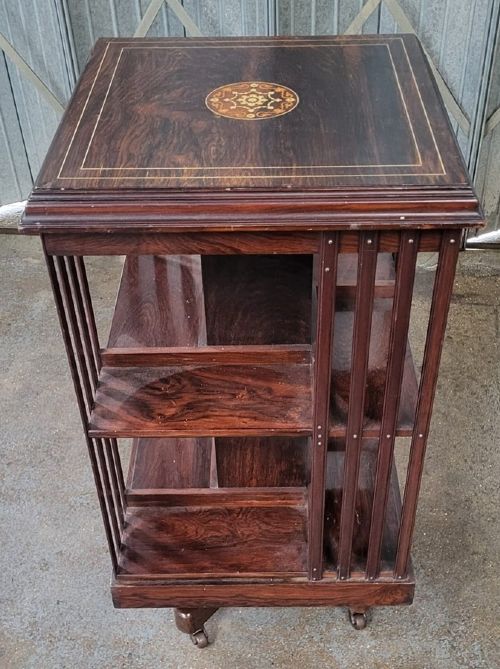
Makers occasionally included firms like Gillows, though many pieces remain unsigned workshop productions. Forms range from low double-sided bookcases and revolving shelves to tall cabinets fitted with glass panels or storage cupboards below.
How they were made
Cabinetmakers constructed the carcase using solid rosewood or pine carcasses faced with figured rosewood veneers. Secondary timbers such as oak and pine appear inside drawer linings and backing boards, while boxwood inlay provides contrasting geometric detail.
Metalwork played a structural and decorative role, with brass used for adjustable shelf strips, inlaid stringing lines, and protective grilles on glazed doors. Leather is found on related library tables, and marble tops occasionally surface on side cabinets.
Rosewood Library Bookcase Retail Price Guide 2026
Typical asking prices for rosewood library bookcase among the pieces listed under this phrase on Sellingantiques today, from the lower quarter to the upper quarter. They describe what is for sale here now, not the wider market.
Some revolving bookcases let you spin your entire library with a gentle nudge while sitting in an armchair.
What varies in quality
The standard of a library bookcase rests upon the selection of timber veneers and the crispness of carved details like corbels or mouldings. Highly figured grain patterns carefully matched across breakfront doors distinguish finer cabinetwork from simpler workshop output.
Structural integrity and original mechanics, such as smooth-functioning adjustable brass shelf racks and stable plinth bases, separate superior examples from heavily altered or restored items.
Gillows
The Rosewood Library Bookcase Glossary
- Breakfront
- A cabinet design where the central section projects forward from the flanking wings. This architectural form creates depth and shadow across large library pieces.
- Corbel
- A projecting bracket carved from wood, often placed beneath the shelf cornices of mid nineteenth century furniture to support weight and provide ornamentation.
- Adjustable shelves
- Shelving resting on movable pegs or metal rack strips that allow the interior height to change. This practical mechanism appears frequently in nineteenth century library bookcases.
- Simulated rosewood
- Painted or stained grain applied to a more common secondary timber to imitate exotic rosewood. Artisans utilised this technique during the Regency and William IV eras.
- Whatnot
- A set of open shelves supported by slender pillars, designed for holding books or decorative objects. These multi-tiered items frequently date from the Regency and Victorian periods.
Rosewood Library Bookcase: Frequently Asked Questions
How do I adjust the shelves?
Most period library bookcases use wooden support pegs or vertical brass rack strips inset into the interior sides. You simply lift the shelf and reposition the brass clips into alternative slots.
Older mechanisms require care to avoid damaging the surrounding veneer inside the bookcase lining.
Were these always meant for books?
While intended primarily for bound volumes in libraries and studies, many examples served wider display purposes. Cabinets with glazed doors or lower cupboards housed ceramics, papers, and collection items alongside literature.
Low open formats allowed books to sit within reach beneath window heights in reception rooms.
How should I care for rosewood?
Keep rosewood furniture away from direct sunlight and steady heat sources to prevent the timber and veneer from drying out. Dust regularly with a dry cloth and apply occasional specialist wax polish to maintain the finish.
Avoid excessive moisture on the polished surfaces and leather inserts.
How do I tell Regency from Victorian pieces?
Regency pieces often display restrained classical lines, brass inlay, and rosewood grain accented by boxwood stringing. They date from the early nineteenth century around the 1800s to 1830s.
Victorian items tend to feature heavier proportions, carved corbels, and darker finishes reflecting mid nineteenth century manufacturing methods.