


Regency Waterfall Shelves
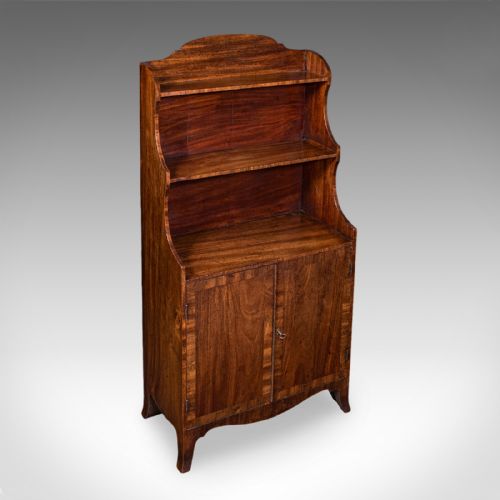
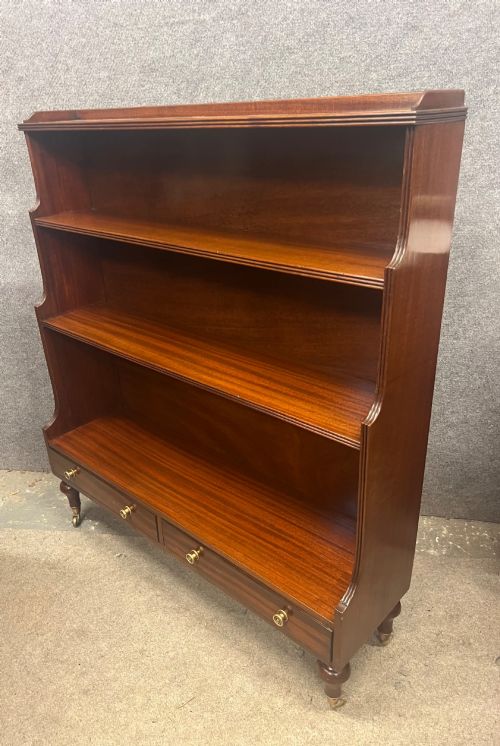
Regency waterfall shelves bring tiered elegance and practical display to any room, offering graduated tiers that descend with architectural grace.
Regency Waterfall Shelves
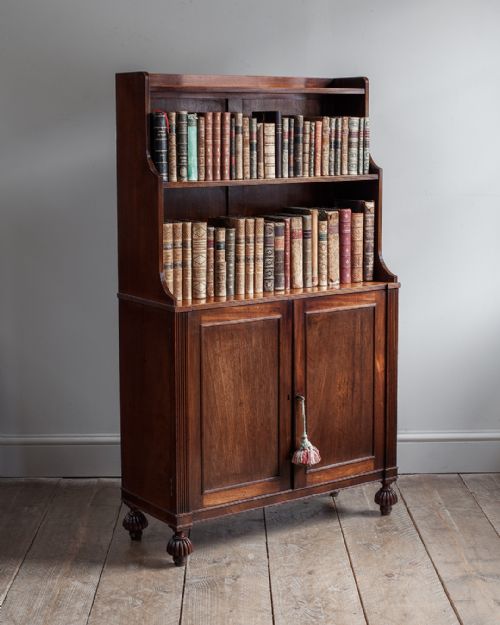
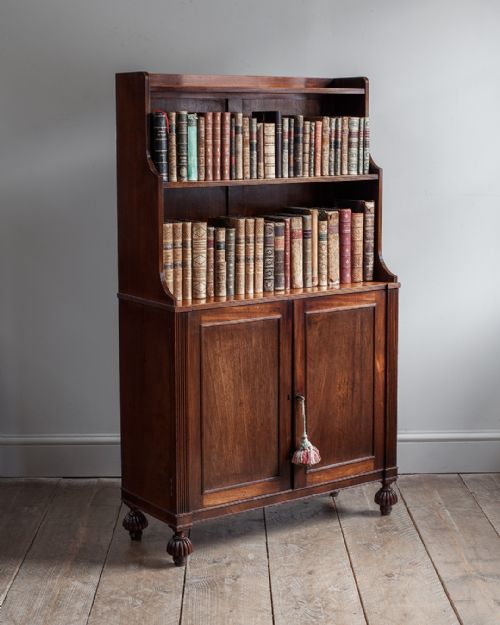
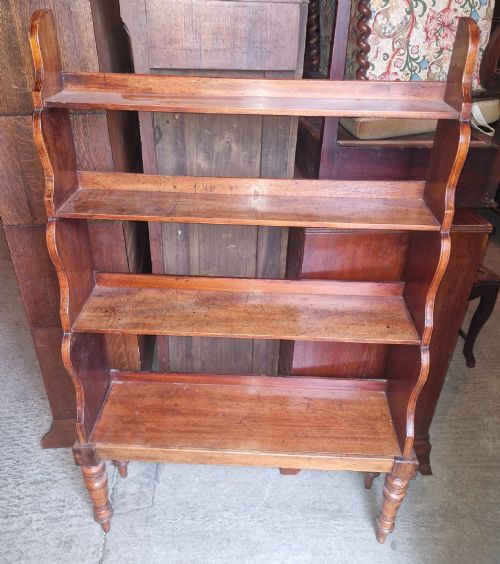
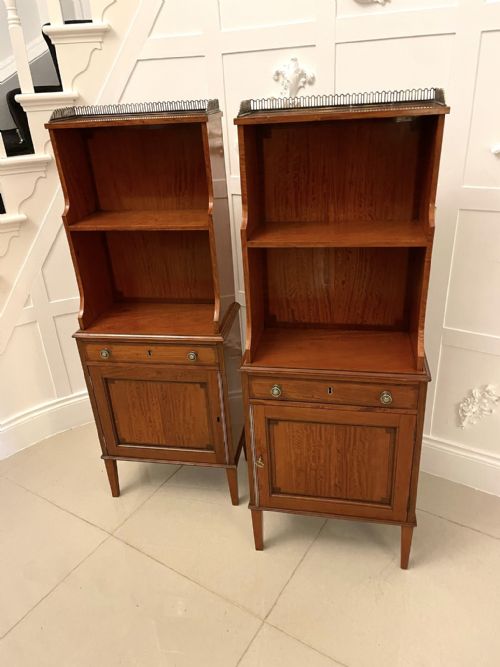
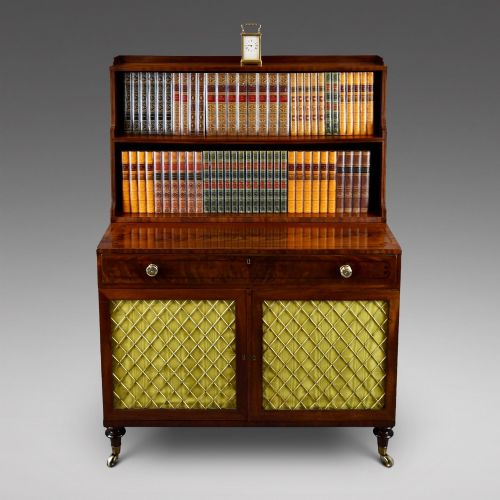
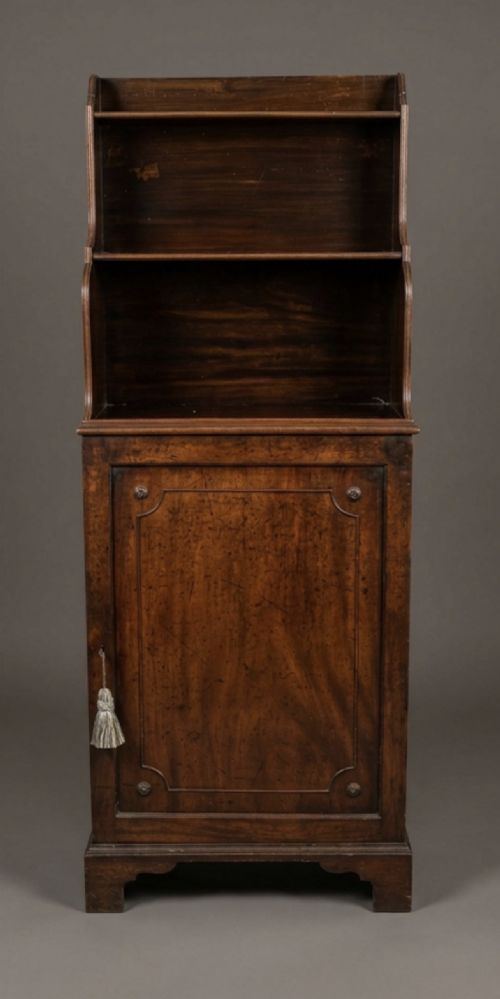
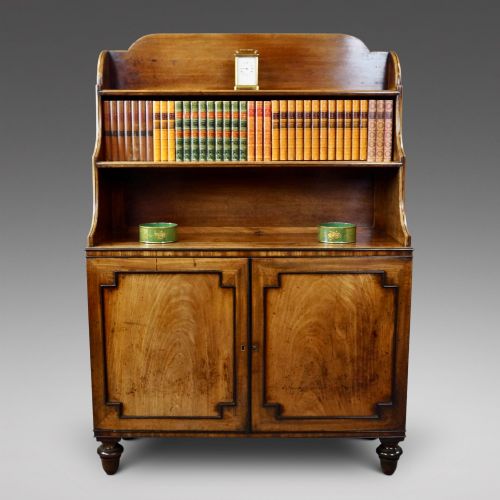
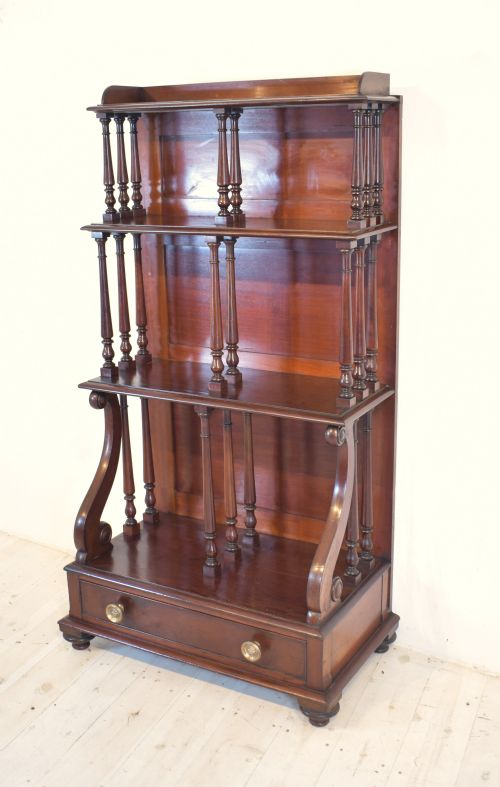
When you search for regency waterfall shelves, you are looking at tiered storage furniture designed with graduated tiers that step back as they rise. The pieces appearing here span the nineteenth century alongside later revivals, offering both freestanding formats and wall-mounted variations.
The primary forms take shape as open bookcases, dwarf units, and chiffoniers with cupboard bases. Mahogany dominates the examples, complemented by rosewood, satinwood, and painted finishes.
Most entries belong to the wider Regency and Georgian periods, while revival pieces from the early twentieth century also feature. Buyers typically find open shelving arrangements paired occasionally with lower enclosed cabinets or mirrored backs.
Materials and construction
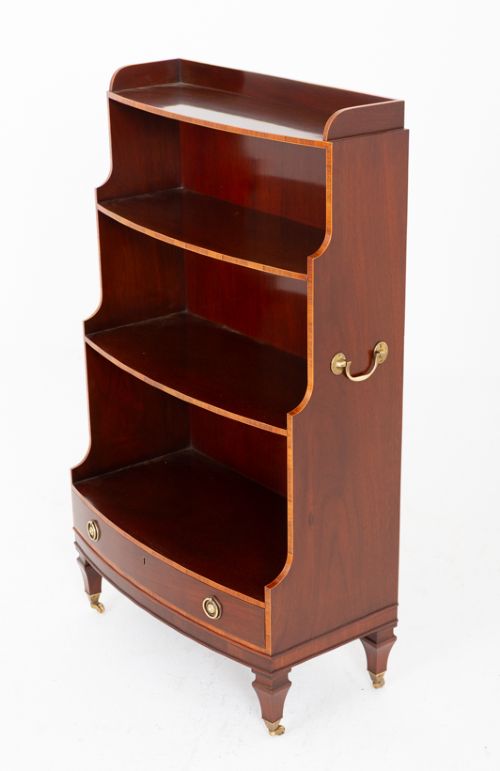
Cabinetmakers utilised solid timbers and selected veneers, frequently employing mahogany, rosewood, and flame mahogany across the tiers. Contrast crossbanding, boxwood stringing, and brass inlays accent the joinery on finer examples.
Structural integrity relies on graduated vertical uprights that support descending horizontal shelves, sometimes incorporating gallery rails or lower cupboards. Freestanding versions balance weight distribution carefully to prevent tipping along the stepped profile.
Listings feature mahogany, rosewood, satinwood, and yew wood alongside painted and grained finishes.
Markers of distinction
The distinction between standard items and superior examples lies in timber selection and decorative detail. Grain matching across the graduated tiers and precise inlay work elevate the overall execution.
Proportion and scale dictate the visual success of the stepped shelving, where balanced proportions separate disciplined period joinery from simpler production.
Gillows
The Regency Waterfall Shelves Glossary
- Waterfall bookcase
- A set of open shelves stepped in width or depth, where each level is wider than the one directly above it. This form emerged during the Regency period for displaying books and decorative objects.
- Crossbanding
- A narrow strip of veneer laid across the grain of the primary timber along the edge of a shelf or panel. This decorative border creates contrast and frames the surface.
- Boxwood stringing
- A thin line of light-coloured wood inlaid into a contrasting darker timber to create geometric outlines. It is typical of finer cabinetwork from the Georgian and Regency eras.
- Dwarf bookcase
- A low shelving unit designed to sit below dado height, keeping sightlines open across a room. These pieces often incorporate graduated upper tiers.
- Chiffonier
- A low cabinet featuring shelving above an enclosed cupboard base, serving both display and storage functions. They frequently appear in rosewood or mahogany.
Regency Waterfall Shelves: Frequently Asked Questions
What are waterfall shelves?
Waterfall shelves are tiered storage units where each level steps back from the one below it, creating a cascading profile.
They were designed primarily to hold books and display decorative items while occupying minimal floor space.
How were they used?
These pieces served as functional libraries in reception rooms and parlours, keeping volumes organised within easy reach.
The graduated tiers allowed smaller books or ornaments to sit on top with larger folios housed on the deeper lower shelves.
How do I date a piece?
Dating relies on timber choices, secondary woods, and decorative motifs such as brass inlay or crossbanding.
Period pieces from the early nineteenth century show traditional hand-cut joinery, while twentieth-century revivals exhibit later manufacturing signatures.
Where should I place them?
Freestanding formats suit studies and living rooms where they can anchor a wall or function as room dividers.
Wall-mounted versions require secure fixing to support the weight of timber and books safely.