





Tibetan Deity Sculpture
These tibetan deity sculpture pieces are sacred metal and wood figures embodying Buddhist power, chosen for their ritual presence and artistic depth.
Tibetan Deity Sculpture
A tibetan deity sculpture represents enlightened beings, bodhisattvas, and fierce protectors originating from Himalayan and Sino-Tibetan traditions. These devotional pieces range from intimate shrine statues to substantial figures created for monastic or domestic worship.
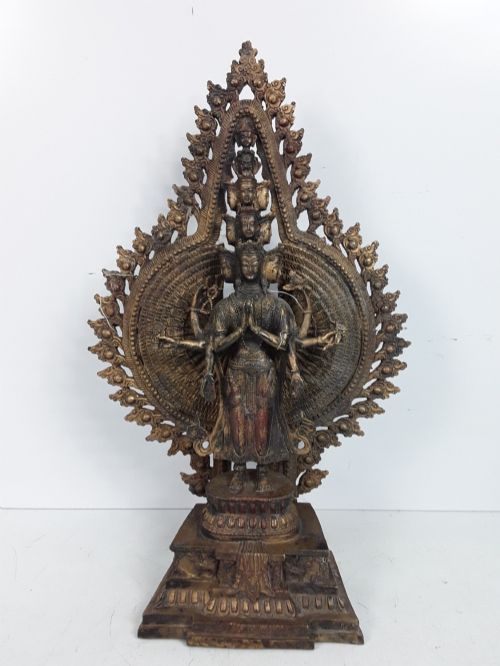
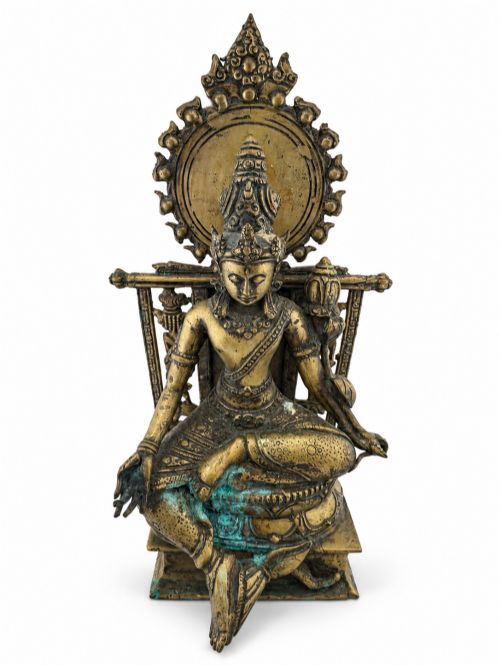
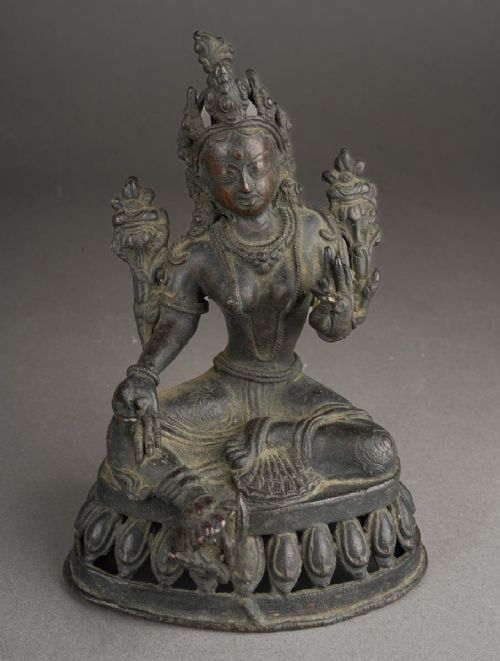
The selections span centuries of Buddhist art, with examples emerging from the seventeenth century through to the early twentieth century. Common forms depict figures such as Tara, Avalokiteshvara, Manjushri, and Vajrakilaya in seated or standing postures.
Makers produced these works within distinct regional aesthetics, encompassing Tibetan, Nepalese, and Sino-Tibetan styles. Collectors encounter both refined gilt metal commissions and simpler folk art interpretations rendered in wood.
How They Were Made
Artisans employed bronze, copper alloy, and gilt metal to cast these figures, often utilising lost-wax techniques to achieve intricate detail. Gilding applied to the surfaces imparted a radiant finish signifying spiritual purity.
Tibetan Deity Sculpture Retail Price Guide 2026
Typical asking prices for tibetan deity sculpture among the pieces listed under this phrase on Sellingantiques today, from the lower quarter to the upper quarter. They describe what is for sale here now, not the wider market.
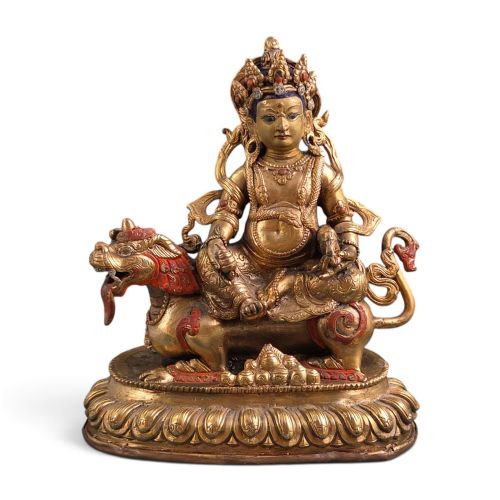
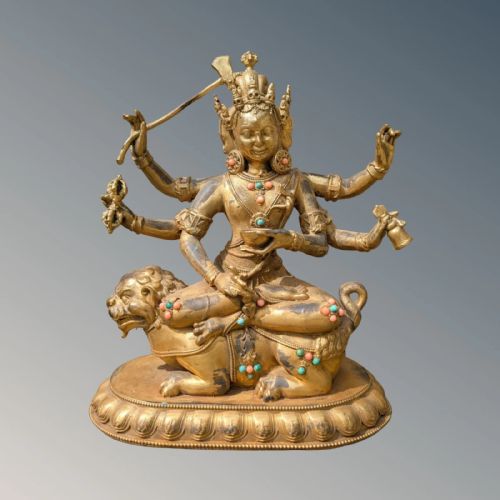
Several figures sit atop unusual mounts, including a lion and a multi-armed posture.
What Varies In Quality
The preservation of original surface treatments, including fire gilding and cold-painted pigments, dictates the historical integrity of a piece. Finer works retain their integrated mineral inlays and secure base plates.
The Tibetan Deity Sculpture Glossary
- Gilt Bronze
- Metal alloy coated with a layer of gold, providing a durable and lustrous surface that resists tarnishing. This technique was favoured for significant ritual statues.
- Bodhisattva
- An enlightened being who defers nirvana to assist others along the spiritual path. These figures appear frequently in Himalayan art adorned with princely ornaments.
- Polychrome
- Painted in several colours, typically applied over a gesso or wood ground. This surface treatment brings life to carved statues and folk art figures.
- Sino-Tibetan
- A stylistic classification describing works produced under the influence of both Chinese imperial workshops and Tibetan Buddhist iconography. These pieces often combine ornate casting with distinct regional attributes.
- Turquoise
- A blue-green opaque mineral used extensively for inlay work on ritual implements and deity sculptures. It adds vibrant contrast to the surrounding metal surfaces.
Tibetan Deity Sculpture: Frequently Asked Questions
How were these statues used?
Devotees utilised these sculptures as focal points for meditation, prayer, and ritual offerings within monastic and household settings. They helped practitioners visualise complex spiritual states and invoke protective energies.
Offerings of light, water, and incense accompanied the daily rituals performed before the altar figures. The presence of the deity brought blessings and protection to the surrounding space.
How do I tell periods apart?
Distinguishing periods relies on evaluating casting techniques, stylistic nuances, and the wear patterns on gilding and pigments. Earlier works often display heavier casting and more integrated ritual patination.
Twentieth-century pieces can exhibit different surface finishes and tool marks compared to seventeenth or eighteenth-century examples. Comparing stylistic details against established regional canons clarifies the timeline.
How do I live with them?
Integrating these sculptures into an interior involves placing them on stable surfaces away from direct sunlight and moisture fluctuations. Proper placement respects the cultural and religious origins of the pieces.
Minimal maintenance is required beyond gentle dusting with a soft brush. Allowing the natural patina to remain preserves the historical character of the metal.