



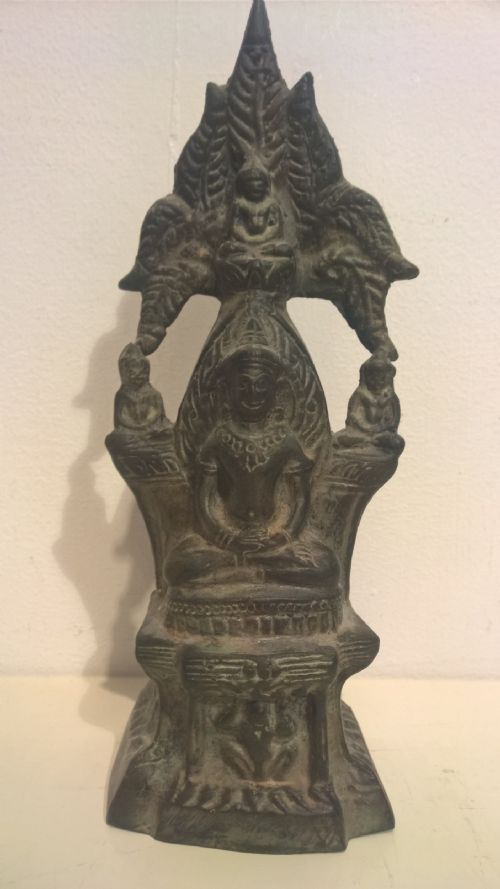

Asian Altar Figure
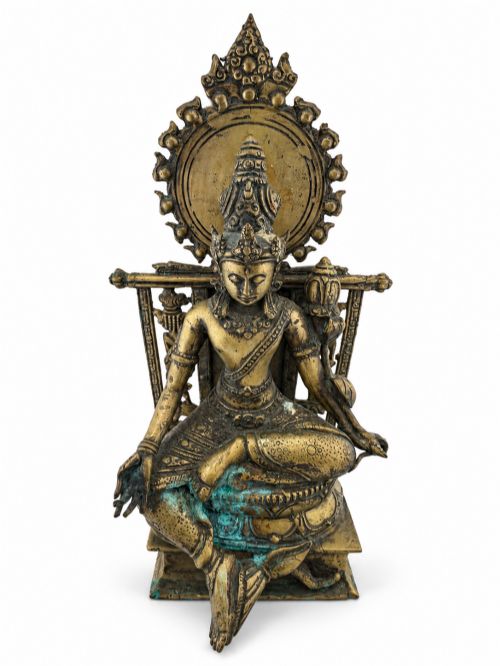
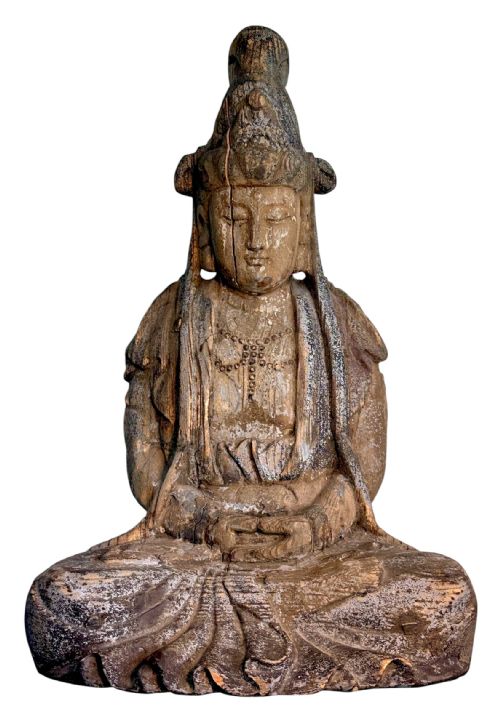
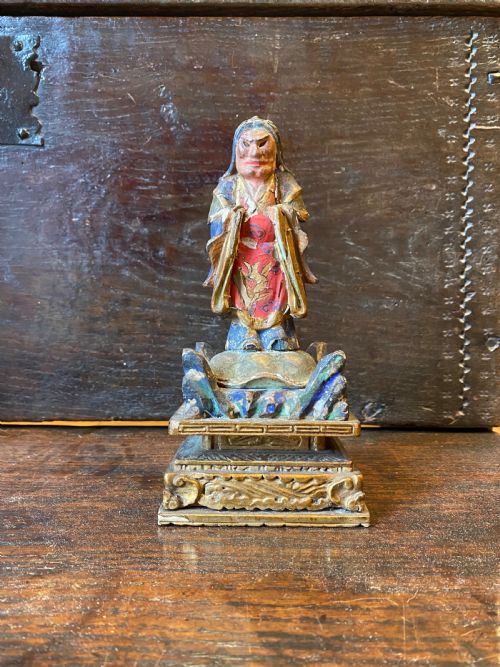
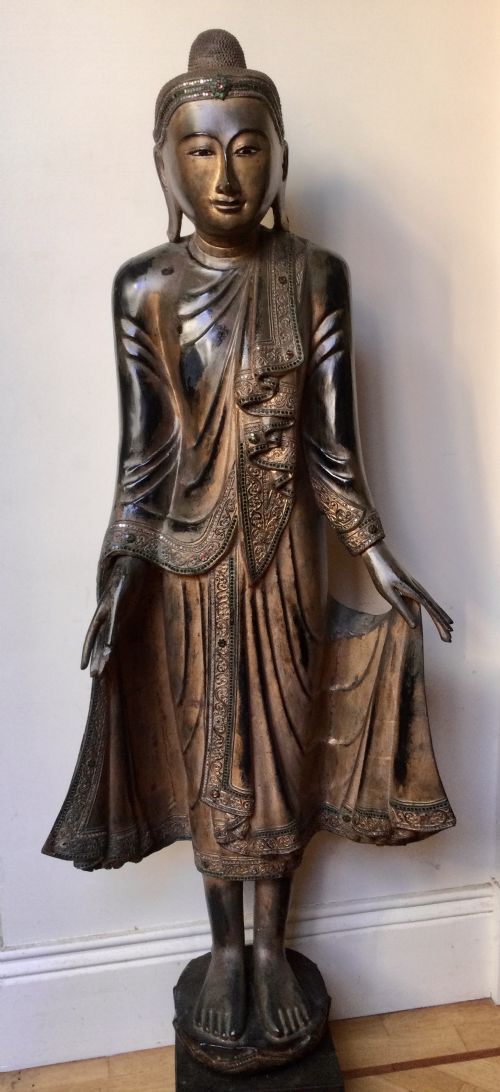
An Asian altar figure brings quiet devotion into a room, taking the form of cast bronze deities and carved wooden Buddhas meant for sacred spaces.
Asian Altar Figure
An Asian altar figure encompasses sacred sculptures and temple icons originating from various traditions across the continent, designed for personal shrines and devotional spaces. When you browse this selection, you encounter religious statues representing figures such as the Buddha, Green Tara, and Avalokiteshvara in diverse forms.
The objects span multiple centuries, with pieces appearing from the eighteenth, nineteenth, and early twentieth centuries, alongside Edwardian and Victorian interpretations. You meet both solid cast metal figures and carved wooden statues, reflecting regional practices from Tibet, Nepal, Thailand, and wider Southeast Asia.
How they were made
Maker workshops produced these figures using traditional metal casting techniques, primarily working with bronze, copper alloy, and brass to form durable statues. Artisans also utilised timber, carving wooden figures that frequently received surface treatments such as lacquer, gold leaf, or gilding.
Decorative detailing on these pieces often incorporated glass inlay to accent eyes, crowns, or vestments, adding visual depth to the metal and wood surfaces. Skilled hands shaped each icon following strict iconographic rules specific to its religious tradition and region of origin.
Current listings feature materials ranging from bronze and copper alloy to carved wood, lacquer, glass inlay, and gold leaf.
What varies in quality
The refinement of the carving or casting defines the distinction between standard utilitarian temple pieces and superior examples created for major monastic centres. Fine chisel work, well-defined facial expressions, and balanced proportions reveal the hand of a master artisan rather than mass production.
The preservation of original surface finishes, such as intact gilding, gold leaf, and traditional lacquer, significantly elevates the integrity of an altar figure. Patination earned through centuries of ritual handling also marks the difference between a revered object and a later reproduction.
The Asian Altar Figure Glossary
- Bronze
- A copper and tin alloy prized for its strength and suitability for detailed lost-wax casting. This metal forms the primary material for many enduring religious statues.
- Gilt wood
- Timber treated with a thin layer of gold leaf or gold paint applied to the surface. This technique illuminates temple sculptures under dim altar lighting.
- Avalokiteshvara
- A revered bodhisattva who embodies the compassion of all Buddhas. Depictions of this deity appear frequently in Himalayan and East Asian shrine art.
- Green Tara
- A female meditation deity in Tibetan Buddhism associated with protection and enlightened activity. Statues of this figure often show her seated with one leg extended.
- Lost-wax casting
- A metalworking process where a molten metal is poured into a mould that has been created by means of a wax model. This method allows for intricate sculptural detail.
Asian Altar Figure: Frequently Asked Questions
What is an Asian altar figure?
An Asian altar figure is a devotional sculpture created for use in temples, household shrines, or monasteries across Asia. These pieces represent various religious deities and spiritual figures intended to inspire contemplation.
They take the form of metal statues, carved wooden Buddhas, and temple icons originating from traditions such as Buddhism and Hinduism in regions including Tibet, Thailand, and Nepal.
How were these figures used?
Devotees placed these figures upon household or temple altars to serve as focal points for prayer, meditation, and offerings. They acted as physical representations of divine presence within sacred spaces.
Monks and practitioners interacted with these icons daily, tending to shrines with butter lamps, incense, and chants while seeking spiritual merit and protection.
How do I live with an altar figure?
Living with an altar figure involves placing the sculpture in a calm, respectful location within your home where its sculptural qualities can be appreciated. Many collectors display them on dedicated shelves, sideboards, or mantelpieces.
Protect the piece from direct sunlight and excessive humidity to preserve delicate materials like wood, lacquer, and gold leaf over time.
How do I tell periods apart?
Distinguishing periods relies on observing material characteristics, tool marks, and stylistic conventions associated with specific eras like the Qing Dynasty or the Victorian period. Eighteenth-century bronzes often display deep patination and hand-finished casting details unique to their era.
Later nineteenth and early twentieth-century pieces reflect changing trade networks and regional manufacturing methods, while Edwardian or Victorian pieces show how Western collectors engaged with Asian art.