
Vintage Oriental Statue
A vintage oriental statue brings centuries of Asian craftsmanship and distinct regional symbolism directly into your living space.
Vintage Oriental Statue
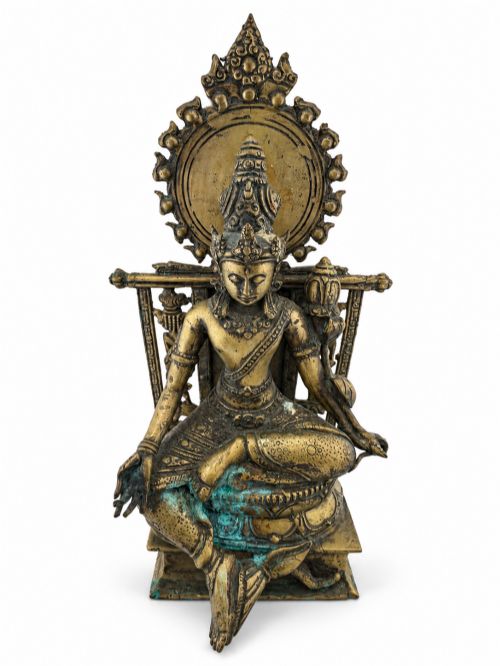
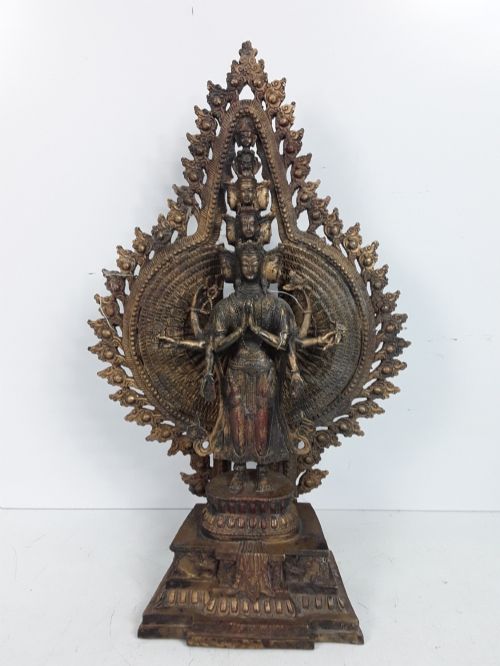
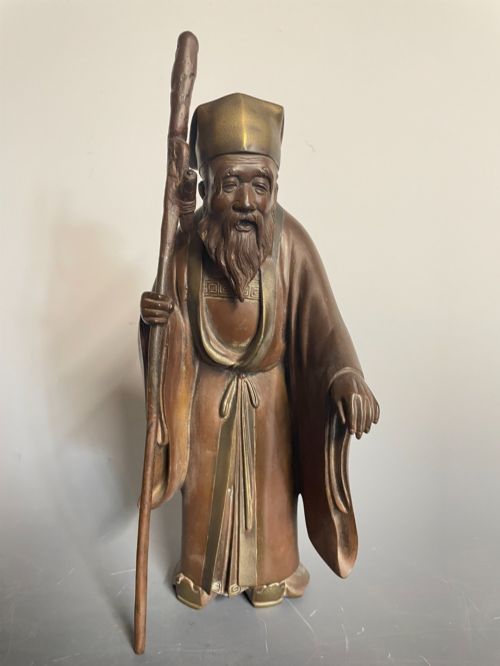
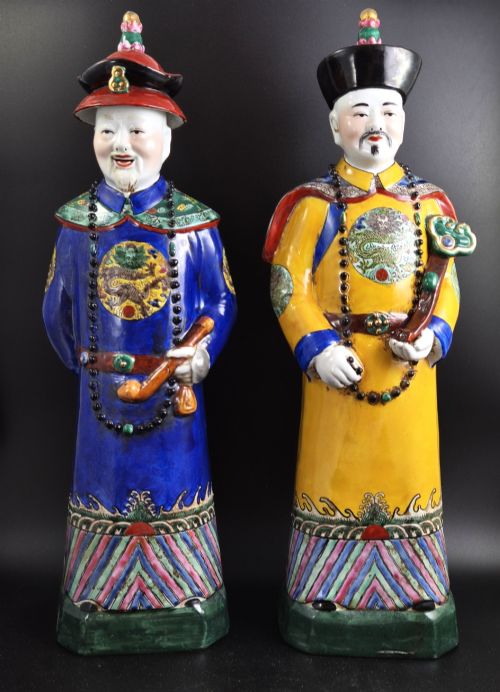
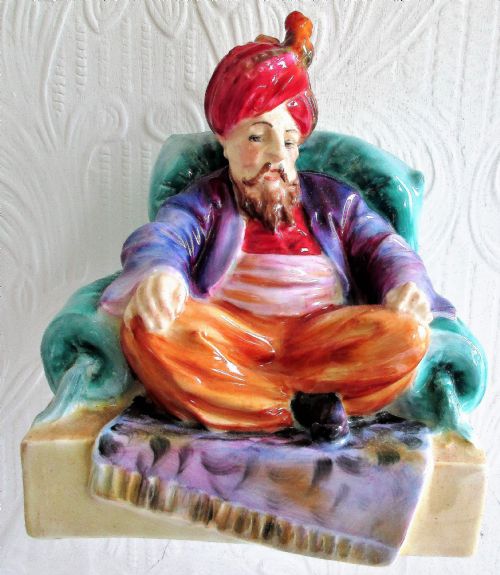
When you search for a vintage oriental statue, you encounter a diverse array of figural works spanning the eighteenth century through to the early twentieth century. These objects include cast bronze deities, hand-carved hardwood figures, and glazed porcelain sculptures originating from China, Japan, Tibet, and India.
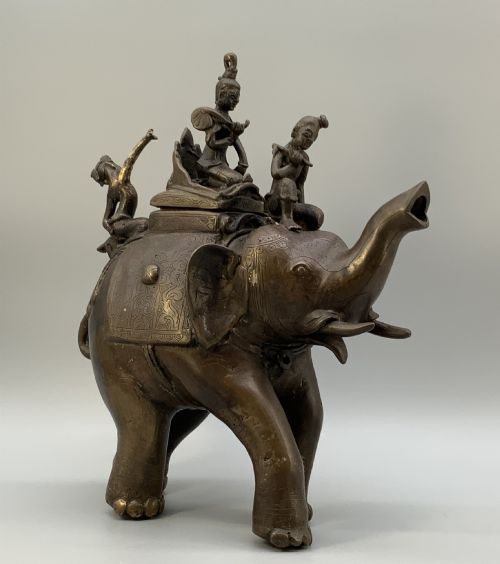
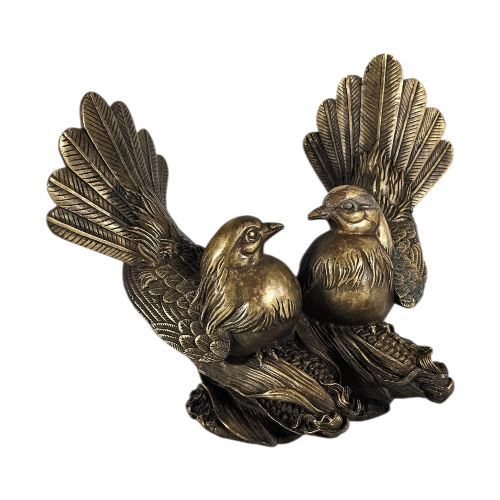
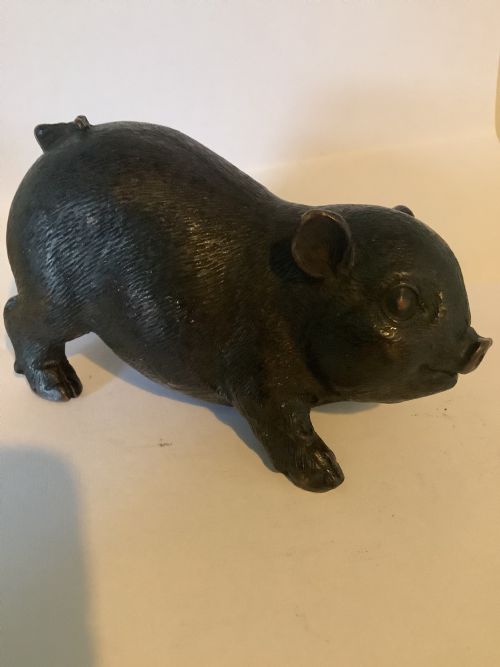
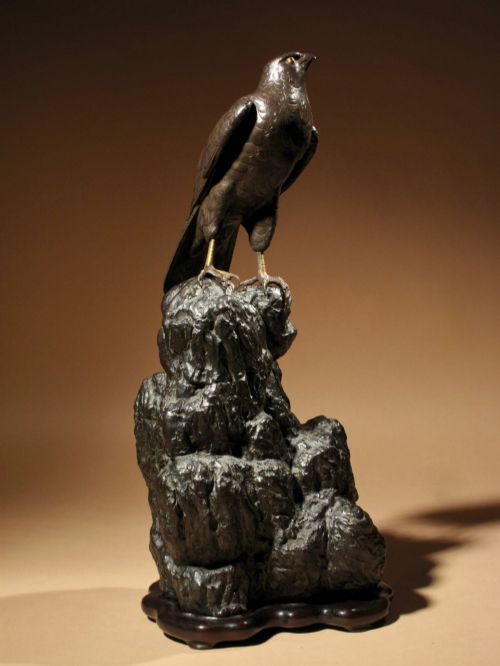
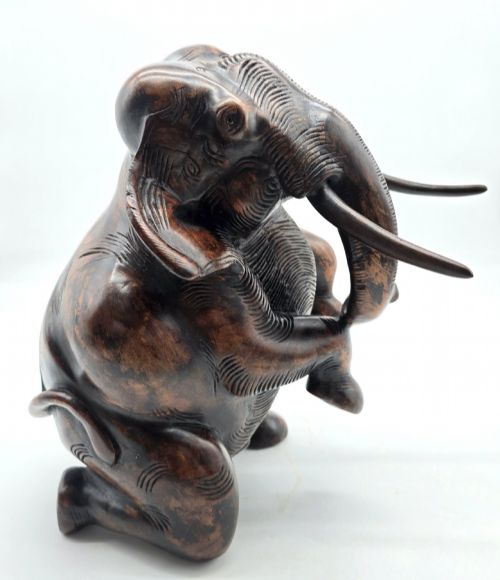
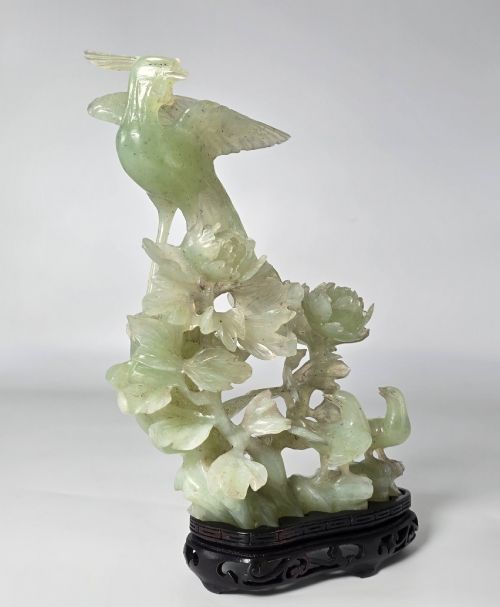
The selections on this page range from religious icons such as Buddhist deities and Bodhidharma figures to secular animal studies, including elephants, horses, and birds. You will find works reflecting traditional periods like the Qing Dynasty and the Meiji period, alongside folk art carvings and decorative animal groups.
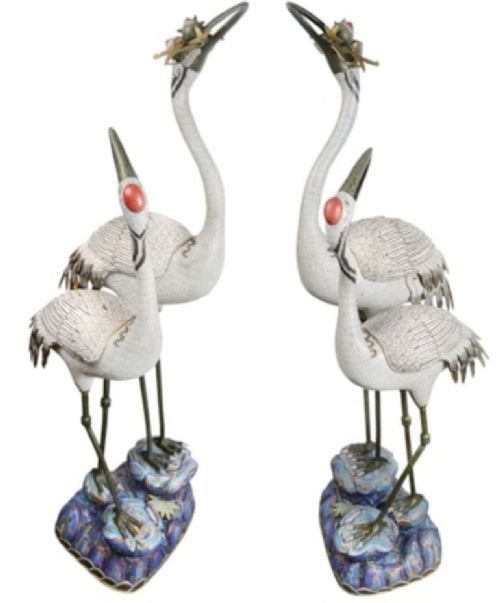
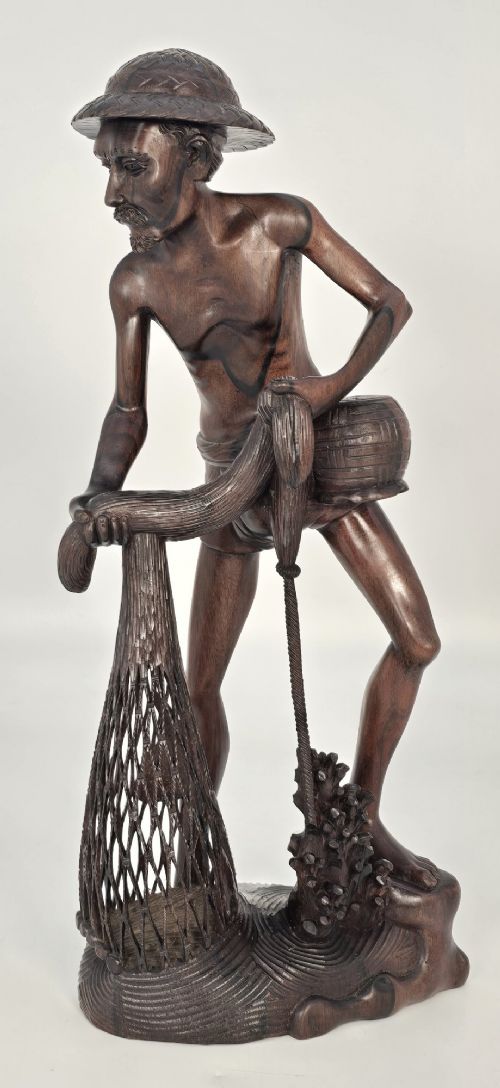
Form and scale vary considerably, from small cabinet bronzes to large floor-standing figures and pairs of cranes or horses. Each piece serves primarily as a decorative sculpture or a cultural artefact, capturing human daily life, mythology, and regional fauna.
Materials and Methods
Bronze casting forms a significant portion of these works, often utilising lost-wax techniques to achieve intricate detail in figures like elephants and religious deities, sometimes enhanced with fine surface engraving. Foundries in regions such as Tokyo produced refined metal sculptures with distinct patination.
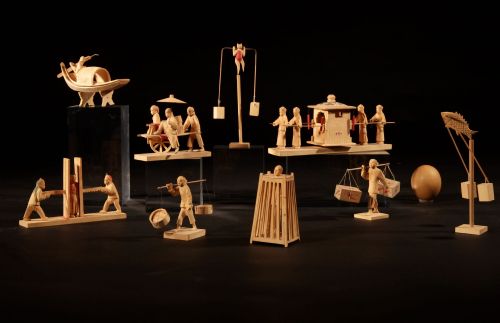
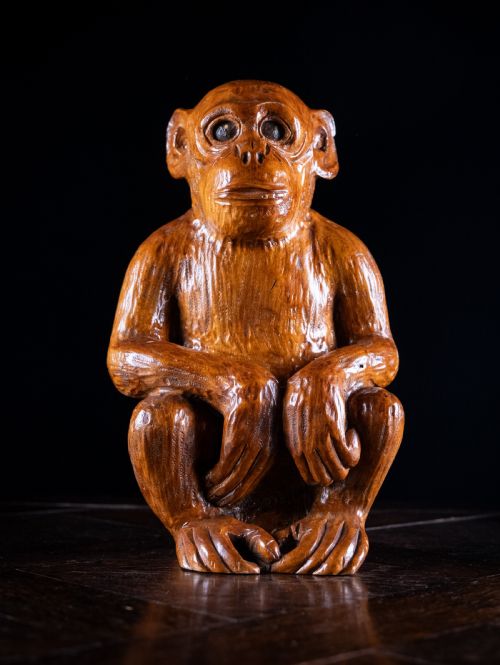
Carved wood is equally prevalent, employing dense hardwoods, boxwood, and lacquered timber shaped with hand chisels. Artisans utilised the natural grain of boxwood and hardwood to impart texture to figures of humans, deities, and animals like bears and monkeys.
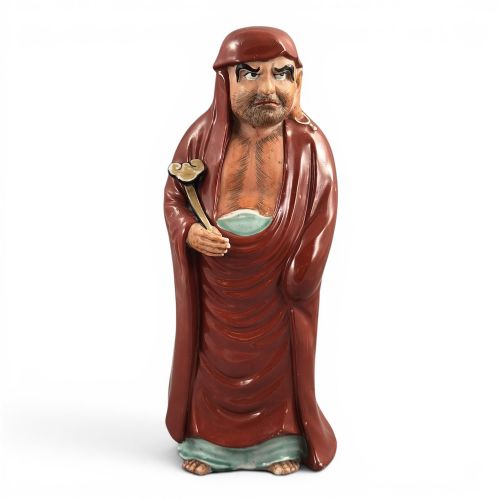
Ceramic and porcelain pieces demonstrate specialised glazing and firing techniques, including Sancai glazes, cloisonné enamel work applied to metal bases, and pale green celadon finishes. Stoneware and alabaster also appear, showcasing regional sculpting traditions across Asia and Europe.
A stoic stone frog manages to oversee proceedings with ancient indifference.
Assessing Craftsmanship
The choice of material and the sophistication of the finish dictate the standing of a piece. Fine patination on bronzes, precise cloisonné enamel placement, and the skillful use of timber grain in hardwood carvings separate masterworks from standard production pieces.
Sakai Kōzan
The Vintage Oriental Statue Glossary
- Meiji Period
- A era in Japanese history lasting from 1868 to 1912 characterised by extensive artistic production and international export of metalwork and ivory. Pieces from this time often show exceptional technical mastery.
- Qing Dynasty
- The final imperial dynasty of China, ruling from 1644 until 1912. Works from this era frequently employ traditional imperial motifs, specific reign marks, and refined porcelain glazes.
- Cloisonné
- An enamelwork technique where metal wire is soldered to a metal base to form compartments filled with paste and fired. This method creates colourful, patterned surfaces often seen on decorative bird and animal figures.
- Okimono
- A Japanese traditional freestanding ornament intended for display in a household alcove or room. These decorative sculptures typically depict animals, people, or legendary figures.
- Bodhidharma
- A Buddhist monk who lived during the sixth century and transmitted Chan Buddhism to China. He is frequently depicted in ceramic and wood figures with a prominent beard and intense expression.
- Sancai
- A type of ceramic glaze using three colours, traditionally amber, green, and creamy white, famously utilised during the Tang dynasty. Later figures often revive this distinctive tri-colour aesthetic.
Vintage Oriental Statue: Frequently Asked Questions
How do I clean a bronze statue?
Dust bronze sculptures gently with a soft, dry brush to prevent the accumulation of dirt in recessed engravings. Avoid using water, soap, or chemical polishes, as these can strip the historical patina.
For stubborn dust, use a microfibre cloth and ensure the surface remains completely dry afterwards. Preserving the natural oxidation protects the metal surface over time.
Where should I display a wooden carving?
Position wooden sculptures away from direct sunlight and strong heat sources to prevent the material from drying out and cracking. Stable indoor humidity levels help maintain the integrity of aged hardwoods and lacquered surfaces.
Ensure the piece rests on a flat, secure surface where it will not be knocked. Placing them on dedicated stands or mantels highlights their detailed carving work.
What is the difference between an okimono and a netsuke?
An okimono is a standalone decorative sculpture designed solely for display on a shelf or in an alcove. They are generally larger and do not feature the cord holes found on functional attire accessories.
Netsuke, by contrast, are small toggles used to secure pouches or baskets to traditional Japanese garments. Okimono focus entirely on sculptural presence rather than wearability.