


Tibetan Bronze Statue
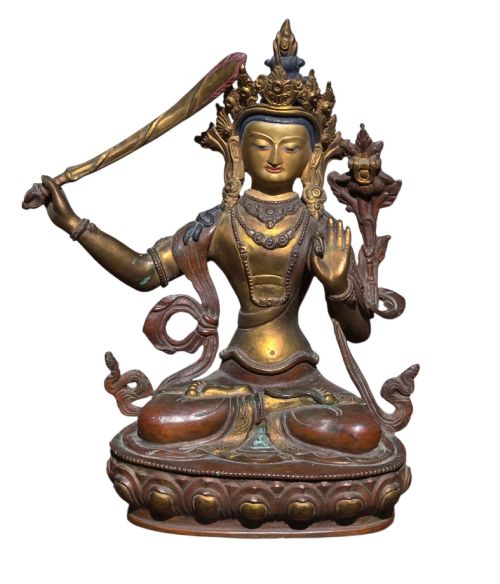
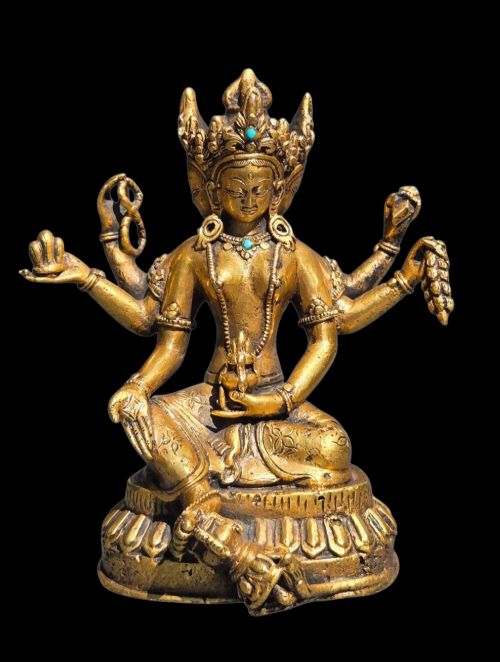
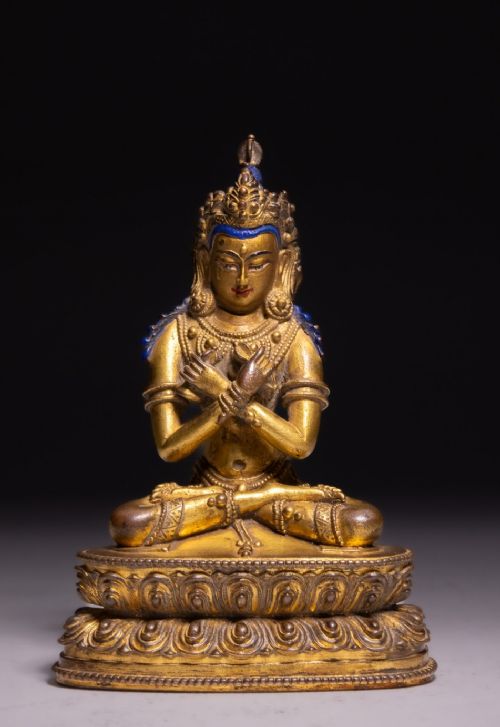
A tibetan bronze statue brings centuries of Himalayan devotion into a room, cast in heavy metal and often finished with fine gilding.
Tibetan Bronze Statue
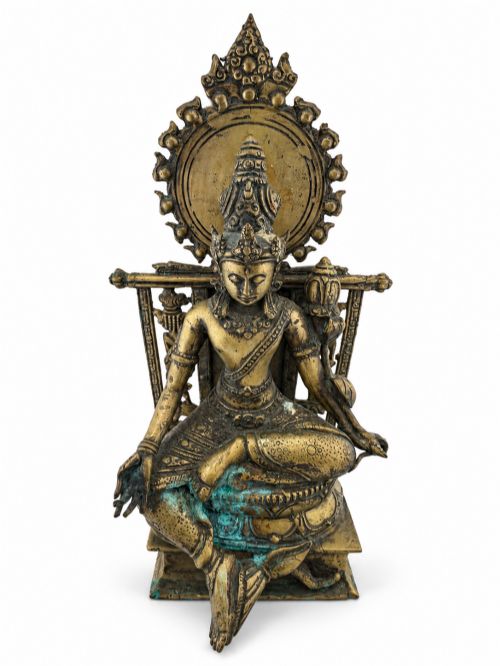
When you search for a tibetan bronze statue, you encounter sacred figures rooted in Buddhist art, ranging from peaceful deities to protective temple lions.
The pieces on this page span several centuries, with nineteenth-century examples and earlier seventeenth-century sculptures appearing alongside Sino-Tibetan and Nepalese works.
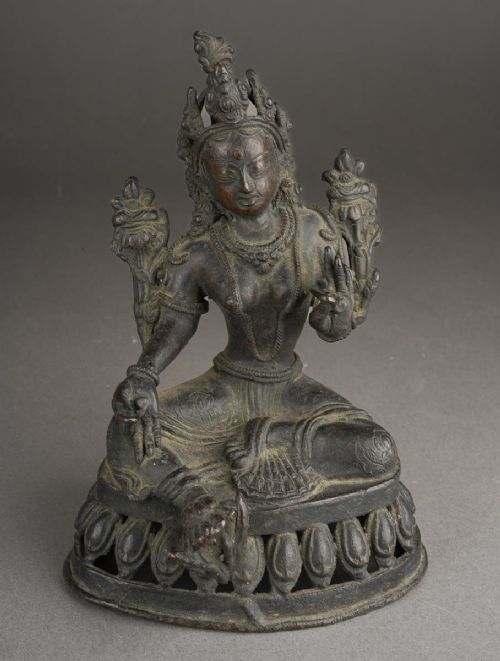
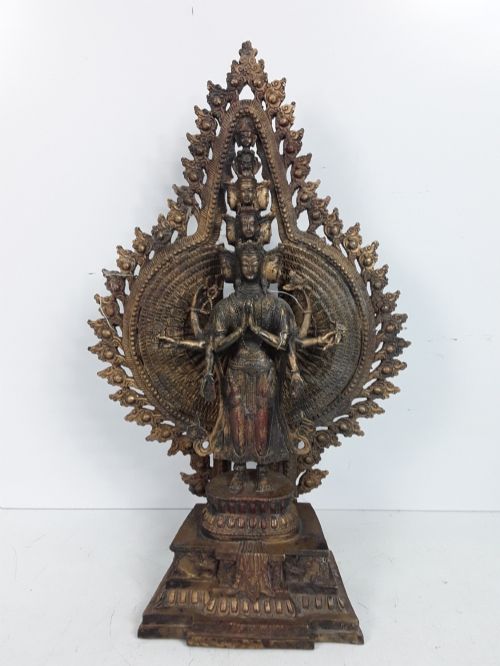
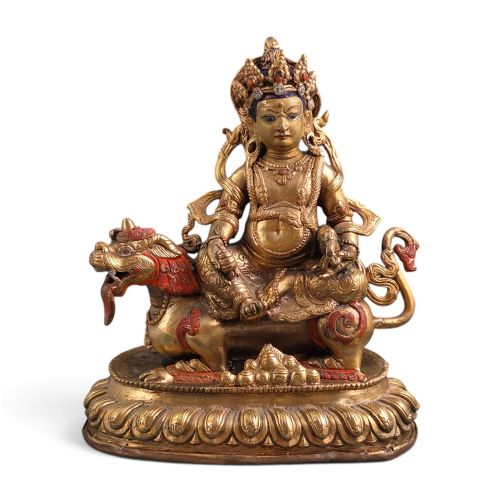
Forms include seated Buddhas, multi-armed deities, and figures of Tara, Avalokiteshvara, and Jambhala, created for shrines and domestic devotion.
Materials and casting methods
Metalworkers utilised bronze, brass, copper alloy, and gilt bronze, applying fire gilding to create rich golden surfaces on divine figures.
Casting traditions combined Tibetan, Sino-Tibetan, and Nepalese techniques to produce solid devotional sculptures and large temple figures.
Several heavy temple lions stand ready to guard doorways, proving that even fierce protectors sometimes need a second opinion.
Judging quality and character
Quality rests in the precision of the casting, the depth of the facial expression, and the preservation of original gilding and pigment.
Finely chased details on garments, lotus bases, and jewellery distinguish superior workshop output from standard commercial temple figures.
The presence of intact mineral inlays and undisturbed ritual patination elevates the historical significance of the sculpture.
The Tibetan Bronze Statue Glossary
- Gilt Bronze
- Bronze coated with a thin layer of gold using a mercury amalgamation technique. This finish gives the metal a lasting golden brilliance.
- Sino-Tibetan
- A style combining Chinese imperial craftsmanship with Tibetan Buddhist iconography. These pieces often date from the eighteenth and nineteenth centuries.
- Bodhisattva
- An enlightened being who delays nirvana to help others. They appear in sculpture adorned with rich jewellery and crowns.
- Tara
- A female Buddha and meditation deity representing compassion. She is frequently depicted seated with one leg extended on a lotus throne.
- Lost-wax casting
- A method where a wax model is melted out and replaced with molten bronze. This technique allows for intricate detail in divine figures.
Tibetan Bronze Statue: Frequently Asked Questions
How do I date a tibetan bronze statue?
Dating relies on stylistic markers, casting technique, and wear patterns that correspond to known periods such as the seventeenth or nineteenth century. Examining the lotus base and facial proportions helps place the piece within Himalayan artistic traditions.
Material analysis of residual pigments and gilding also assists in confirming the age of the bronze alloy.
How should I clean a bronze statue?
Bronze requires minimal intervention, and dusting with a soft, dry brush is generally sufficient for regular maintenance. Avoid commercial metal cleaners or water, which can strip historic patination and damage fragile pigment or mineral inlays.
Preserving the natural surface oxidation maintains both the stability and the historical character of the sculpture.
Where were these statues originally placed?
Sculptures of this type stood within monastery shrines, household altars, and temple halls for ritual use and meditation. Larger pairs, such as temple lions, guarded doorways and sacred enclosures.
Domestic shrines housed smaller figures of deities and Buddhas for daily devotional practices.