




Buddhist Icon Figure
A buddhist icon figure brings centuries of contemplative presence into a room, spanning regional workshops from Tibet to Southeast Asia.
Buddhist Icon Figure
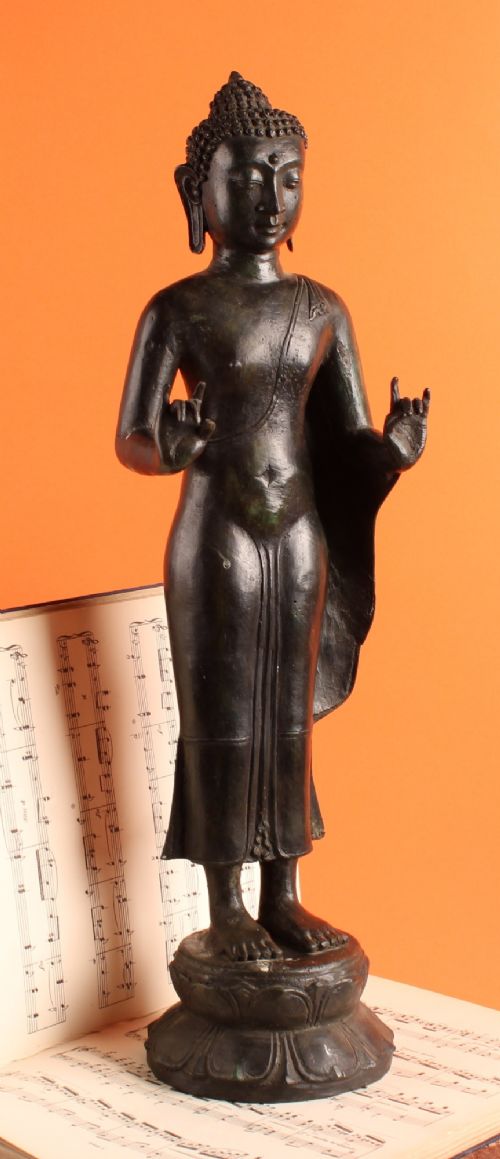
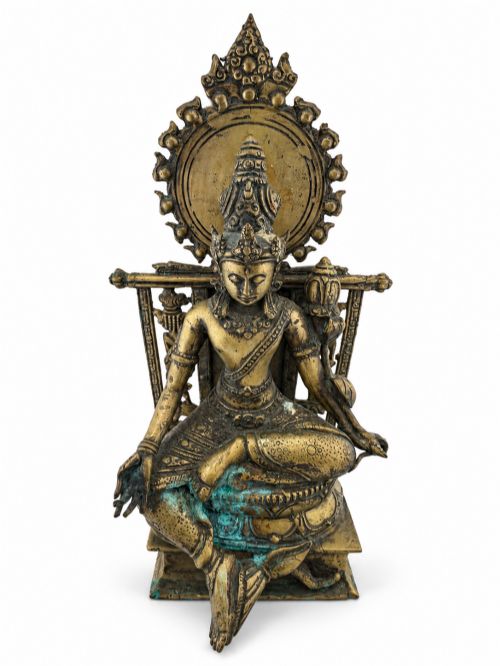
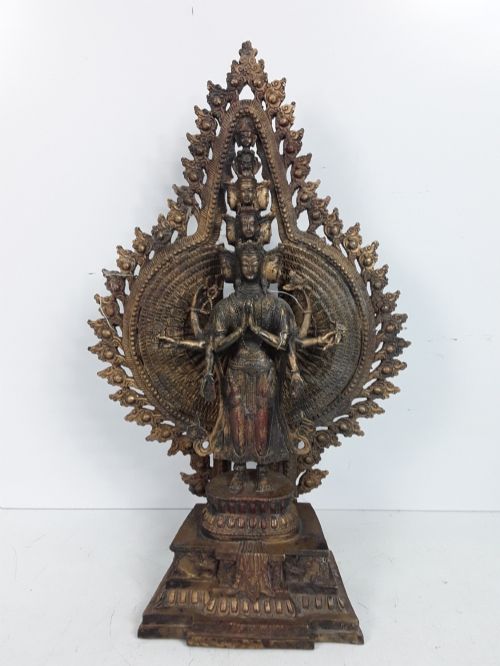
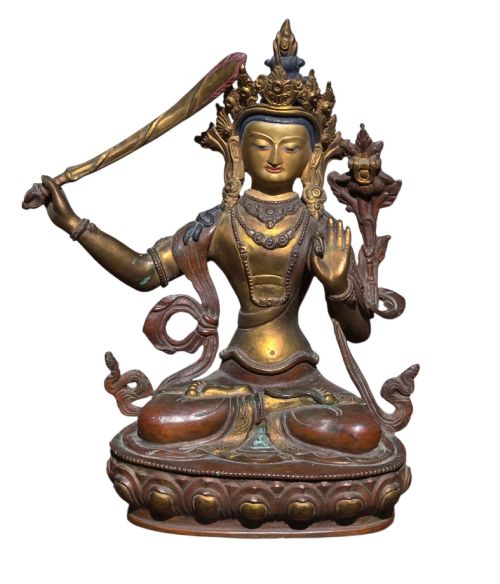
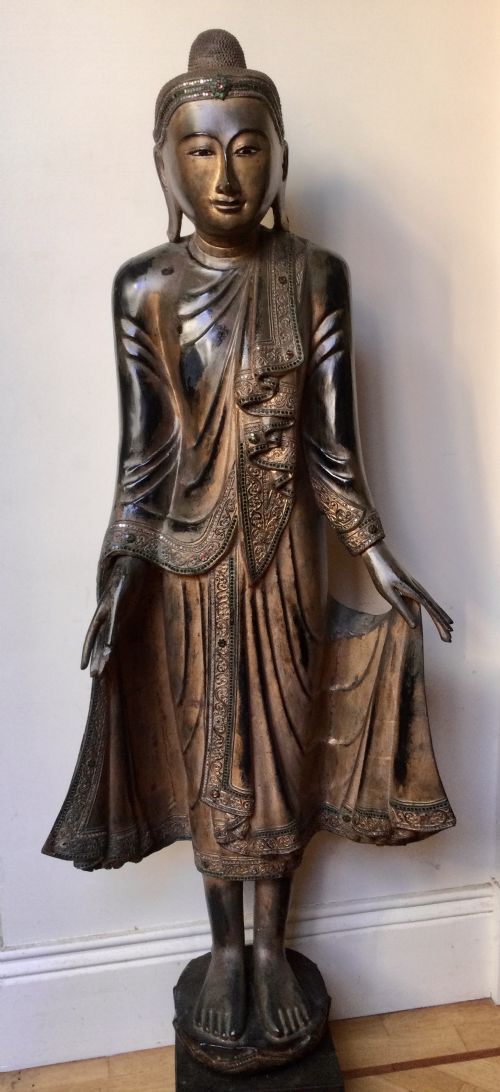
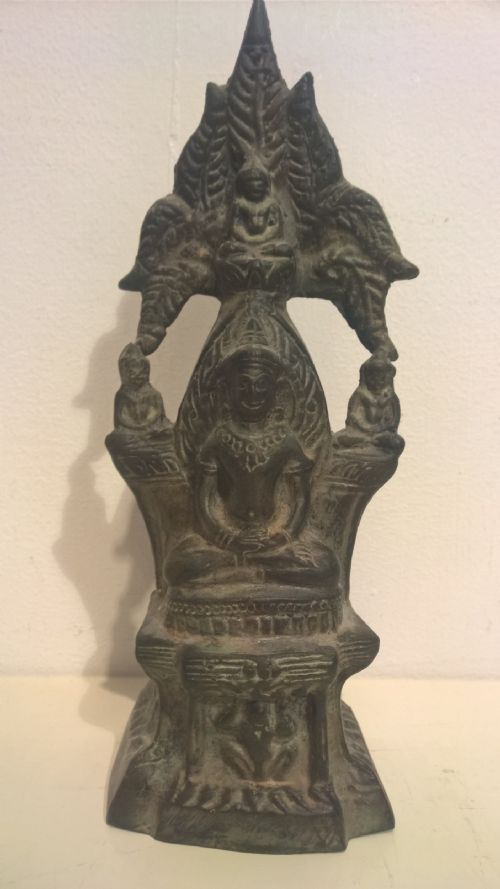
A buddhist icon figure serves as a focal point for devotion, meditation, and ritual within sacred spaces across Asia. These pieces take the form of seated or standing deities, including Buddhas, bodhisattvas such as Avalokiteshvara, and protective figures.
Buyers browsing this selection encounter a diverse array of regional styles, most notably Tibetan, Sino-Tibetan, and Thai Rattanakosin or Ayutthaya traditions. The nineteenth century yields a high proportion of the available bronze works, alongside examples stretching back to the sixteenth century in central Java and Thailand.
Sculptural formats vary from monumental temple statues to smaller shrine ornaments cast in bronze, copper alloy, or carved from wood. Each tradition prescribes specific postures and hand gestures, known as mudras, which communicate the theological function of the piece.
Materials and construction methods
Metal sculptures are predominantly produced through the lost-wax casting technique, utilising bronze or copper alloy to achieve intricate detail in drapery and ornamentation. Many metal figures receive surface treatments such as fire gilding, gold leaf application, or dark patination to enhance their visual depth.
Wooden examples rely on traditional carving methods, often finished with layers of lacquer, vermilion pigment, and polychrome detailing. The integration of mineral pigments and gold leaf on both wood and metal surfaces reflects the original ritual adornment of temple statuary.
The inventory spans multiple centuries of Asian artistry, featuring seventeenth-century temple bronzes alongside Victorian acquisitions.
Assessing sculptural quality
The preservation of original surface finishes, including traces of gilding, lacquer, and polychrome pigment, elevates the standing of a piece. Proportion, balance, and the expressive weight of the posture distinguish masterwork sculptures from more utilitarian regional production.
The Buddhist Icon Figure Glossary
- Mudra
- A symbolic hand gesture used in Buddhist iconography to convey specific teachings or states of mind. Common examples include the earth-touching gesture and the double mudra seen in Thai sculpture.
- Bodhisattva
- An enlightened being who defers nirvana to help others achieve salvation. Figures such as Manjushri and Avalokiteshvara are frequently represented with elaborate crowns and jewellery.
- Lost-wax casting
- A metalworking process where a molten metal is poured into a mould that has been created by means of a wax model. This technique allows for the creation of complex, hollow or solid bronze statues.
- Gilt-bronze
- Bronze metalwork that has been coated with a thin layer of gold using mercury amalgamation or applied leaf. This finish signifies the sacred status of the deity.
- Ayutthaya style
- A distinct period of Thai art characterised by ornate royal attire and serene facial expressions on Buddha figures. Pieces from this tradition often date from the sixteenth century onwards.
Buddhist Icon Figure: Frequently Asked Questions
How do I date a bronze figure?
Dating relies on stylistic markers, casting techniques, and wear patterns consistent with specific centuries and regional workshops.
Comparison with documented examples from periods such as the Ayutthaya era or nineteenth-century Thailand helps establish a reliable timeline.
What is the difference between a Buddha and a bodhisattva?
A Buddha has achieved full enlightenment and wears simple monastic robes without ornate jewellery.
A bodhisattva is an enlightened being on the path who typically wears princely crowns, necklaces, and sashes.
How were these figures originally displayed?
These icons were placed upon household shrines, temple altars, or monastic spaces to facilitate meditation and offerings.
Larger statues often stood as central objects of devotion within regional temples before entering private collections.
Can I clean a bronze sculpture?
Dusting gently with a soft, dry brush is sufficient for maintenance, preserving the natural patina and any remaining gilding.
Harsh cleaning agents or polishing should be avoided, as they strip away historical surface finishes and degrade the material.