
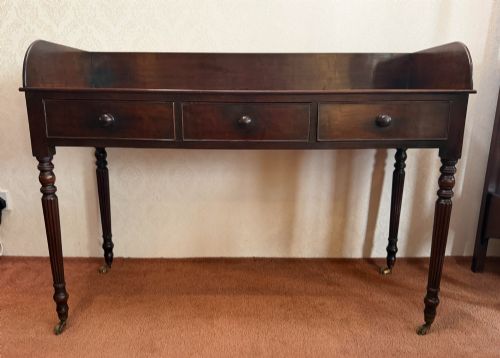
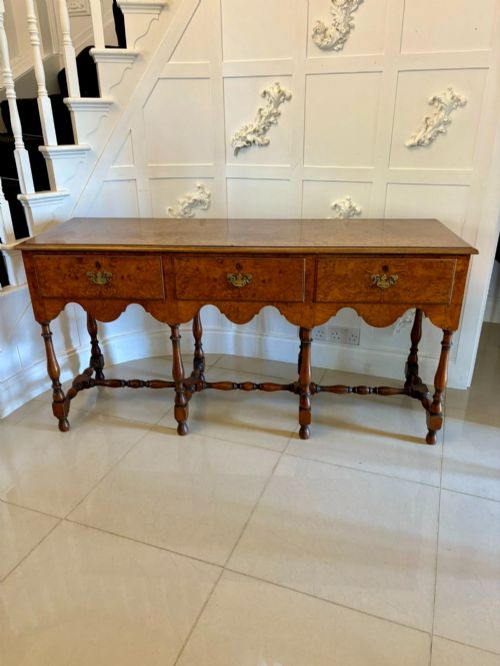
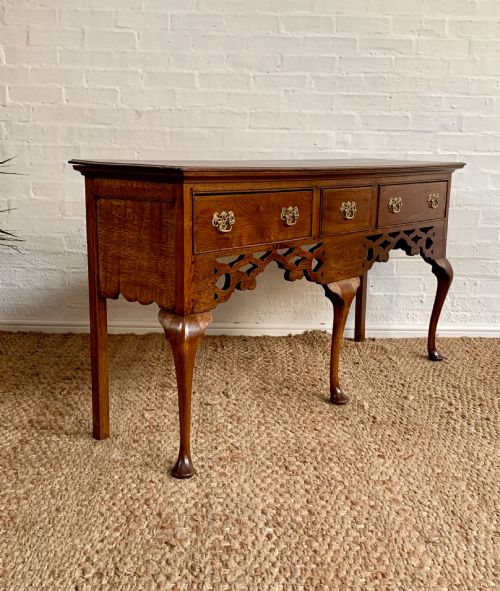
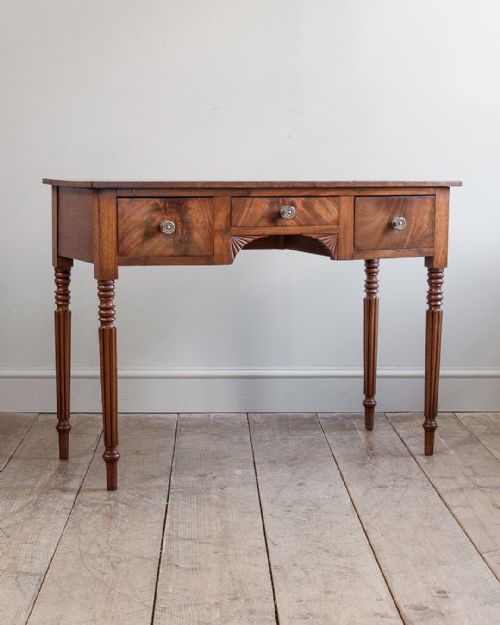
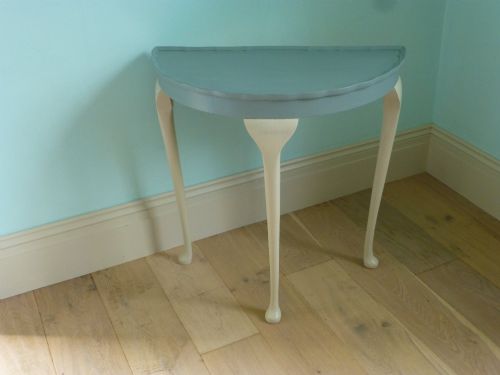
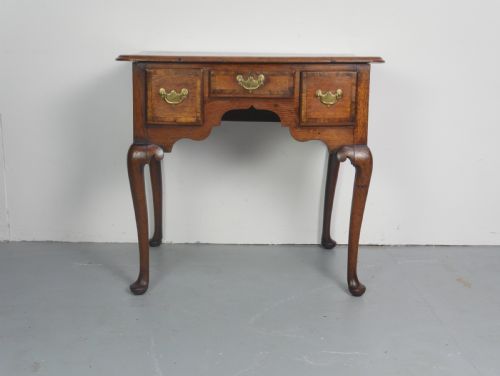


Three Legged Console Table
A three legged console table provides compact surface space with distinct character, drawing buyers who appreciate period craftsmanship and adaptable proportions.
Three Legged Console Table
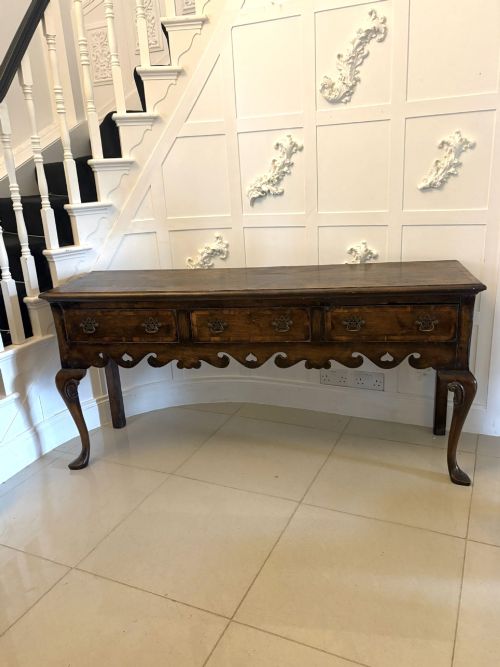
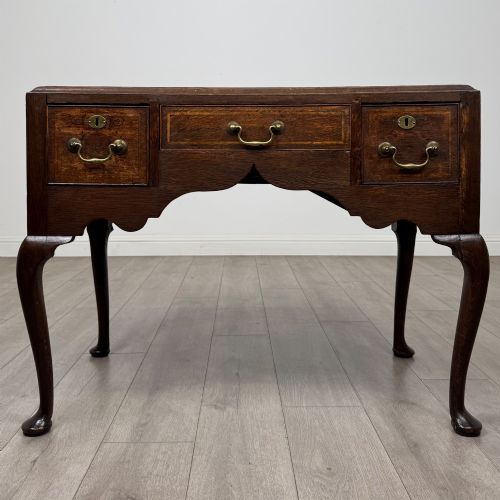
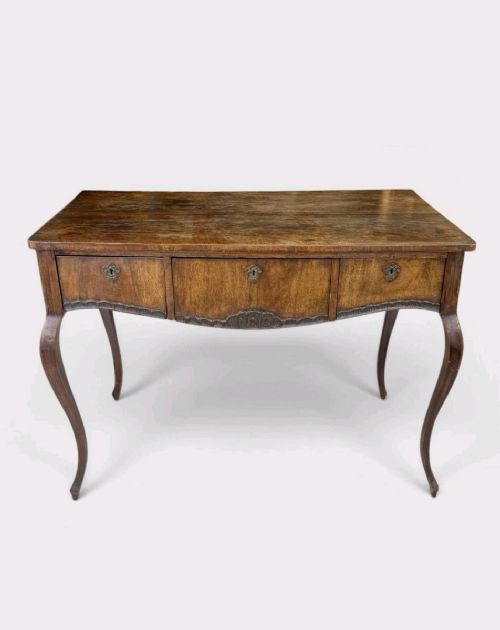
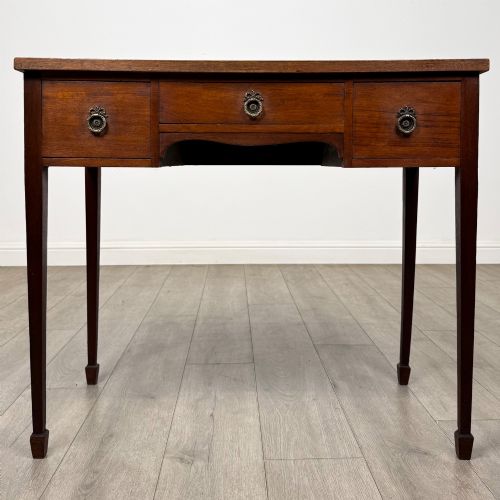
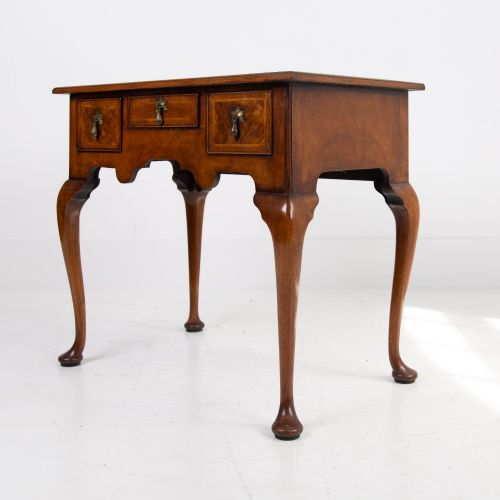
A three legged console table typically appears in forms such as lowboys, demi-lune hall tables, and occasional side tables originating from the eighteenth and nineteenth centuries.
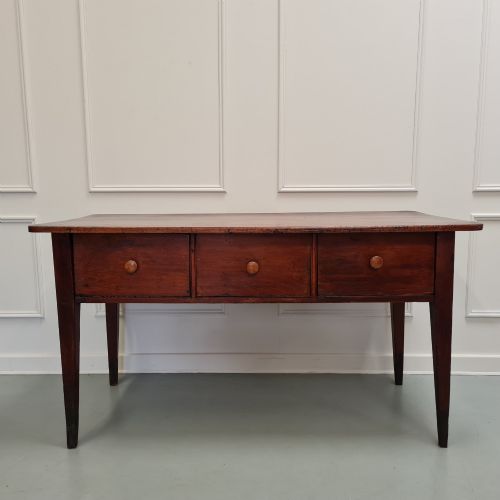
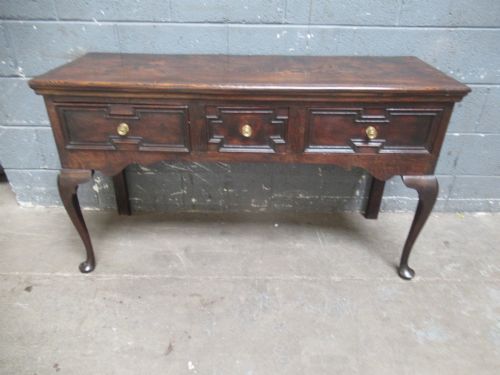
The selection ranges from oak country pieces to refined walnut and mahogany designs built for formal reception rooms.
Materials and Construction
Cabinet makers utilised dense hardwoods including oak, mahogany, and walnut, frequently incorporating burr walnut veneers for decorative surfaces.
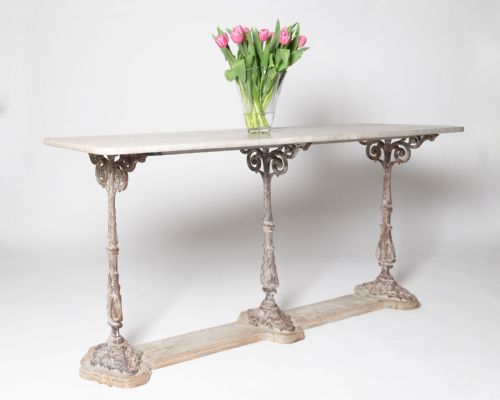
Structural elements rely on traditional joinery techniques, paired with turned supports, brass hardware, and occasional marble tops.
Listings feature oak, mahogany, walnut, and pine pieces spanning the Georgian, Victorian, and Edwardian periods.
Standards of Execution
Quality rests upon the selection of timber figure, the crispness of turned or carved details, and the integrity of the original joints.
Superior examples maintain balanced proportions and honest patination, distinguishing them from later reproductions or heavily altered items.
The Three Legged Console Table Glossary
- Lowboy
- A small oak or walnut table with drawers, functioning historically as a dressing or side table.
- Demi-lune
- A half-moon shaped table designed to stand flat against a wall in a hallway or drawing room.
- Cabriole leg
- A furniture leg that curves out and then in, resembling an animal limb, popular in Georgian designs.
- Feather banded
- A decorative inlay technique using small strips of veneer laid diagonally to form a herringbone pattern around drawer edges.
Three Legged Console Table: Frequently Asked Questions
Where should I place a three legged console table?
These tables fit well in narrow hallways, entrance spaces, or living rooms where floor space is limited. Their compact footprints allow them to function as surface areas for lamps or decorative objects without obstructing movement.
Positioning one against a wall provides stability and creates an organised focal point within a room scheme.
How do I identify a Georgian period piece?
Look for timber selection, hand-cut joinery, and specific stylistic cues such as cabriole legs or feather banded drawer linings. Eighteenth-century construction methods differ noticeably from twentieth-century machinery output.
Examining the underside and drawer interiors reveals tool marks and timber shrinkage consistent with age.
How do I care for antique wood surfaces?
Maintain timber surfaces by dusting with a soft dry cloth and applying traditional wax polish periodically to nourish the grain. Avoid placing pieces near direct heat sources or strong sunlight to prevent timber splitting.
Gentle care preserves the historic patination accumulated over centuries of use.