



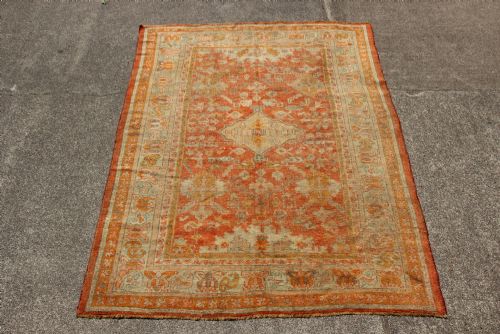
Terracotta Woven Carpet
These terracotta woven carpet examples deliver rich earthy warmth and enduring craftsmanship directly to your floor through traditional knotted and flat-woven textile traditions.
Terracotta Woven Carpet
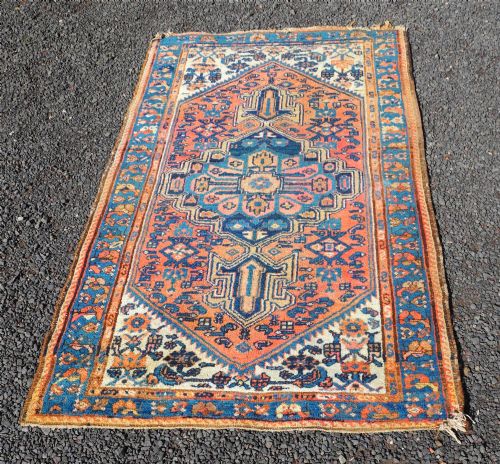
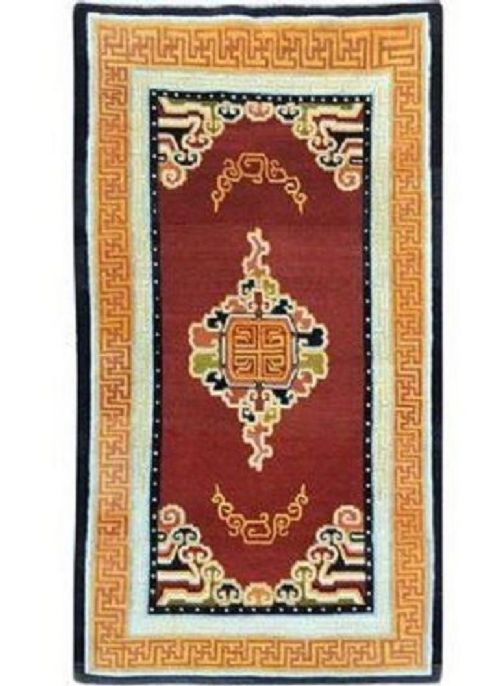
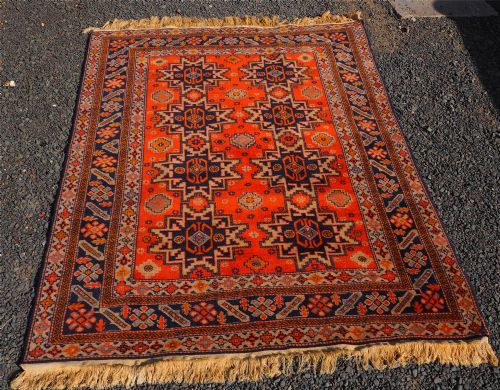
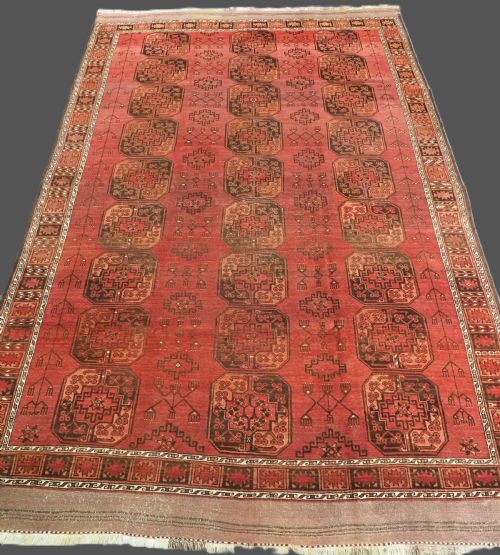
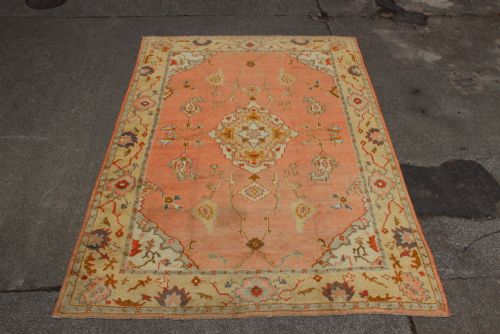
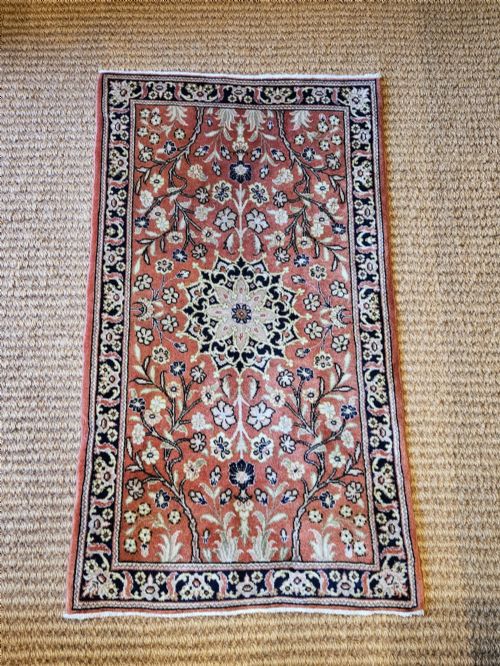
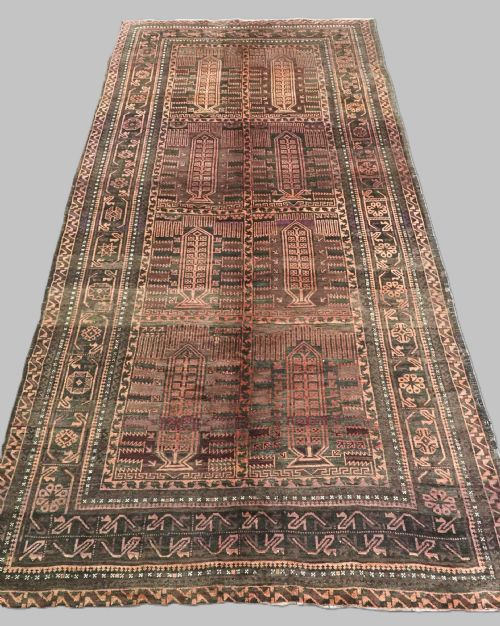
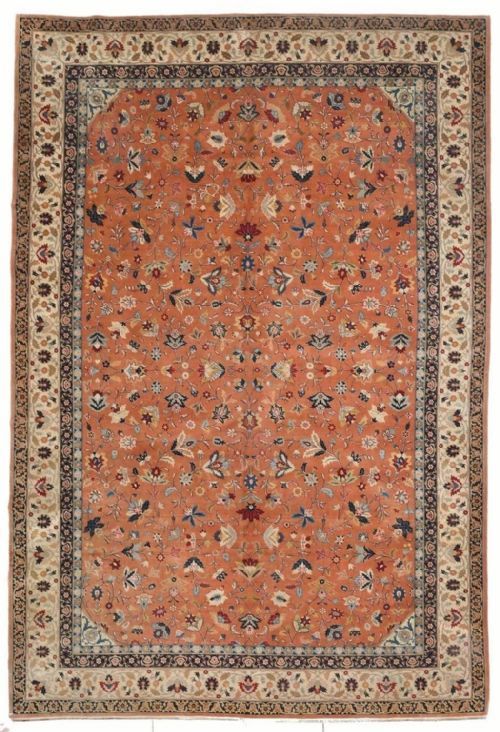
A terracotta woven carpet brings together centuries of textile artistry from Persian, Caucasian, Turkmen, and Turkish weaving regions. These floor coverings span production dates from the nineteenth century through the early twentieth century, encompassing larger formats alongside runner rugs, hearth sizes, and utilitarian salt bags.
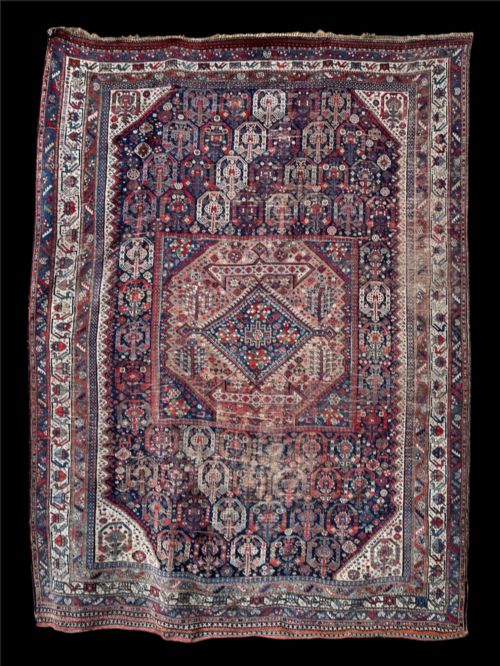
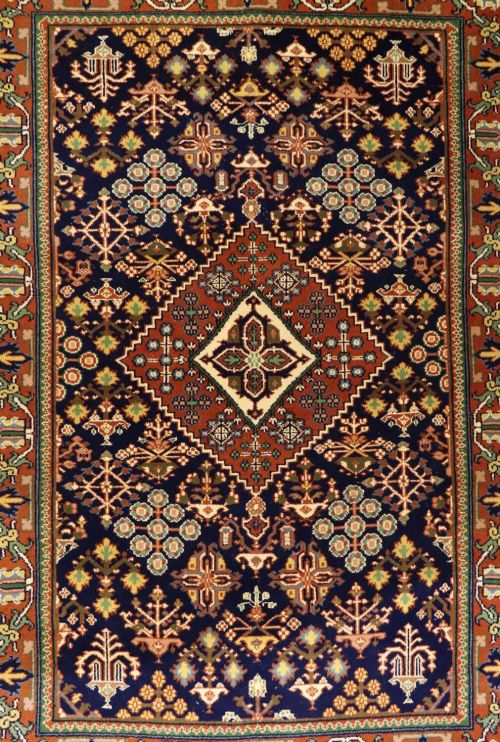
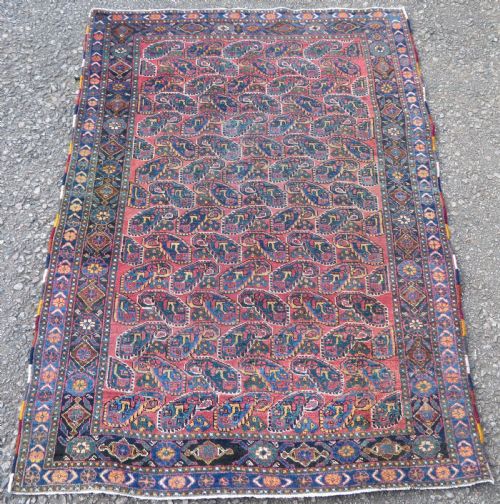
The version most commonly encountered on this page is the hand-knotted room-sized carpet or smaller village rug originating from Persian workshops and tribal confederacies like the Heriz, Hamadan, and Kurdish regions. Such pieces arrive with distinct geometric medallions, boteh motifs, and all-over tribal patterns rendered in various shades of red and terracotta.
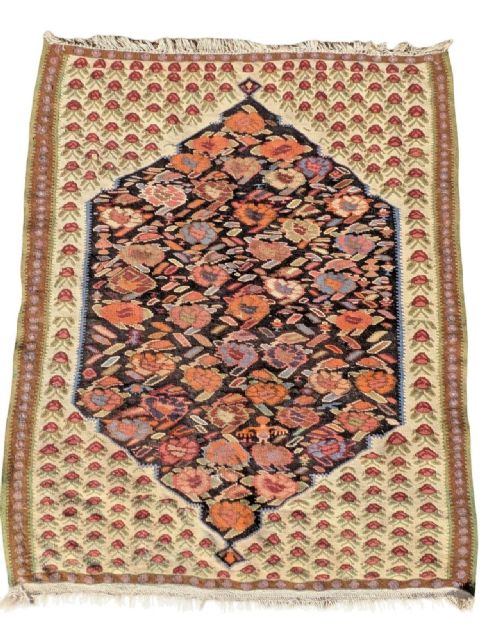
Buyers also encounter flat-woven kelims alongside specialised tribal weaving such as tent door rugs and prayer carpets from Caucasian and Anatolian centres. These alternatives provide different textural qualities while maintaining the foundational wool and cotton material palette characteristic of the group.
How They Were Made
Makers constructed these floor coverings primarily using hand-spun wool foundation threads and pile, often combined with cotton structures for added stability in larger formats. Certain finer examples incorporate silk, while natural dyes supplied the spectrum of terracotta, madder red, and secondary tones.
Weavers utilised hand-knotting techniques or flat-weaving methods, securing the warp and weft threads manually on upright looms to build dense, durable textile structures. Artisans tied symmetrical or asymmetrical knots depending on the regional workshop tradition, clipping the wool pile by hand to create an even surface.
Some nineteenth-century nomads repurposed utilitarian storage items like salt bags and tent door rugs into portable works of art.
What Varies in Quality
The calibre of a terracotta woven carpet depends significantly on the density of the knotting and the precision of the geometric or floral layout. Higher quality pieces demonstrate exceptional fineness in execution, where the intricacy of the medallion or tribal motif remains crisp and legible.
Material selection and dye consistency dictate the upper tier of the range, marked by the depth achieved through natural dyes on high-grade wool. The integrity of the foundational weave and the preservation of original selvedges and ends also distinguish superior examples from heavily restored or compromised specimens.
The Terracotta Woven Carpet Glossary
- Medallion
- A central ornamental design motif placed in the middle of the carpet field. This focal element often anchors the surrounding geometric or floral patterns.
- Boteh
- A stylized almond or pear-shaped motif of Persian origin representing a floral or cypress cluster. Artisans frequently repeat this shape across the field of the textile.
- Warp
- The vertical foundation threads stretched tightly on the loom before weaving begins. Wefts and knots are subsequently intertwined across these stationary parallel strings.
- Weft
- The horizontal threads passed alternately over and under the warp strings to bind the knots in place. This structural component determines the firmness of the carpet body.
- Selvedge
- The reinforced outer edge of a carpet formed by wrapping extra weft threads around the outermost warps. This finishing prevents the edges from fraying during daily use.
Terracotta Woven Carpet: Frequently Asked Questions
How do I clean a terracotta woven carpet?
Professional specialist cleaning remains the safest method to maintain wool and natural dye textiles without disturbing the historical fibres.
Regular gentle vacuuming without a beater bar removes loose dirt from the pile safely between professional washes.
Where were these carpets originally made?
Production centres span traditional weaving regions including Persia, the Caucasus, Anatolia, and Turkmenistan.
Specific tribes and towns such as Heriz, Hamadan, Kurdish groups, and Ersari Turkmen created distinct regional styles.
Can I use these rugs in high traffic areas?
Hand-knotted wool construction provides natural durability suited for moderate everyday use in domestic environments.
Placing a quality underlay beneath the textile prevents slipping and reduces friction against hard flooring.
How are different regional styles identified?
Specific border arrangements, knotting density, and characteristic motifs like geometric medallions or boteh distinguish one weaving origin from another.
Palettes dominated by terracotta and madder red often point toward specific Persian village or tribal workshops.