

Traditional Patterned Rug
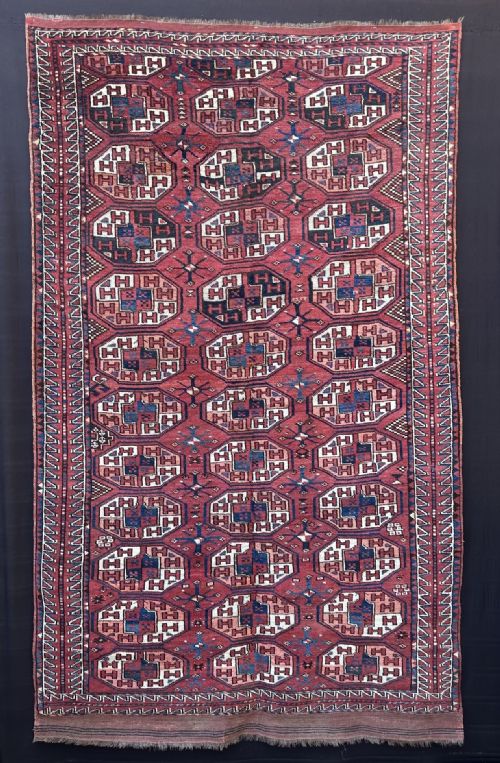
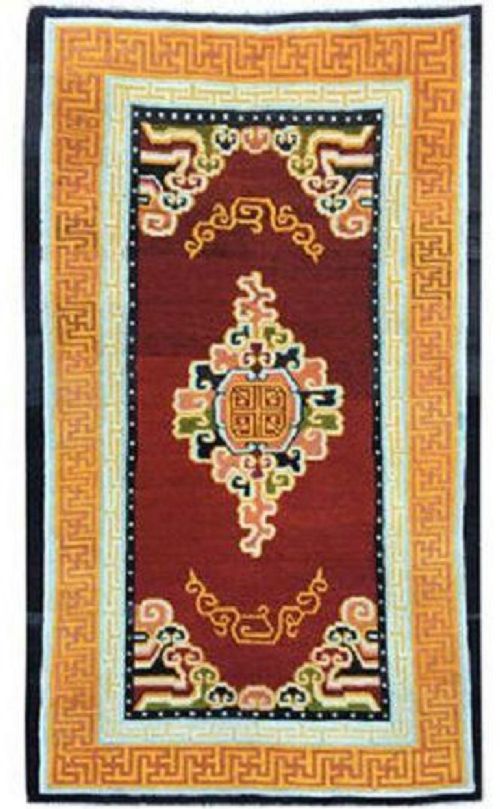
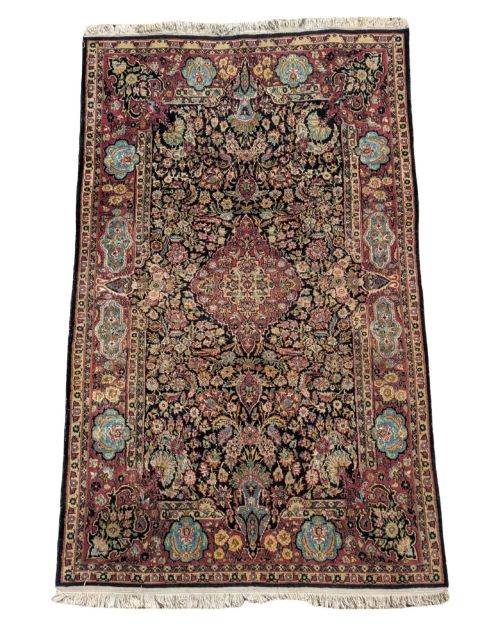
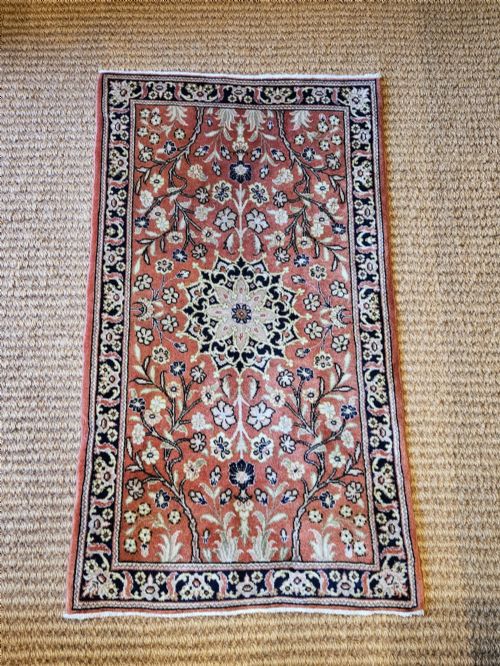
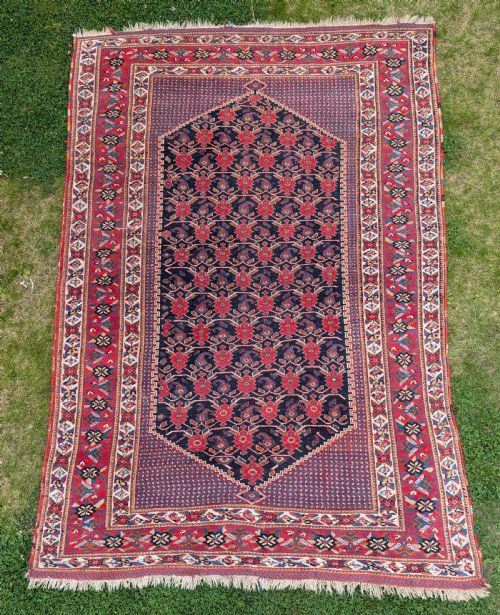
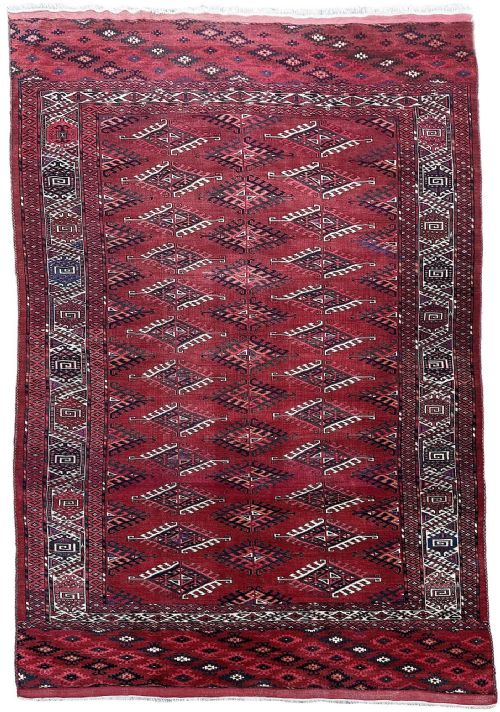
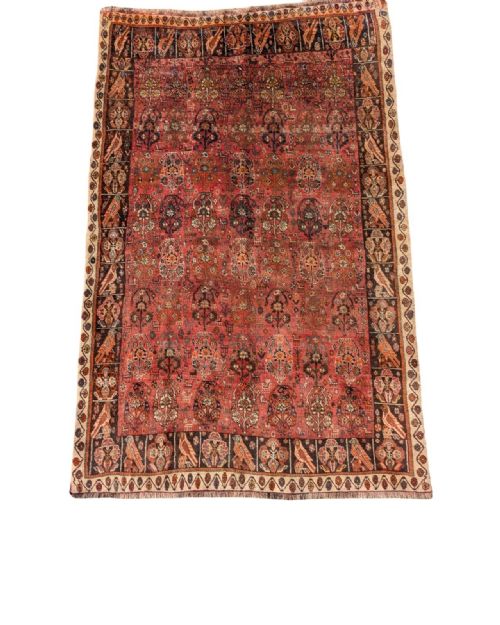
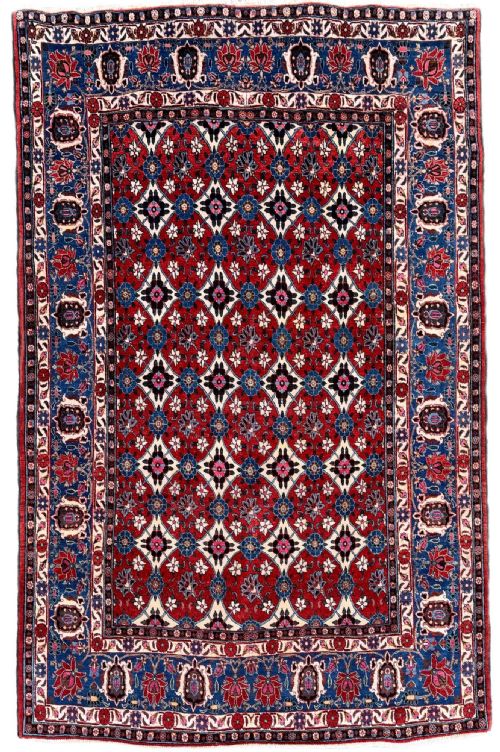
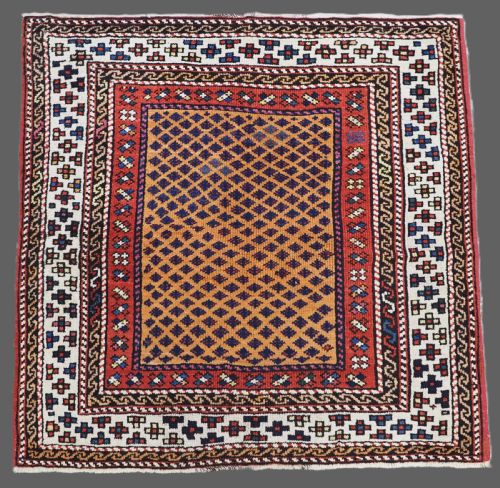
When you want a traditional patterned rug, you are looking for centuries of woven heritage through Persian, Caucasian, and Turkmen regional designs.
Traditional Patterned Rug
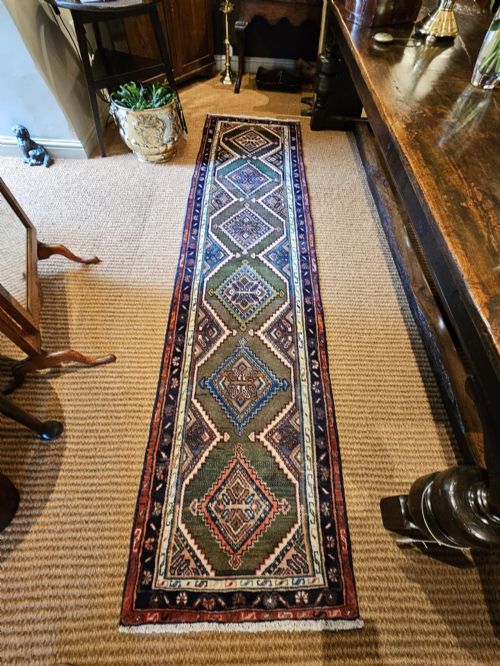
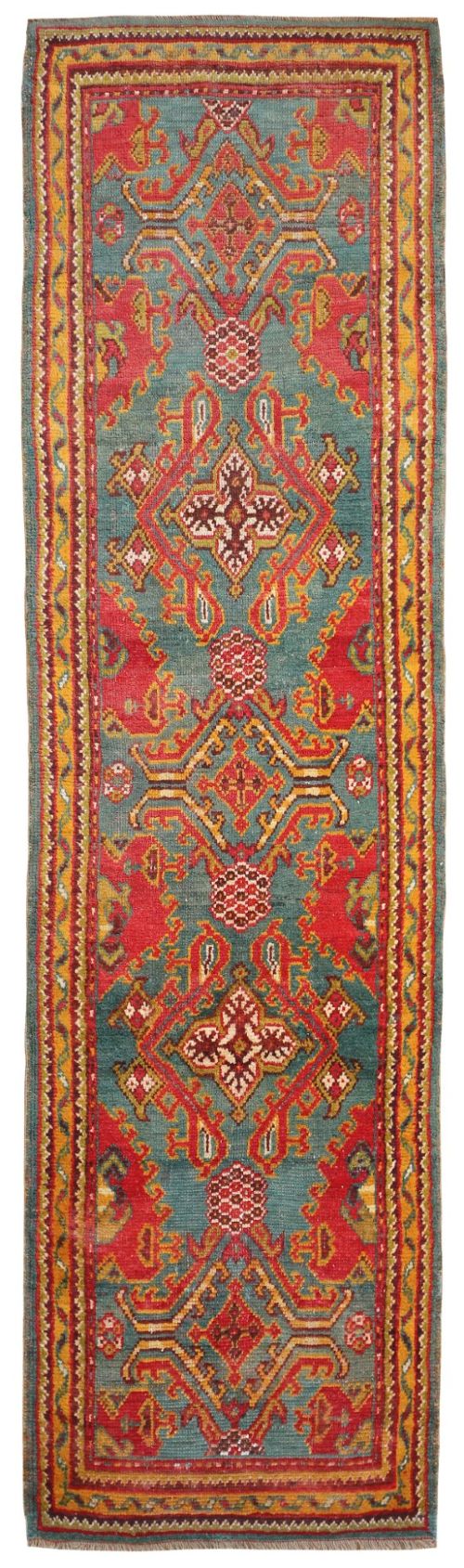
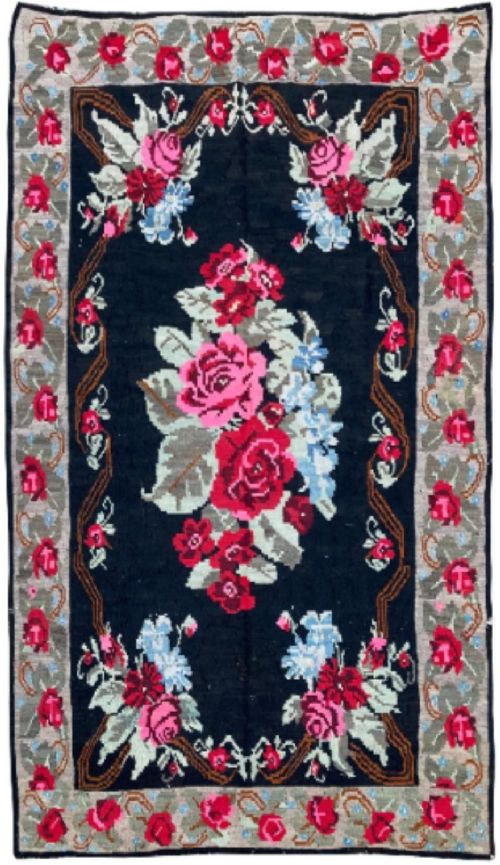
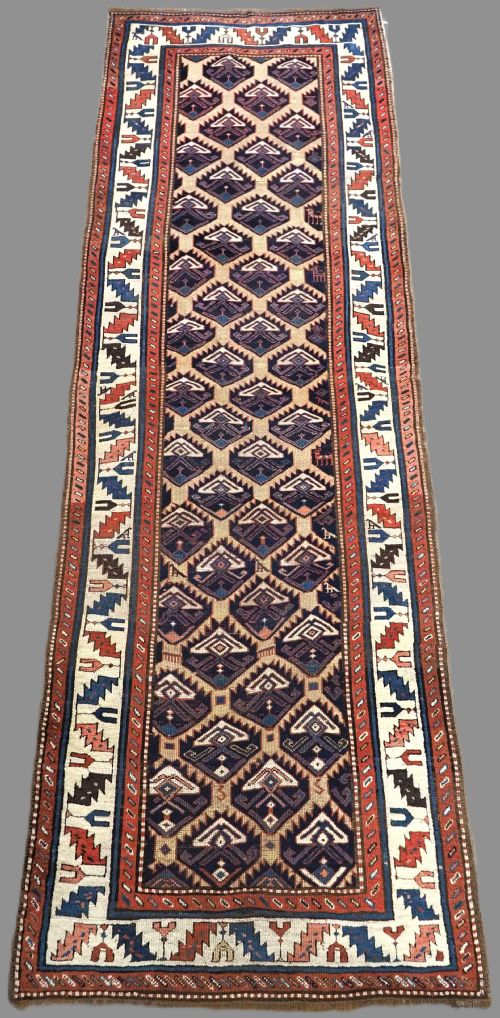
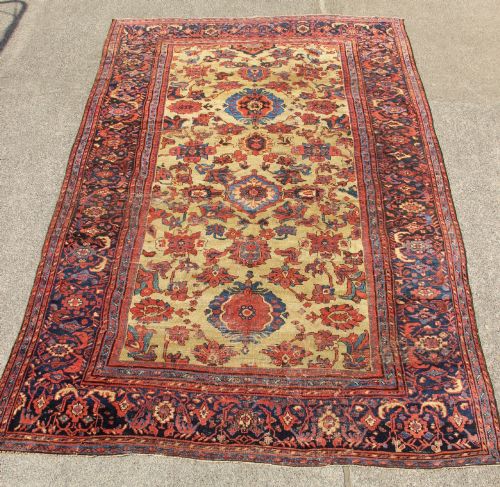
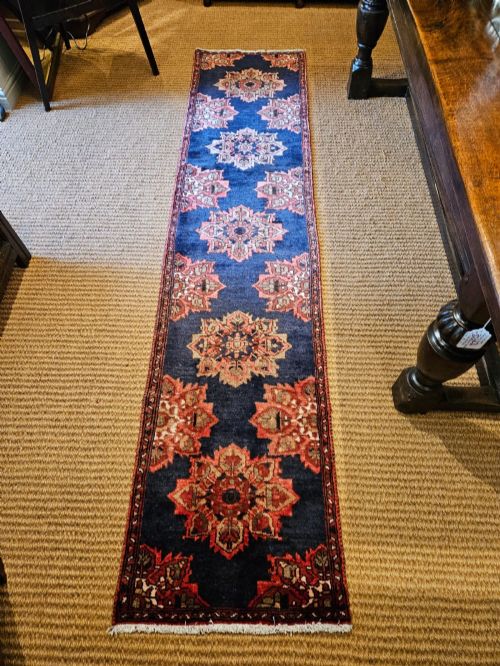
A traditional patterned rug brings distinct regional aesthetics into a space, ranging from expansive carpets to narrow hallway runners. Buyers searching for a traditional patterned rug will encounter formats that span from compact hearth sizes to large room-filling floor coverings.
The selections originate from diverse geographical centres including Central Asia, Turkey, and Persia. These pieces carry deep historical roots through tribal and city workshops represented in the inventory.
Most examples date across the late nineteenth and early twentieth centuries, capturing traditional motifs like the boteh and geometric lattice designs. Buyers meet formats such as area rugs, square sizes, and long runners designed for corridors.
Materials and Construction
Construction relies primarily on natural fibres such as wool, hand-spun wool, cotton, and occasionally silk highlights. These materials provide the dense structural foundation necessary for durable floor textiles.
Weavers utilised natural dyes to achieve the rich colour palettes seen in the wool and cotton pile. Hand-knotted and hand-woven techniques define the creation of these carpets and runners.
Assessing Quality
Quality rests upon the tightness of the knotting and the fineness of the wool foundation. Tighter construction yields crisper execution of intricate geometric and floral motifs.
The depth and nuance of the natural dye palette contribute significantly to the visual standing of each piece. Greater complexity in design execution separates standard utility items from finer tribal and city workshop carpets.
The Traditional Patterned Rug Glossary
- Runner
- A long, narrow carpet format specifically suited for hallways and corridors. These pieces guide movement through narrow architectural spaces.
- Boteh
- A traditional teardrop or almond-shaped motif with a curved upper end. This ancient Persian pattern appears frequently across antique field designs.
- Kilim
- A flat-woven carpet or rug produced without a pile. These pieces offer a lighter weight and distinct geometric surface texture.
- Natural Dyes
- Colourants derived from plant, insect, and mineral sources rather than synthetic chemistry. They yield stable, harmonious hues that age gracefully over decades.
- Pile
- The upright yarn loops or cut ends that form the soft surface of a carpet. The density of this layer determines durability and tactile richness.
Traditional Patterned Rug: Frequently Asked Questions
How do I choose the right rug size?
Measure your floor space carefully to ensure the rug anchors your furniture arrangement properly. Hallways call for narrow runners, while larger rooms accommodate grand area carpets.
Consider how much exposed flooring you want to leave around the perimeter of the piece. Matching the format to the room geometry ensures a balanced interior layout.
Where were these rugs made?
These textiles originate from renowned weaving traditions across Persia, the Caucasus, Anatolia, and Turkmenistan. Each region developed distinct tribal and urban workshop characteristics.
Village weavers and nomadic tribes contributed unique geometric patterns, while city workshops produced intricate floral compositions.
How do I care for an antique wool rug?
Vacuum your rug gently on a low setting without a rotating brush roll to protect the pile. Rotate the piece periodically to ensure even wear across high-traffic areas.
Professional specialist cleaning is recommended for antique textiles to preserve the natural wool fibres and dyes.
What is the difference between a carpet and a rug?
Carpets generally refer to larger floor coverings designed to span significant portions of a room. Rugs encompass a broader category that includes smaller formats like hearth rugs and mats.
Both terms often describe hand-knotted textiles sharing similar regional materials and decorative motifs.