

Handwoven Persian Area Rug
A handwoven persian area rug brings centuries of village and tribal artistry directly to your floor.
Handwoven Persian Area Rug
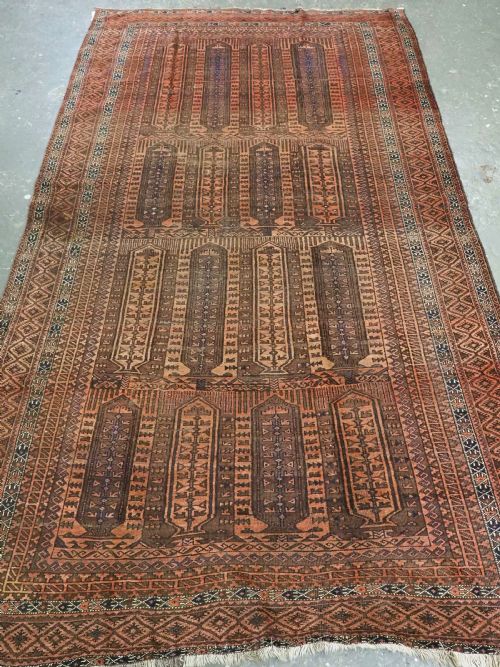
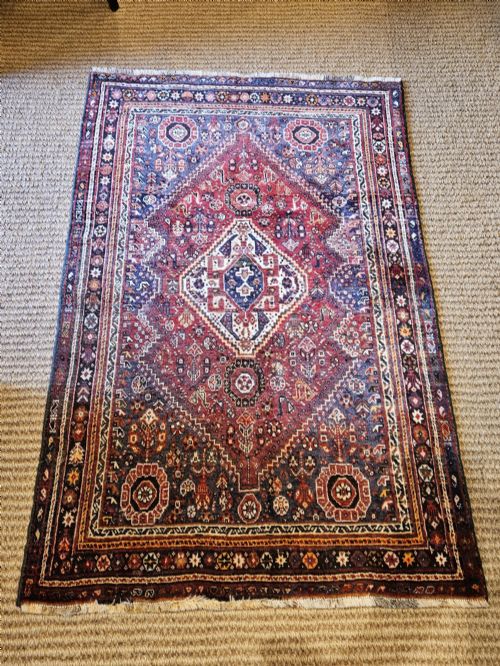
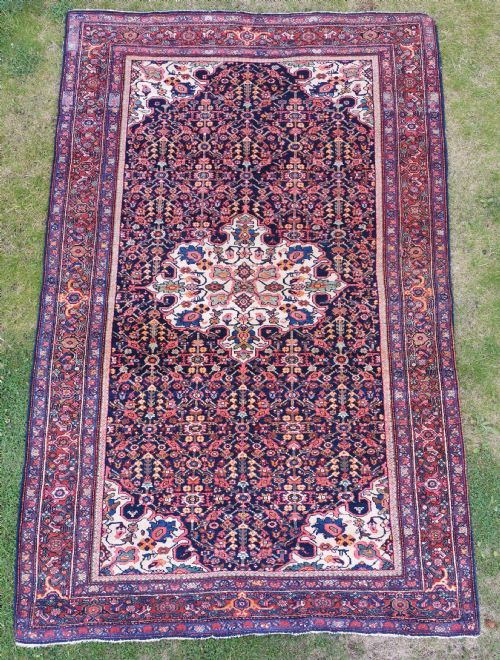
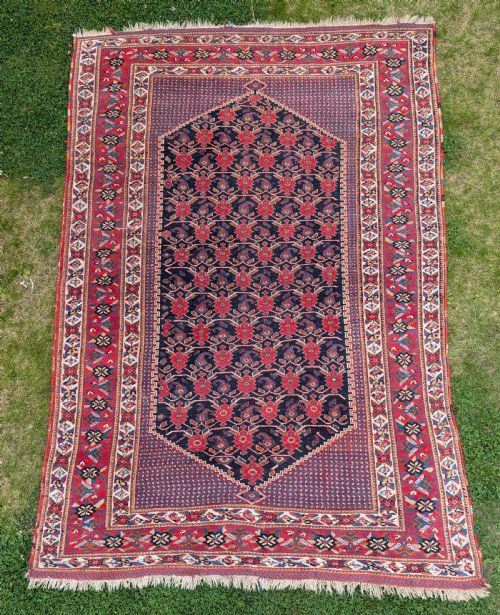
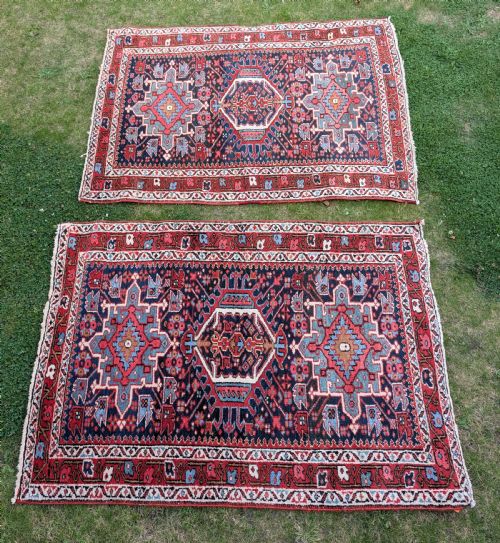
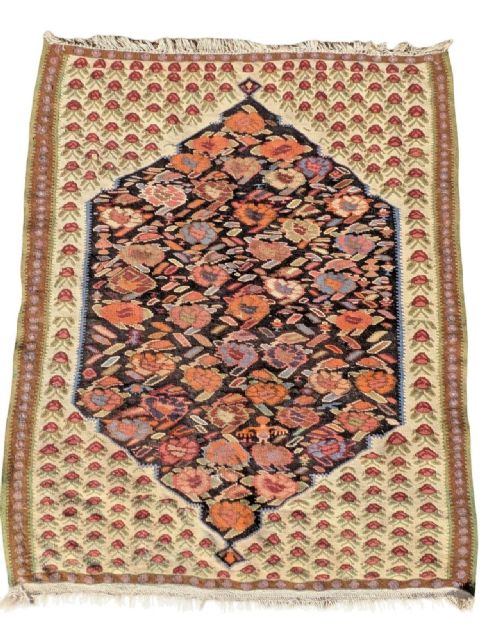
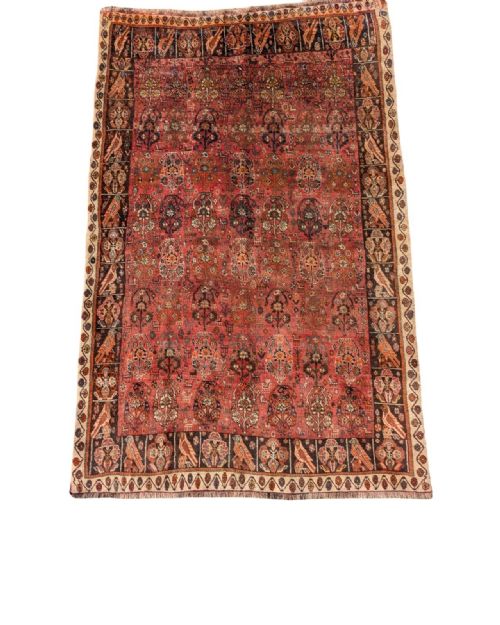
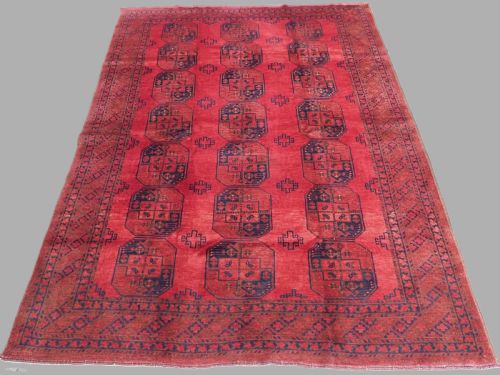
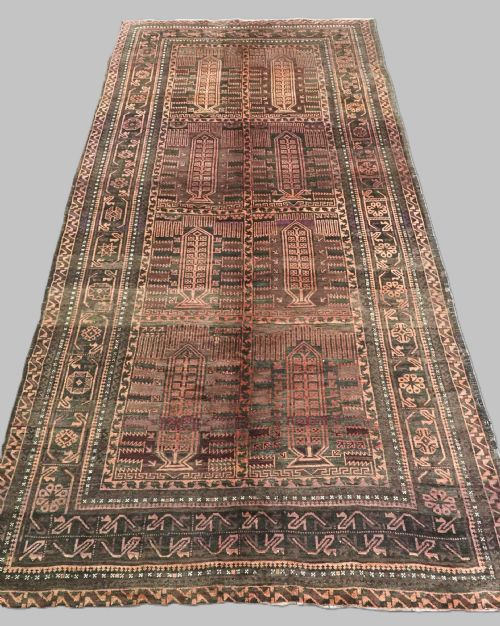
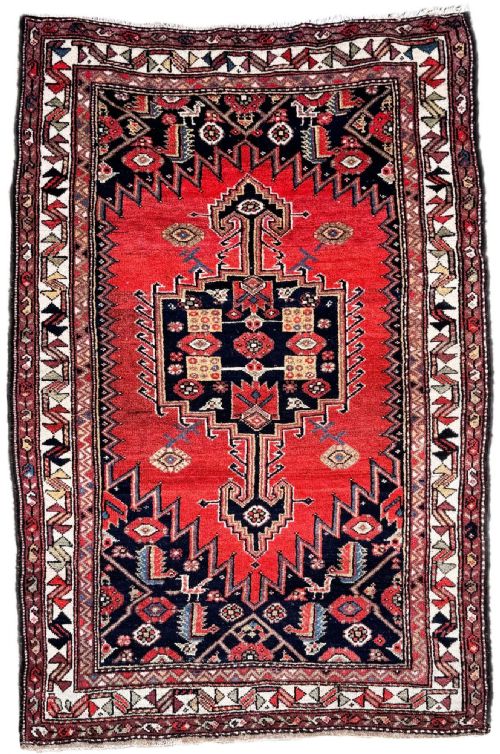
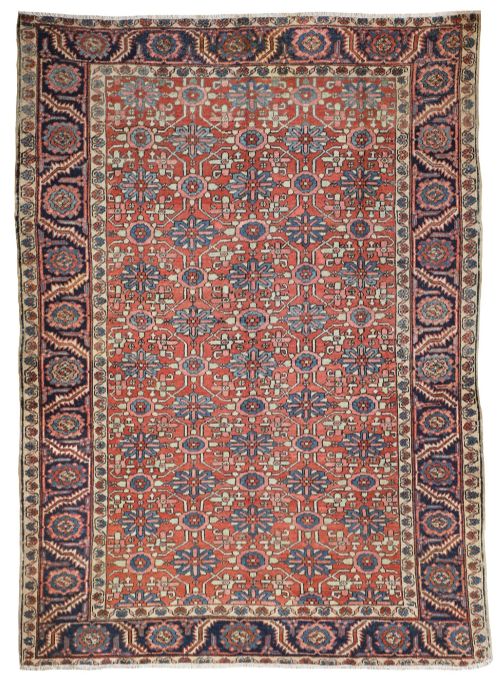
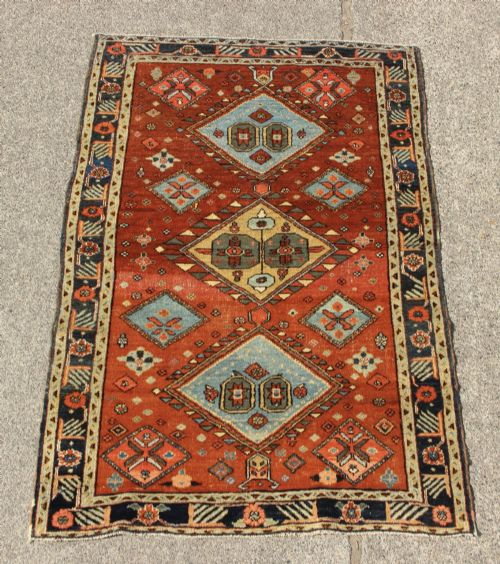
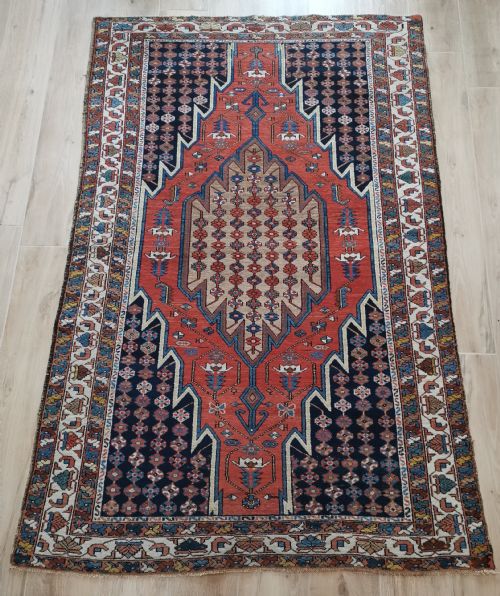
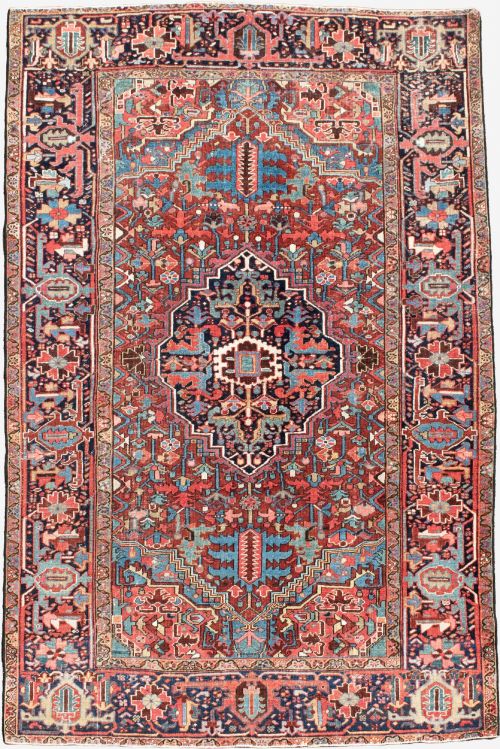
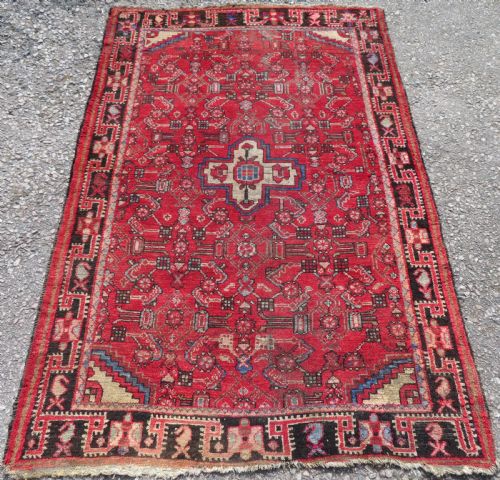
When you search for a handwoven persian area rug, you encounter floor coverings originating from various regions and tribes across Persia, the Caucasus, and Afghanistan, dating from the late nineteenth century through to the mid-twentieth century. The selection spans distinct styles including Heriz, Afshar, Bidjar, Baluch, and Hamadan, each bearing traditional motifs characteristic of their specific weaving communities.
The assortment includes varying formats, from compact mats and village runner rugs to large room-sized carpets and prayer rugs. Most pieces you meet on this page hail from the early decades of the twentieth century, constructed by village and tribal weavers utilising time-honoured local designs.
How they were made
These textiles rely principally on wool and cotton foundations, with wool used for the pile and often cotton or wool for the warps and wefts. Weavers employed hand-spun wool alongside natural dyes to create enduring colour palettes dominated by rich reds, rusts, and ivory grounds.
Every piece is handwoven on traditional vertical or horizontal looms, applying knotting techniques passed down through generations. The integration of local materials and traditional dyeing methods ensures each rug possesses a distinct tactile character and depth of colour.
Handwoven Persian Area Rug Retail Price Guide 2026
Typical asking prices for handwoven persian area rug among the pieces listed under this phrase on Sellingantiques today, from the lower quarter to the upper quarter. They describe what is for sale here now, not the wider market.
Some Baluch rugs include tiny woven amulets or intentional minor pattern flaws to ward off the evil eye.
What varies in quality
Knot density and structural tightness set the finer carpets apart from looser village work, influencing both the crispness of the geometric or floral design and the longevity of the pile. Bidjar and Afshar pieces often demonstrate particularly dense foundations that contribute to exceptional structural resilience.
The refinement of the wool and the complexity of the dye work also differentiate examples, where subtle variations in natural dye batches yield shifting tones across the field. Furthermore, the originality of design execution within traditional tribal motifs dictates the visual distinction of individual pieces.
The Handwoven Persian Area Rug Glossary
- Pile
- The upright yarn loops or tufts that form the usable surface of a rug. It is sheared to a uniform height after knotting to reveal the pattern.
- Warp
- The vertical foundation threads stretched lengthwise on the loom before weaving begins. Weft threads are passed horizontally across these warps to secure the knots.
- Kilim
- A flat-woven carpet or rug produced without a raised pile. These lightweight textiles often feature sharp geometric patterns.
- Prayer rug
- A small rug designed with a central mihrab or arch motif indicating the direction of prayer. These pieces were traditionally used for personal devotion.
- Sofreh
- A woven spread or cloth used during meals or for processing bread dough. They frequently display intricate tribal iconography distinct from standard floor rugs.
Handwoven Persian Area Rug: Frequently Asked Questions
How do I clean an antique rug?
Professional specialist cleaning is essential for handwoven textiles to protect natural dyes and delicate wool fibres. Regular gentle vacuuming without a beater bar removes surface dust safely between washes.
Avoid immersion in water or domestic chemical treatments, which can cause bleeding in traditional dyes and weaken the cotton or wool foundations.
Where were these village rugs made?
The pieces originate from diverse weaving centres and tribal regions across Persia, the Caucasus, and Afghanistan. Specific districts like Heriz, Bidjar, and Kerman developed distinct regional styles.
Village weavers often worked from memory, passing specific border motifs and medallion layouts down through families for generations.
Are these rugs suitable for high traffic?
Densely knotted village and tribal carpets tolerate regular foot traffic remarkably well due to sturdy wool construction. Placing a quality underlay beneath the textile prevents slipping and cushions the foundation against wear.
Rotating the rug periodically ensures even exposure to light and wear patterns across the floor surface.
How can I tell different tribal designs apart?
Regional styles announce themselves through specific colour palettes, border structures, and geometric or floral motifs. Baluch and Afshar rugs frequently exhibit deep reds and intricate field repeats, while Heriz carpets favour bold central medallions.
Studying the handling of the wool and the construction of the selvages provides further clues to geographic origin.