


Terracotta Turkmen Rug
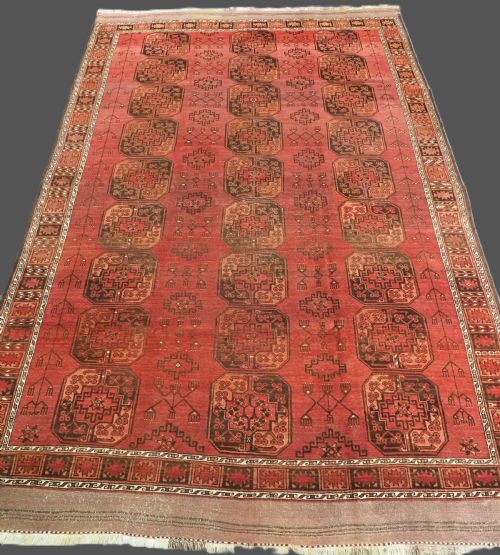
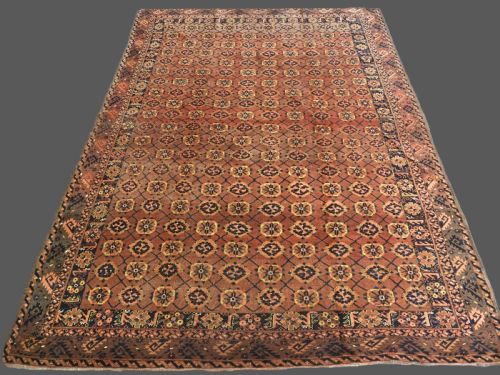
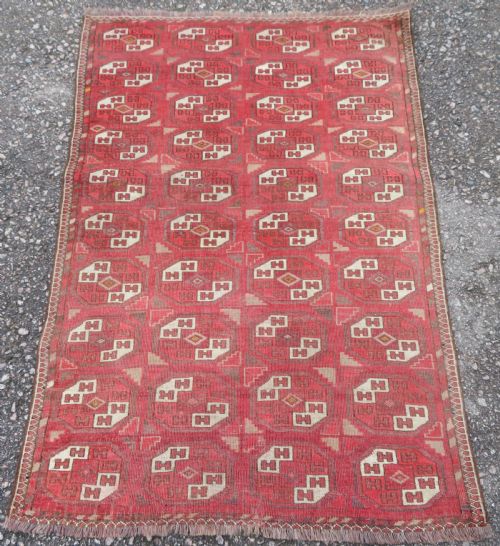
When seeking a terracotta turkmen rug, a collector enters a world of tribal textile weaving defined by rich madder red tones and geometric gul motifs.
Terracotta Turkmen Rug
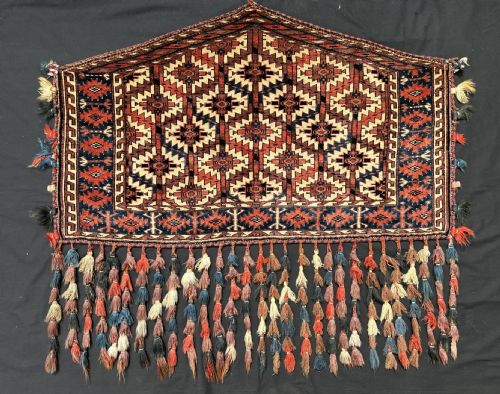
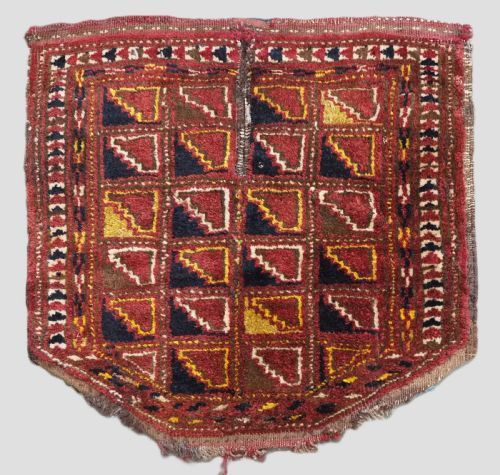
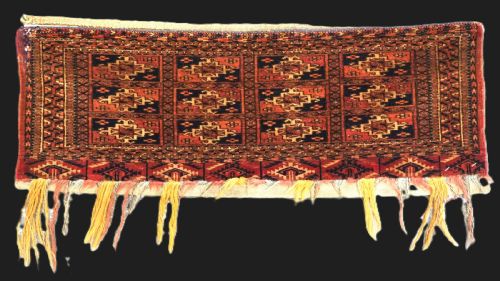
A terracotta turkmen rug encompasses various forms including main carpets, door hangings, tent bands, and smaller bag faces such as torbas and chuvals originating from Central Asia.
These floor coverings and domestic textiles reflect nomadic tribal traditions, with pieces attributed to specific groups like the Ersari, Tekke, Yomut, and Saryk tribes.
Most examples found here date from the mid-nineteenth century through to the early twentieth century, spanning periods when traditional vegetable dyeing and hand-knotting practices remained standard.
How They Were Made
Weavers utilised hand-spun wool for the pile and foundations, combining natural dyes to achieve deep terracotta and madder red hues.
The construction often involved intricate knotting techniques alongside flatweave sections, occasionally incorporating dyed yarn and glass beads for added detail.
The listings span the eighteen-fifties to the nineteen-thirties, featuring wool, natural dyes, and cotton across tribal forms.
What Varies in Quality
The precision of the knot density and the crispness of the geometric gul motifs set finer dowry pieces and main carpets apart from standard utility weaving.
Completeness contributes significantly to standing, particularly when items retain original backs, tassels, or tent hanging hardware rather than surviving as mere fragments.
The Terracotta Turkmen Rug Glossary
- Gul
- A repeating geometric medallion motif used across Central Asian carpets to signify tribal identity. Different clans employed distinct gul patterns such as the dyrnak or kepse designs.
- Asmalyk
- A large pentagonal trapping hung on the flanks of a camel during traditional wedding processions. They are prized for their distinctive shape and ceremonial function.
- Kapunuk
- An ornamental tent door hanging placed around the entrance of a yurt. These architectural textiles often feature elaborate tree or panel designs.
- Chuval
- A large storage bag face produced by Turkmen weavers. They typically display multiple rows of major guls.
Terracotta Turkmen Rug: Frequently Asked Questions
How were Turkmen rugs used?
Nomadic families utilised these textiles primarily for domestic storage, floor coverings, and architectural decoration inside felt tents.
Items ranged from large main carpets for the floor to specialised bags and hanging trappings for organising household possessions.
Which tribes made these carpets?
Weavers from regional tribal groups such as the Tekke, Ersari, Yomut, and Saryk produced these textiles across the Trans-Caspian steppes and northern Afghanistan.
Each group maintained distinct design vocabularies and preferred structural layouts.
What materials are typical?
The structure relies heavily on hand-spun wool foundations and pile, dyed using natural substances derived from local plants and minerals.
Cotton and occasional glass beads also appear in specific tribal bag faces and trappings.
How do you date a Turkmen rug?
Dating relies on examining the saturation of the natural terracotta dyes, the wool quality, and structural characteristics typical of nineteenth-century production.
Tribal attributions and specific gul variations further help place pieces within eras such as the Victorian period.