




Terracotta Turkmen Carpet
A terracotta turkmen carpet brings deep earthy tones and tribal geometry into a room, offering tactile warmth and lasting floor art.
Terracotta Turkmen Carpet
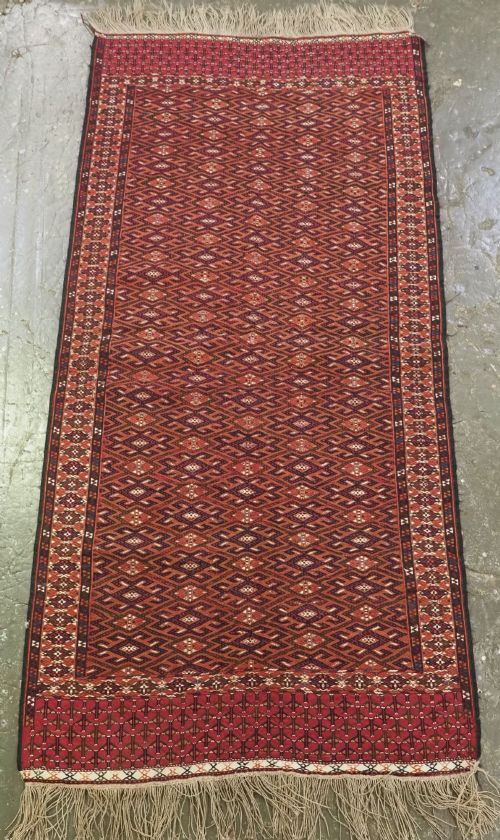
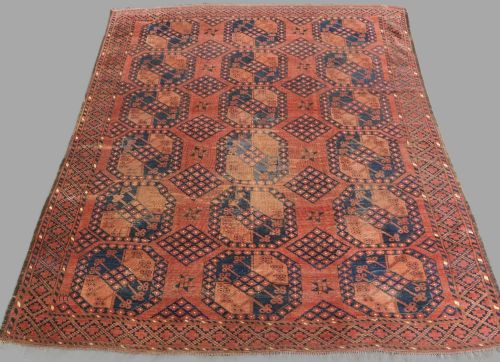
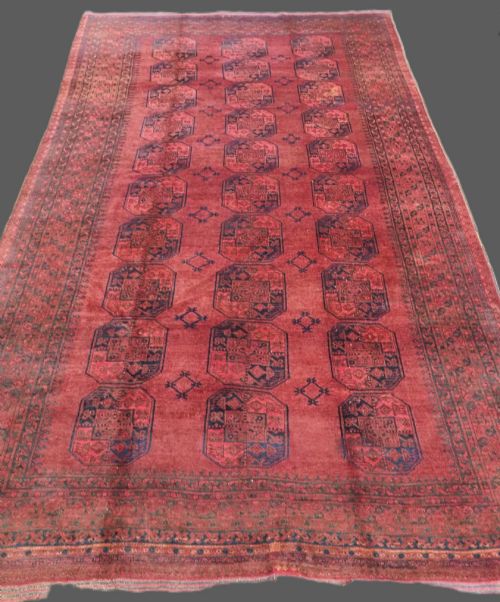
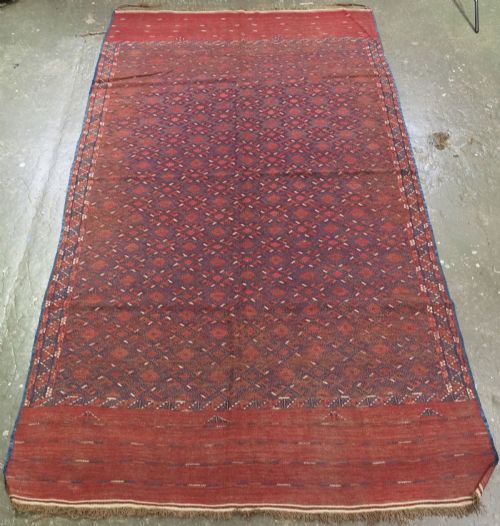
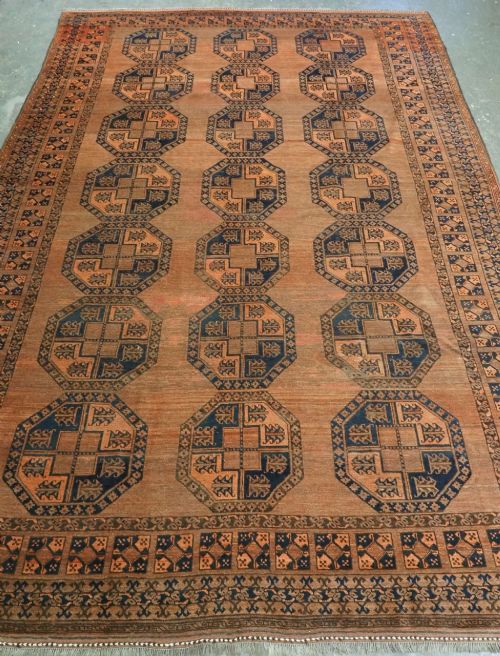
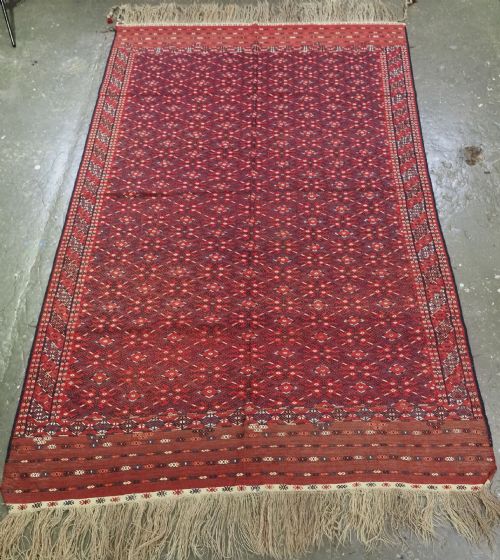
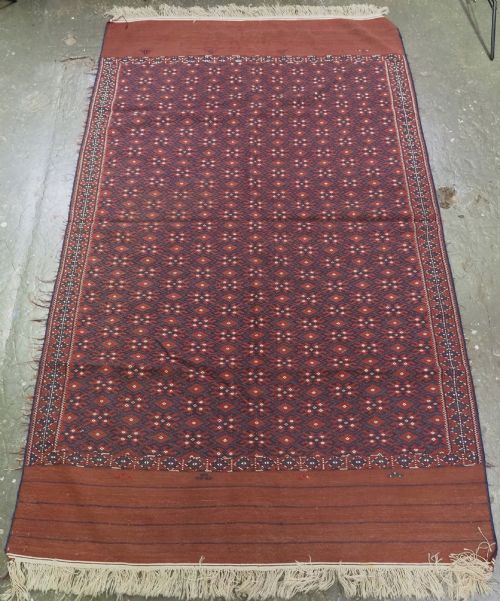
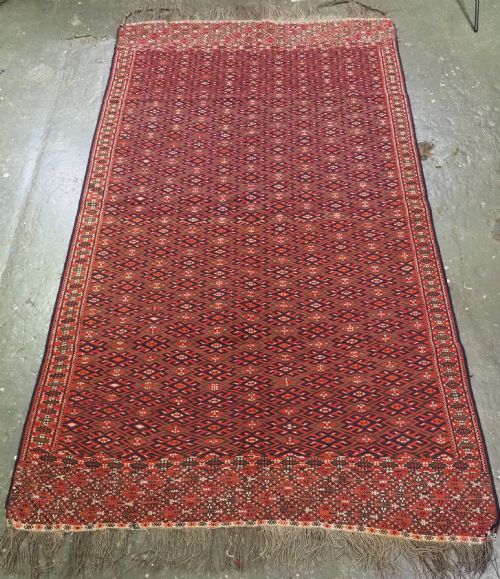
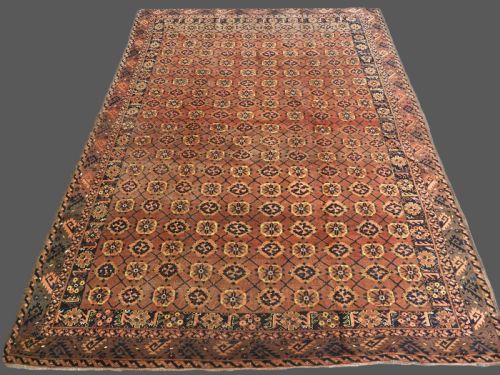
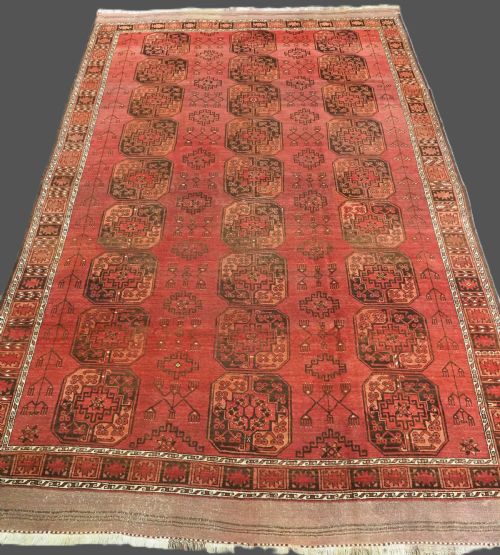
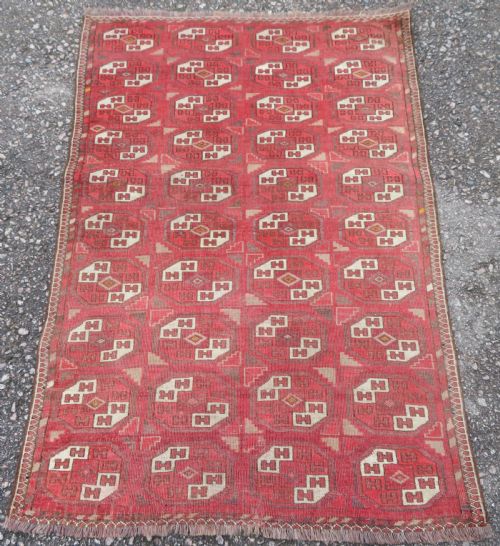
A terracotta turkmen carpet encompasses tribal floor coverings and woven textiles originating from Central Asia, produced across the nineteenth and early twentieth centuries. These pieces display rich reddish-brown colour palettes dominated by terracotta, madder red, and warm brown hues.
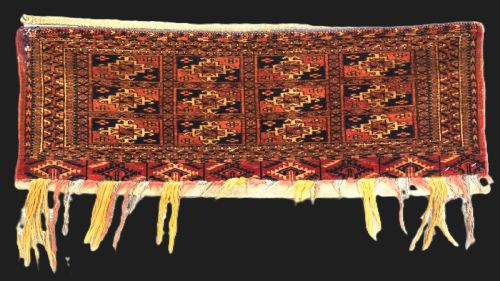
The selections available here range from large room-size main carpets to smaller utilitarian objects such as torbas, mafrashes, and tent door rugs. Pieces frequently exhibit tribal tribal geometries, including repeating guls, ensgi layouts, and soumak palas structures.
Tribal groups associated with these textiles include the Tekke, Ersari, Yomut, and Kizil Ayak communities. Each weaving group utilises specific structural motifs and design layouts that distinguish their regional output.
How They Were Made
Weavers constructed these textiles using hand-spun wool for the foundation warps, wefts, and dense pile. Natural dyes derived from local plants and minerals provided the foundational terracotta and red shades that age gracefully over time.
Flatweave techniques such as soumak and plain weave appear alongside knotted pile construction. Skilled artisans employed sturdy wool and dyed yarn to ensure the rugs could withstand nomadic daily life.
Terracotta Turkmen Carpet Retail Price Guide 2026
Typical asking prices for terracotta turkmen carpet among the pieces listed under this phrase on Sellingantiques today, from the lower quarter to the upper quarter. They describe what is for sale here now, not the wider market.
Some spindle bags carried spun wool across the desert, holding the very yarn that built the rug.
What Varies in Quality
Knot density and structural fineness separate standard utility pieces from exceptional tribal examples. Tighter knotting allows for crisper execution of intricate gul patterns and finer geometric details.
The depth and uniformity of the natural dyes significantly influence the visual impact of each textile. Superior examples retain complete original borders, intact fringes, and sound structural integrity across the wool foundation.
The Terracotta Turkmen Carpet Glossary
- Gul
- A primary repeating octagonal medallion motif used extensively in Central Asian rug design. Different tribal groups developed distinct gul variations to signify lineage.
- Torba
- A small wall-hanging bag or storage sack traditionally used inside a nomad tent. These pieces often feature highly concentrated geometric field designs.
- Soumak
- A flatweave technique involving wrapping weft threads over and under warp threads to create a textured, durable surface. This method produces sturdy bags and rugs without a traditional cut pile.
- Engsi
- A specialised rug hung over the tent entrance flap, featuring a characteristic cross design dividing the field into four panels. These textiles served a protective and decorative domestic function.
Terracotta Turkmen Carpet: Frequently Asked Questions
How do I style a terracotta rug?
These carpets anchor a room with their earthy red and brown tones, pairing well with wooden floors and neutral furniture. Their strong geometric designs suit both traditional studies and contemporary minimalist living spaces.
Ensure you place an appropriate underlay beneath the carpet to protect the hand-spun wool foundation and prevent slipping on smooth surfaces.
How do I clean a tribal carpet?
Regular gentle vacuuming without the rotating brush bar removes surface dust trapped within the wool pile. Professional specialist cleaning remains essential for addressing deeper soil or spills.
Avoid using harsh chemical detergents or excessive water, which can damage natural dyes and weaken historical fibres.
What is a main carpet?
A main carpet refers to a large-format floor covering produced for domestic floor use rather than smaller tent bags. These substantial pieces display repeated primary guls across an expansive field.
They represent the pinnacle of a weaving workshop's output, requiring significant time and cooperative labour to complete.
How do I identify tribal designs?
Design attribution relies on examining the specific gul motifs, border arrangements, and colour palettes characteristic of different weaving groups. Tekke, Yomut, and Ersari weavers each utilised distinct structural vocabularies.
Reference literature and expert comparative analysis help distinguish specific regional aesthetics from nineteenth-century village copies.