




Rustic Wool Flatweave
These rustic wool flatweave pieces are authentic tribal and traditional textiles that bring warmth and texture into any interior.
Rustic Wool Flatweave
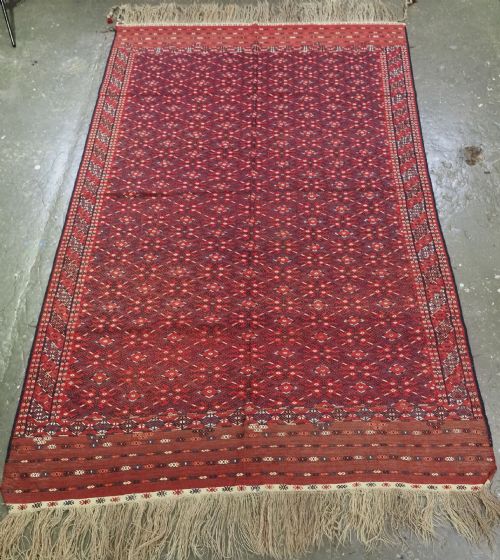
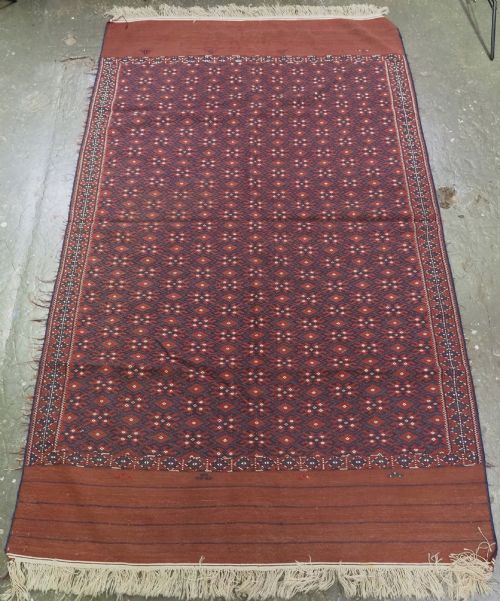
When searching for a rustic wool flatweave, buyers encounter a selection of traditional floor coverings, cushions, and covers originating from tribal workshops in Anatolia, Turkmenistan, Central Asia, and Afghanistan. These textiles include kilim rugs, soumak palas weaves, embroidered covers, and decorative cushions produced across several decades from the mid nineteenth century into the early twentieth century.
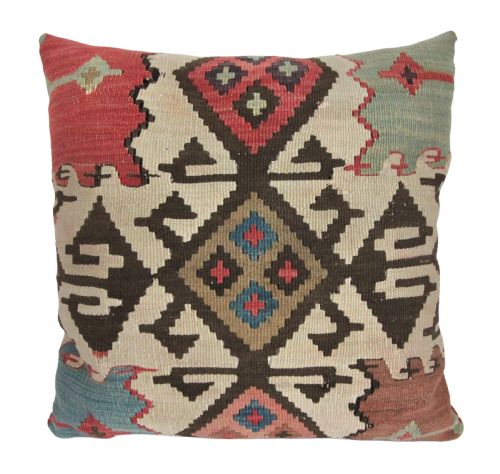
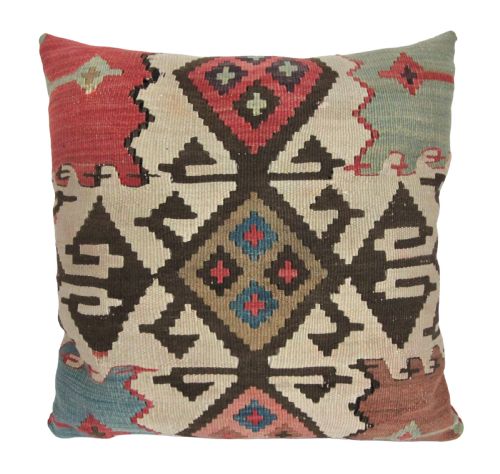
The most common forms on this page are antique kilim cushions and woven rugs displaying distinct tribal patterns. Pieces range from large two part Kayseri kilims down to smaller throw cushions fashioned from older fragments, alongside specific regional types such as Yomut Turkmen and Esme examples.
How they were made
The materials recorded in these listings rely principally upon wool and hand-spun wool, often paired with cotton foundations for structural support. Weavers utilised flatweave techniques without a knotted pile, interlocking or wrapping the weft threads tightly around the warp to build crisp geometric and tribal designs.
Certain examples incorporate supplementary embroidery or soumak structures, adding surface texture and complex pattern work to the flatweave foundation. Artisans employed natural dyeing traditions to achieve the bold and colourful schemes seen in regional Esme and Turkmen pieces.
Rustic Wool Flatweave Retail Price Guide 2026
Typical asking prices for rustic wool flatweave among the pieces listed under this phrase on Sellingantiques today, from the lower quarter to the upper quarter. They describe what is for sale here now, not the wider market.
Anatolian weavers occasionally hid small protective symbols within geometric borders to ward off bad luck.
What varies in quality
Quality across these flatweaves rests upon the integrity of the weave and the precision of the tribal motifs. Tighter, more consistent hand-spun wool yarns yield a denser fabric that holds its shape over decades of use.
The artistic merit of the design work also dictates standing, where purposeful geometry and balanced colour distribution elevate certain regional kilims and covers above standard production. Original condition, intact borders, and the careful conversion of older textiles into decorative cushions further separate superior examples.
The Rustic Wool Flatweave Glossary
- Flatweave
- A textile produced without a knotted pile by interlacing warp and weft threads directly. This technique creates a thin, durable fabric traditionally used for rugs, hangings, and covers.
- Kilim
- A specific pileless woven rug or textile originating from regions including Anatolia and Central Asia. These pieces are known for their geometric designs and sharp pattern edges.
- Soumak
- A brocaded flatweave technique where weft threads are wrapped over and under the warp threads in a herringbone or braided pattern. This method adds notable thickness and durability to the textile.
- Warp
- The vertical threads set up on a loom before weaving begins. They form the foundational structure that holds the tension of the piece.
- Weft
- The horizontal threads passed through the warp to create the visible design and colour fields. In these pieces, hand-spun wool forms the primary weft material.
Rustic Wool Flatweave: Frequently Asked Questions
What is a flatweave rug?
A flatweave is a textile constructed without any piled surface, meaning the design is woven directly into the structural threads of the piece.
These items are typically lighter than knotted carpets and function well as decorative floor coverings or wall hangings.
How do I care for antique wool textiles?
These wool and hand-spun wool pieces require gentle treatment, such as light vacuuming without a rotating brush and occasional professional cleaning suited for textiles.
Keeping them out of direct sunlight helps protect the natural dyes from fading over time.
Where do tribal kilims come from?
The pieces listed originate from traditional weaving regions including Anatolia, Turkmenistan, Afghanistan, and wider Central Asia.
Local tribes developed distinct geometric motifs and colour palettes that identify each regional style.
How are antique cushion covers made?
Many cushions are fashioned from older kilim rugs or embroidered covers, repurposing durable sections of vintage textiles for modern interiors.
This practice preserves surviving fragments of historical weaving while providing functional home accessories.