








Antique Turkmen Kilim
An antique turkmen kilim brings bold tribal geometry and rich wool flatweaves into a modern room.
Antique Turkmen Kilim
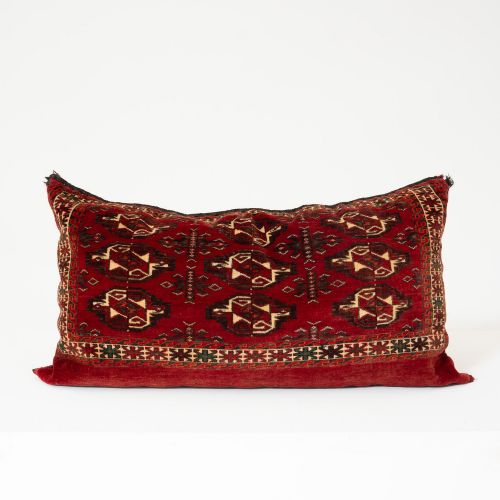
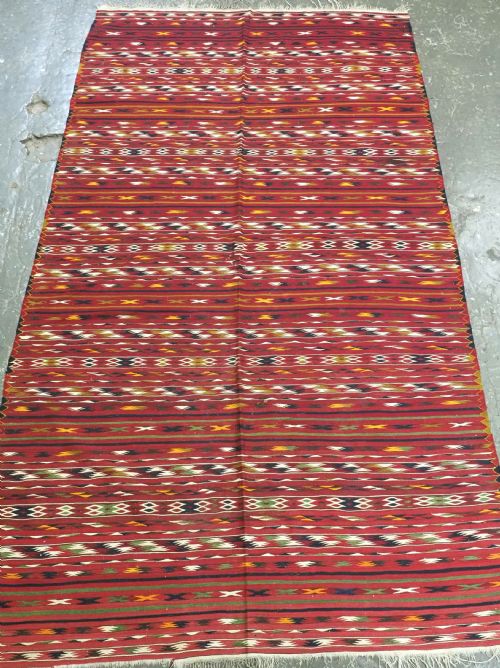
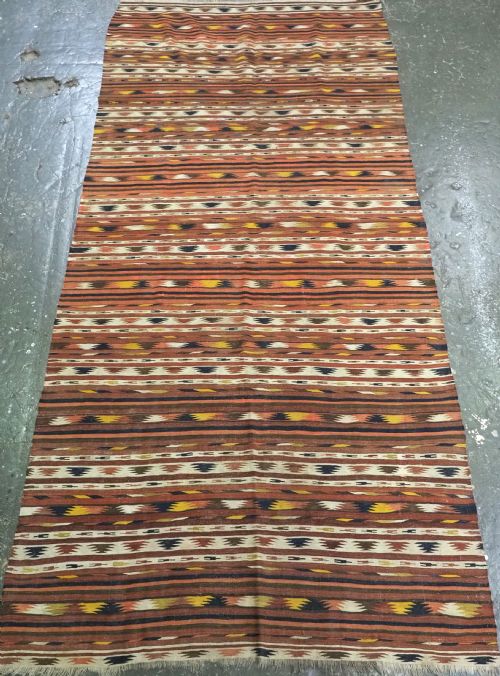
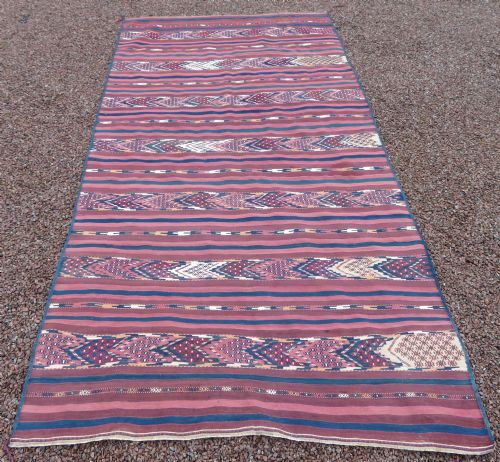
When you search for an antique turkmen kilim, you look at nomadic flatweaves produced across Central Asia by tribal groups including the Yomut, Tekke, and Ersari. These textiles range from wall hangings and rugs to cushions and utility bags such as chuvals and torbas.
The pieces appearing on this page span the mid-nineteenth century to the early twentieth century, specifically from eighteen-sixty to nineteen-twenty. They display traditional tribal and nomadic designs, often characterised by banded patterns, soumak work, and distinctive flatweave structures.
Materials and construction
Weavers constructed these flatweaves predominantly using wool, frequently combined with natural dyes and sometimes cotton foundation threads. The reliance on wool and natural colourants gave the textiles a durable handle and a deep, saturated tone.
Techniques varied from standard flatweave construction to soumak wrapping, cicim decoration, and banded designs. Individual pieces display fine weaves and long kilim ends finished with tassels or geometric motifs.
Antique Turkmen Kilim Retail Price Guide 2026
Typical asking prices for turkmen kilim among the pieces listed under this phrase on Sellingantiques today, from the lower quarter to the upper quarter. They describe what is for sale here now, not the wider market.
Nomads wove tiny protective amulets directly into the ends of their bags to ward off the evil eye while packing up camp.
Judging quality and character
Quality in these flatweaves rests on the tightness of the weave and the precision of the geometric design. Pieces with a very fine weave and intact long kilim ends stand apart from simpler or heavily worn examples.
The integrity of the original structure, including complete backs, tassels, and well-preserved natural dyes, separates standard utility bags and rugs from superior collector specimens.
Yomut Turkmen·Tekke Turkmen·Ersari Turkmen·Tekke Tribes of Turkmenistan
The Antique Turkmen Kilim Glossary
- Kilim
- A flatwoven textile produced without a pile, forming a smooth surface on both sides. This technique allows for sharp geometric patterns.
- Chuval
- A large nomadic storage bag face, traditionally used for household goods inside a yurt. These often feature rows of guls or secondary medallions.
- Torba
- A smaller utility bag than a chuval, hung on tent walls for storage. They frequently display banded flatweave designs.
- Soumak
- A wrapping technique where decorative pattern threads are wound over the warp threads before being bound. This creates a textured surface resembling a braid.
- Palas
- A term used for flatwoven rugs and covers produced by nomadic tribes. These textiles served various utility and decorative functions in daily life.
Antique Turkmen Kilim: Frequently Asked Questions
How were these kilims used originally?
Nomadic tribes utilised these flatweaves as floor coverings, wall hangings, and functional storage containers inside tents. Pieces like chuvals and torbas served specifically to hold household possessions.
Over time, these utility textiles transitioned into decorative objects appreciated for their tribal artistry and geometric composition.
How do I care for an antique flatweave?
Protect the wool textile by placing it out of direct sunlight to prevent natural dye fading. Vacuum gently with a suction-only attachment without using a rotating brush bar.
Rotate the piece periodically to ensure even wear across the surface. Professional cleaning by a specialist in antique textiles remains essential when washing is required.
How can I tell Yomut and Tekke pieces apart?
Yomut weavings often feature distinct banded flatweave designs, soumak work, and elongated kilim ends with chevron or diamond patterns. Their palette tends toward deep reds and browns.
Tekke examples frequently display precise geometric structures and fine weaves associated with Central Asian nomadic traditions. Specific structural details help attribute pieces to particular tribal groups.
What is a tent band?
A tent band is a long, narrow strip of woven textile used structurally to secure nomadic dwellings or functionally as decoration inside the tent. These bands exhibit dense geometric patterns.
Because they were made for heavy daily use in nomadic life, surviving examples from the nineteenth century are exceptionally uncommon.