





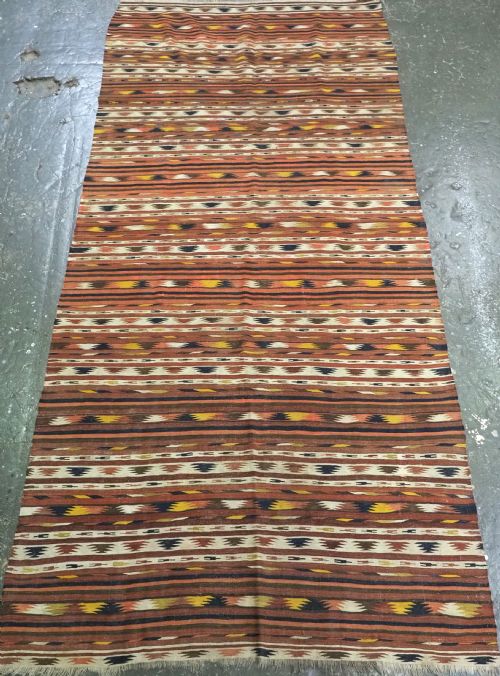


Terracotta Turkmen Area Rug
When choosing a terracotta turkmen area rug, you select a tribal textile defined by deep red tones and geometric motifs.
Terracotta Turkmen Area Rug
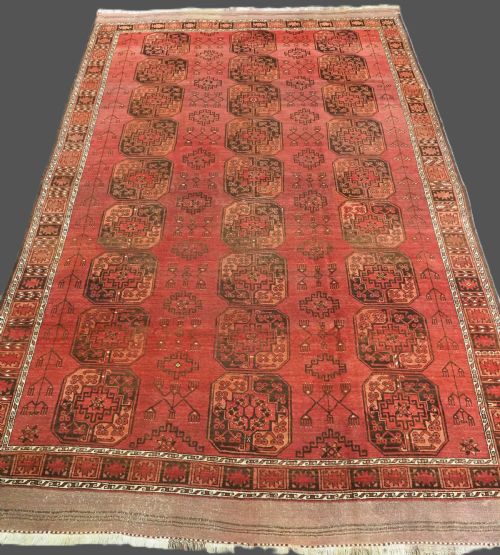
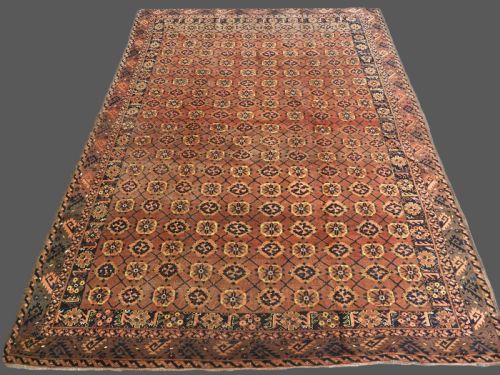
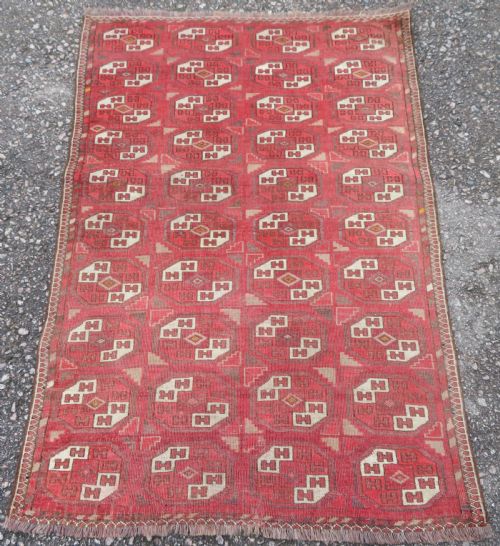
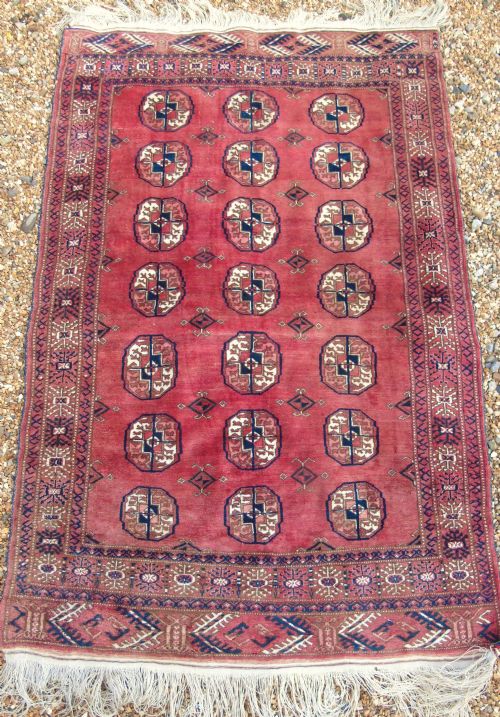
A terracotta turkmen area rug brings centuries of Central Asian tribal weaving tradition directly into a room. These textiles encompass main carpets, door hangings, dowry rugs, and smaller nomad formats created by regional groups.
The pieces available here lean heavily toward nineteenth-century examples produced by weavers from the Ersari, Tekke, and Yomut tribes. Such floor coverings served practical and decorative functions within nomadic and village households.
Tribal formats range from small square formats and prayer rugs to expansive room-size carpets. Each type carries specific medallion layouts that identify the maker's specific lineage.
What varies in quality
Knot density and structural crispness define the upper tier of these textiles. A tighter weave allows intricate guls and geometric borders to maintain sharp definition.
The depth and saturation of the natural dyes greatly influence the visual impact of a rug. Superior examples display subtle tonal variations within the red fields that emerge from careful dyeing methods.
Terracotta Turkmen Area Rug Retail Price Guide 2026
Typical asking prices for terracotta turkmen area rug among the pieces listed under this phrase on Sellingantiques today, from the lower quarter to the upper quarter. They describe what is for sale here now, not the wider market.
Listings feature nineteen-century nomadic weavings created using hand-spun wool and natural dyes.
The Terracotta Turkmen Area Rug Glossary
- Gul
- The primary repeating octagonal medallion found across Turkmen rug designs. These motifs often identify the specific tribal group that wove the carpet.
- Ensi
- A traditional tribal door hanging featuring a quartered design layout. Households used these textiles over tent or yurt entrances.
- Soumak
- A flat-weave technique where coloured weft threads wrap around the warp threads in a continuous fashion. This method creates a textured surface without a traditional cut pile.
- Kapunuk
- An ornamental tent door surround woven in three joined sections. These pieces framed the interior wooden lintels of nomadic dwellings.
- Torba
- A small storage bag face utilised inside nomadic tents for personal belongings. Collectors prize these fragments for their concentrated design work.
Terracotta Turkmen Area Rug: Frequently Asked Questions
Where were these rugs made?
These textiles originate from Central Asia, produced by nomadic and village tribes across regions that include modern-day Turkmenistan and northern Afghanistan.
Weavers worked within specific tribal confederations, passing down traditional patterns through generations.
How do I care for an antique rug?
Protect the wool pile by vacuuming gently without a rotating brush roll and keeping the textile out of direct sunlight.
Rotate the rug periodically to ensure even wear across high-traffic areas in your home.
What does a gul mean?
The gul is a botanical or geometric crest that represents the tribal identity of the weavers. Different clans utilised distinct medallion variations.
Recognising these forms helps determine whether a piece belongs to the Tekke, Ersari, or Yomut traditions.
Are these rugs suitable for daily use?
Historic wool and natural dye textiles withstand normal residential foot traffic when placed in appropriate low-impact zones. Placing a proper underlay beneath the carpet prevents slipping and reduces fibre stress.
Gentle placement allows you to enjoy these woven artefacts as functional floor coverings.