

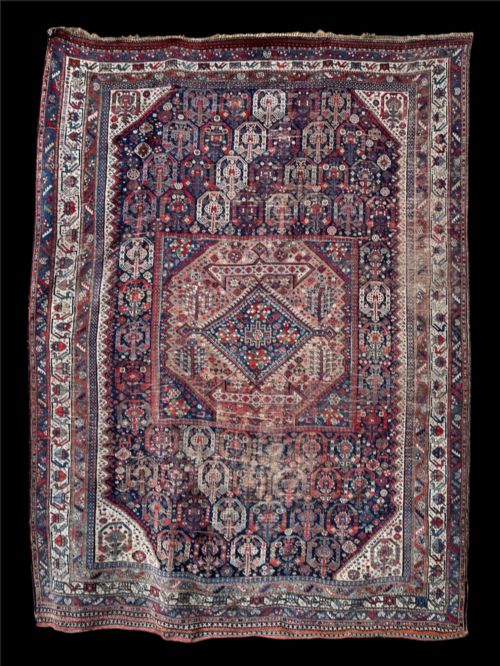
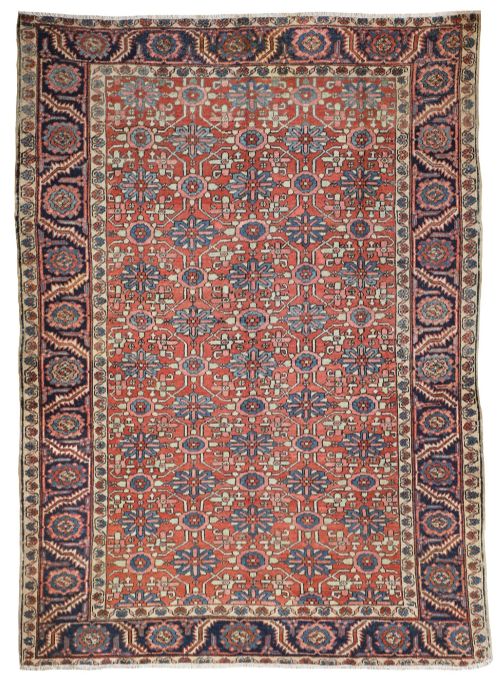
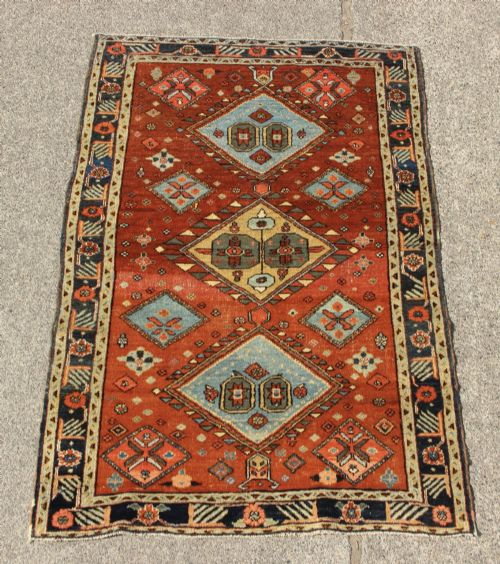
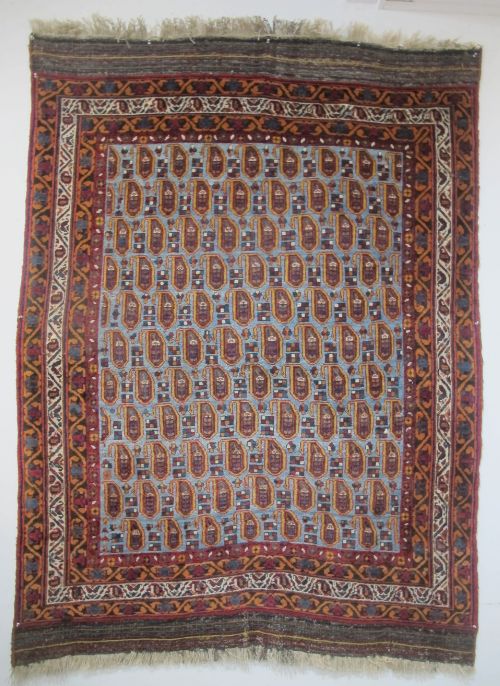

Terracotta Persian Area Rug
These terracotta persian area rug pieces deliver enduring warmth and geometric precision, bringing centuries of village and workshop weaving traditions directly into contemporary rooms.
Terracotta Persian Area Rug
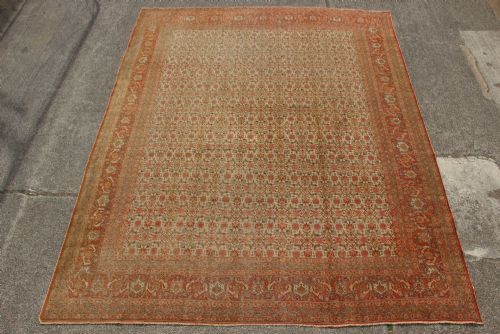
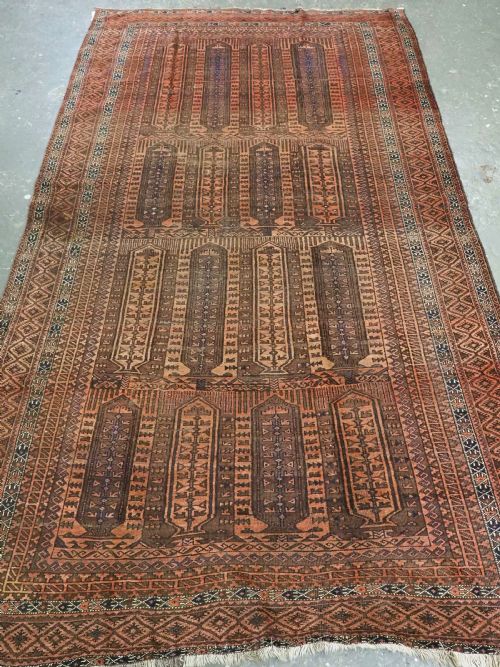
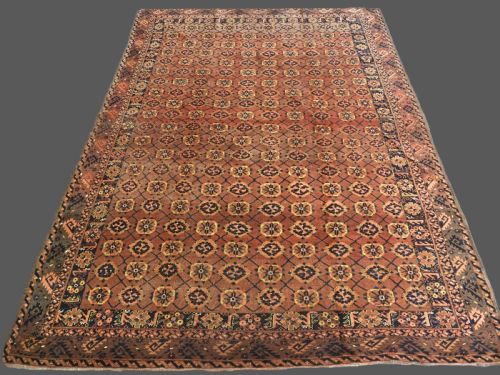
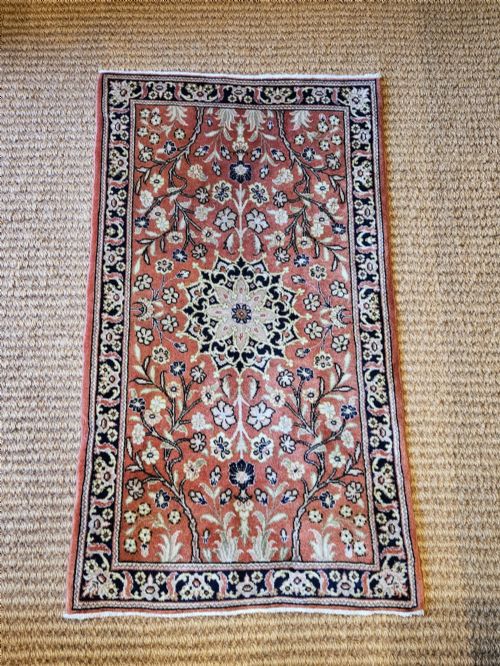
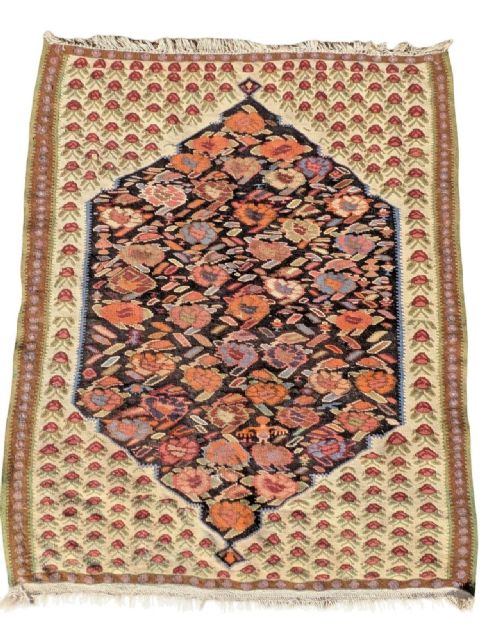
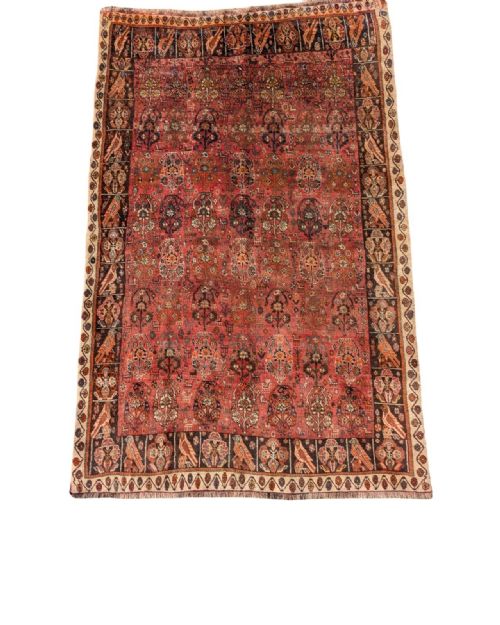
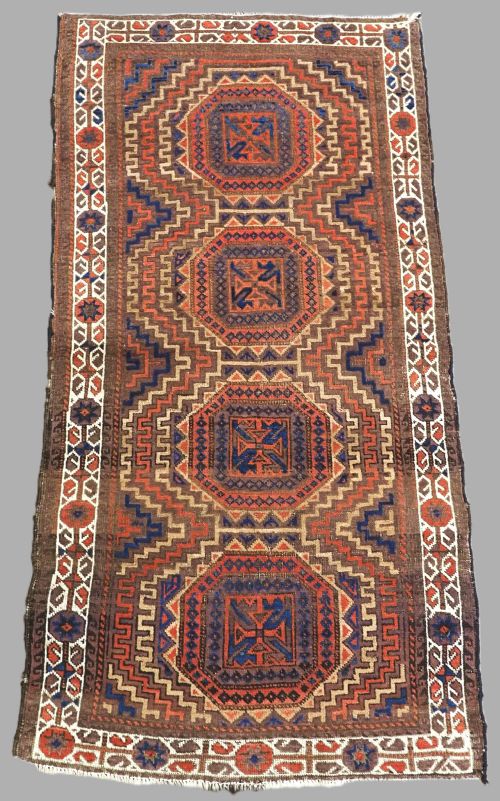
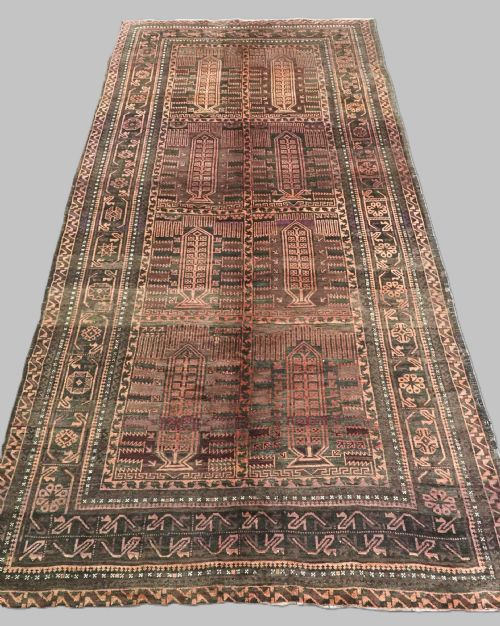
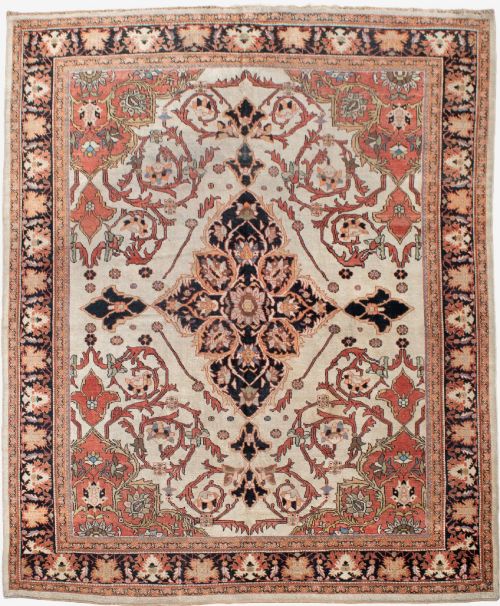
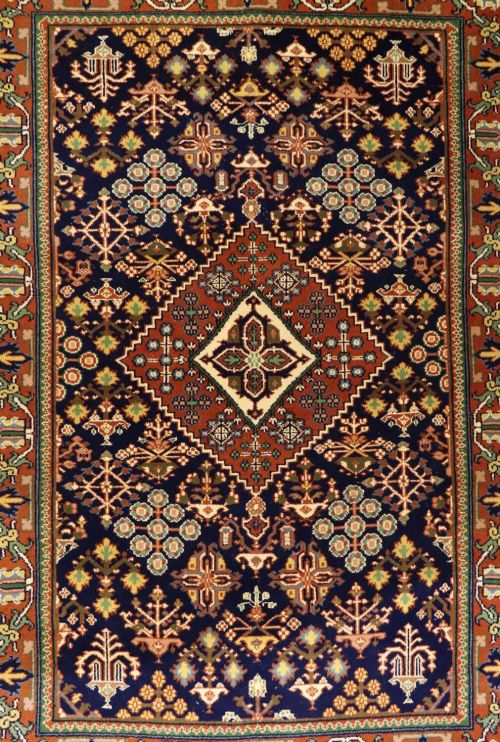
A terracotta persian area rug encompasses hand-knotted village and tribal carpets originating from regions such as Heriz, Serapi, Afshar, and Baluch, spanning the late nineteenth century to the mid-twentieth century. Buyers searching this phrase typically encounter room-size carpets and smaller floor coverings dominated by earthy red and terracotta ground colours.
The inventory on this page ranges from large room carpets to compact hearth rugs, reflecting diverse weaving traditions across Persia and neighbouring tribal territories. Geometric medallions and all-over boteh motifs predominate over floral court designs in this specific colour group.
Materials and construction methods
These carpets rely on sturdy wool foundations and pile yarns, occasionally combined with cotton warps and wefts, while select pieces incorporate camel hair or delicate silk. Artisans knotted these materials by hand, securing the pile with tight tension to withstand generations of floor use.
Weavers utilised natural dyes derived from plants and minerals to achieve terracotta, madder red, and indigo tones that deepen in character over time. The structural integrity depends on the density of the knots and the robustness of the wool used in the pile.
Some nineteenth-century weavers hid tiny rogue animal motifs or misplaced geometric knots inside massive medallions just to keep the spirits guessing.
Distinctions in craftsmanship and materials
Quality in these textiles depends upon the fineness of the knot count, the purity of the wool, and the complexity of the design layout. Superior examples display balanced symmetry in their geometric medallions and crisp saturation in their natural dyes.
The handling of the wool foundation and the precision of the tribal motifs separate standard village production from finer workshop carpets. Gradations in wear and the retention of original side cordings also distinguish well-preserved specimens.
The Terracotta Persian Area Rug Glossary
- Heriz
- A rug-producing region in north-west Persia known for durable carpets featuring bold geometric medallions and terracotta fields. These pieces often incorporate strong cotton foundations.
- Boteh
- A stylised almond or paisley motif representing a floral sprout or cypress tree, frequently repeated across tribal and village carpets. It appears in numerous nineteenth-century examples.
- Medallion
- A central ornamental design element placed in the middle of the rug field, common in Persian tribal and workshop weaving. This focal point anchors the surrounding geometric or floral patterns.
- Prayer Rug
- A small format carpet featuring a mihrab or niche design used historically for daily devotions. These rugs typically display directional motifs pointing toward Mecca.
- Kilim
- A flat-woven carpet produced without a pile, created by tightly interweaving warp and weft threads. These pieces offer a lighter weight alternative to knotted carpets.
Terracotta Persian Area Rug: Frequently Asked Questions
How do I clean an antique rug?
Professional dusting and gentle washing by specialists in antique textiles remain the safest methods for maintenance. Avoid harsh chemical treatments and excessive water immersion to protect natural dye stability.
Regular vacuuming without a rotating power brush helps remove abrasive grit from the wool pile. Prompt attention to spills prevents staining without compromising the integrity of the cotton or wool foundation.
Are these carpets suitable for heavy foot traffic?
Wool and camel hair pile constructions woven with tight knotting endure everyday walking remarkably well in domestic settings. Placing a quality underlay beneath the carpet prevents slipping and reduces fibre friction against hard floors.
Lighter village rugs and finer silk pieces benefit from placement in lower-traffic zones to preserve their structural details. Room-sized Heriz and tribal carpets naturally accommodate active hallways and living spaces.
How can I tell a village rug from a workshop rug?
Village and tribal pieces display asymmetrical, spontaneous design variations and heavier wools reflecting local materials. Their patterns emerge directly from the weaver's memory rather than a rigid cartoon template.
Workshop carpets exhibit greater symmetry, finer knot densities, and more refined floral or medallion layouts. These city-produced rugs often utilise cotton foundations for added structural stability.
What causes the varied tones in the terracotta field?
Natural dyes react uniquely to mordants, wool types, and exposure to light over decades of use. This variation, known as abrash, creates subtle horizontal or vertical tonal shifts within the terracotta ground.
Such shading indicates traditional dyeing methods using madder root rather than uniform synthetic colourants. Collectors value these tonal irregularities for the depth and authenticity they impart to the textile.