

Teak Side Table
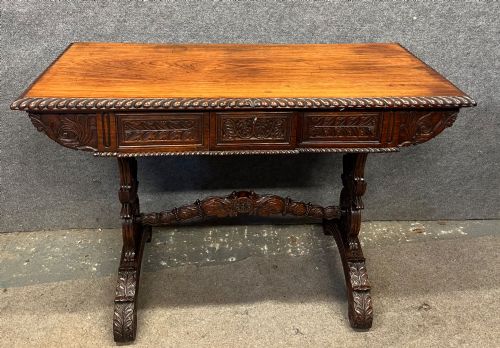
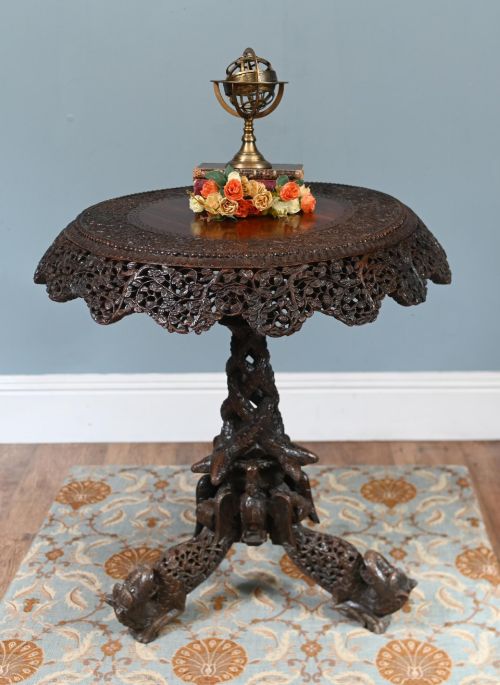
A teak side table brings rich, dense grain and intricate carving into a room, spanning nineteenth-century Anglo-Indian workshops to mid-century modern designs.
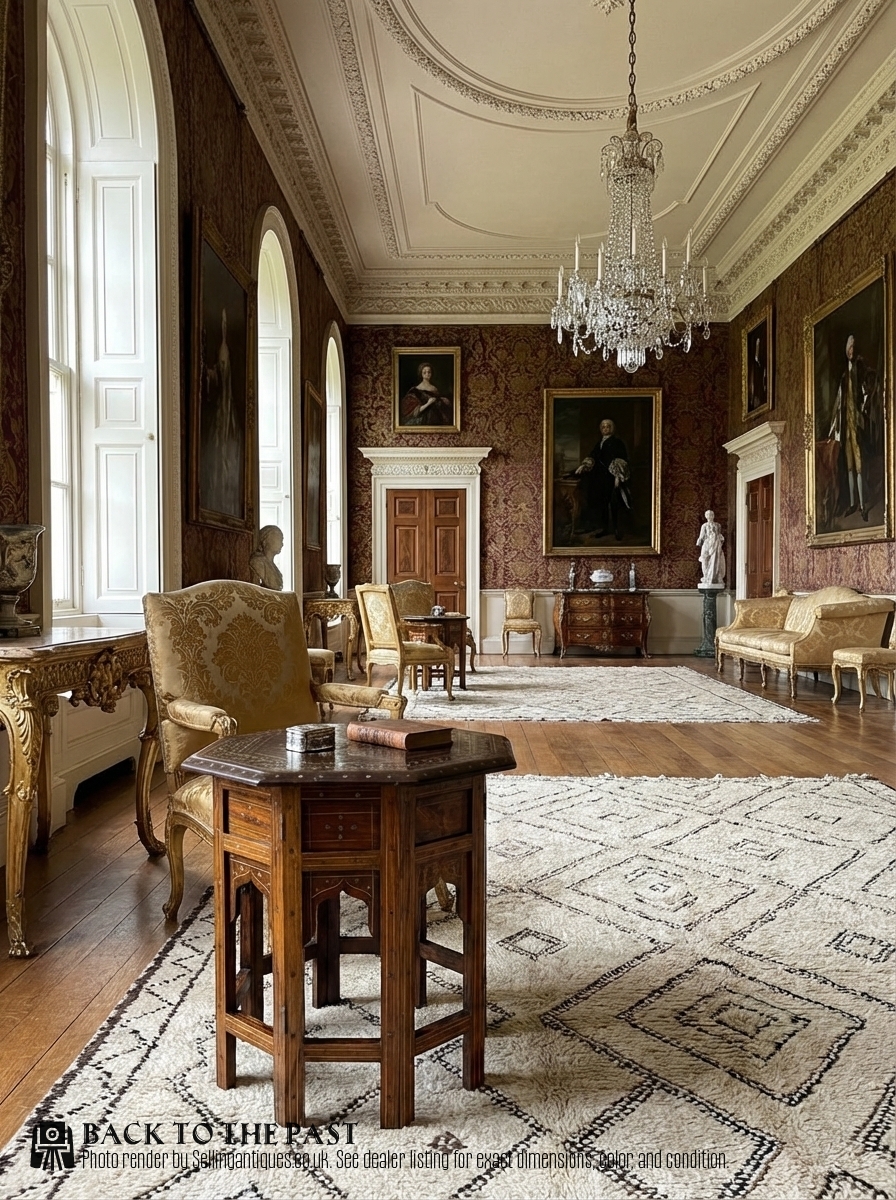
Teak Side Table
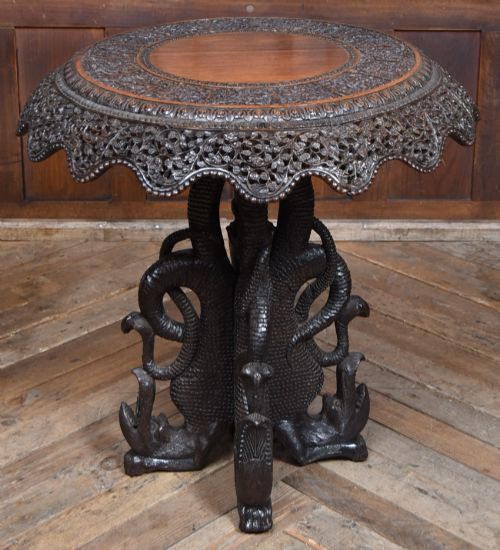
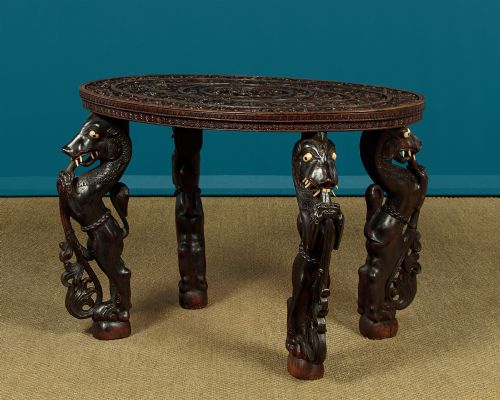
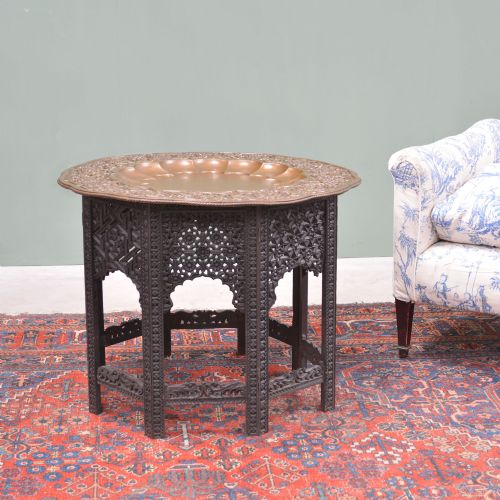
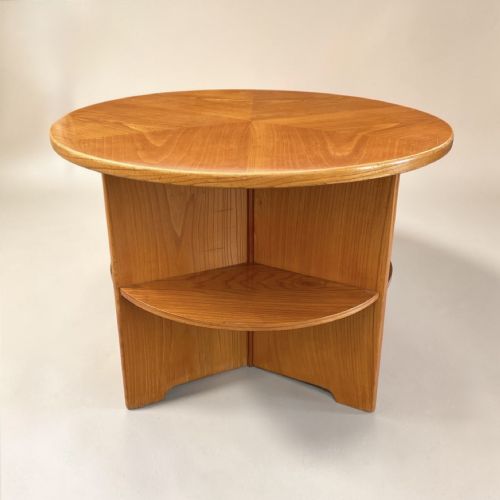
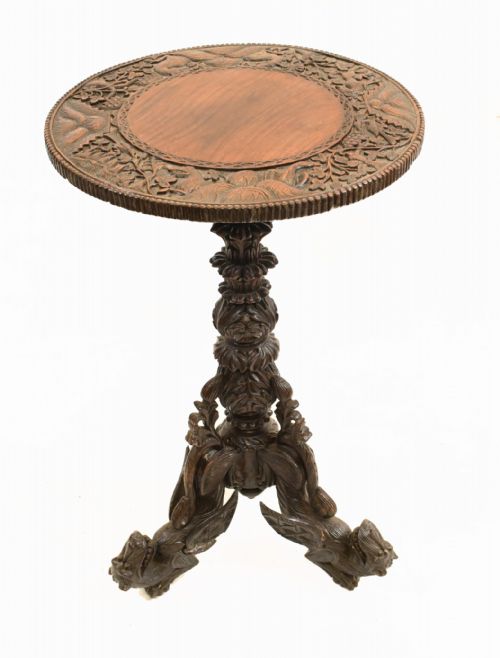
A teak side table covers a wide domestic footprint, appearing as compact bedside cabinets, folding lamp tables, and multi-tiered occasional surfaces. The selection leans heavily toward nineteenth-century Anglo-Indian and Burmese pieces, alongside later Art Deco and mid-century modern forms.
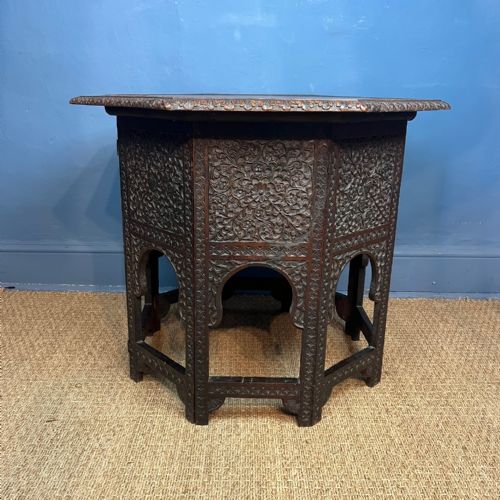
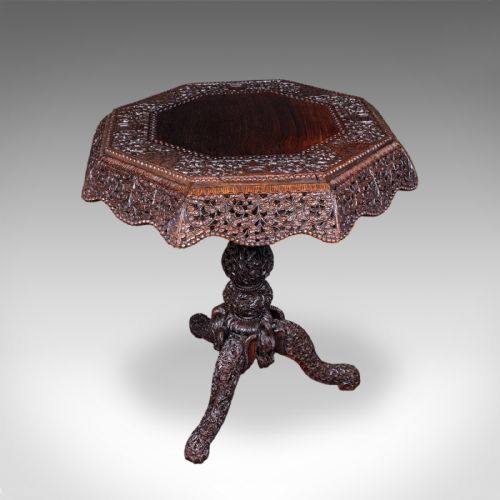
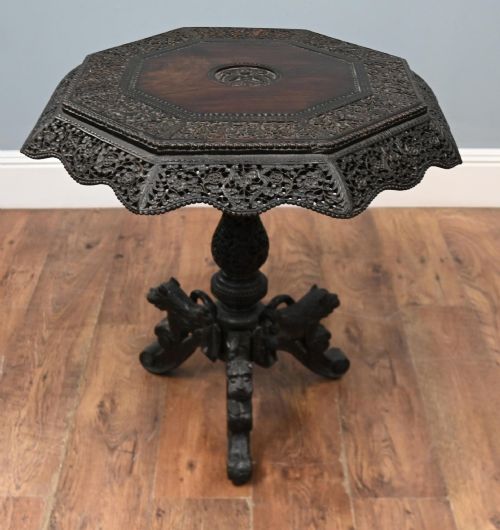
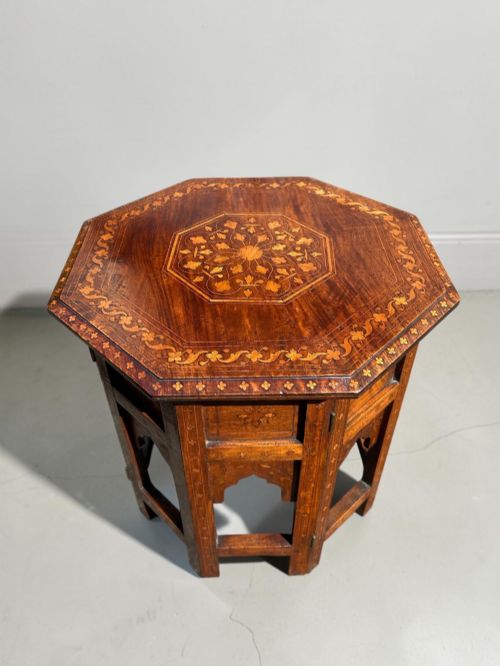
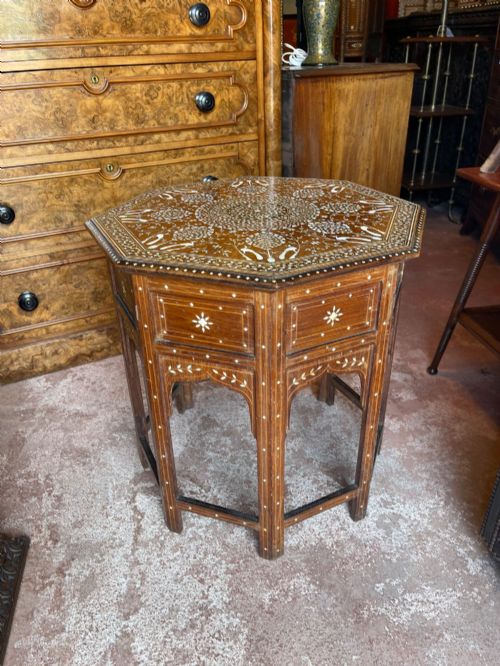
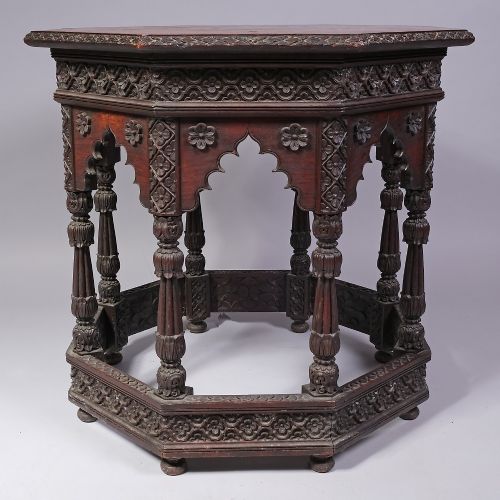
Makers often shaped these tables into octagonal silhouettes or fitted them with removable tray tops, utilising folding bases for practical storage. Regional variations bring distinct regional motifs, from the intricate geometric inlay of Hoshiarpur to the figural carving of the Bombay Presidency.

How They Were Made
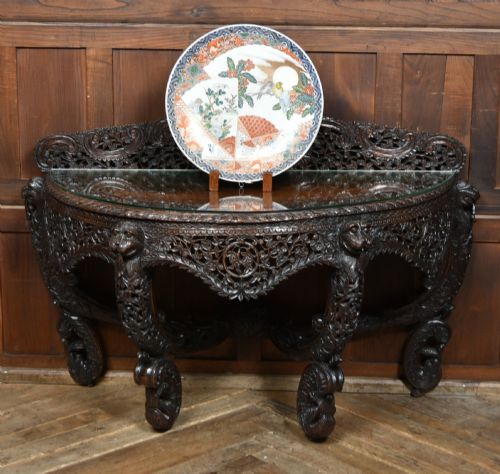
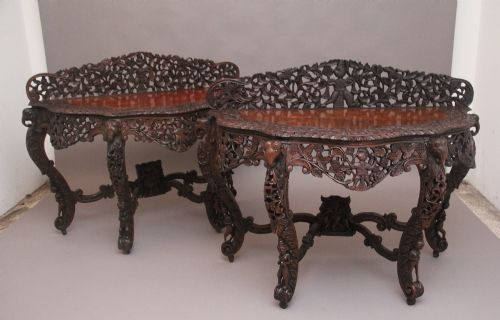
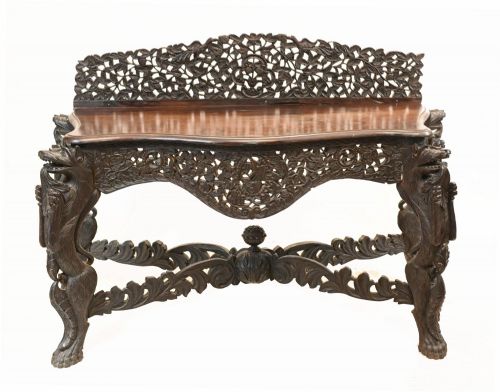
Craftsmen built these tables using dense tropical hardwoods, predominantly solid teak and rosewood, paired with contrasting decorative elements like bone, brass wire, and copper inlay. Pierced fretwork and deep relief carving define the surfaces of Anglo-Indian and Burmese examples.
Many portable and folding forms utilise clever interlocking wooden hinges and removable trays supported by collapsible spider bases. Structural joinery relies on traditional pinning and mortise techniques to manage the heavy, oil-rich nature of the timber.
Teak Side Table Retail Price Guide 2026
Typical asking prices for teak side table among the pieces listed under this phrase on Sellingantiques today, from the lower quarter to the upper quarter. They describe what is for sale here now, not the wider market.
Listings feature teak alongside contrasting materials such as brass, bone inlay, and glass across various periods.
What Varies in Quality
Quality rests in the precision of the carving and the intricacy of the inlay work, where crisp, deep relief distinguishes master workshops from simpler commercial output. The tightness of folding hinges and the stability of collapsible frames also separate standard utility tables from finer bespoke commissions.
The choice of secondary materials impacts overall execution, with densely packed bone or polished brass wire inlay showing greater durability and patience than surface-level scoring. Timber selection matters equally, as uniform grain and rich natural colouration elevate the presence of the piece.
Hughes Bolcklow
The Teak Side Table Glossary
- Hoshiarpur
- A district in Punjab known for intricate woodworking traditions where artisans inlaid teak with delicate brass wire and bone geometric patterns.
- Octagonal
- An eight-sided table top shape frequently seen on Anglo-Indian occasional and coffee tables designed to maximise usable surface area in compact spaces.
- Tray top
- A removable upper section with raised edges, allowing the surface to function independently as a serving tray atop a folding wooden stand.
- Campaign table
- A portable folding piece of furniture designed for easy transport, often featuring brass fittings and collapsible bases.
- Padouk
- A heavy, durable exotic hardwood with reddish hues sometimes utilised in nineteenth-century colonial furniture production alongside teak.
Teak Side Table: Frequently Asked Questions
How do I date a folding table?
Dating relies on examining the complexity of the brass inlay, the depth of the hand-carved fretwork, and the mechanical design of the folding mechanism. Nineteenth-century examples typically show heavier timber and denser, hand-punched wire work compared to later twentieth-century iterations.
Checking the patination of the teak and the construction of the hinges helps differentiate early colonial pieces from mid-century revivals.
Were these tables made for export?
Many Anglo-Indian and Burmese tables were produced specifically for the European export market during the British colonial period to satisfy domestic demand for exotic furnishings. Workshops adapted traditional local carving and inlay techniques into popular Western furniture forms like side tables, coffee tables, and nest sets.
This exchange blended Eastern craftsmanship with Victorian and Edwardian interior tastes.
How do I care for teak furniture?
Teak contains natural oils that keep the timber resilient, requiring only occasional dusting with a dry or slightly damp cloth to maintain the surface. Avoid placing these tables near direct heat sources or strong sunlight, which can dry out the wood and affect delicate brass or bone inlay.
Applying mild beeswax sparingly helps preserve the rich natural colour of the grain without sealing the timber.