
Tall Wooden Pedestal
A tall wooden pedestal lifts sculpture, plants and light above the floor, bringing height and structure to a room.
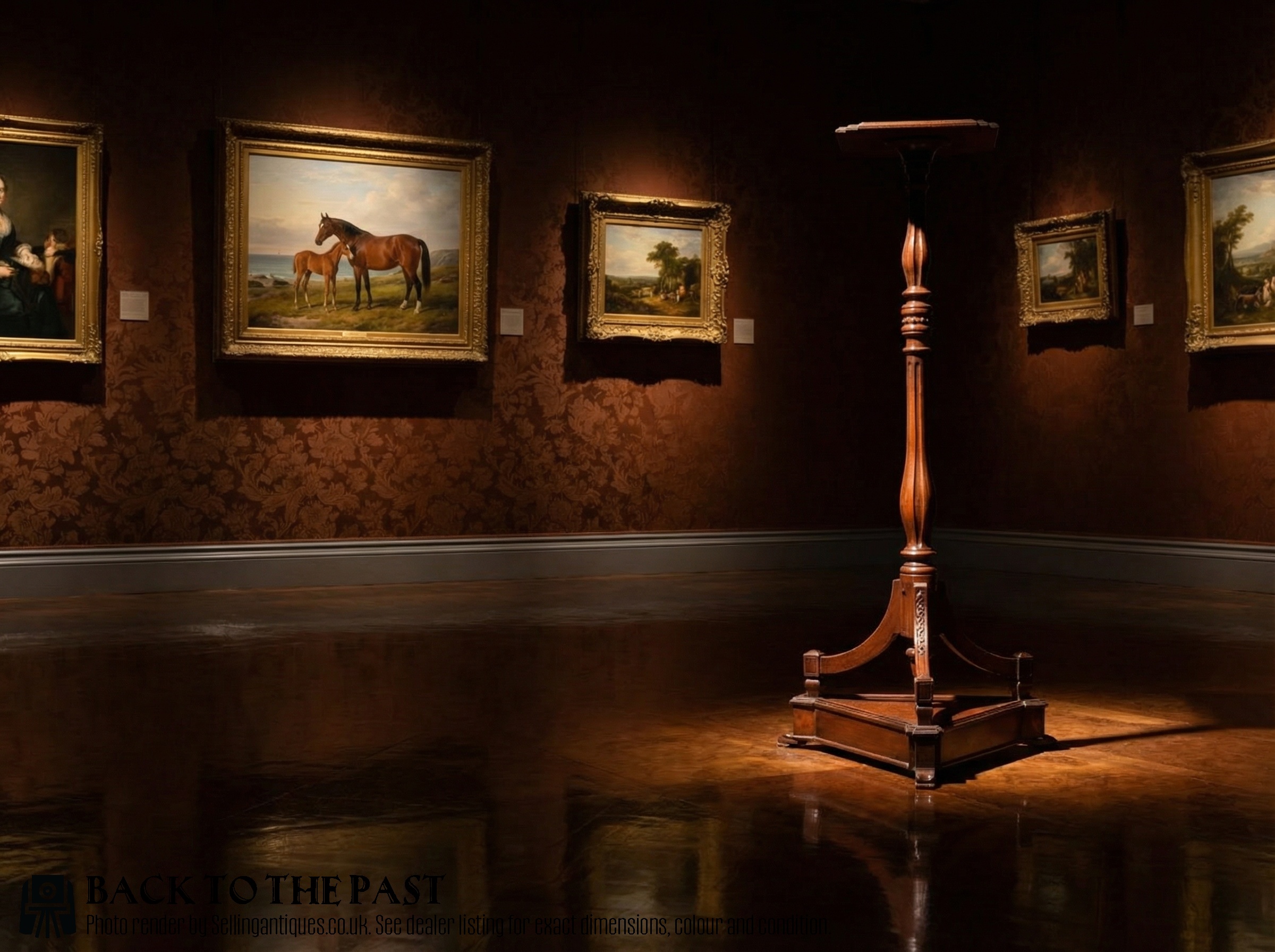
Tall Wooden Pedestal
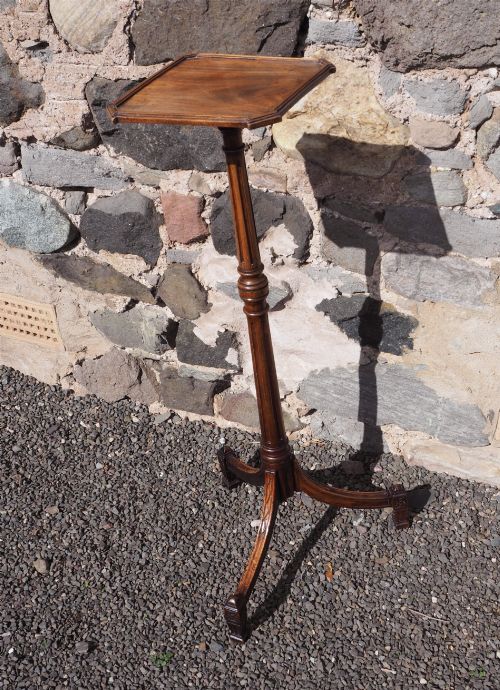
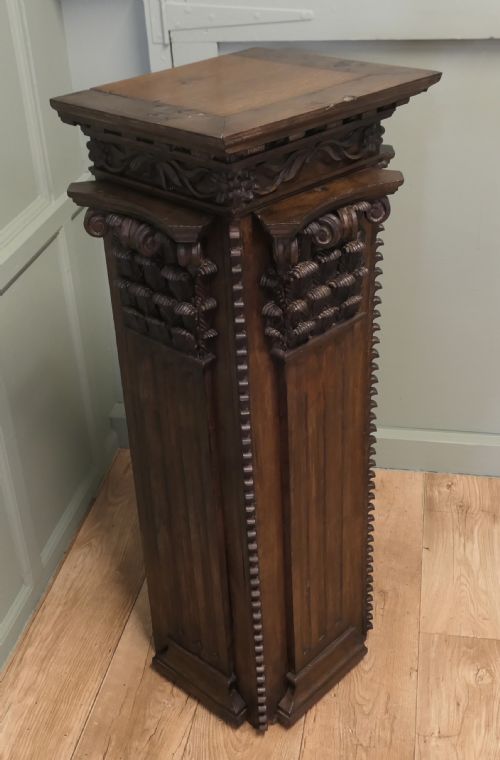
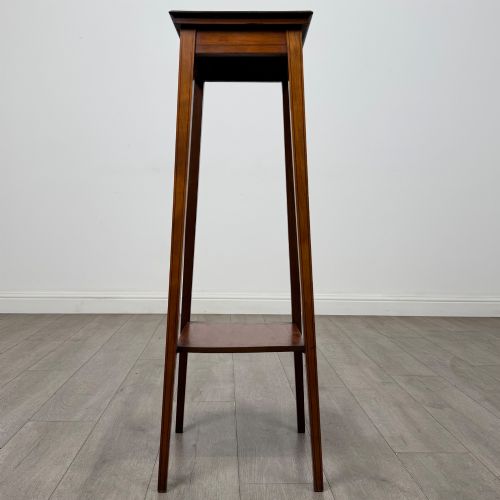
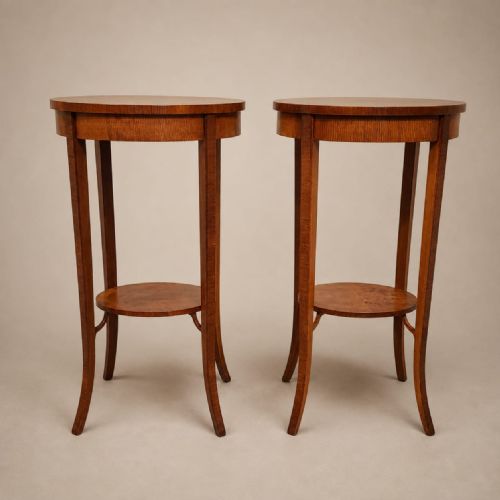
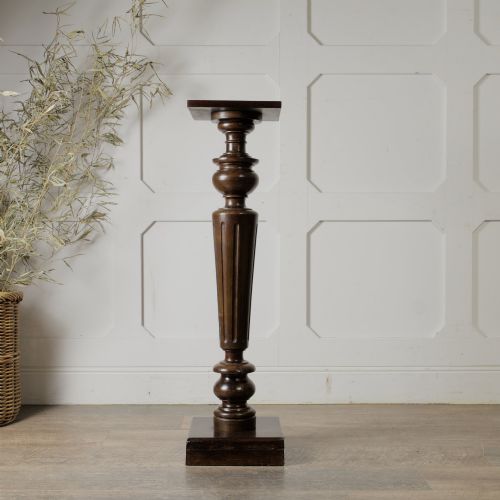
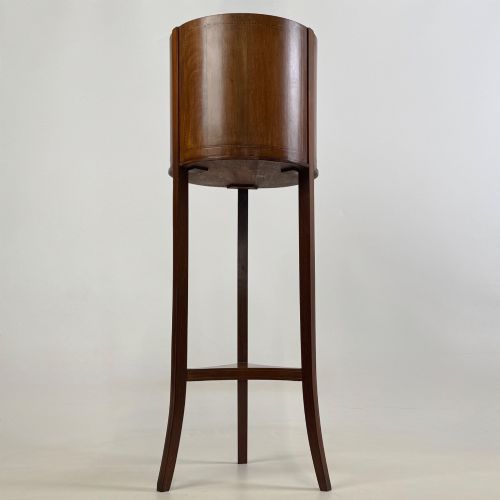
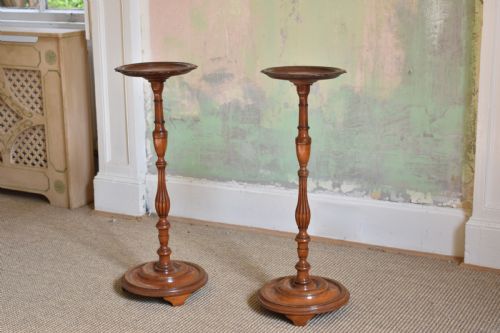
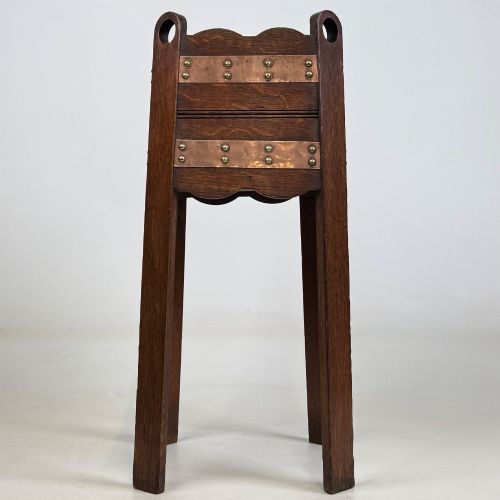
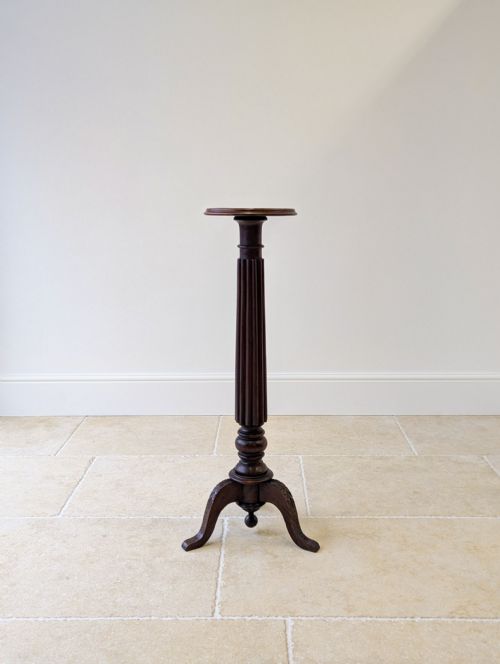
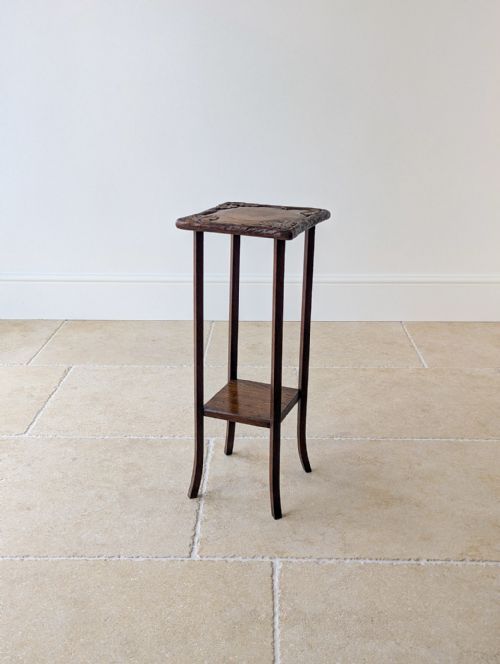
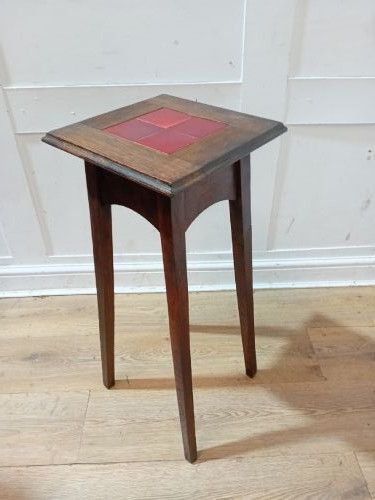
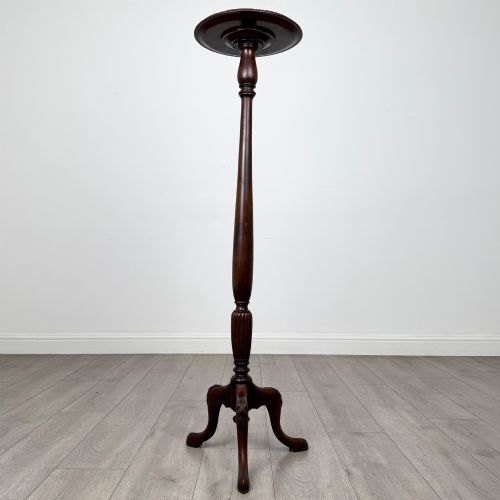
A tall wooden pedestal serves as a display surface for plants, urns, and sculpture, standing upright to elevate objects within a room. When searching for a tall wooden pedestal, buyers encounter forms ranging from slender torcheres and plant stands to robust display columns and urn stands.
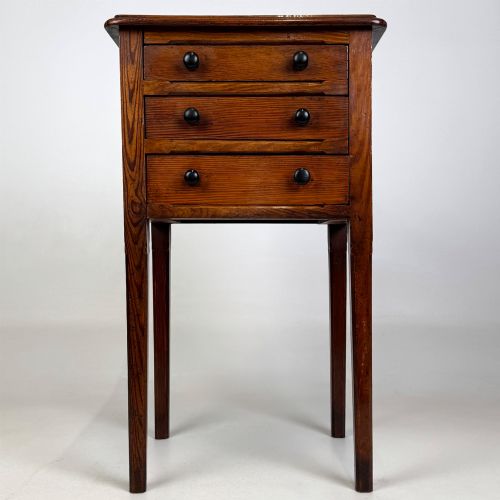
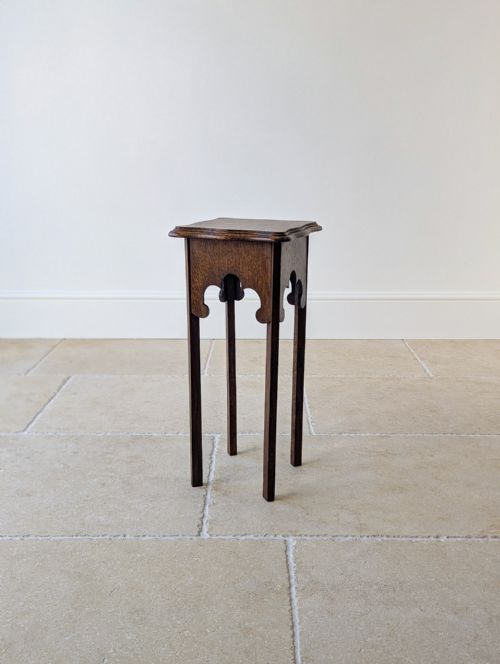
The pieces on this page span several centuries, with particular strength in Victorian and Edwardian examples alongside Georgian and 18th-century designs. Most frequently, a tall wooden pedestal appears as a mahogany, oak, or walnut plant stand or torchere dating from the 19th or early 20th century.
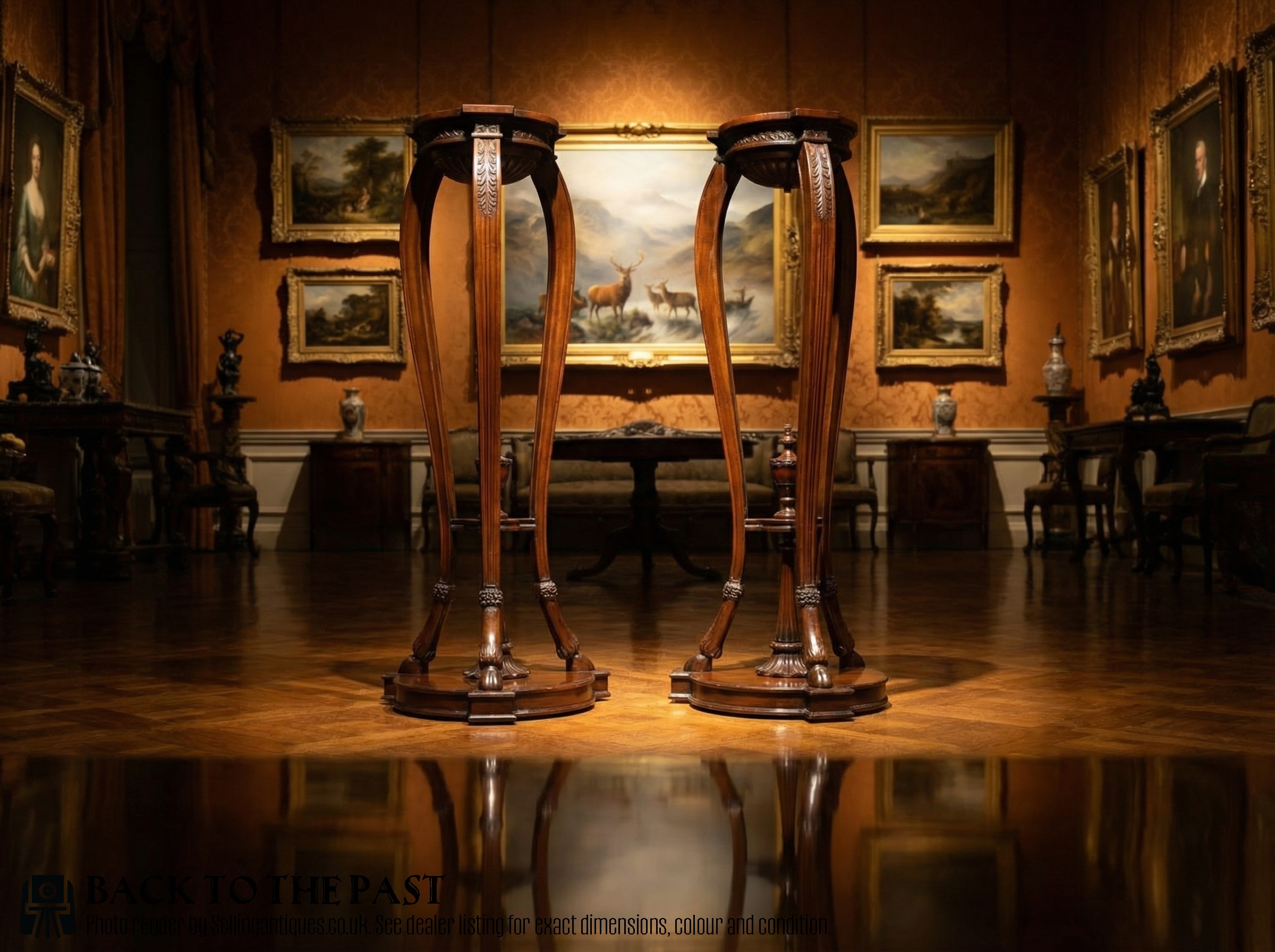
Materials and construction
Cabinetmakers utilised hardwoods such as mahogany, walnut, and oak to build these supports, frequently incorporating satinwood for inlay or ebonised wood for dramatic contrast. Timber selection dictated both the load-bearing capacity and the decorative character of the column or stand.
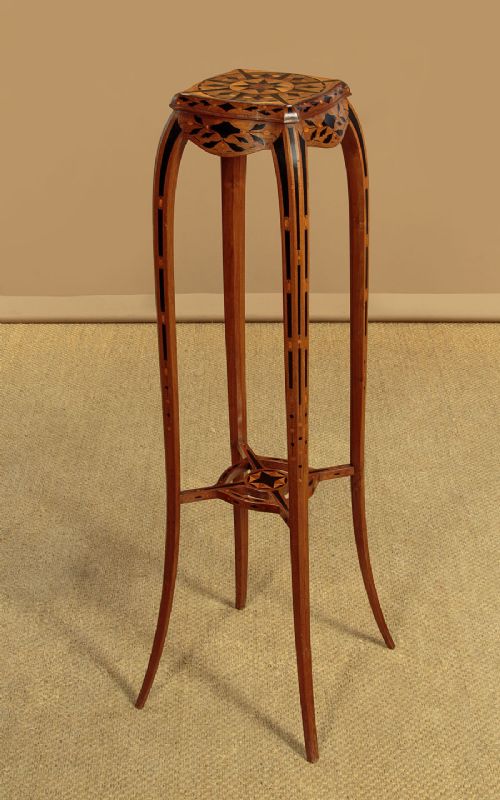
Construction techniques include hand-carving, wood-turning, and marquetry inlay, yielding everything from fluted columns to stepped square plinths and tripod bases. Surfaces finished with original green paint or French polish preserve the grain and tone of the underlying timber.
Tall Wooden Pedestal Retail Price Guide 2026
Typical asking prices for tall wooden pedestal among the pieces listed under this phrase on Sellingantiques today, from the lower quarter to the upper quarter. They describe what is for sale here now, not the wider market.
Listings feature woods including mahogany, walnut, oak, ebony, and satinwood across periods from the 18th century through the Edwardian era.
Separating top examples from standard pieces
Quality rests upon the proportion of the column and the stability of the base, distinguishing a finely balanced pedestal from a rigid post. Carved details executed with crisp relief show the hand of a skilled maker, whereas mass-produced versions rely on repetitive machine turning.
The choice of timber grain and the integrity of joints define the upper tier of the market, particularly in 18th-century and Georgian pieces. Sound construction ensures the tall wooden pedestal supports heavy marble tops or bronze vessels without wobble.
Druce & Co London·Shoolbred·Liberty of London
The Tall Wooden Pedestal Glossary
- Torchere
- A tall stand designed to hold a candle or lamp, featuring a slender column and a small top platform. These pieces date predominantly from the 18th and 19th centuries.
- Jardiniere stand
- A specialised support intended to hold a plant container or flower bowl, often built with a waterproof liner or a slatted lower tier. Edwardian examples frequently take this form.
- Plinth
- A heavy rectangular or square base supporting a column, statue, or urn. It provides visual weight and stability to the composition.
- Inlay
- A decorative technique where contrasting woods or materials like satinwood are inserted into recesses within the primary timber surface to create patterns.
- Ebonised wood
- Timber treated with a dark stain or finish to imitate the appearance of ebony, popular in decorative Victorian and 19th-century furnishings.
Tall Wooden Pedestal: Frequently Asked Questions
What is a torchere used for?
A torchere functions as an elevated stand for holding candles, lamps, or small decorative objects. It places light or display items at eye level in a corner or beside seating.
The form dates back centuries, evolving from functional lighting supports into purely decorative pedestals for plants and urns.
How do I date a wooden pedestal?
Dating relies on stylistic clues, timber choice, and construction methods. Georgian pieces often feature crisp mahogany carving and slender proportions, while Edwardian stands show lighter inlays and simpler turned shafts.
Examining the underside and joints reveals whether the timber was hand-cut or machine-produced, narrowing the decade of origin.
Where should I place a plant stand?
A plant stand belongs in corners, beside windows, or flanking doorways where vertical accentuation is needed. Its height draws the eye upward, breaking up flat expanses of wall.
Ensure the top platform matches the base diameter of the pot or vase to maintain stability.