


Tall Wooden Mirror
A tall wooden mirror commands a room, bringing proportion, light and presence through timber and plate glass.
Tall Wooden Mirror
A tall wooden mirror combines height with timber framing, serving functional reflection and architectural presence in a room. When you search for a tall wooden mirror, you encounter forms designed to stand on the floor, lean against a wall, or mount above a mantelpiece.
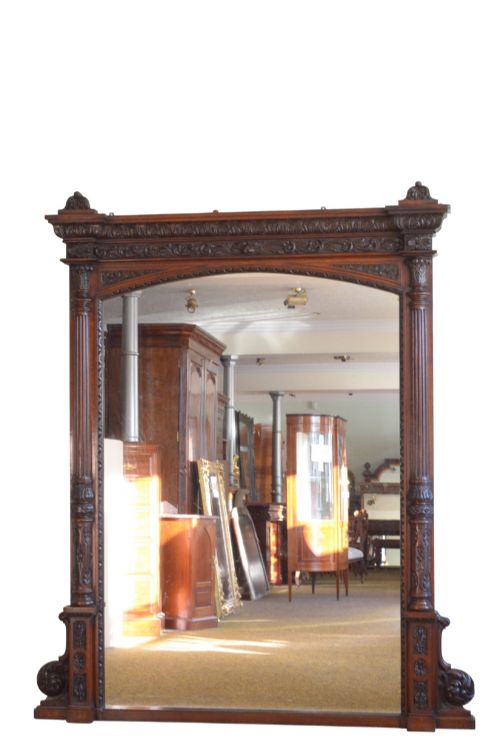
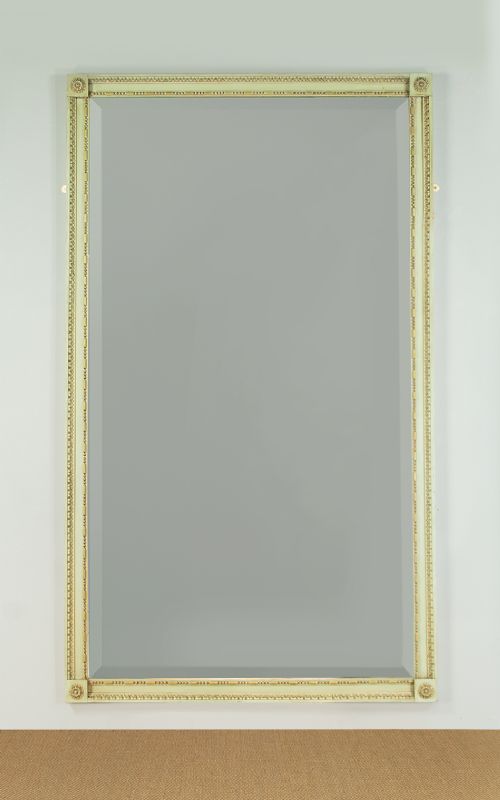
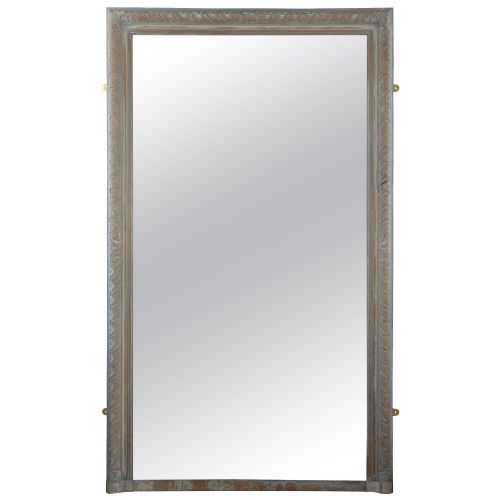
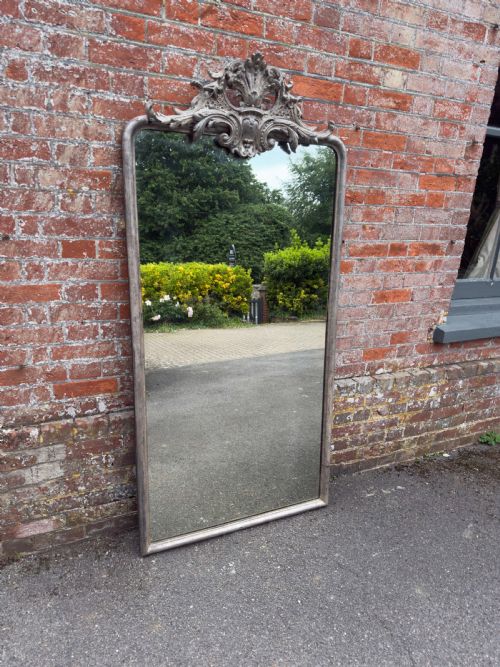
The pieces on this page span the nineteenth century through the early twentieth century, taking shapes such as trumeaux, pier mirrors, cheval mirrors and overmantles. French country, Victorian and Edwardian examples dominate, alongside shop displays and fairground pieces.
Origin and purpose dictate the scale, with domestic dressing mirrors sitting alongside grand architectural pier glasses and commercial shop fittings. Solid oak, mahogany, walnut and birchwood provide the structural backbone for these vertical surfaces.
How they were made
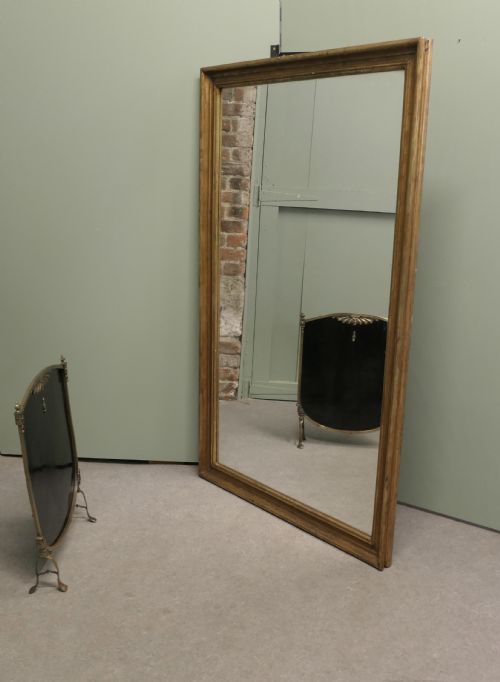
Timber selection governed construction, with mahogany, oak, walnut and birch providing strong frames for heavy glass plates. Craftsmen joined corners using traditional methods, housing the glass securely within rebated wooden frames.
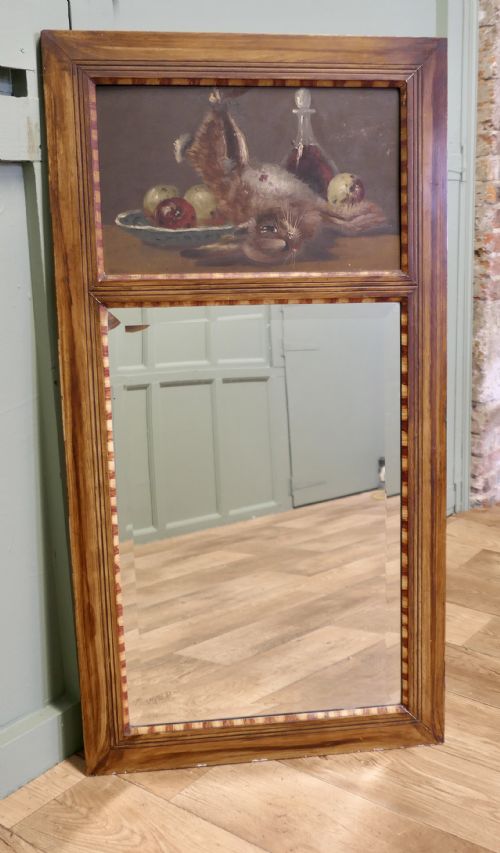
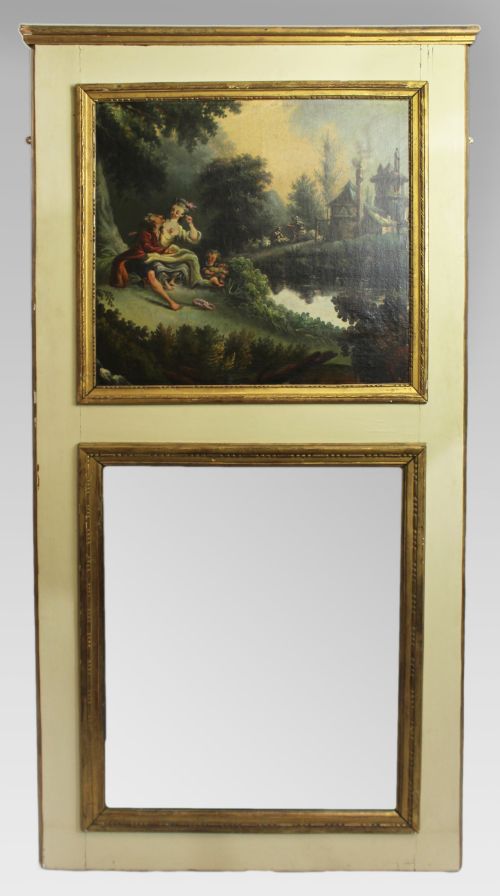
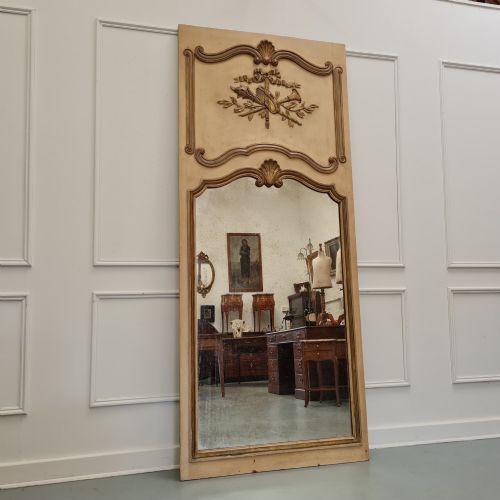
Carved wood and gesso ornamentation embellished many frames, receiving layers of paint, silvering or gold leaf to achieve gilt or painted finishes. Trumeau panels incorporated oil paintings directly into the wooden framework above the mirror glass.
Original mercury plate glass appears in specific periods, displaying characteristic depth and minor foxing from age. Backboards of deal or pine protected the silvered glass and held the plate firmly within the timber rebate.
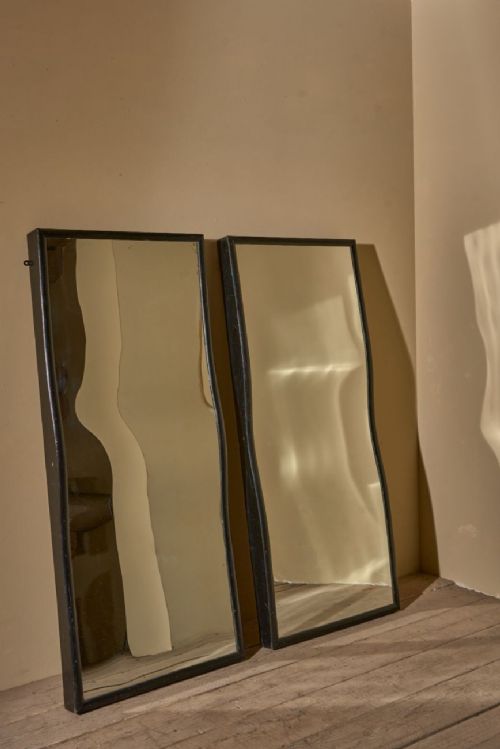
Fairground fun house mirrors offer distorted reflections from early twentieth-century adventures.
What varies in quality
The integrity of the timber frame and the originality of the mirror plate separate ordinary pieces from exceptional ones. Depth of carving in the wood and gesso distinguishes bespoke workshop output from mass production.
Surfaces bearing original paint, silvering or gilding retain historical honesty that heavy restoration obscures. The weight and stability of the wooden structure ensure the frame supports the tall glass safely over time.
The Tall Wooden Mirror Glossary
- Trumeau
- A mirror featuring an upper panel containing an oil painting or decorative carving above the glass plate. These French pieces hung between windows or above mantelpieces.
- Pier mirror
- A tall glass designed to hang on the pier, the solid wall space between two windows. They often coordinate with console tables placed below them.
- Cheval mirror
- A freestanding full-length mirror suspended on a swivelling frame between four vertical posts. Originating in the eighteenth century, they became popular for dressing rooms.
- Gesso
- A plaster-based material applied to wood frames and carved or moulded into relief decoration before gilding or painting. It provides crisp detail on Victorian and French mirrors.
- Mercury plate
- An early mirror glass manufacturing method using a tin and mercury amalgam behind the glass. This technique produced a distinct, slightly darker reflection than modern aluminium backing.
Tall Wooden Mirror: Frequently Asked Questions
Where should I place a tall wooden mirror?
Position a tall mirror opposite a window to maximise natural light and create an illusion of depth in smaller rooms. Leaner mirrors suit hallways and bedrooms where floor space allows an unfixed placement.
Fireplace overmantles anchor the central wall of a reception room, reflecting architectural details across the space. Ensure the wall structure or floor supports the substantial weight of large wooden frames.
How do I clean an antique mirror plate?
Use a soft, dry microfibre cloth to remove dust from the glass and wooden frame without disturbing fragile surfaces. Avoid spraying liquid directly onto the glass, as moisture can seep behind the plate and damage old silvering.
Apply mild distilled water or specialist glass cleaner sparingly to the cloth rather than the mirror itself. Take care around unsealed wood and aged gesso edges where moisture causes lifting.
What is a trumeau mirror?
A trumeau mirror incorporates an integrated decorative panel, frequently an oil painting on canvas or wood, positioned above the mirror glass. Originating in French interior design, they served as architectural wall decorations between windows.
The painted scenes often depict pastoral or classical subjects framed within carved wood and gesso mouldings. This format combined artwork and reflection into a single unified wall hanging.
How do I identify a cheval mirror?
A cheval mirror stands independently on its own four-legged frame, utilising pivoting side pins that allow the glass to tilt. This freestanding format provided full-length visibility for dressing without requiring wall mounting.
Examples range from Edwardian mahogany designs to Art Deco pieces sourced from gentlemen's outfitters. The stability relies on a balanced wooden base and secure brass or iron pivots.