



Tall Narrow Pier Glass
Tall narrow pier glass designs bring vertical elegance to spaces between windows, reflecting light into dark rooms.
Tall Narrow Pier Glass
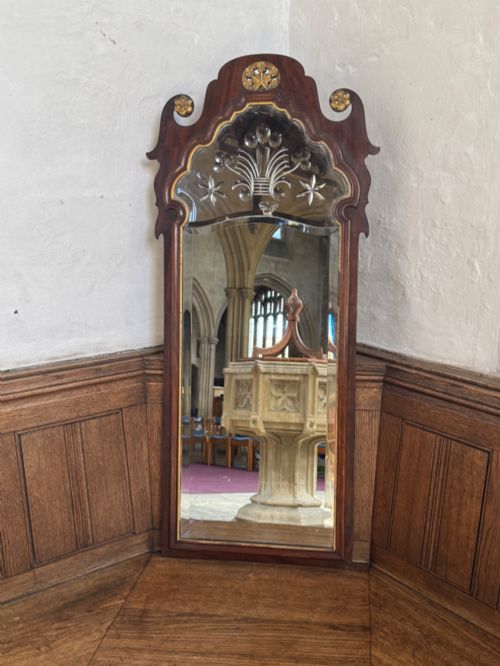
A tall narrow pier glass occupies the narrow wall space between windows, designed originally to catch and multiply daylight in grand rooms. These vertical wall mirrors appear in styles spanning the eighteenth, nineteenth, and early twentieth centuries, drawing on Georgian, Victorian, and revival designs.
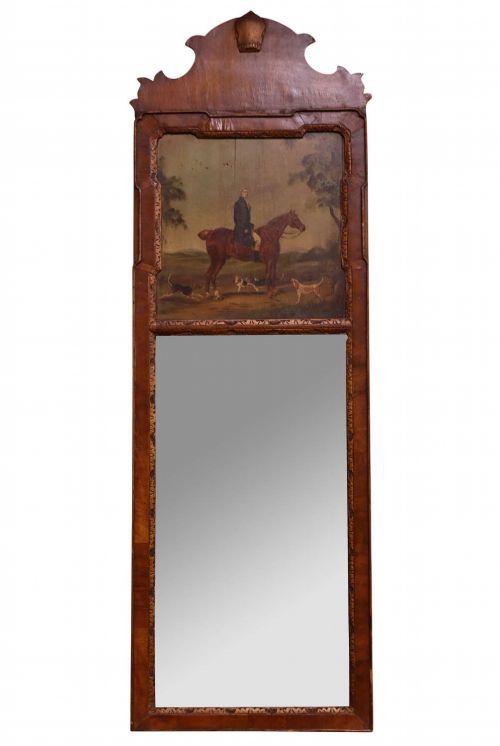
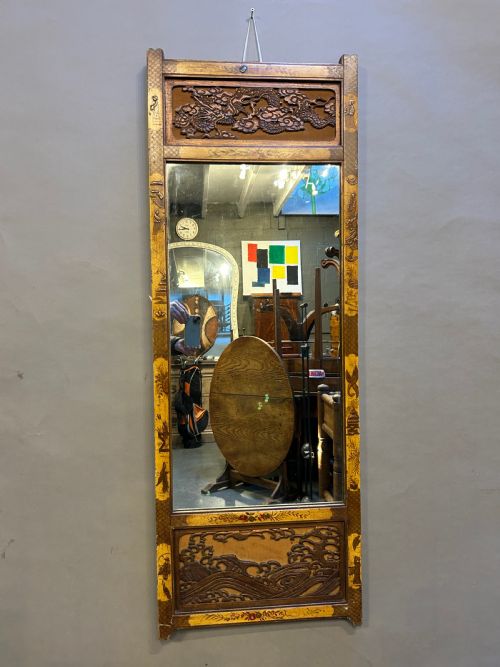
The version most commonly met on this page uses walnut, mahogany, or giltwood frames, sometimes incorporating painted Chinoiserie decoration or oil paintings within the wooden structure. Such pieces bridge the gap between functional looking glasses and decorative wall furniture.
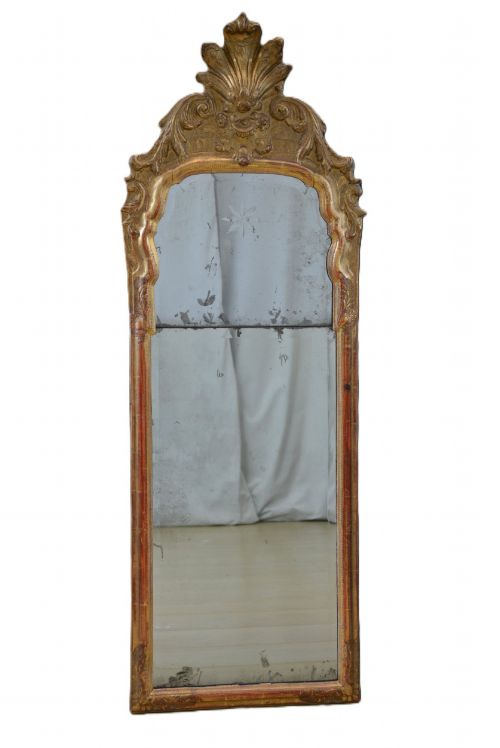
Many examples relate directly to specific historical revivals, echoing the architectural forms popular under George I, George II, and Adam. Buyers find both simple wooden frames and elaborate parcel gilt or gesso versions suited to traditional interiors.
How they were made
Woodworkers constructed the core framework from timbers such as mahogany, walnut, and burr walnut, applying gesso layers where intricate surface carving or gilding was required. Frames often received parcel gilding or paint finishes to achieve the desired visual depth.
Mirror plates varied from early mercury glass to reverse cut plates, fitted securely within carved wooden rebates. Cabinetmakers joined structural corners using traditional joinery methods suited to the slender proportions of tall wall furniture.
Design influences across the selection range from straightforward Victorian mahogany frames to elaborate Chinoiserie painted surfaces and Neoclassical revival forms.
What varies in quality
The finesse of the carved gesso and the crispness of the giltwood ornamentation define the upper tier of these mirrors. Superior pieces display finely proportioned mouldings and hand-carved details that reflect the stylistic confidence of their period.
The integrity of the mirror plate contributes substantially to the overall character, with original plates showing natural ageing that differs from later replacements. Balance in the proportions between frame width and vertical height marks the difference between standard and exceptional examples.
The Tall Narrow Pier Glass Glossary
- Pier glass
- A tall mirror specifically designed to hang on the wall space between two windows. It frequently matches a console or pier table placed directly beneath it.
- Giltwood
- Timber that has been coated with a thin layer of gold leaf over a prepared gesso ground. This technique creates the brilliant reflective surfaces seen on formal frames.
- Gesso
- A plaster-like mixture applied to wood frames to provide a smooth surface for gilding or carving. Artisans build up layers before incising fine decorative motifs.
- Parcel gilt
- A finish where only specific portions of a wooden or painted object are highlighted with gold leaf. This creates contrast against a dark wood or painted background.
- Mercury plate
- An older style of mirror glass created using a tin and mercury amalgam backing. This process yields a characteristic mottled reflection with deep dark spots.
Tall Narrow Pier Glass: Frequently Asked Questions
Where should I hang a tall narrow pier glass?
These mirrors suit narrow wall sections, particularly the space between two windows where they maximise natural daylight. They also function effectively in hallways and reception rooms with high ceilings.
Ensure the wall fixings support the weight of the timber and glass frame securely. Positioning them at the correct eye level enhances both their decorative presence and their reflective utility.
How do I identify a revival style pier glass?
Revival pieces incorporate decorative motifs and structural proportions borrowed from earlier periods, such as the walnut veneers of the Queen Anne era or the gilt gesso work associated with George I designs. Makers in the Edwardian era and the early twentieth century frequently referenced these historical aesthetics.
Examine the construction timber and the backboards for clues regarding age. Secondary woods and modern fixings often indicate a nineteenth or twentieth-century interpretation of an eighteenth-century form.
Can these mirrors be used as dressing room glasses?
Certain tall narrow designs incorporate console tables, cheval frames, or dressing room configurations intended for personal grooming spaces. Their vertical proportions provide a full-length view despite their slender footprint.
These combination pieces served practical functions in nineteenth-century bedrooms and dressing quarters. They combine surface storage or console support with a tall upright looking glass.