
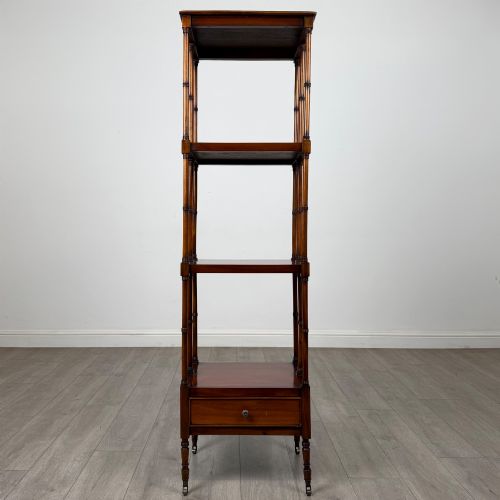
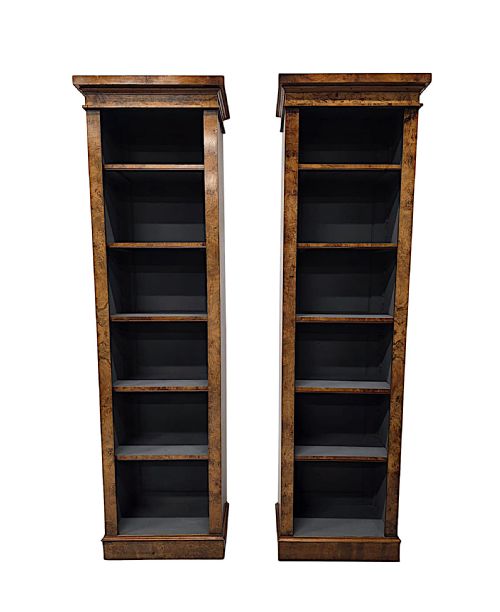
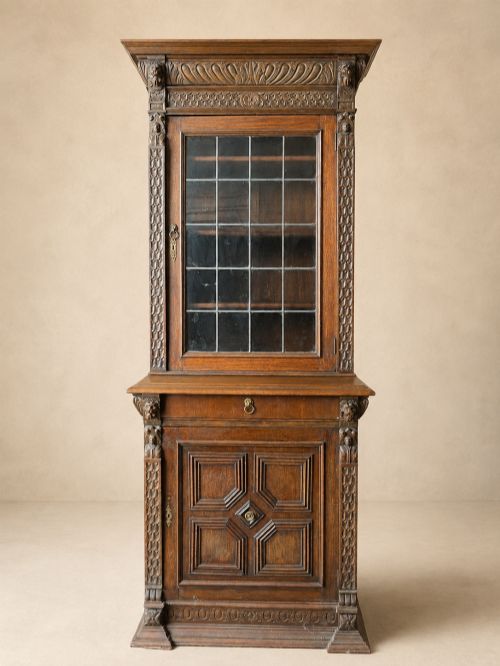
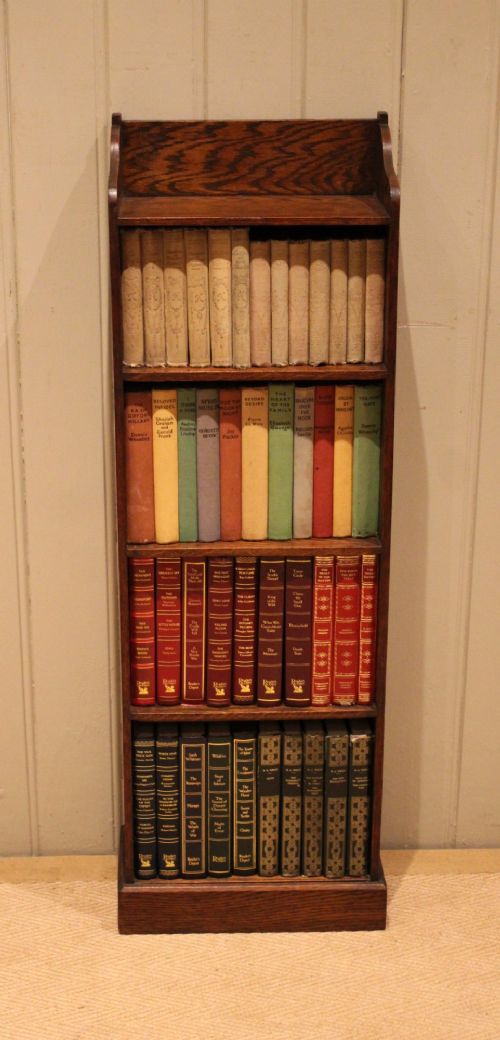

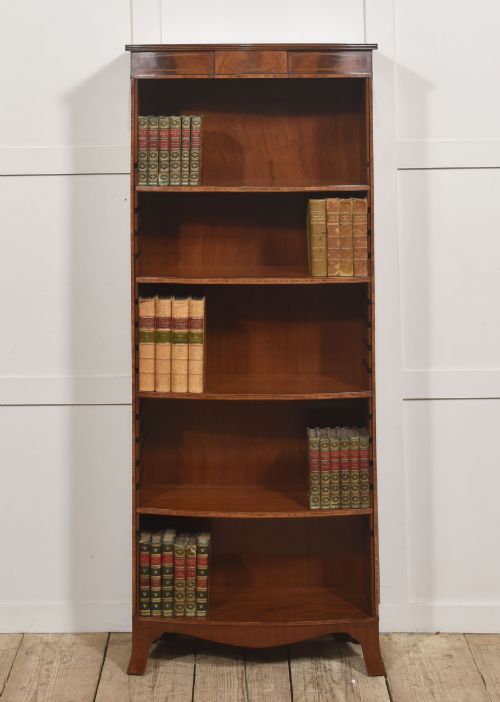
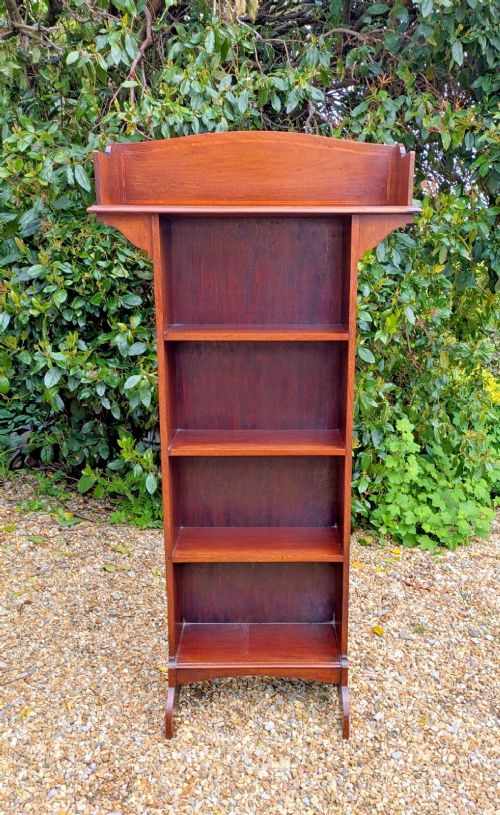
Tall Narrow Bookcase
A tall narrow bookcase solves a difficult spatial problem by offering generous vertical shelving without dominating a modest room.
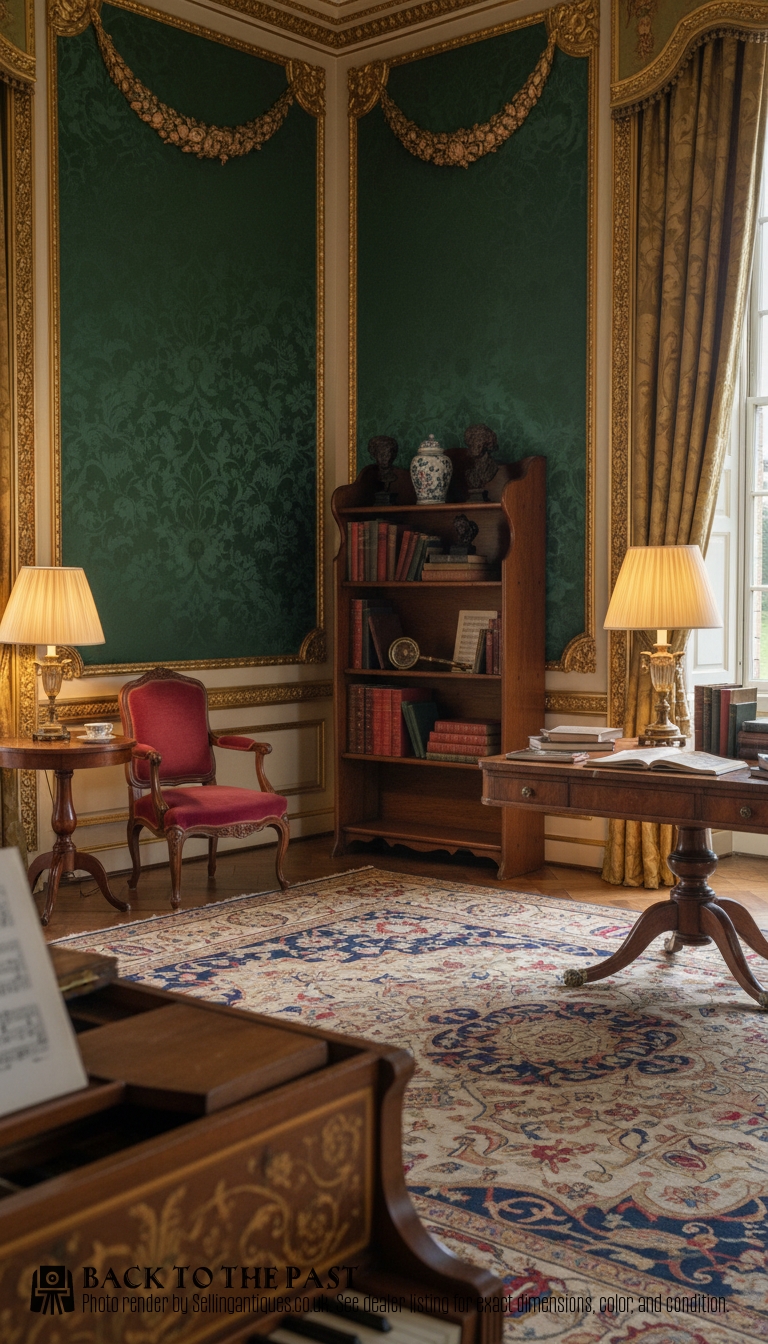
Understanding the tall narrow bookcase
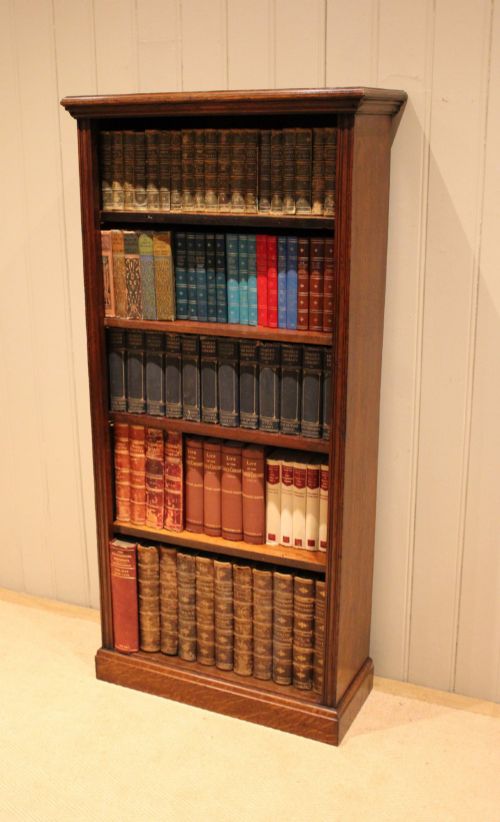
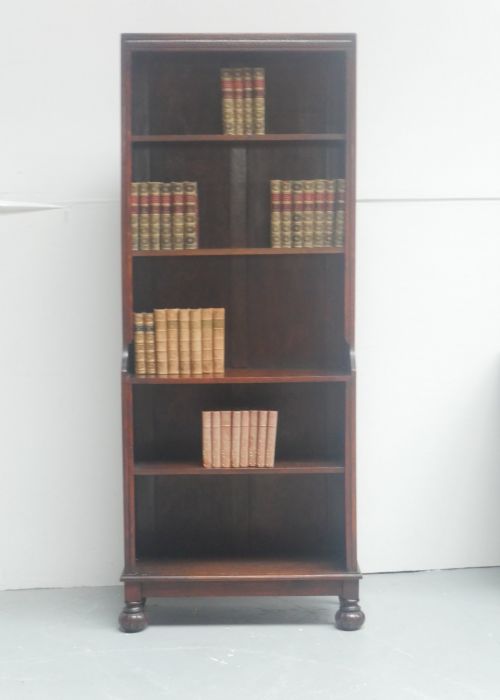
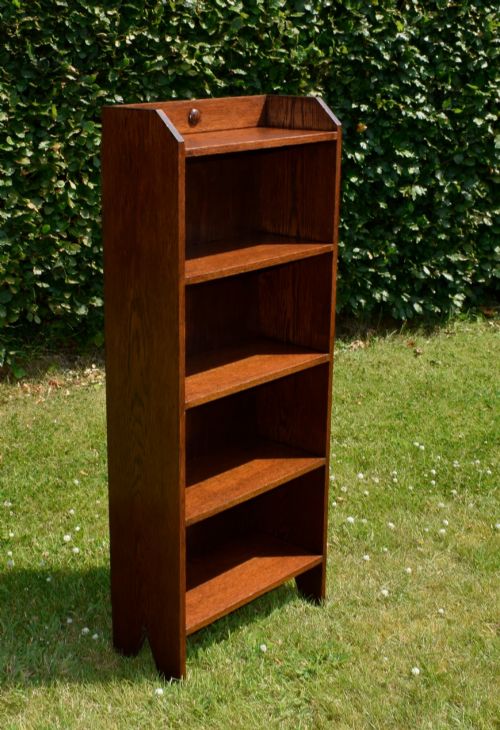
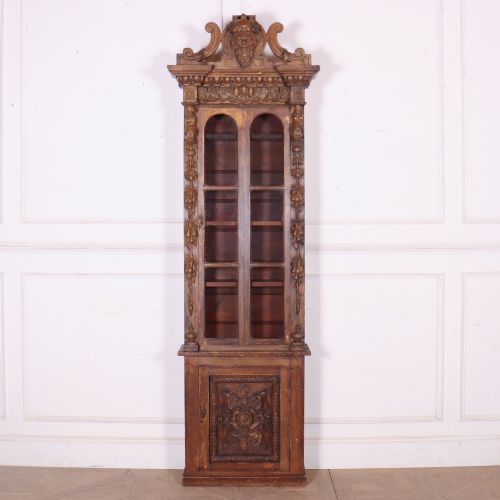
A tall narrow bookcase provides vertical storage for books and display items while occupying minimal floor space in domestic interiors. When searching for a tall narrow bookcase, buyers encounter various formats ranging from open shelves to glazed cabinets and bureau combinations.
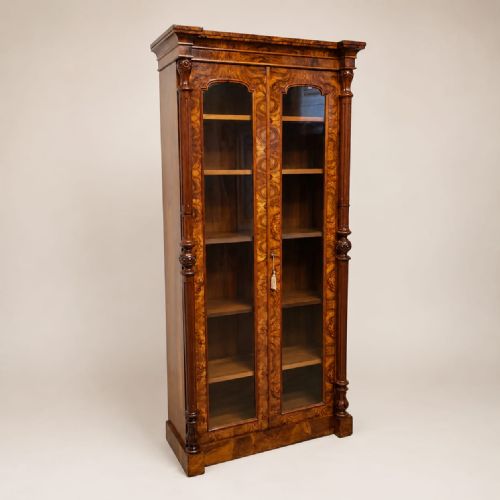
The pieces spanning these selections emerge from multiple eras including the Victorian and Edwardian periods, alongside interwar pieces from the nineteen twenties. Oak and mahogany appear most frequently, complemented by walnut, burr walnut and satinwood examples.
Materials and construction methods
Cabinet makers utilised solid hardwoods and choice veneers, selecting oak, mahogany and walnut for structural integrity and visual depth. Interiors often incorporated adjustable shelving supported by wooden risers or brass tracks.
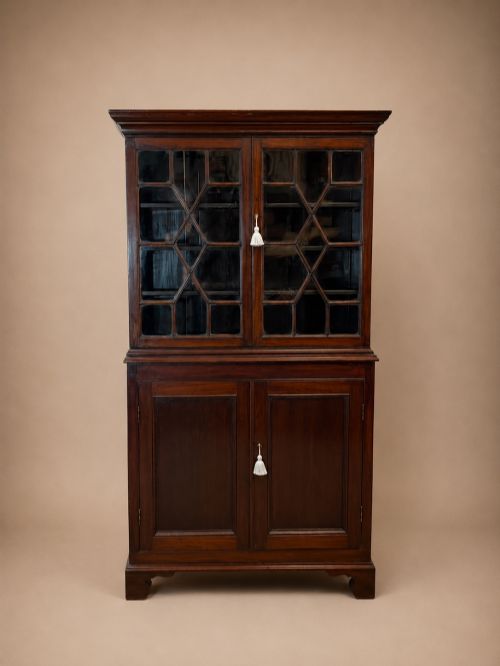
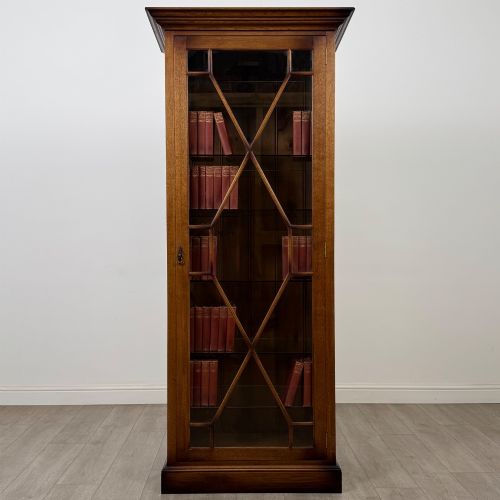
Glazed doors required precise joinery to house individual glass panes within wooden frames, sometimes accented by astragal bars. Brass hardware, including hinges, handles and escutcheons, finished the functional elements of the cabinetry.
Retail Price Guide 2026
Typical UK retail prices for tall narrow bookcase, calculated from the Sellingantiques database of over a million retail prices indexed since 2003. This retail price guide relies exclusively on Sellingantiques data; no external sources or auction records are used, so the figures do not describe the wider market.
One past piece managed to squeeze a secretaire desk into its narrow frame, proving that Victorian writers also needed compact furniture.
Distinctions in craftsmanship
Quality rests in the selection of timber figures, particularly when burr walnut or figured mahogany veneers wrap the primary surfaces. Superior examples demonstrate tight joinery at the corners, flush fitting doors and smooth drawer action where cupboards or desks form part of the base.
Proportion and restraint separate standard utility pieces from finer cabinet work. The articulation of cornices, plinths and glazed bars determines whether a cabinet maintains visual elegance across its vertical span.
Heals of London·Dnby and Spinks
The Tall Narrow Bookcase Glossary
- Astragal glazed
- A glass door divided into smaller panes by wooden glazing bars. These bars form geometric patterns across the front of the bookcase.
- Secretaire bookcase
- A tall cabinet incorporating a pull down writing flap concealing small drawers and pigeon holes. This multifunctional form combines a desk with upper library shelving.
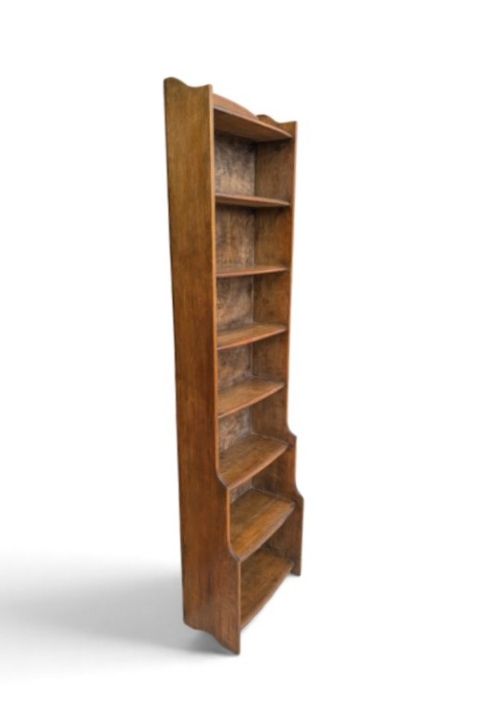
- Waterfall bookcase
- A set of open shelves that step back progressively from bottom to top. This design creates a distinctive stepped profile reminiscent of cascading water.
- Burr walnut
- Timber taken from a growth on the walnut tree featuring swirling, knotted grain patterns. Cabinet makers prized this wood for decorative veneering on prominent surfaces.
- Cornice
- The moulded projection that crowns the top of a tall bookcase. It provides a finished architectural transition between the furniture and the ceiling.
Frequently Asked Questions
Where should I place a tall narrow bookcase?
These slim proportions suit tight wall spaces, alcoves and narrow hallways where standard furniture would protrude awkwardly.
Positioning them away from direct heat sources protects the timber and veneer from drying out and splitting over time.
How do I secure a tall bookcase?
Due to their high centre of gravity and narrow footprint, tall bookcases require careful placement on level flooring.
Using discreet wall fixings at the top prevents tipping, particularly in homes with children or pets.
Are the shelves adjustable?
Many period bookcases feature fixed wooden shelving, though some incorporate traditional adjustable supports.
Checking the interior design of each piece helps determine if shelf heights can accommodate oversized volumes.
How do I tell Victorian from Edwardian pieces?
Victorian examples often display heavier timber mouldings, darker finishes and occasionally Gothic revival details.
Edwardian and interwar pieces tend towards lighter satinwood or oak constructions with simpler, more restrained architectural lines.