

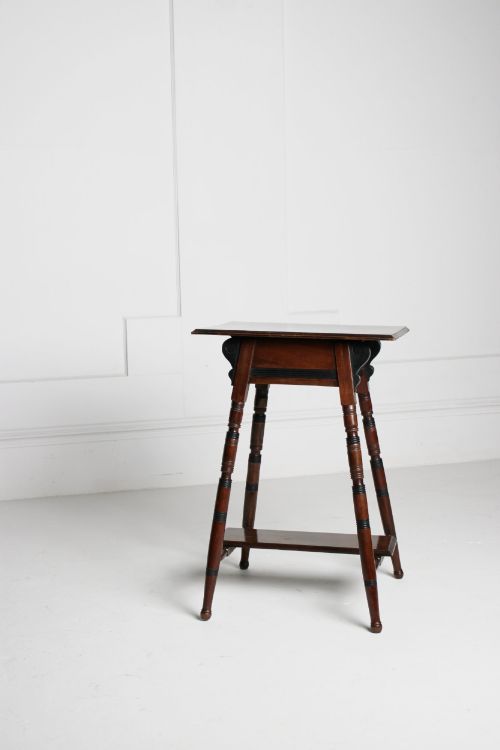

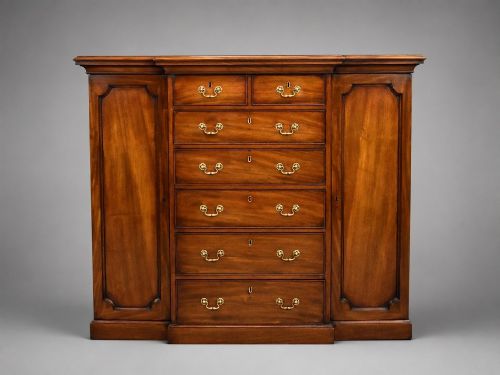
Tall Mahogany Table
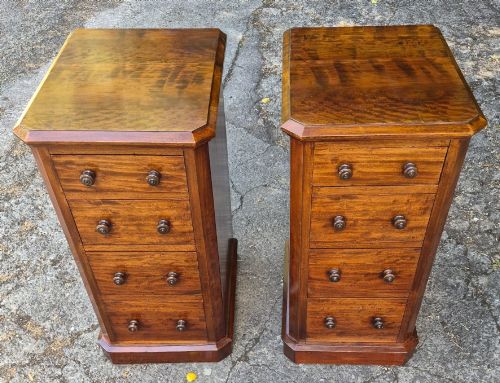
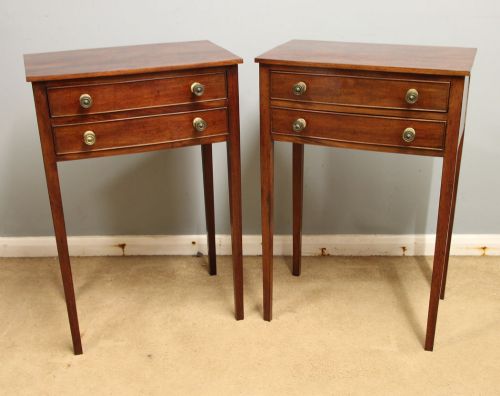
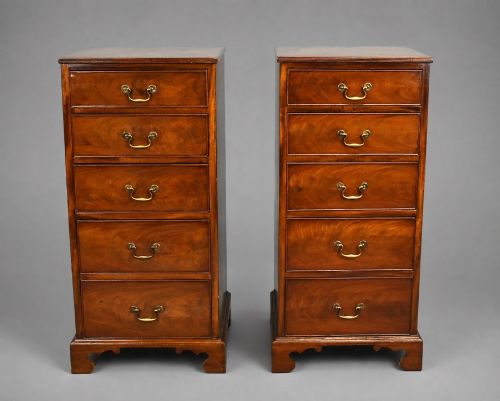
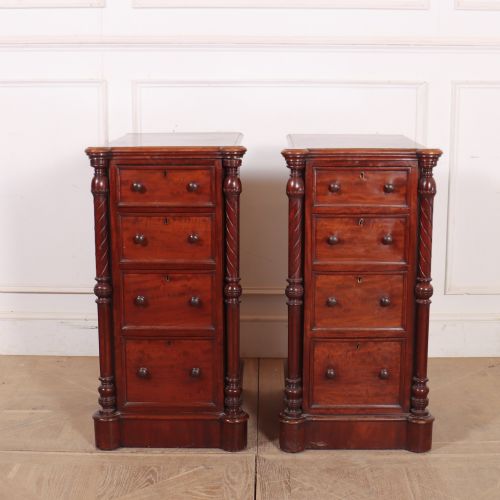
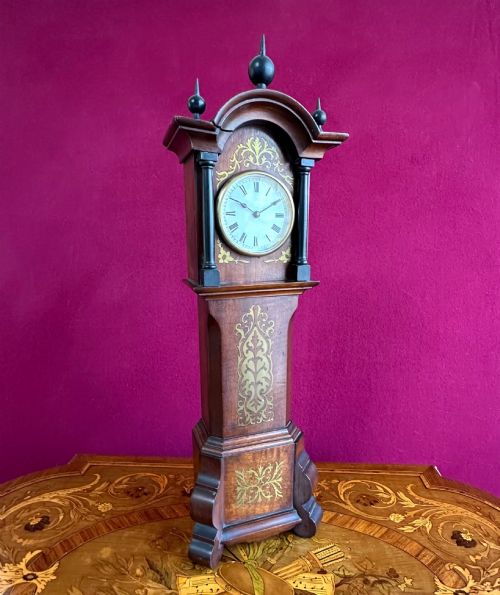
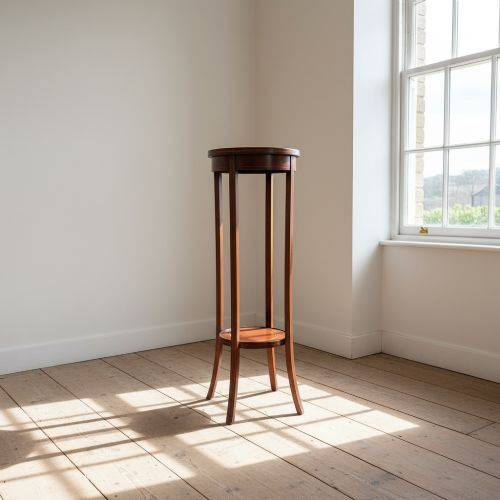
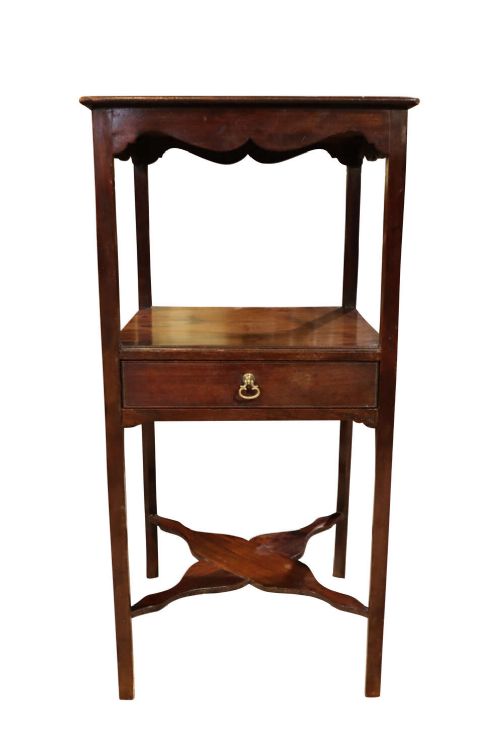
A tall mahogany table brings vertical presence and rich timber tone to a room, ranging from slender plant stands to substantial bedside chests.
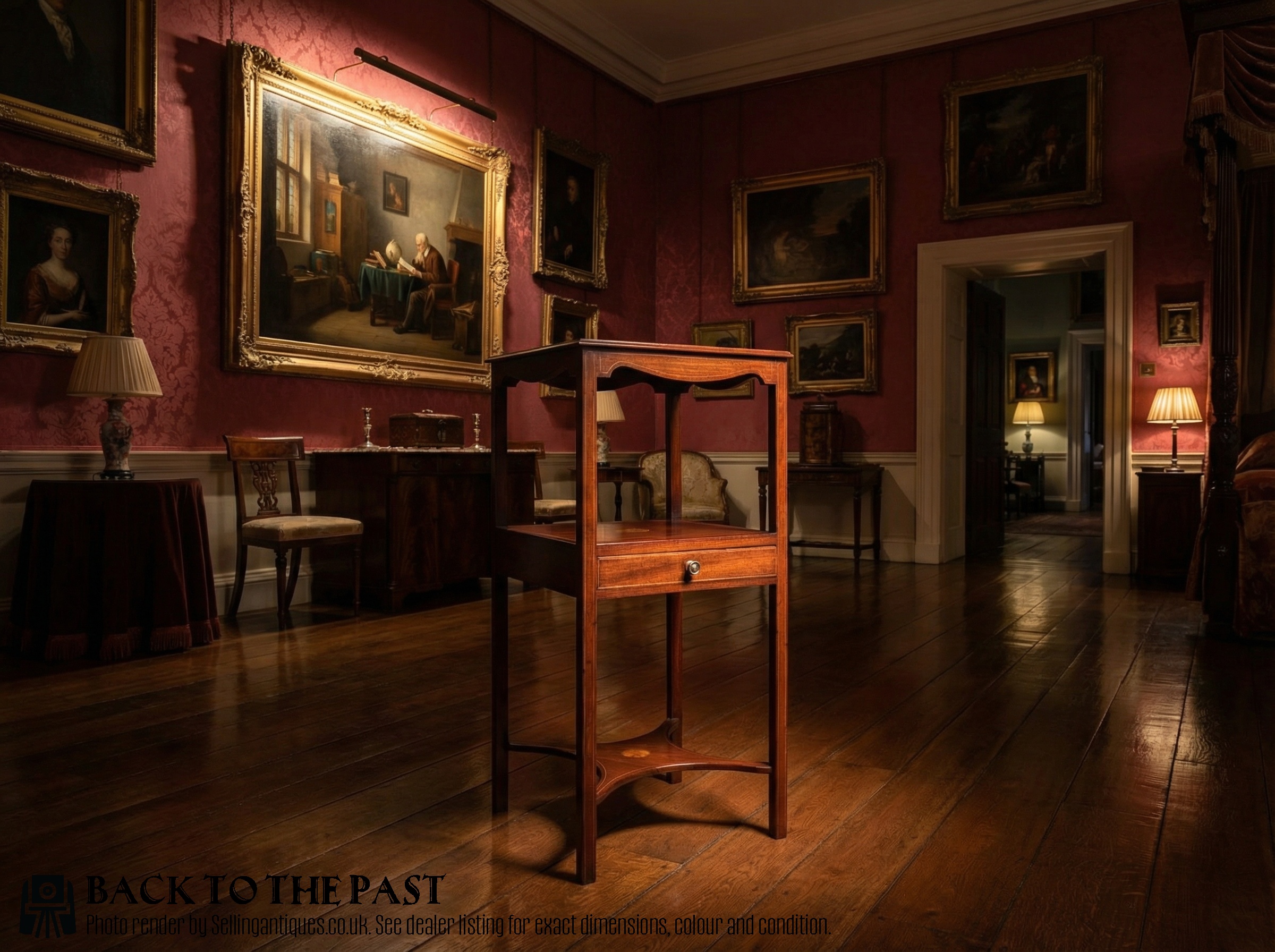
Tall Mahogany Table
When searching for a tall mahogany table, buyers encounter a diverse selection of forms including plant stands, torchere candle stands, lamp tables, and bedside chests. These pieces originate from various periods spanning the Georgian era through the Victorian period and into the Edwardian decades.
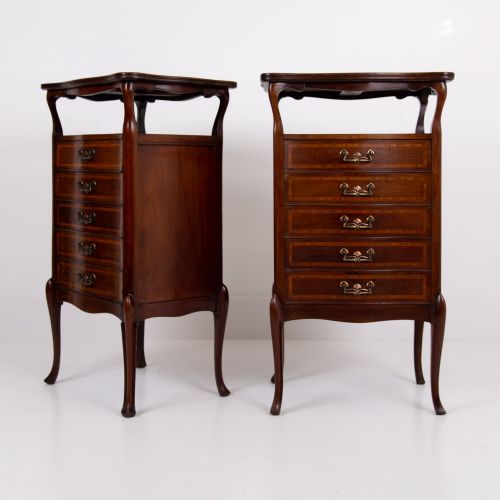
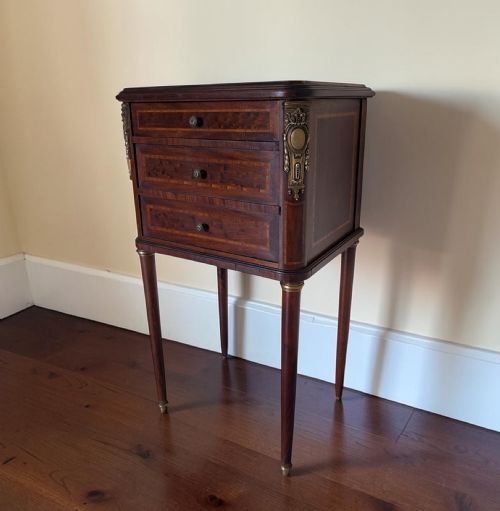
The versions most commonly met on this page are Edwardian plant stands and Victorian or early twentieth-century bedside cabinets and chests. These practical items combine elevated proportions with the dense grain and deep reddish-brown hue characteristic of mahogany furniture.
How they were made
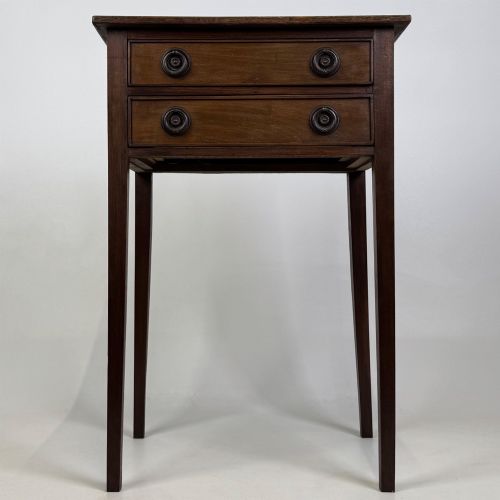
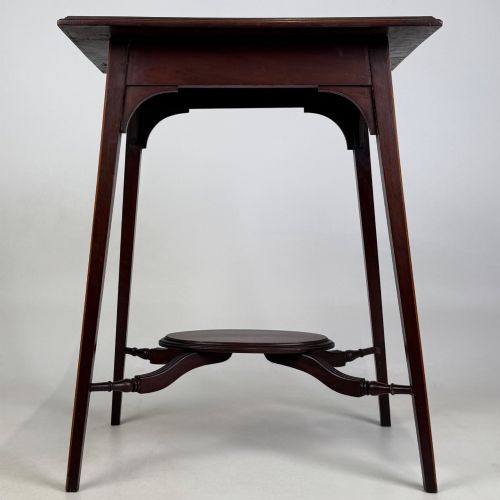
Cabinet makers constructed these pieces primarily using solid mahogany and mahogany veneers, frequently incorporating secondary timbers for internal framing and drawer linings. Many examples feature turned, tapered, or reeded legs that support the elevated surfaces.
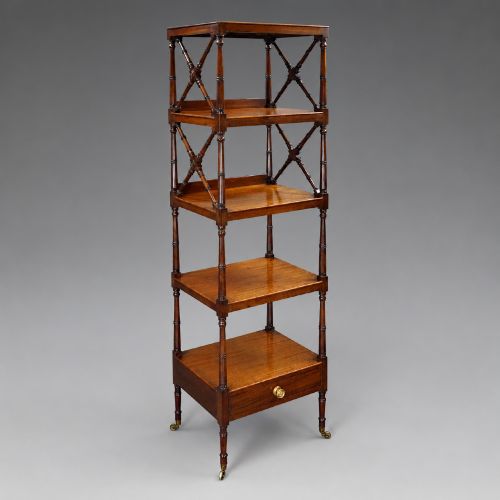
Decorative enhancement often involved contrasting materials such as satinwood and boxwood inlay, alongside brass handles, gallery rails, or occasional marble tops. Joinery methods relied on traditional mortise and tenon joints for stability, particularly given the elevated stature of stands and bookcases.
Materials recorded across the inventory include solid mahogany, satinwood inlay, brass, marble, and glass.
What varies in quality
The standard of a tall mahogany table rests upon the selection of the timber, particularly where figured grain or matched veneers are deployed across visible surfaces. Superior examples demonstrate crisp carving, precise inlay work, and well-proportioned structural elements that maintain balance at height.
Execution of secondary details, such as hand-cut dovetails in drawers and the integration of quality brass fittings, distinguishes workshop production from simpler output. The integrity of the timber and the restraint applied to decorative embellishment ultimately define the hierarchy within these pieces.
Druce & Co London·François Linke·Gillows
The Tall Mahogany Table Glossary
- Mahogany
- A durable tropical hardwood known for a rich reddish-brown colour and fine grain, widely utilised in British cabinet making. It resists warping and takes a high polish.
- Torchere
- A tall, slender stand designed to hold a candle or lamp, featuring a small top supported by a single pillar or tripod base. These elevated supports date back to the eighteenth century.
- Whatnot
- A piece of open shelving with multiple tiers supported by slender uprights, used for displaying or storing small objects. Examples often exhibit tall, slender proportions.
- Inlay
- A decorative technique where contrasting materials such as satinwood or boxwood are set into the surface of the mahogany to create patterns. This method adds visual complexity to Edwardian and Georgian pieces.
- Pot cupboard
- A small bedside cabinet originally designed to house a chamber pot, typically featuring a single door and sometimes an enclosed top surface.
Tall Mahogany Table: Frequently Asked Questions
What rooms suit a tall mahogany table?
These elevated pieces find natural placement in bedrooms as bedside chests, or in reception rooms and hallways as plant stands and lamp tables. Their vertical orientation allows them to occupy minimal floor space while introducing functional surface area.
Taller forms like torans and torchere stands also work well in corners or beside seating arrangements where standard furniture might appear too low or bulky.
How do I identify a Georgian piece?
Georgian furniture typically displays restrained classical proportions, solid mahogany construction without extensive modern veneers, and hand-cut dovetail joinery inside drawers. Details like tapering legs or octagonal tops point towards eighteenth-century design standards.
Examining the underside and interior reveals tool marks and timber ageing consistent with the Georgian period rather than later Edwardian revivals.
What is the difference between a plant stand and a lamp table?
Plant stands usually feature smaller, narrower tops designed specifically to elevate greenery or urns, often possessing taller, slender shafts. Lamp tables provide a broader surface area intended to support lighting and small decorative objects.
Both forms utilise the structural stability of mahogany to maintain balance despite their elevated height.
How should I care for mahogany furniture?
Maintaining mahogany requires keeping pieces away from direct heat sources and strong sunlight to prevent the timber from drying out or fading. Regular dusting with a soft, dry cloth preserves the polish without building up excess residue.
Applying a traditional beeswax polish occasionally helps nourish the wood and maintain its natural lustre.