




Tabletop Candle Stand
These tabletop candle stand pieces bring light and form to a room, spanning brass, bronze, silver plate and mahogany.
Tabletop Candle Stand
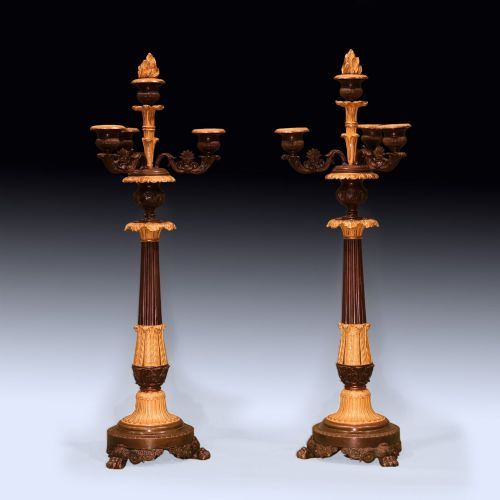
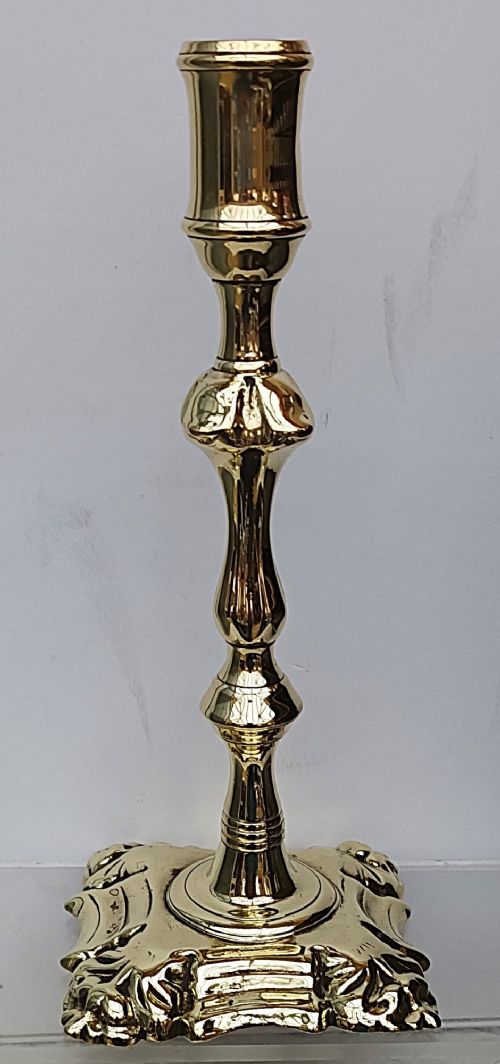
A tabletop candle stand serves to elevate a flame safely upon a surface, taking the form of candlesticks, candelabra and adjustable stands.
The selections here range from Georgian mahogany and 18th century brass to Victorian silver plate and 1930s Art Deco designs.
Buyers most frequently encounter pairs of brass or silver plated candlesticks alongside mahogany stands from the 19th century and earlier.
How they were made
Metal examples rely on casting and turning in brass, bronze, sterling silver and silver plate, often incorporating marble bases.
Wooden versions utilise turned mahogany and walnut, frequently incorporating adjustable mechanisms for controlling height.
Details include gilt bronze highlights, applied horn, and porcelain figural elements fixed to floral or metal mounts.
Tabletop Candle Stand Retail Price Guide 2026
Typical asking prices for tabletop candle stand among the pieces listed under this phrase on Sellingantiques today, from the lower quarter to the upper quarter. They describe what is for sale here now, not the wider market.
Materials span brass, bronze, silver plate, marble, sterling silver, mahogany, gilt bronze and patinated metal.
What varies in quality
Substance and weight separate solid cast metals and dense hardwoods from lighter plated or constructed alternatives.
The crispness of casting in ormolu, bronze and brass dictates the clarity of ornamentation across Georgian and Victorian examples.
Proportion and the integrity of adjustable wooden mechanisms determine the refinement of a piece.
The Tabletop Candle Stand Glossary
- Ormolu
- Gilt bronze applied to decorative metalwork. This technique gives a rich golden surface found on Regency pieces.
- Old Sheffield Plate
- A method of fusing a thin sheet of silver to a copper base. It is typical of Georgian manufacture.
- Candelabra
- A multi-branched candlestick holding several candles. These provide greater illumination than a single stick.
- Gothic Revival
- A style drawing on medieval architectural motifs. It appears in brass candle stands from later periods.
- Turned
- Shaped on a lathe. This process creates the symmetrical columns seen in mahogany and brass candlesticks.
Tabletop Candle Stand: Frequently Asked Questions
How do I clean antique brass?
Use a soft cloth to remove dust and gentle soap with water if necessary. Avoid harsh abrasives that strip the historic surface.
Patina builds over centuries and proper cleaning preserves the darker tones valued by collectors.
Are these stands meant for daily use?
Most solid metal and wooden examples remain sturdy enough for regular placement on tables and desks.
Delicate porcelain or heavily plated pieces require careful handling to avoid accidental damage.
How do I identify a Georgian stand?
Look for heavy brass castings, unpretentious turned mahogany profiles, and simple joinery characteristic of the 18th century.
Proportions tend to be classical and functional rather than overly ornate.
What is the difference between a candlestick and candelabra?
A candlestick holds a single candle upright on a central shaft.
A candelabra branches out to support multiple lights from one base.