
Mahogany Adjustable Stand
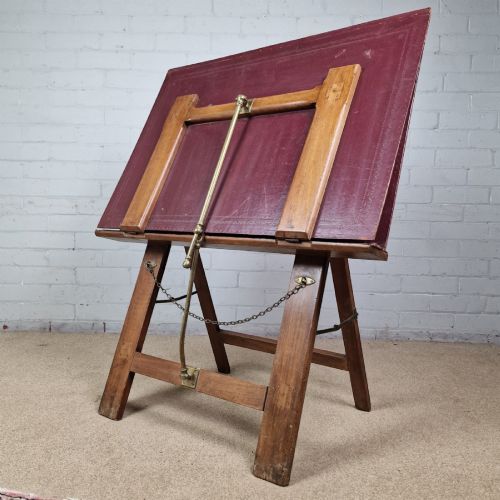
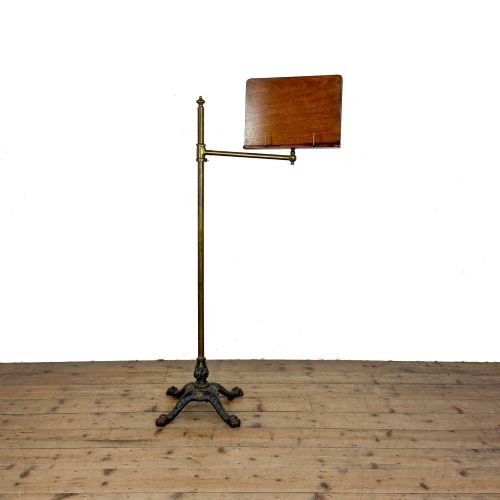
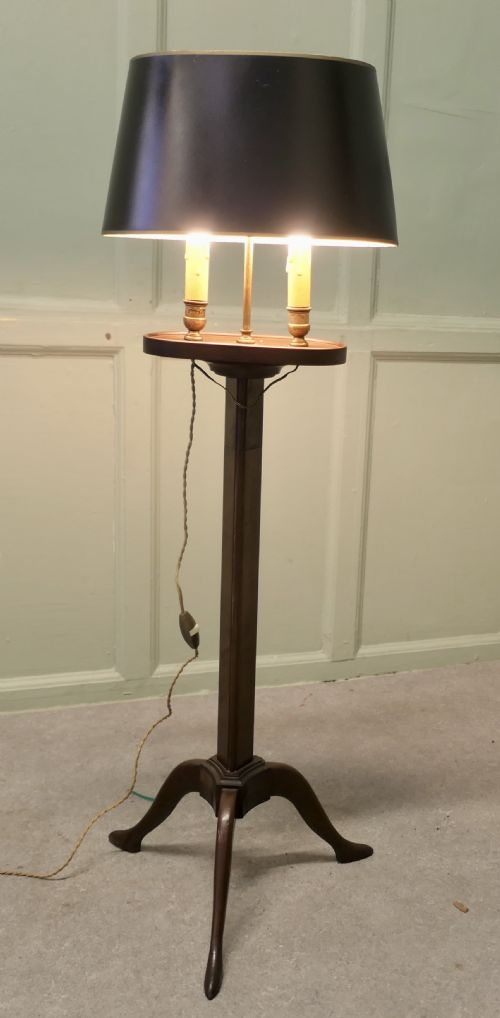
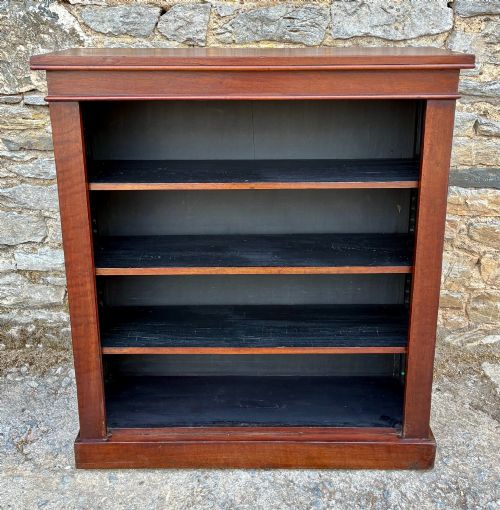
When you search for a mahogany adjustable stand, you encounter pieces designed to raise, tilt, or alter a reading surface, mirror, or music score.
Mahogany Adjustable Stand
A mahogany adjustable stand encompasses a variety of functional furniture types spanning the Georgian, Regency, and Victorian periods.
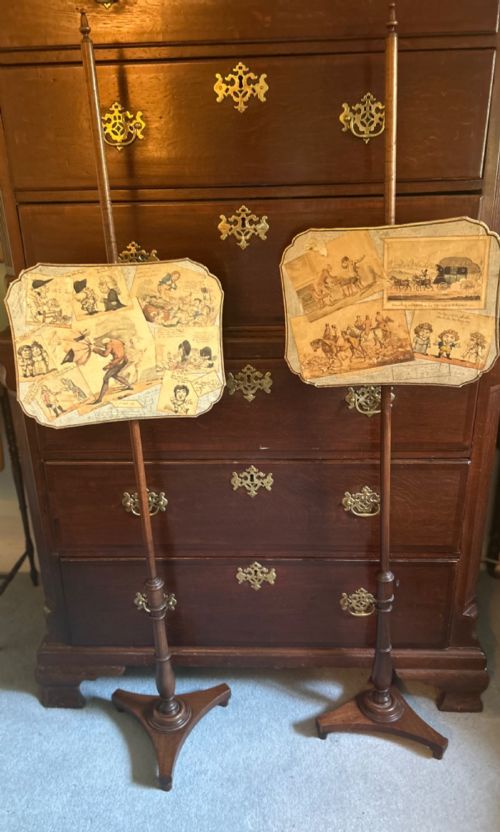
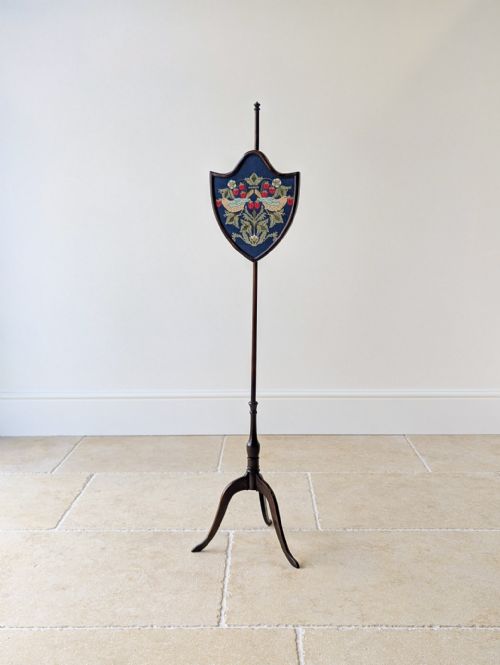
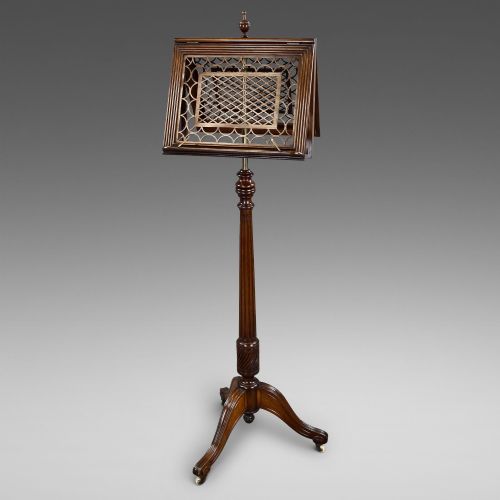
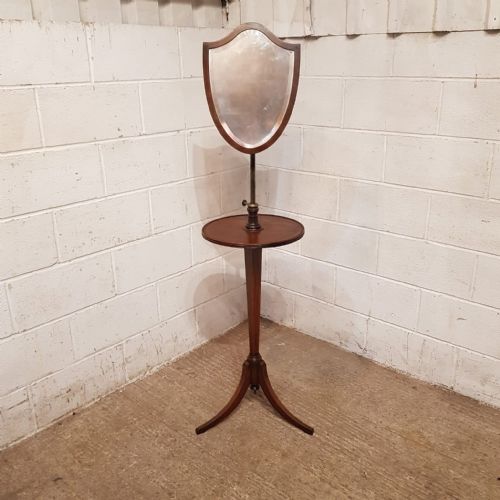
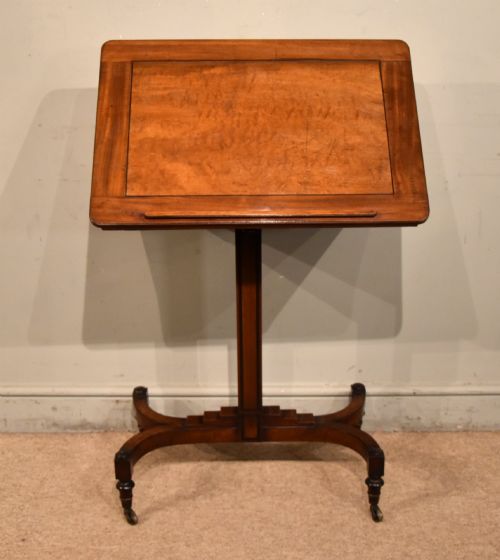
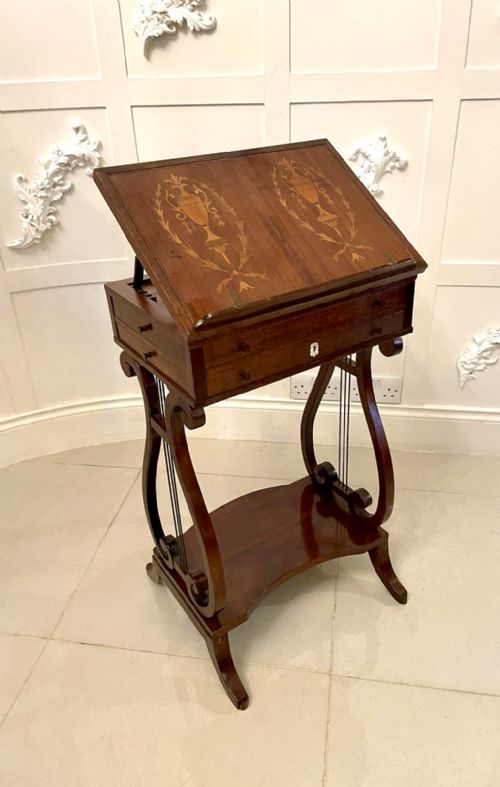
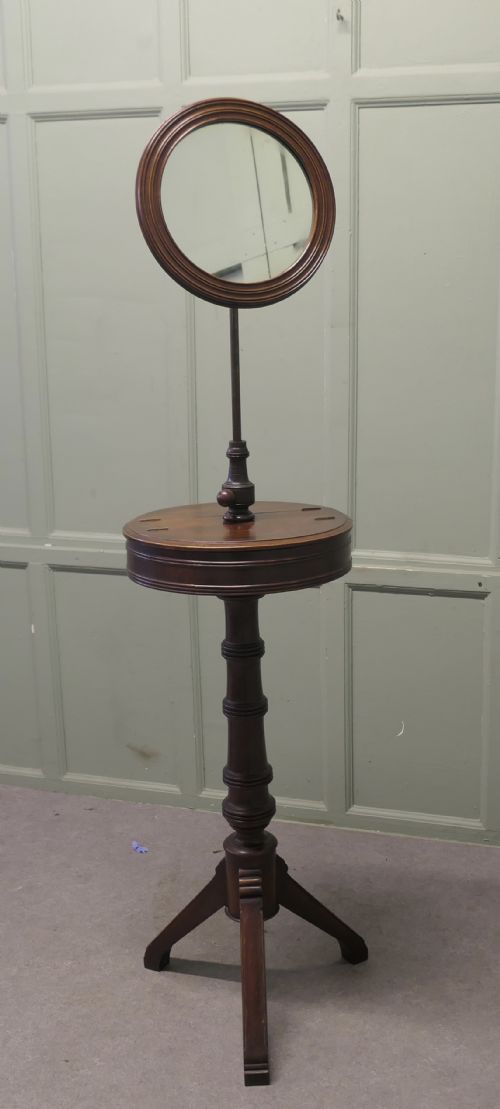
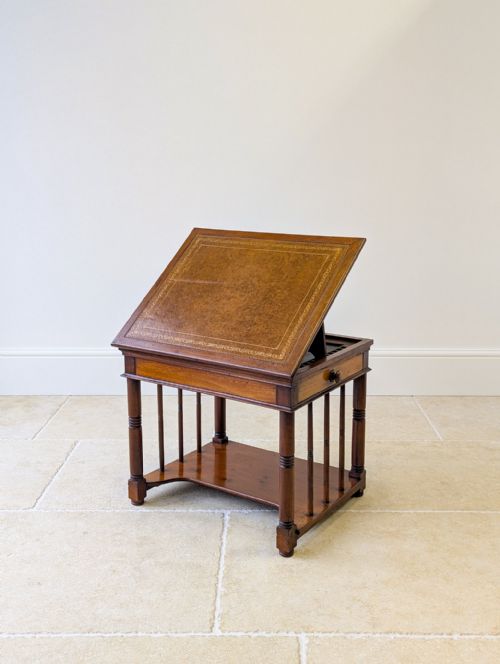
The versions you meet most frequently on this page are music stands, reading tables, shaving stands with mirrors, and pole screens.
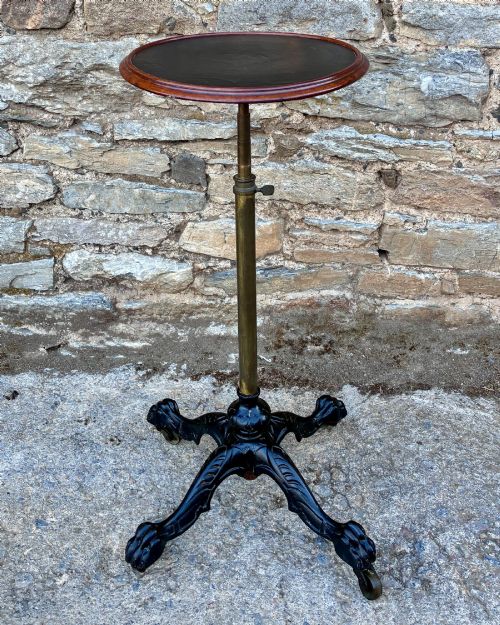
Many examples utilise mechanical actions, sliding shafts, or ratchets to alter height and angle according to the user's requirements.
Materials and Construction
Makers constructed these pieces primarily using solid mahogany and mahogany veneers, often paired with brass fittings for hinges, knobs, and telescoping columns.
Cast iron and metal components appear within internal mechanisms and sturdy tripod bases to support weight during adjustment.
Secondary elements include glass mirrors, textile fire panels, and painted metal accents.
Listings feature items from the Georgian, Regency, Victorian, and Edwardian periods, constructed in mahogany with brass and cast iron elements.
Judging Quality
Quality reveals itself in the smoothness of the adjustment mechanism and the stability of the extending column or ratchet action.
Fine examples display thoughtful timber selection, such as figured grain on table tops and backboards, alongside robust joinery that withstands regular repositioning.
Gillow and Co·Waring and Gillow·Leveson and Sons·Swann and Millican
The Mahogany Adjustable Stand Glossary
- Pole screen
- A vertical stand holding an adjustable framed panel, traditionally placed before a fireplace to deflect heat from the user's face.
- Duet stand
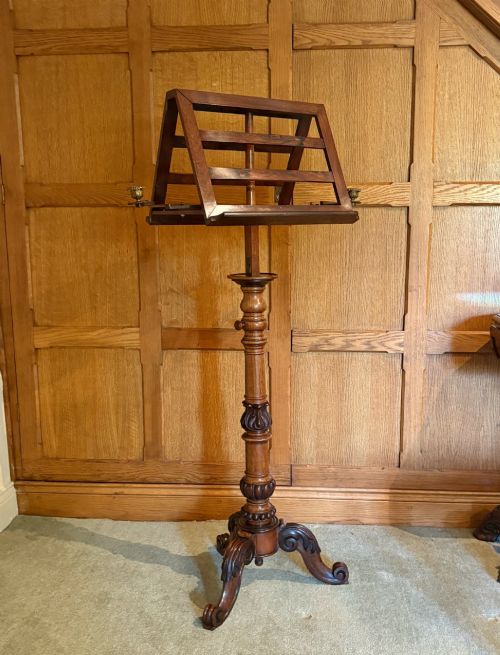
- A music stand wide enough to accommodate two open scores simultaneously, often featuring double adjustable desks.
- Telescopic
- An internal sliding mechanism allowing a vertical shaft to raise and lower smoothly.
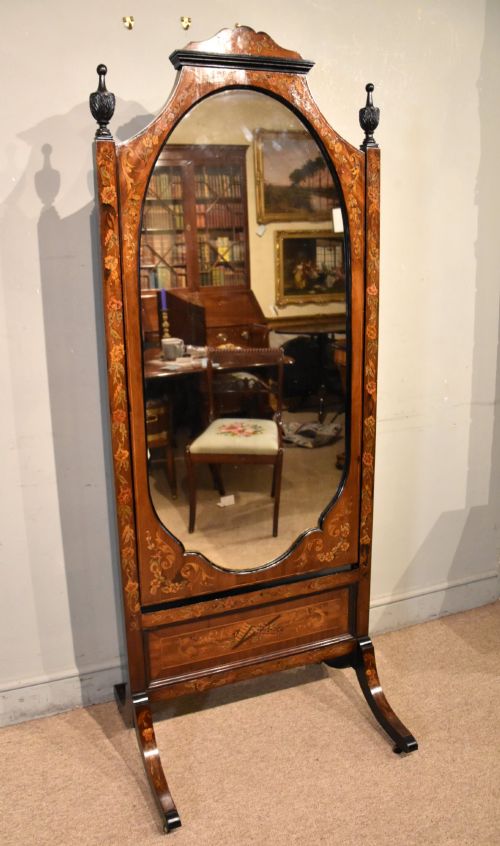
- Cheval mirror
- A full-length floor mirror suspended on a frame that tilts on pivots.
- Tripod base
- A three-legged support structure commonly found beneath reading stands and music lecterns to ensure stability on uneven floors.
Mahogany Adjustable Stand: Frequently Asked Questions
How do these stands adjust?
Many examples use brass thumbscrews, sliding wooden columns, or ratcheted brackets to alter height and tilt.
Operators simply loosen the mechanism, move the reading slope or mirror to the desired angle, and tighten it secure.
What were reading stands used for?
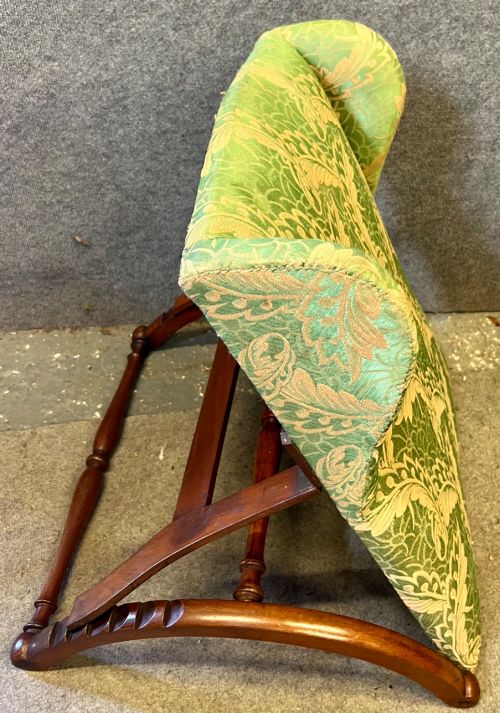
Reading stands held books, folios, or sheet music at a comfortable viewing angle for standing or seated users.
Library and desktop versions kept weighty volumes open without requiring the reader to support the binding manually.
How do I identify a shaving stand?
Shaving stands incorporate an adjustable mirror mounted above a small table surface, tripod base, or cabinet.
They date primarily from the Victorian era and were designed for morning grooming routines.
Are these pieces stable when extended?
Heavier tripod bases and wide floor-standing reading tables provide steady support even when the central column is raised.
Internal brass stops and threaded collars prevent the upper shaft from dropping suddenly.