


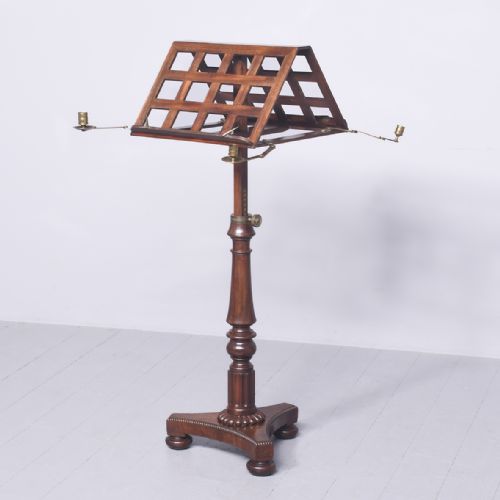


Georgian Adjustable Candle Stand
A georgian adjustable candle stand is a mechanical marvel of domestic illumination, prized for its clever height-regulating mechanism that directs light precisely where needed.
Georgian Adjustable Candle Stand
A georgian adjustable candle stand encompasses various forms designed to hold tapers and lamps at varying heights for reading, writing, and socialising. These pieces emerge from the eighteenth and early nineteenth centuries, spanning George II, George III, and Regency styles.
The inventory on this page frequently presents mahogany and walnut examples alongside Sheffield plate, brass, silver, and copper pieces. Alongside standard candlesticks, buyers encounter occasional tables, music stands, and floor lamps featuring telescoping or mechanical height adjustments.
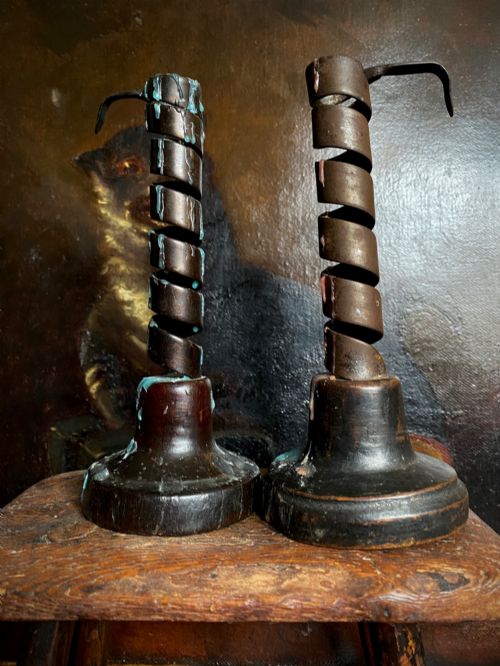
Makers utilised ingenious mechanisms including telescopic stems, screw threads, and spiral designs to allow the light source to rise and fall. This versatility remains the defining characteristic that separates these stands from fixed lighting fixtures of the same eras.
How they were made
Cabinetmakers constructed wooden stands using dense timbers like mahogany, walnut, and rosewood, often featuring turned shafts and tripod or circular bases. Carpenters and joiners turned the timber on lathes to create slender stems capable of housing internal sliding mechanisms.
Metalworkers formed telescopic candlesticks from brass and Sheffield plate, soldering tubes together so one section slid smoothly inside another to alter the height. Iron and copper also appear, alongside painted metal and silver, demonstrating varied metalworking techniques of the period.
Georgian Adjustable Candle Stand Retail Price Guide 2026
Typical asking prices for georgian adjustable candle stand among the pieces listed under this phrase on Sellingantiques today, from the lower quarter to the upper quarter. They describe what is for sale here now, not the wider market.
Recorded periods range from early eighteenth-century George II designs through to the Regency era.
What varies in quality
The sophistication of the mechanical adjustment dictates much of the distinction between standard items and superior examples. Telescopic brass stems that hold their position securely without slipping demonstrate precision engineering from period workshops.
The choice of timber and metal plating significantly influences the character of each piece. Figured mahogany, rich walnut, and heavy gauge Sheffield plate reflect higher expenditure by the original patrons who commissioned them.
Harrison Patent
The Georgian Adjustable Candle Stand Glossary
- Telescopic
- A design utilising nested tubes that slide inside one another to extend or shorten the overall height of the stand. This method is common in brass and silver-plated lighting.
- Sheffield Plate
- A material created by fusing a thin sheet of silver to a thicker copper base, developed in the eighteenth century. It appears frequently on adjustable candlesticks of the period.
- Treen
- Small domestic wooden objects turned or carved by hand. Some candle stands incorporate treen construction in their turned stems and bases.
- Bouillotte
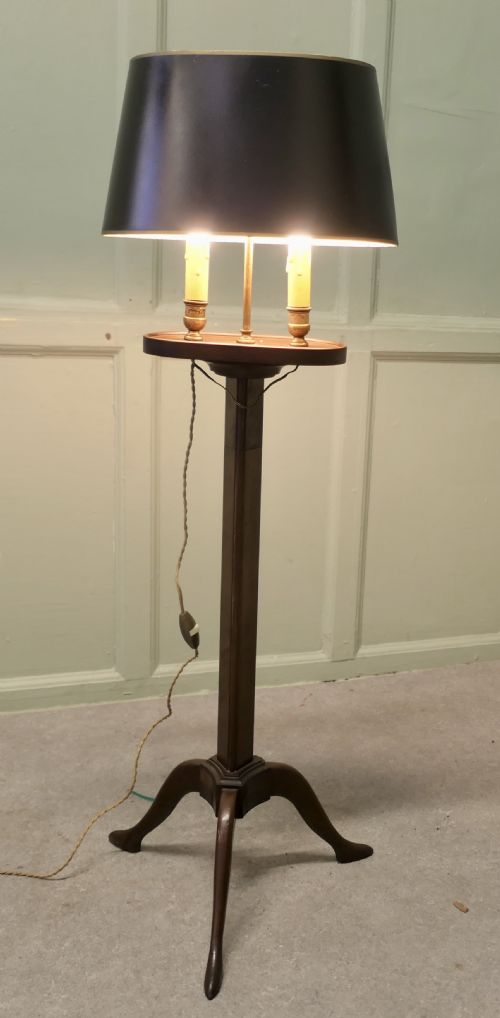
- A style of lamp typically featuring a central adjustable shaft and one or more candle arms, often paired with a shade. These appear in nineteenth-century variations.
- Tripod base
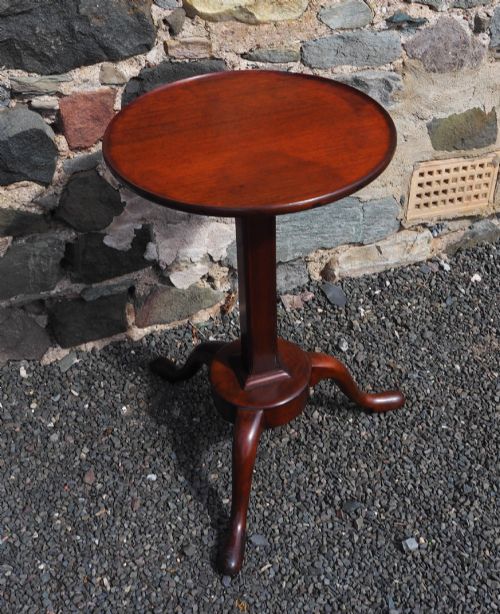
- A three-legged support commonly fitted to wooden candle stands and occasional tables to ensure stability on uneven floors. This form is typical of Georgian cabinetmaking.
Georgian Adjustable Candle Stand: Frequently Asked Questions
How do telescopic candlesticks work?
Telescopic candlesticks operate through closely fitted metal tubes that slide vertically to raise or lower the flame. A friction fit or internal stop typically holds the upper shaft at the desired height.
This clever engineering allowed eighteenth-century users to adjust the illumination as the candle burned down or as lighting needs changed in the room.
What is the difference between George II and Regency stands?
George II stands generally exhibit the heavier proportions, carved details, and dark timbers typical of mid-eighteenth-century design. Regency pieces lean towards classical revival motifs, lighter metals like Sheffield plate, and sharper turned lines.
Both styles utilise adjustable mechanisms, but the aesthetic vocabulary shifts from robust mahogany cabriole influences to refined classical restraint.
Were these stands used for reading?
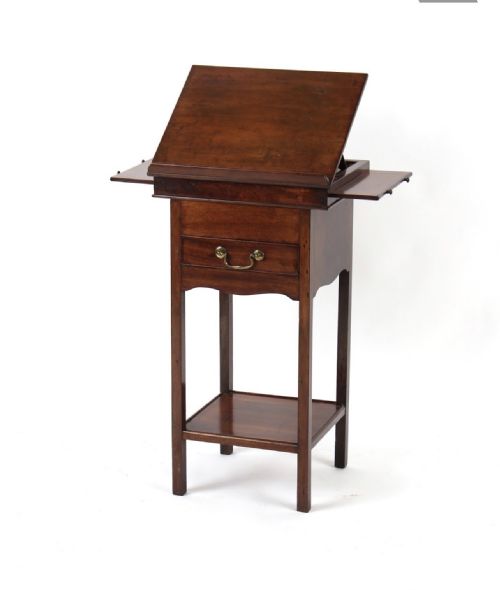
Many adjustable stands served multiple functions, combining candle holders with reading surfaces or music desks. George II double reading tables allowed books to be supported alongside a light source.
Their adjustable height made them versatile furniture items placed beside chairs or desks where focused illumination was essential.
How can I tell a Georgian stand from a later copy?
Authentic Georgian stands display period construction methods, such as hand-cut threads, patinated timber surfaces, and traditional joining techniques. Wear patterns on the moving parts often reveal centuries of regular domestic use.
Examining the weight of the metal and the grain of the wood provides clear indicators of eighteenth-century origin compared to later reproductions.