





Swedish Style Chest Drawers
These Swedish style chest drawers bring practical storage and clean architectural lines to a room, rooted in centuries of Nordic craftsmanship.
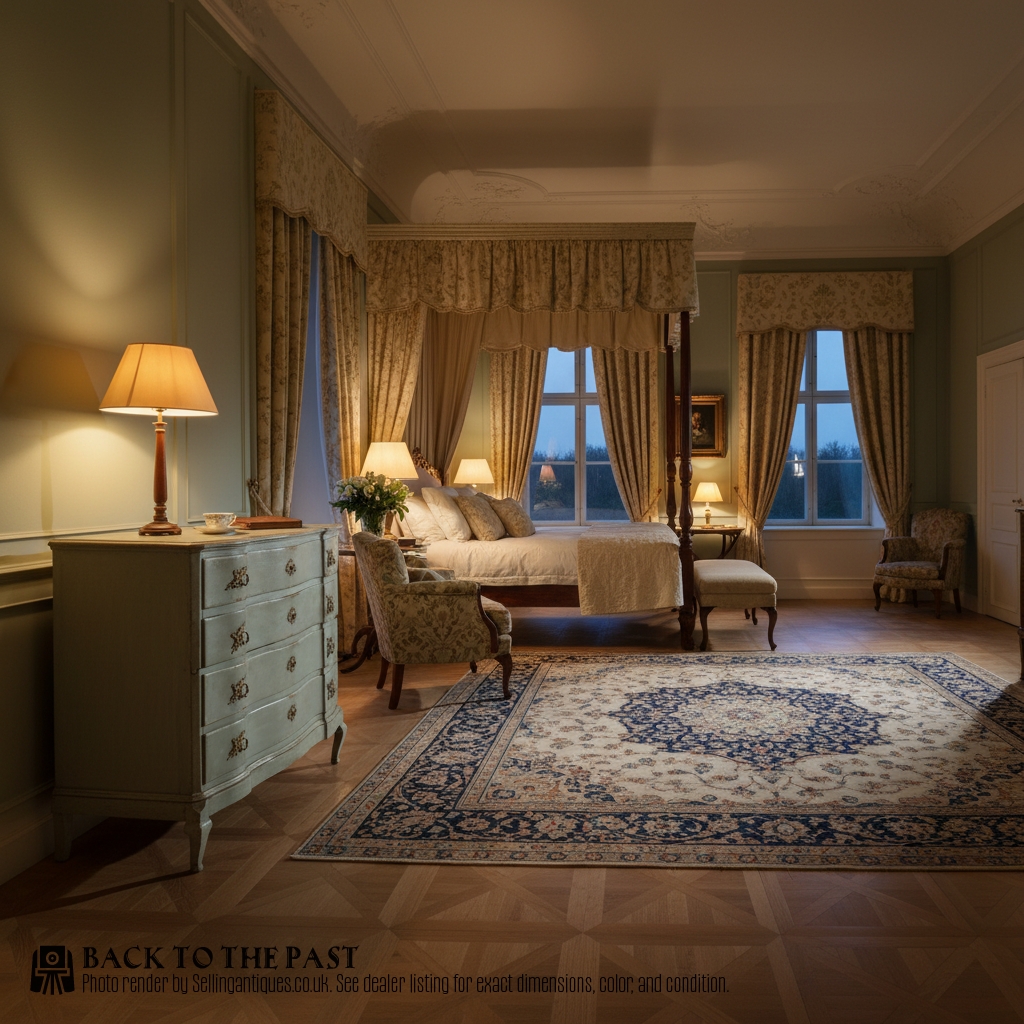
Swedish Style Chest Drawers
When you search for swedish style chest drawers, you encounter storage furniture spanning the eighteenth and nineteenth centuries, alongside regional revivals. These pieces encompass both country pine items and formal urban commodes created across Sweden.
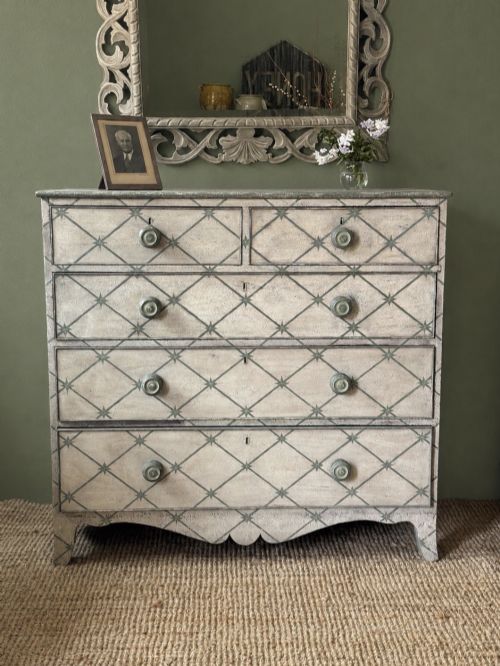
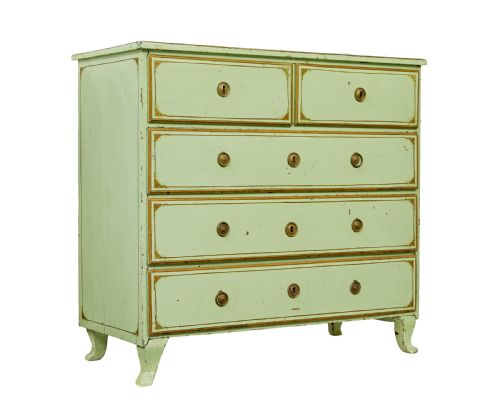
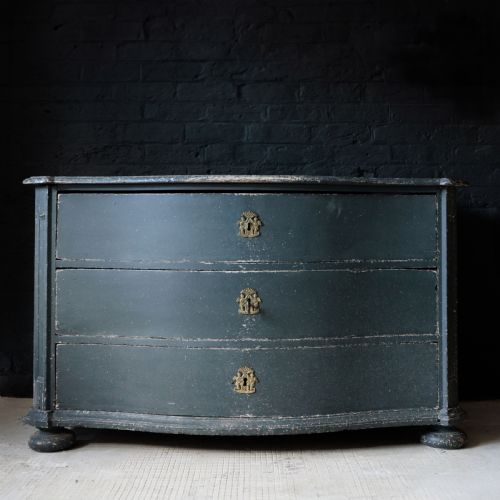
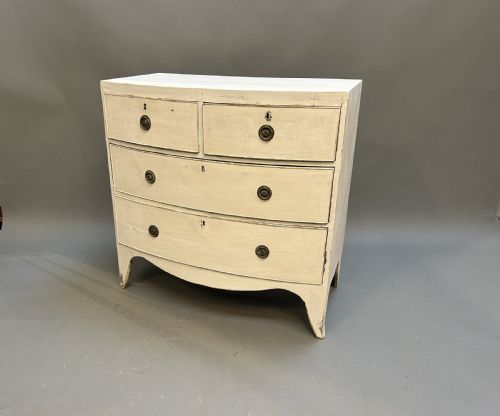
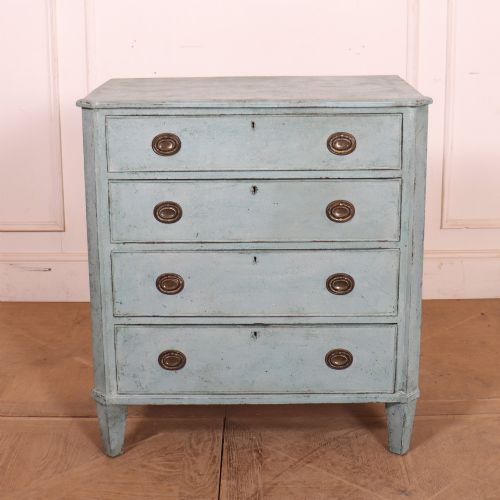
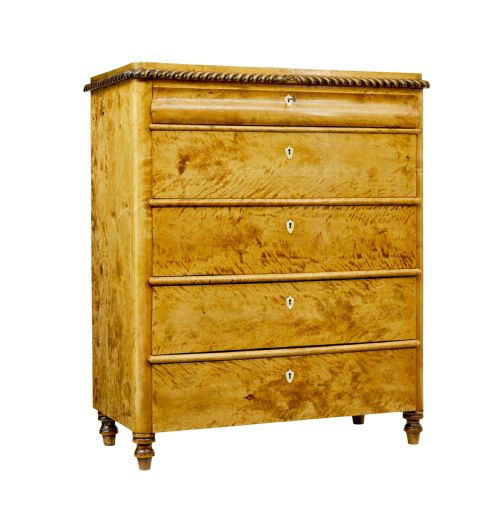
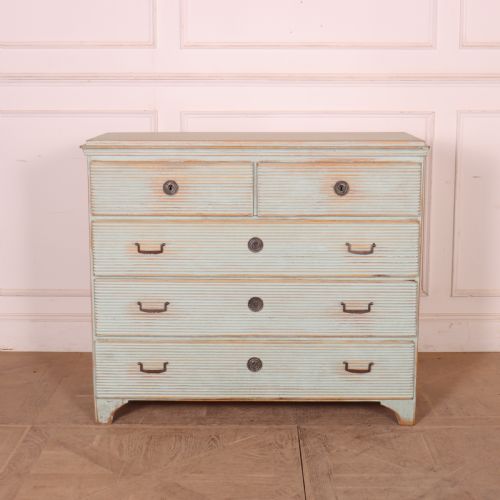
The most frequent examples on this page are painted pine and birch chests dating from the nineteenth century. These forms often feature serpentine fronts, fluted drawer details, and traditional decorative finishes.
Originating from Scandinavian traditions, these chests range from eighteenth-century Baroque and Gustavian neoclassical designs to later Empire Revival models. They serve as functional storage units that double as decorative focal points in domestic interiors.
Materials and Construction Methods
Makers utilised native Scandinavian timbers such as pine and birch, alongside oak and mahogany for specific commissions. Solid woods form the structural carcasses, with tiger birch veneers appearing on select neoclassical and revival pieces.
Surface treatments define much of this furniture, utilising layered paint in muted tones, faux marble top finishes, and hand-applied pigments. Joinery relies on traditional carpentry techniques, paired with brass hardware and iron fittings.
Some nineteenth-century chests sport faux marble tops painted by hand to mimic expensive stone without the back strain.
Quality Variations in Construction and Finish
The distinction between tiers rests upon the execution of the timberwork and the preservation of the original surface finishes. Fine examples display crisp carving on drawer fronts, precise serpentine curves, and well-proportioned fluting.
Subtle differences in the depth of hand-applied paint layers and the integrity of the underlying wood separate standard utility pieces from high-status urban commodes. Original decorative schemes and period brass hardware elevate the distinction of a piece.
The Swedish Style Chest Drawers Glossary
- Commode
- A low chest of drawers, often with a decorative front, originating in French furniture design but widely adopted in Swedish interiors.
- Serpentine
- A furniture front characterised by a wavy contour featuring a convex centre flanked by concave curves.
- Gustavian
- The Swedish neoclassical style developed during the reign of Gustav III, known for restrained ornamentation and pale painted finishes.
- Caddy top
- A raised or moulded tabletop style with a stepped profile, frequently seen on nineteenth-century chests.
- Tiger birch
- A figured wood variety showing distinctive, contrasting grain patterns resembling tiger stripes, prized in nineteenth-century cabinetmaking.
Swedish Style Chest Drawers: Frequently Asked Questions
How do I date a painted chest?
Dating relies upon examining the underlying construction timber, nail types, and the method of paint application. Earlier pieces from the eighteenth century typically exhibit hand-cut joinery and aged pigment layers.
Later nineteenth-century and revival pieces often display machine-sawn elements beneath newer decorative coats. Comparing the hardware style and wood shrinkage patterns helps confirm the period.
Where should I place these chests?
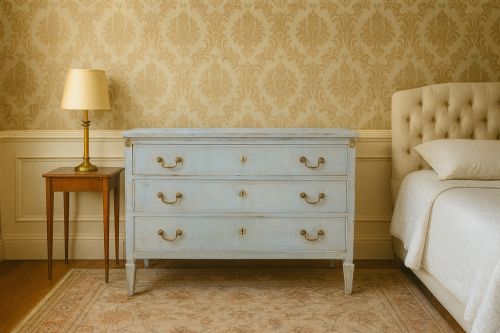
These chests function effectively in bedrooms, hallways, or living spaces as storage units with a strong visual presence. Their proportion allows them to anchor a wall while providing practical drawer space for everyday items.
Pairing a painted chest with neutral walls highlights the finish, whereas pairing a birch piece with complementary wood tones creates depth in a room.
What is a serpentine front?
A serpentine front is a curved furniture face where the central section arches outward while the outer edges curve inward. This contour requires precise woodworking skills to shape the solid wood drawer fronts and match the frame.
Cabinetmakers utilised this shape during the eighteenth and nineteenth centuries to add movement and elegance to commodes.
Are painted finishes original?
Many pieces retain their period paint surfaces, while others have been redecorated by hand in traditional grey or muted tones. Examining the paint layers under natural light reveals whether the finish has accumulated age or represents a later decorative refresh.
Both original patinated schemes and careful hand-redecoration are common across Scandinavian storage furniture.