


Swedish Painted Pine Cupboard
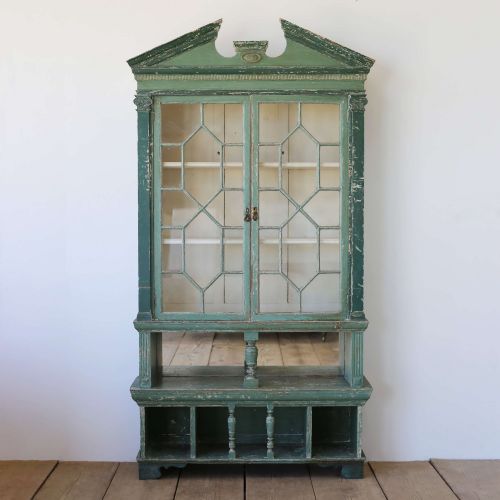
A swedish painted pine cupboard brings immediate warmth to a room through weathered pigment and honest softwood construction.
Swedish Painted Pine Cupboard
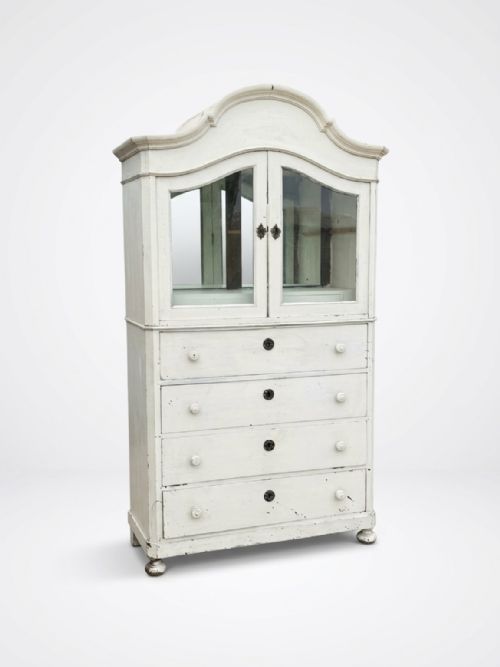
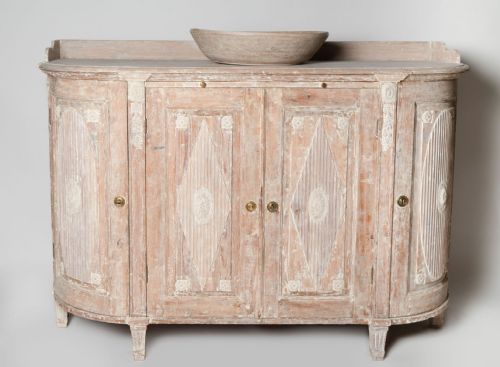
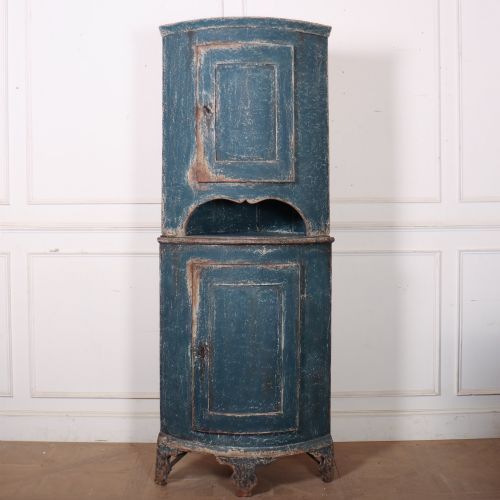
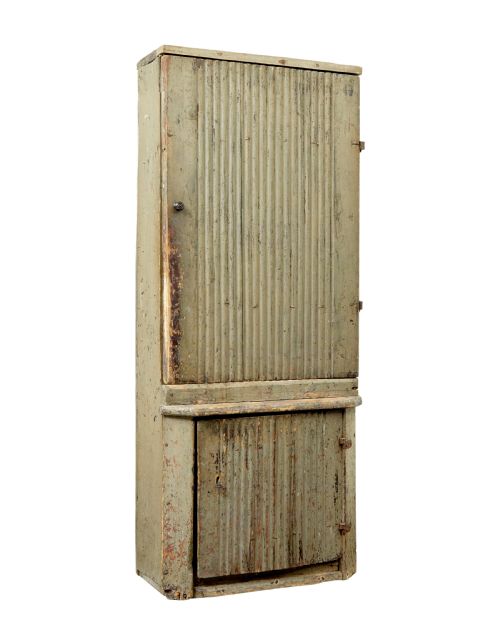
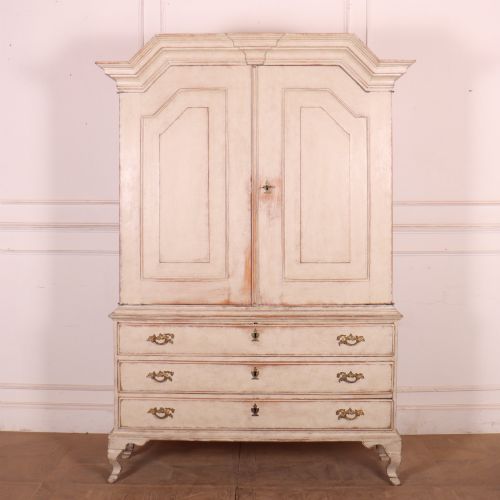
A swedish painted pine cupboard is a domestic storage piece ranging from wall-hanging cabinets to large linen armoires and two-door cupboards. These items originate predominantly from the eighteenth and nineteenth centuries, spanning periods like the Georgian era and the broader nineteenth century.
The common form met on this page is the upright freestanding linen cupboard or kitchen cabinet, frequently displaying distinctive regional traits. Many examples reflect Scandinavian country and folk art traditions, alongside refined Gustavian aesthetics defined by lighter palettes.
Makers utilised local softwood timber to build these utilitarian pieces for rural and urban homes alike. Cabinets often incorporate functional additions like corner alignments, stands, or double doors to suit domestic storage needs.
Materials and construction methods
Construction relies upon native pine and softwood boards joined simply and robustly for daily service. Iron and brass hardware such as hinges and locks secure doors and wall mounting points.
Surface finishes involve layers of paint, mineral paint, and traditional ragwork techniques applied over timber. Scraped paint treatments reveal historic coats, while hand-painted details add character to individual panels.
Materials documented across the inventory include iron, brass, glass, mineral paint, and zinc.
Assessing quality in painted pine
Quality rests in the integrity of the original paint surface and the honesty of the timber preservation. Pieces retaining untouched scraped paint or authentic folk art decoration command greater interest than heavily restored examples.
Proportion and decorative restraint dictate the visual success of each cabinet. Finer items exhibit balanced proportions, whether through delicate Gustavian mouldings or robust Scandinavian country joinery.
The Swedish Painted Pine Cupboard Glossary
- Gustavian
- The Swedish neoclassical style spanning the late eighteenth and early nineteenth centuries, known for restrained symmetry and pale painted finishes.
- Ragwork
- A decorative paint technique using rags or cloths to dab colour onto a surface, creating mottled or textured patterns on nineteenth-century furniture.
- Softwood
- Timber from conifer trees, predominantly pine in these listings, which provides a light and workable material for traditional cabinet making.
- Bonnet top
- An arched or domed upper bonnet section found on certain tall cabinets and armoires to add height and decorative presence.
- Scraped paint
- A conservation method that reveals earlier layers of historical paint beneath the uppermost surface, highlighting the age and decorative history of the wood.
Swedish Painted Pine Cupboard: Frequently Asked Questions
How do I date a painted pine cupboard?
Dating relies upon examining construction joints, hardware types, and the composition of the paint layers. Earlier eighteenth-century pieces often display hand-wrought iron fixings and different cabinet proportions compared to later nineteenth-century equivalents.
Paint analysis also offers clues, as original mineral paints and early ragwork treatments differ visibly from modern refinishing efforts. Comparing the overall style against documented regional Scandinavian traditions helps narrow the decade of origin.
Where were these cupboards originally placed?
These storage pieces served domestic functions throughout rural and urban Scandinavian homes. Linen cupboards and large armoires stood in bedrooms or hallways to store textiles, while smaller wall cabinets hung in kitchens for daily utensils and provisions.
Corner cupboards utilised awkward room angles efficiently, and pieces on stands provided elevated storage in farmhouses. Their practical nature meant they moved between primary living spaces and utility areas as household needs changed.
What is the difference between Gustavian and folk art styles?
Gustavian design draws inspiration from French neoclassical architecture, featuring muted grey or white palettes, fluted columns, and restrained geometric symmetry. These pieces often graced more formal Swedish townhouses and manor rooms.
Scandinavian folk art and country styles embrace vibrant hand-painted motifs, expressive floral patterns, and varied ragwork textures suited to rural homesteads. This vernacular approach celebrates local craft traditions rather than strict classical academic rules.