



19th Century Wall Cupboard
A 19th century wall cupboard brings compact storage and regional character to a room, ranging from plain pine country pieces to formal mahogany corners.
19th Century Wall Cupboard
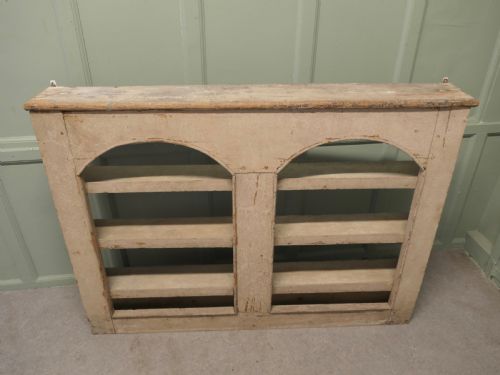
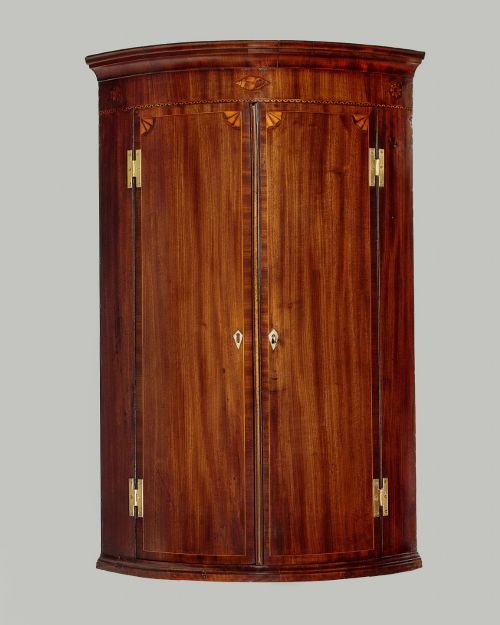
A 19th century wall cupboard serves to store household items off the floor while adding architectural interest to domestic interiors. The examples found here span diverse regional traditions, from Scandinavian painted pine to English mahogany corner units.
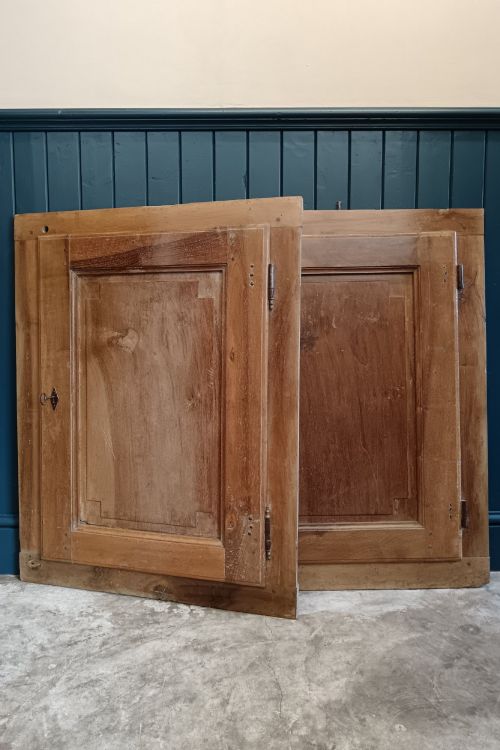
Buyers encounter numerous forms when searching for a 19th century wall cupboard, including flat wall cabinets, corner cupboards, and wall shelves with integrated compartments. These pieces originate from domestic kitchens, estate workshops, and provincial homes across Europe.
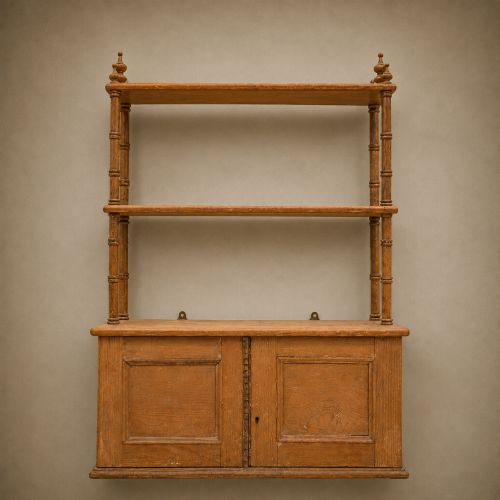
The selection includes specialised functional items such as ticket cupboards, panetières, and smokers' cabinets alongside standard display shelving. Woods like oak, walnut, and pine predominate, often shaped to fit specific corners or wall spaces.
How They Were Made
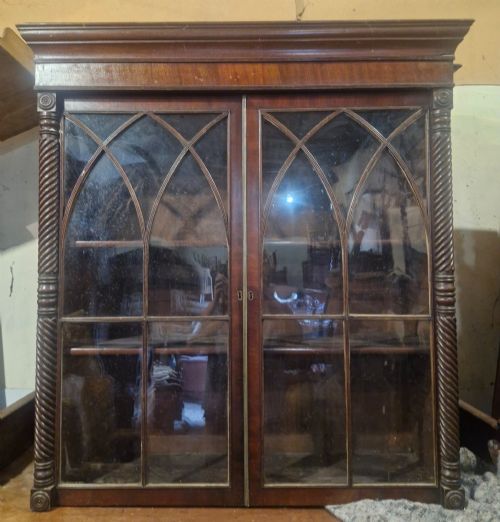
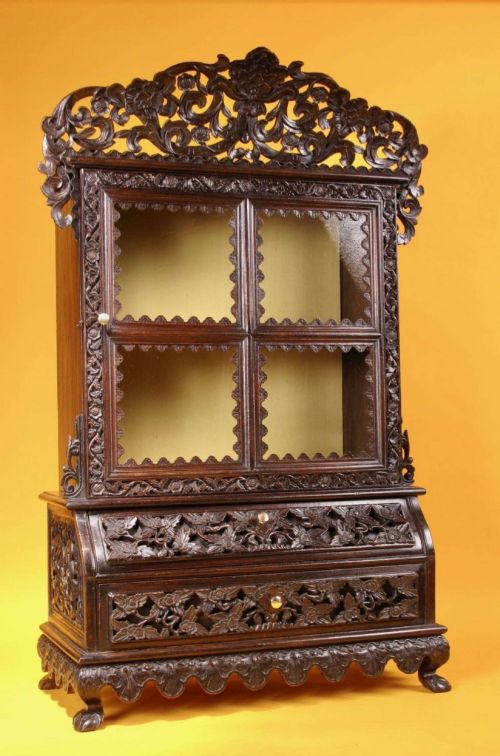
Cabinetmakers constructed these cupboards using solid timbers like mahogany, oak, and pine, frequently joining boards with traditional dovetails and tenons. Carved details, barley twist turnings, and shaped shelves demonstrate the manual woodworking methods of the period.
Surface treatments range from clear oil finishes to original paint, Japanned layers, and inlaid satinwood or bone. Glazed doors, brass hardware, and iron hinges provide structural security and visual contrast against the timber bodies.
19th Century Wall Cupboard Retail Price Guide 2026
Typical asking prices for 19th century wall cupboard among the pieces listed under this phrase on Sellingantiques today, from the lower quarter to the upper quarter. They describe what is for sale here now, not the wider market.
One listed cabinet once held railway tickets, proving that even transit bureaucracy needed a nice home.
What Varies in Quality
Construction methods distinguish high-grade workshop production from vernacular estate-made pieces. Finely dovetailed joints and select timbers like burr walnut or rosewood indicate higher craftsmanship than utility pine.
The survival of original surfaces, such as early paintwork or delicate japanning, elevates an object's integrity. Intricate decorative elements like abalone inlay, carved panels, or specialised hardware separate standard functional boxes from superior examples.
Town and Emanuel
The 19th Century Wall Cupboard Glossary
- Japanned
- European imitation of East Asian lacquerwork, created using layered varnishes and often decorated with painted figures or landscapes.
- Panetière
- A traditional French freestanding or wall-mounted bread store featuring turned spindles for ventilation.
- Bow Front
- A convex curved cabinet front that projects outward from the corners, typical of corner cupboards.
- Corner Cupboard
- A cabinet specifically built with angled sides to fit flush into the corner of a room.
- Barley Twist
- A spiral turning carved into furniture legs or vertical supports, popular during the Victorian period.
19th Century Wall Cupboard: Frequently Asked Questions
How do I hang a heavy wooden wall cupboard safely?
Most antique cupboards require sturdy internal mounting brackets or fixings attached directly through the backboards into wall studs or masonry.
Because these pieces are made from dense timbers like oak and mahogany, professional installation ensures the weight is distributed securely.
Where were these cupboards originally placed in a home?
Corner cupboards utilised unused angles in dining rooms and parlours to display china, while kitchen racks held everyday utensils and food.
Smaller smoker's cabinets or ticket cupboards were designed for specialised offices, studies, or smoking rooms.
How do I clean an antique painted pine cupboard?
Dust the surface gently with a dry, soft cloth to prevent scratching fragile historic paint layers.
Avoid modern chemical cleaning agents or excess water, which can lift or damage original oil and paint finishes.
How can I tell a Georgian cupboard from a Victorian one?
Georgian pieces often feature cleaner architectural lines, mahogany veneers, and subtle string inlay reflecting classicism.
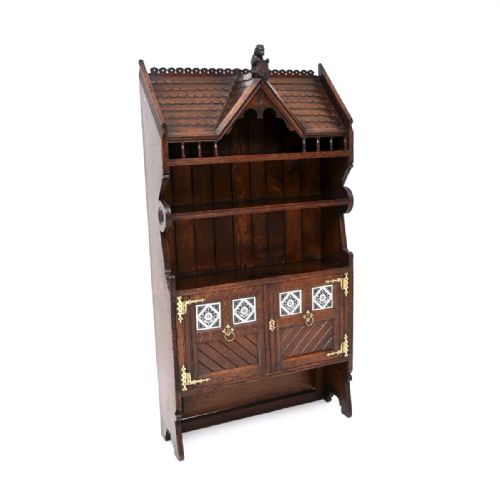
Victorian examples frequently display heavier timber sections, Gothic revival motifs, or decorative turned elements like barley twists.