




Pine Hanging Cupboard
A pine hanging cupboard brings domestic warmth to a wall, offering compact storage with simple vernacular charm.
Pine Hanging Cupboard
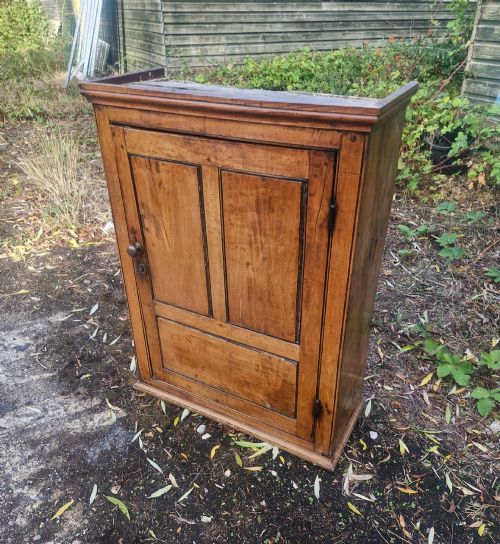
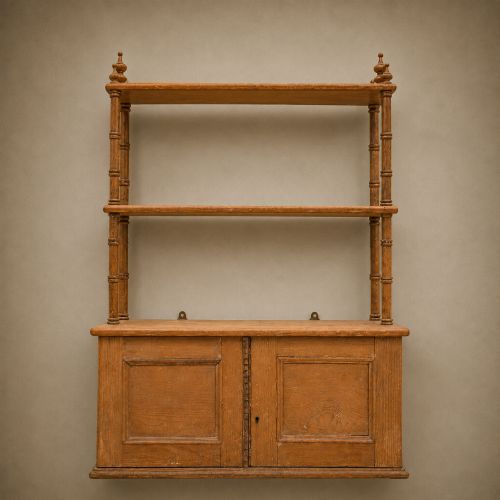
A pine hanging cupboard is a wall-mounted storage piece designed to keep small provisions or household items off the floor. When you search this phrase, you encounter wall-mounted cabinets and corner cupboards dating from the eighteenth and nineteenth centuries.
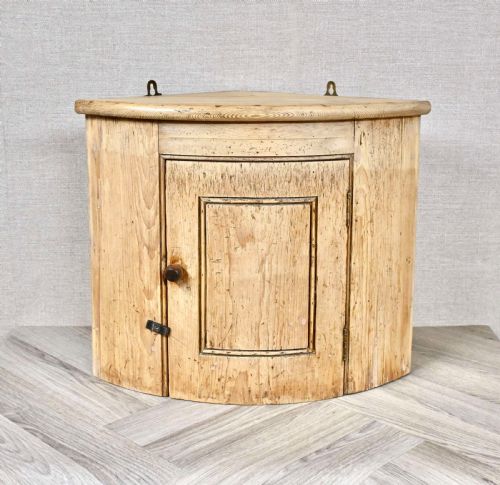
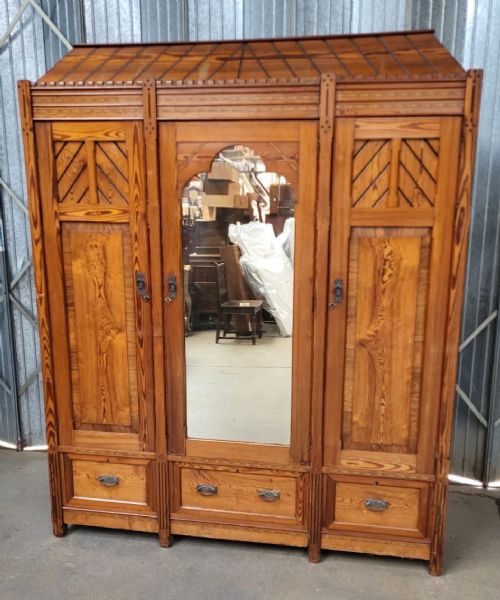
The nineteenth century and the Victorian era provide the majority of these pieces, alongside Georgian examples. Forms range from flat-backed wall cabinets to angled corner cupboards and small wardrobes.
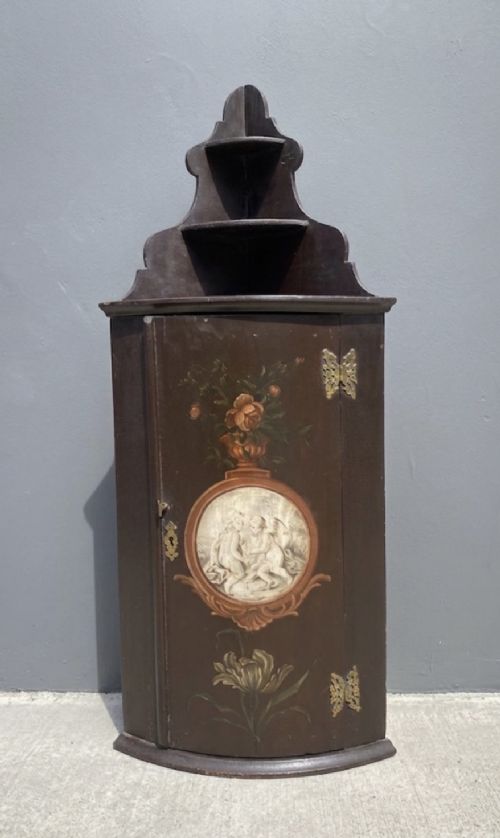
Origins span English, Welsh, and Scandinavian workshops, reflecting both country farmhouse traditions and folk art aesthetics. Painted finishes and stripped wood surfaces appear frequently across these regional variants.
Materials and Construction
Constructed primarily from solid pine and pitch pine, these cupboards often incorporate secondary woods such as elm and oak. Iron and brass hinges, latches, and hooks secure the doors and provide structural support.
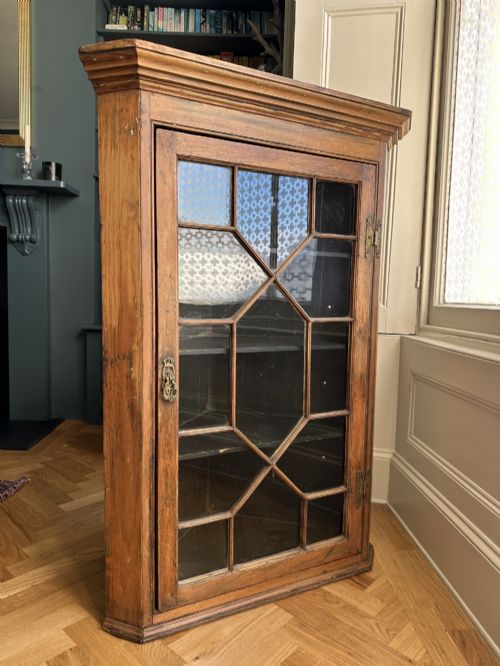
Surfaces display either the natural grain of stripped wood or historical layers of paint. Glazed doors with glass panes and mirrored panels appear on select refined domestic cabinets.
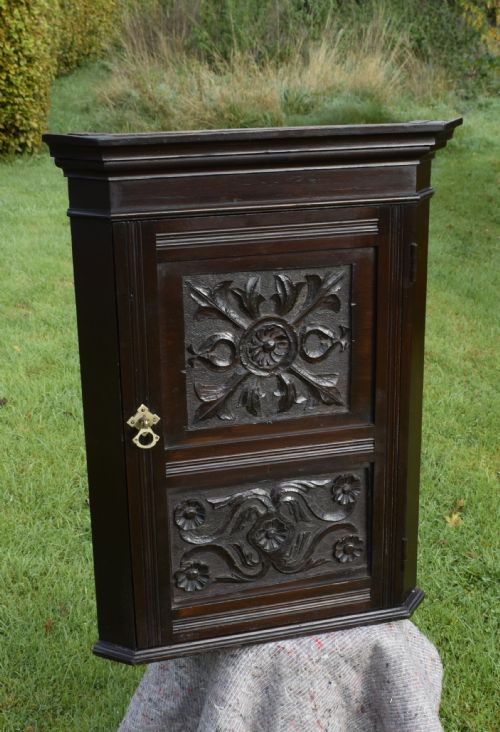
Joinery methods rely on traditional carpentry suited to utilitarian furniture. Carved details and inlaid elements emerge in specific Arts and Crafts or Gothic revival pieces.
Listings feature eighteenth and nineteenth century periods alongside Scandinavian country and Welsh vernacular styles.
Design and Finish
Quality rests in the survival of original decorative paint schemes versus stripped surfaces. Pieces retaining genuine historical paint finishes or untouched original interiors command greater interest.
Proportion and architectural detailing distinguish standard utility cupboards from finer regional examples. The presence of shaped cornices, panelled doors, and original hardware elevates a piece above basic vernacular work.
The Pine Hanging Cupboard Glossary
- Pine
- A softwood commonly used in vernacular furniture making throughout the eighteenth and nineteenth centuries. It provides a stable surface that accepts paint readily.
- Pitch pine
- A resinous pine variety known for its dense grain and durability, frequently utilised during the Victorian era. It yields a rich surface when polished or finished.
- Corner cupboard
- A storage cabinet built with an angled back to fit snugly into the intersection of two walls. These save floor space while providing accessible eye-level shelving.
- Vernacular
- Everyday furniture made by regional craftsmen for local use rather than high-style metropolitan workshops. These pieces prioritise practical utility over academic design canons.
- Folk art
- Decorative painting and embellishment applied by traditional makers to domestic objects. Scandinavian and continental examples frequently showcase this vibrant stylistic tradition.
Pine Hanging Cupboard: Frequently Asked Questions
How do I hang a heavy pine cupboard safely?
These wall-mounted pieces require secure fastening directly into masonry or through plaster into wooden wall studs.
Distributing the weight properly prevents the hanging brackets from pulling away from the aged pine backing.
Were these cupboards meant for kitchens or living rooms?
Vernacular pine cupboards served various domestic roles, holding food stores, crockery, or linens in kitchens and parlours alike.
Smaller corner versions suited tight spaces in hallways, cloakrooms, and bedrooms.
How can I tell a Georgian cupboard from a Victorian one?
Georgian and late eighteenth-century examples often display simpler architectural mouldings and hand-wrought iron hardware.
Victorian pieces frequently incorporate machine-sawn timber, glazed panels, or richer pitch pine varieties.
Should I strip painted pine or keep the finish?
Retaining original historical paint preserves the character and age of folk art and country pieces.
Stripping exposes the bare grain but removes the historical surface patina that collectors value.