


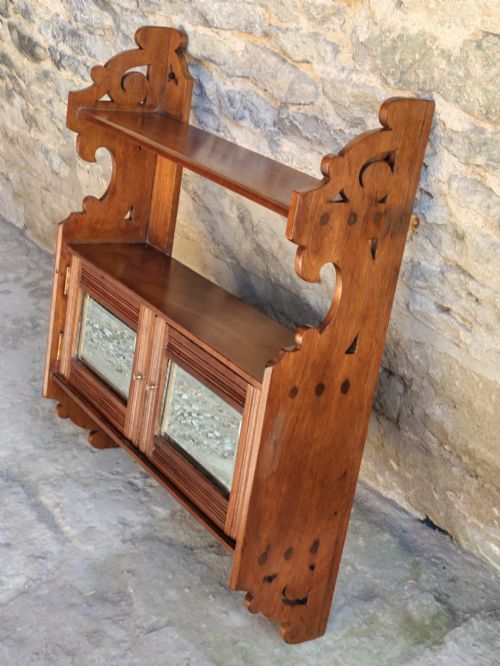


Hanging Medicine Cabinet
A hanging medicine cabinet brings compact storage and period character to small wall spaces.
Hanging Medicine Cabinet
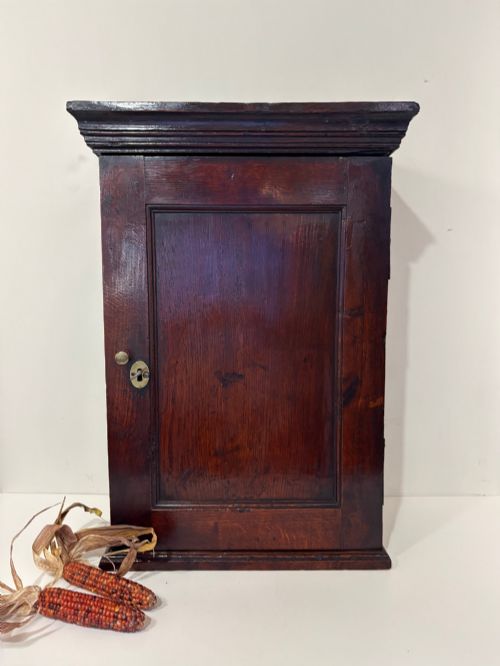
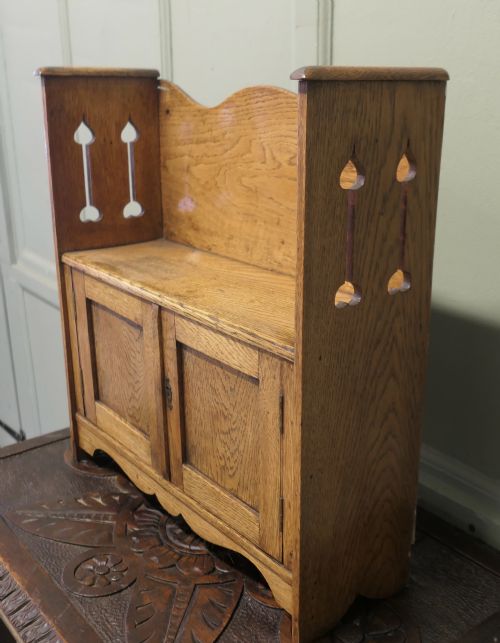
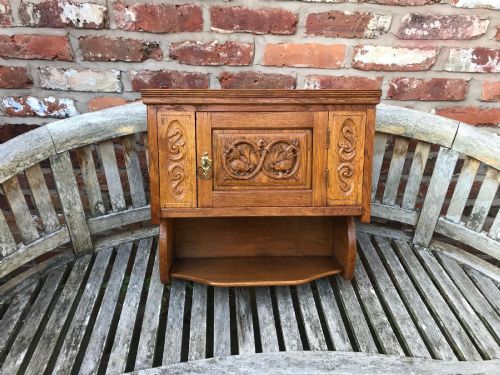
When you search for a hanging medicine cabinet, you encounter compact wall-mounted storage forms that originate primarily from the eighteenth and nineteenth centuries. These pieces encompass spice cupboards, food cupboards, and small wall cupboards originating from English, Georgian, Victorian, Edwardian, and Scandinavian workshops.
Materials and construction methods
Cabinet makers utilised solid native timbers, notably oak and walnut in English workshops, alongside pine for painted Scandinavian and continental pieces. Joinery relied on traditional panel construction and dovetail joints to build lightweight wall-hung carcasses.
Surface finishes range from clear wax on grained hardwoods to applied paint schemes, occasionally complemented by brass hardware, glass panels, mirrors, and candle slides.
One walnut glazed cabinet preserves hand-painted advertising for Fry's Chocolate, reminding us that chocolate was once dispensed as medicine.
Distinctions in craftsmanship and survival
Quality rests in the integrity of the original timber framing, the crispness of carved details, and the survival of period glass, mirrors, and brass hinges. Cabinets retaining their original painted surfaces or distinct regional characteristics hold greater integrity.
Form and proportion also define the standard, where neatly integrated descending drawers, cornices, and corner adaptations distinguish bespoke estate-made pieces from simpler utilitarian wall boxes.
The Hanging Medicine Cabinet Glossary
- Spice cupboard
- A small wall-hung storage piece traditionally partitioned for dry goods, featuring a single panelled door. These early forms frequently date to the eighteenth century in oak.
- Corner cupboard
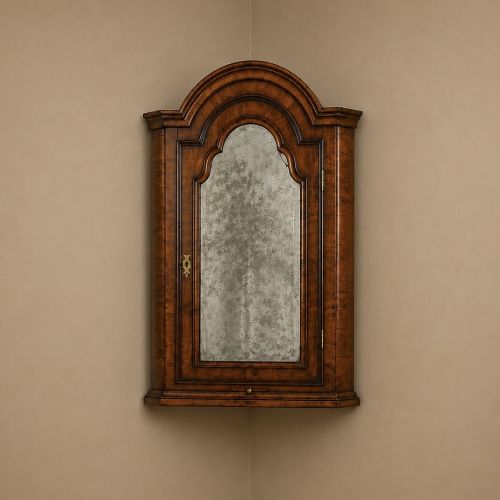
- A triangular cabinet designed to fit neatly into a room junction, saving floor space while displaying contents. These variants appear in both flat-fronted and panelled styles.
- Candle slide
- A small pull-out wooden shelf positioned beneath the main cabinet compartment. It provided a temporary surface for a candlestick during evening access.
- Aesthetic period
- A late nineteenth-century design movement focusing on visual beauty rather than narrative meaning. Pieces from this era often display refined lines and artistic hardware.
Hanging Medicine Cabinet: Frequently Asked Questions
Where were these small cabinets hung?
These compact cupboards were mounted directly to walls in domestic rooms, reception halls, and kitchens where floor space remained at a premium.
Their elevated position kept contents secure and easily accessible at eye level.
How do I identify an eighteenth-century piece?
Eighteenth-century examples typically display heavy oak timber construction, pegged joints, and simple brass H-hinges. The proportions are robust, often housing small interior drawers or spice partitioning.
Surface patination shows decades of wax application and natural darkening of the wood grain.
What timber was used most often?
Oak and pine form the foundation of most listings, with walnut and mahogany appearing in refined Victorian and Edwardian iterations.
Scandinavian and continental pieces rely heavily on pine to receive flat or decorative painted finishes.
Are glazed doors common on these cabinets?
Glazed doors appear on specific Victorian and Edwardian display variations, allowing contents to be viewed safely behind glass panes.
Solid panel doors remain more common on earlier spice and food cupboards intended for private storage.