



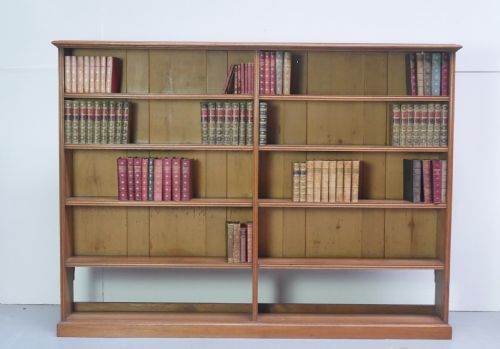
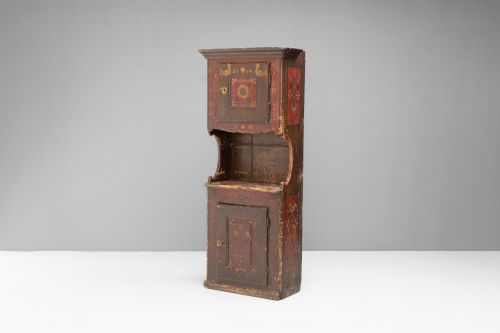
Brown Wood Wall Cabinet
A brown wood wall cabinet brings practical storage to a room while making use of vertical space through fitted corner units or flat hanging cupboards.
Brown Wood Wall Cabinet
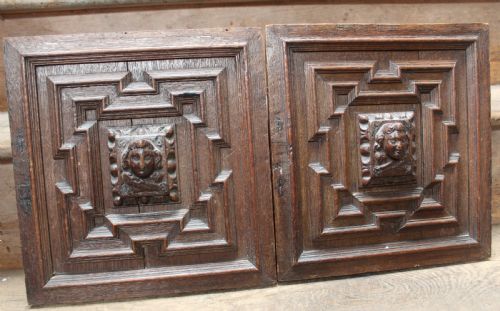
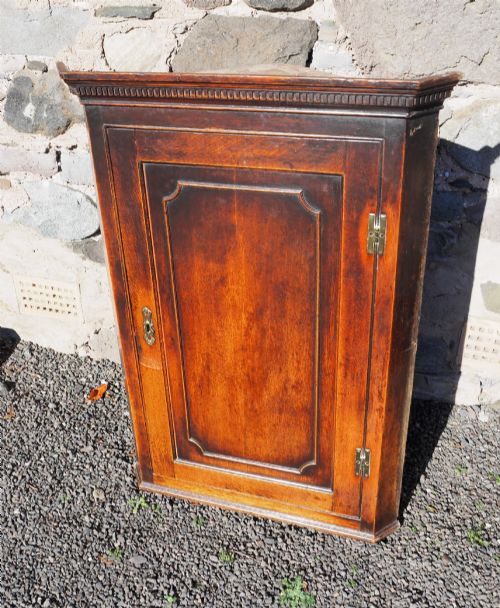
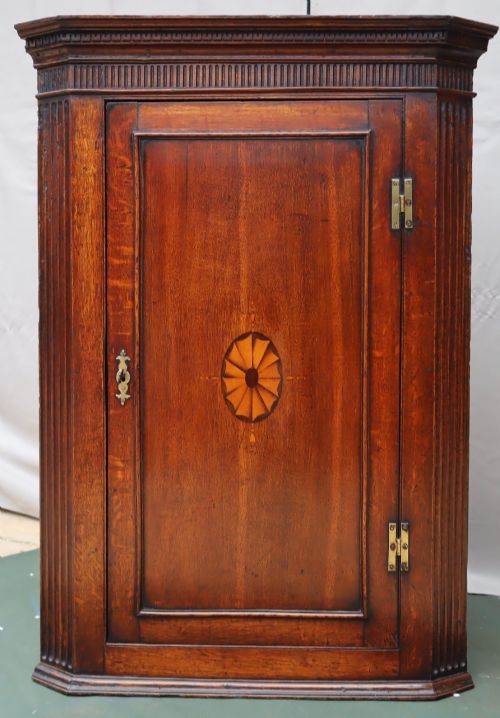
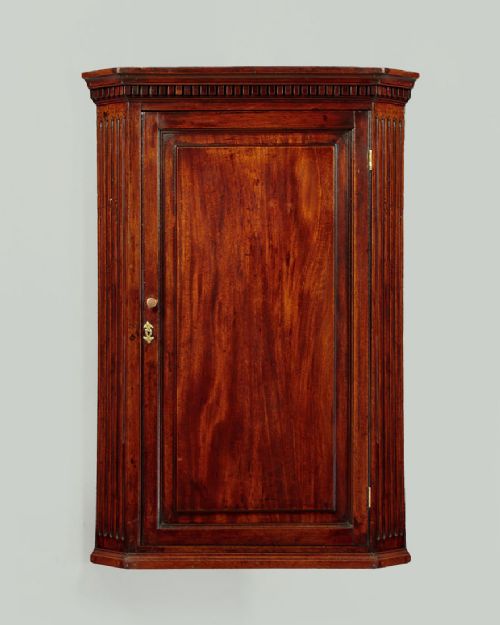
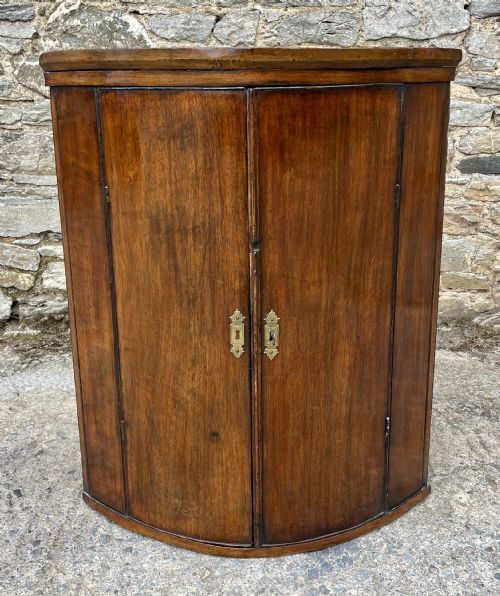
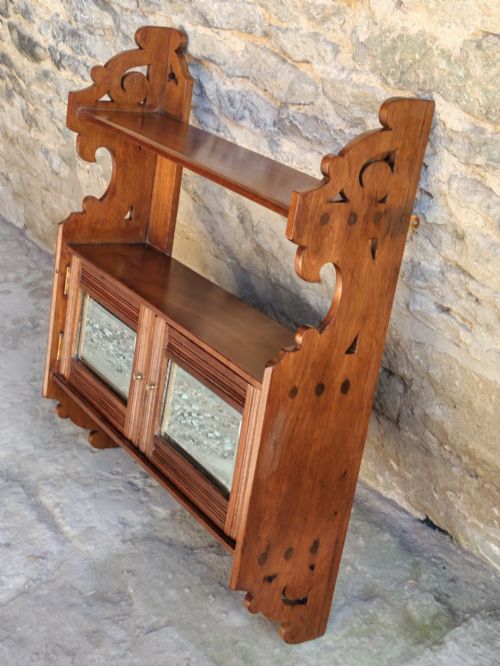
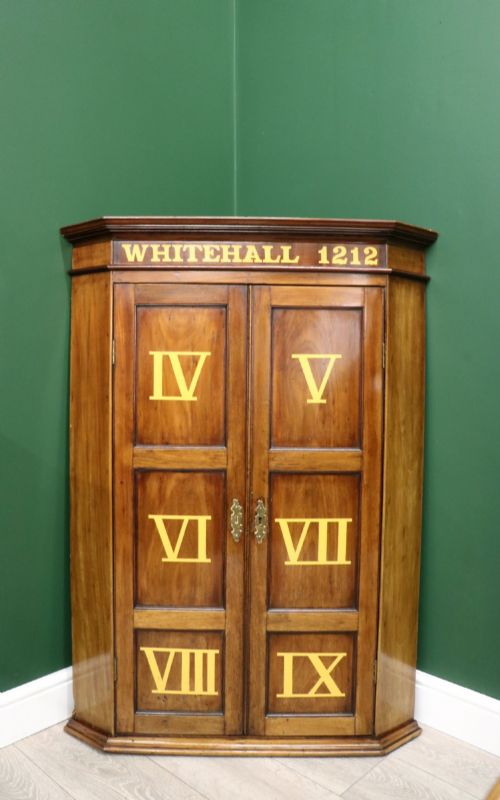
When searching for a brown wood wall cabinet, one encounters a variety of hanging cupboards, corner units, and display cases originating across several centuries. The selection leans heavily toward Georgian and Victorian examples designed to be mounted securely onto walls or fitted neatly into room corners.
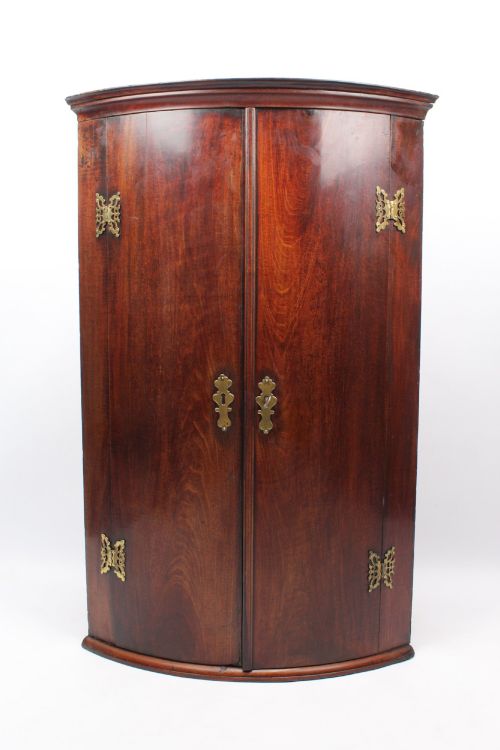
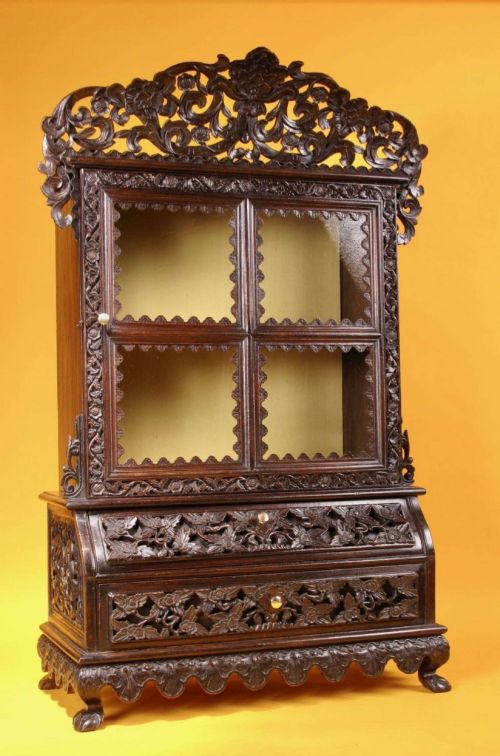
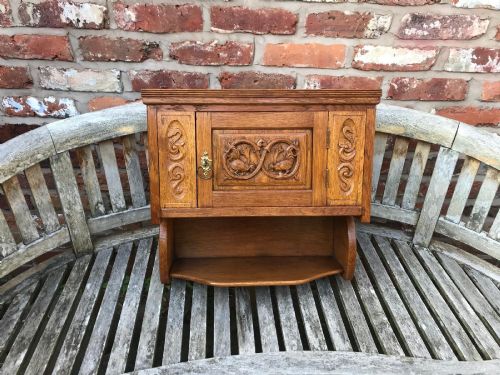
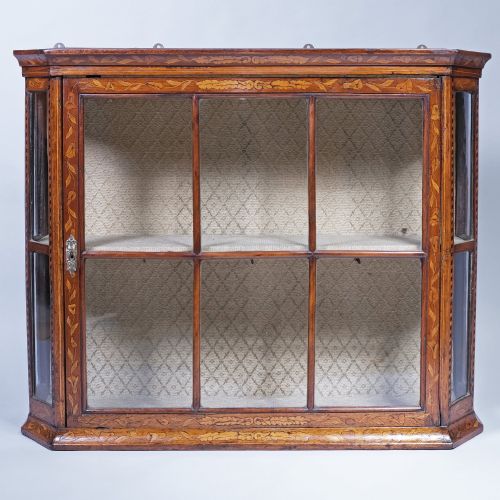
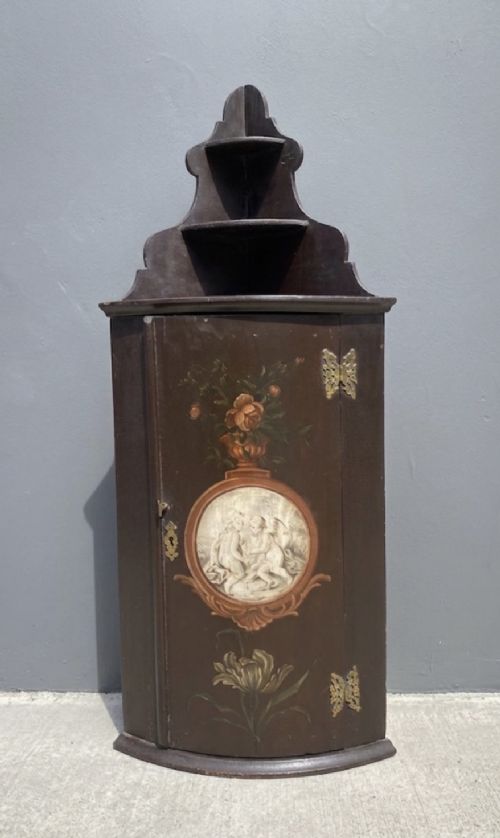
The forms range from bow front corner cupboards and glazed display cabinets to smaller hanging spice or smokers cupboards. Oak and mahogany serve as the primary timbers, frequently shaped to maximise storage in compact domestic spaces.
How they were made
Joiners constructed these wall-mounted pieces using solid timbers such as oak, mahogany, walnut, and fruitwood, often incorporating brass hardware for hinges and key escutcheons. Crossbanding, inlay work, and carved details appeared on finer Georgian and Victorian examples to add surface interest.
Glazing was utilised for display variants to showcase contents, while solid panel doors suited food cupboards and general storage. Paint finishes and marquetry also feature on specific continental and period pieces.
Brown Wood Wall Cabinet Retail Price Guide 2026
Typical asking prices for brown wood wall cabinet among the pieces listed under this phrase on Sellingantiques today, from the lower quarter to the upper quarter. They describe what is for sale here now, not the wider market.
Listings for brown wood wall cabinets feature timbers like oak, mahogany, walnut, and satinwood across Georgian, Victorian, and Edwardian periods.
What varies in quality
The standard of a wall cabinet depends on the selection of timber and the precision of the joinery used in its construction. Finer pieces demonstrate careful attention to grain alignment, balanced proportions, and the integration of decorative inlays or carved mouldings.
Original hardware, sound door hanging, and intact glass panes distinguish superior examples from simpler utilitarian storage boxes. The sophistication of the period styling, from restrained George III lines to elaborate Gothic revival carving, sets the tier of craftsmanship.
The Brown Wood Wall Cabinet Glossary
- Bow front
- A convex curved cabinet front that projects outward from the corners. This shape gained popularity during the Georgian period.
- Crossbanding
- A narrow strip of veneer applied to the border of a panel where the grain runs at right angles to the surrounding wood. It frames the central timber.
- Marquetry
- Decorative patterns formed by fitting together small pieces of coloured wood veneer onto a solid background. It appears on finer continental cabinets.
- Panetiere
- A traditional freestanding or wall-mounted French bread cage featuring spindled sides for ventilation. These were used to store loaves safely.
- Linenfold
- A style of wood carving resembling folded drapery or linen. It is commonly found on panels of older oak cupboards.
Brown Wood Wall Cabinet: Frequently Asked Questions
How do I hang a wall cabinet safely?
Wall-mounted cabinets require secure fixings into structural timber studs or solid masonry rather than relying solely on plasterboard. Professional installation ensures the weight of the timber and its contents is supported properly.
Older pieces often feature original hanging brackets or plates on the rear frame. These must be checked for strength before mounting.
How do I date an oak wall cabinet?
Dating relies on examining construction methods, timber characteristics, and hardware styles. Hand-cut dovetails, pegged joints, and native oak indicate earlier 18th-century work.
Later 19th-century variants often display machine-sawn elements and different locking mechanisms. Comparing the decorative motifs to known period styles helps narrow the timeframe.
Are these cabinets suitable for modern bathrooms?
Many smaller cupboards and mirrored shaving cabinets from the Edwardian and Victorian eras adapt well to modern bathroom storage. Their compact dimensions fit restricted wall spaces.
Care should be taken with antique polishes and unsealed timbers in high-moisture environments. Ventilation helps protect the wood finish.