




Antique Wooden Spice Cabinet
An antique wooden spice cabinet brings small-scale storage and rich timber patination straight to your wall or table.
Antique Wooden Spice Cabinet
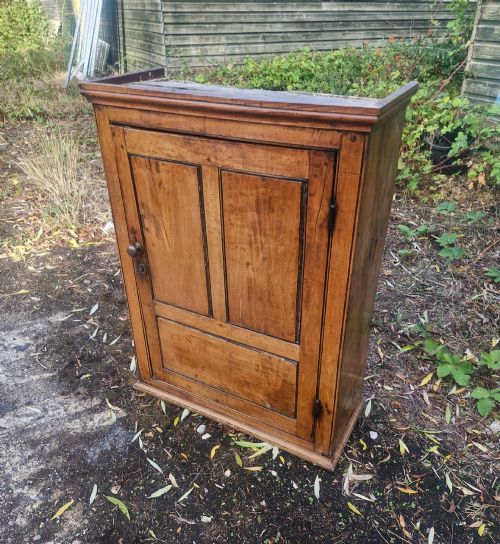
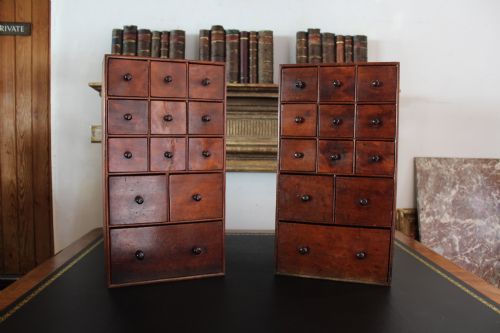
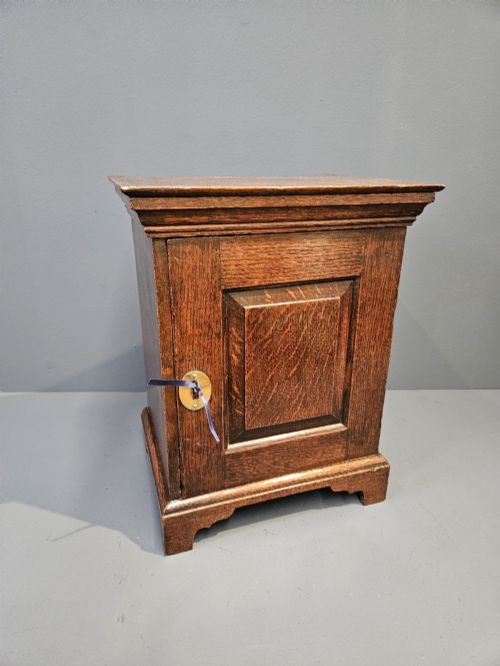
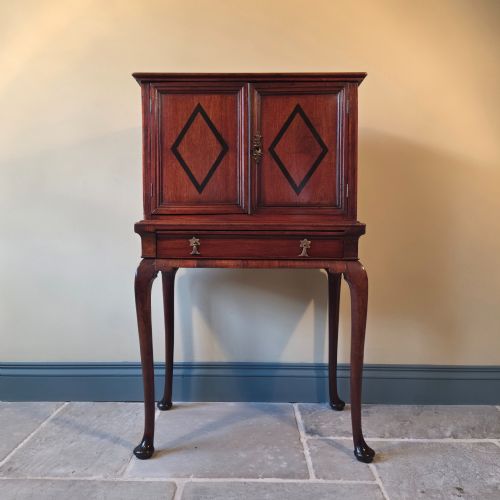
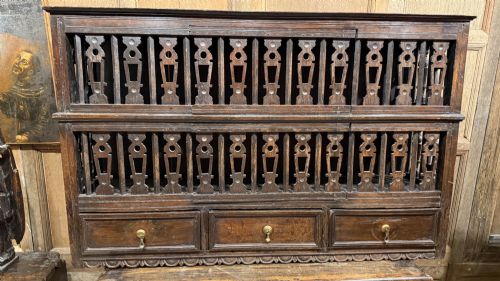
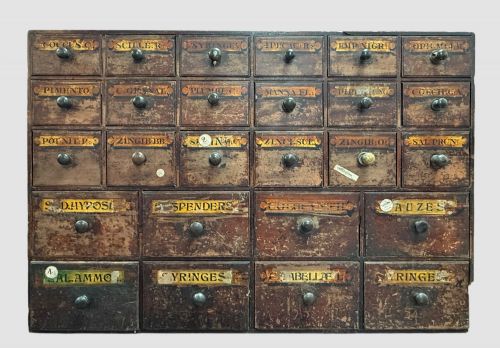
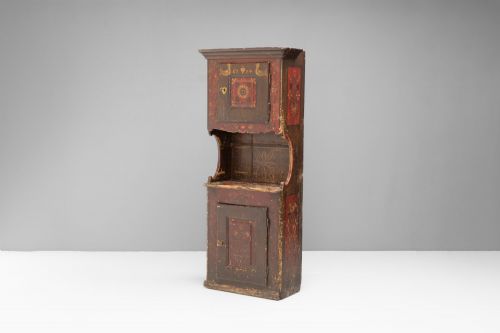
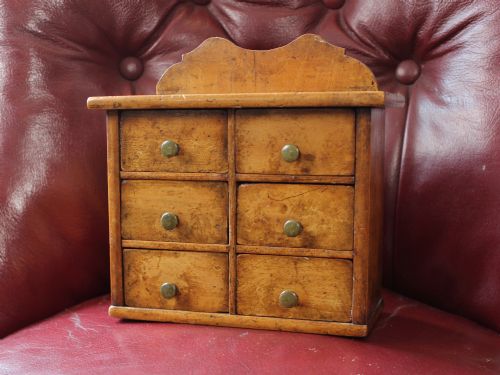
An antique wooden spice cabinet is a compact storage piece designed to hold provisions, small valuables, or medical supplies within domestic and commercial settings. You will encounter various forms here, ranging from wall-hanging cupboards to miniature chests of drawers and table cabinets.
The pieces on this page span the seventeenth, eighteenth, and nineteenth centuries, alongside Edwardian and later examples. Oak and mahogany appear frequently alongside pine, fruitwood, and painted surfaces.
Regional variations include Scandinavian country pieces, English Georgian designs, and continental European works. These items function equally well today as focal points in kitchens, studies, or hallways.
How they were made
Cabinetmakers constructed these pieces primarily from solid hardwoods and softwoods such as oak, mahogany, pine, and fruitwood. Joinery techniques varied from traditional pegged framing to dovetailed drawer construction.
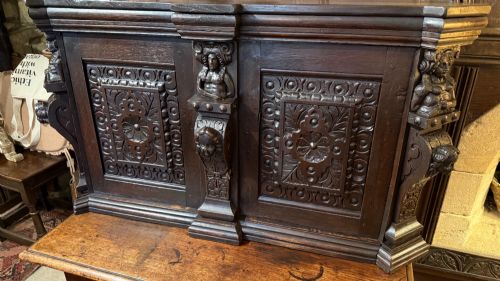
Surface treatments included clear polishing to highlight natural grain, painted finishes, and decorative details like carved wood. Fittings typically incorporated brass hinges, handles, and small locks with keys.
Some miniature apothecary chests retain tiny compartments once meant for homeopathic remedies, proving that big clinical needs sometimes came in very small drawers.
What varies in quality
The quality of an antique wooden spice cabinet depends on the selection of timber and the precision of its construction. Dense, figured woods like burr walnut or well-grained oak command attention for their visual depth.
Original hardware, such as brass escutcheons and working locks, elevates a piece's integrity. Subtle hand-carving and careful joinery distinguish workshop standards from simpler utilitarian output.
The Antique Wooden Spice Cabinet Glossary
- Spice cupboard
- A small wall-mounted or tabletop cabinet fitted with internal drawers or shelves historically used for storing valuable culinary ingredients. These units often feature panelled doors and distinct interior layouts.
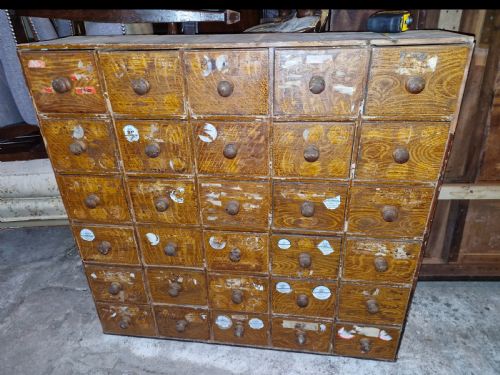
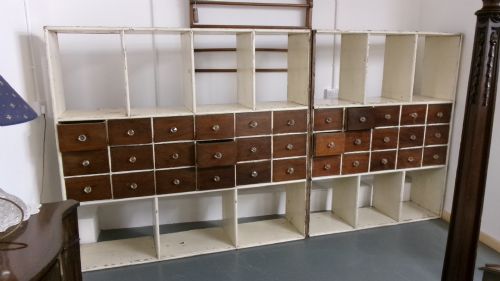
- Bank of drawers
- A multi-drawer storage unit, often originating from chemist shops, apothecaries, or domestic pantries. They provide numerous small compartments in a vertical or horizontal arrangement.
- Table cabinet
- A miniature cabinet designed to sit on a desk, counter, or table rather than hang upon a wall. They frequently mimic the proportions of larger case furniture in a reduced scale.
- Escutcheon
- A protective brass or metal plate surrounding a keyhole. This hardware component prevents the surrounding wood from wearing down with repeated use.
- Dovetailed
- A joint formed by interlocking wedge-shaped fingers of wood. This technique provides exceptional tensile strength in drawer construction.
Antique Wooden Spice Cabinet: Frequently Asked Questions
How were spice cabinets used originally?
These cabinets originally stored expensive imported spices, herbs, and medical ingredients securely within the home or shop. Their compact size kept precious provisions locked away from household pests and dampness.
Over time, many similar multi-drawer units found service in apothecary shops and surgeries for organising powders and botanical remedies.
Can I hang a wall cabinet safely?
Most wall-hanging spice cupboards and cabinets feature original brackets, strap hinges, or mounting points intended for vertical display. You should inspect these existing fixtures to ensure they can support the weight of the timber.
Consult a professional restorer if the internal structure requires supplementary hanging hardware for modern walls.
How do I date an oak spice cupboard?
Dating relies on examining the timber grain, construction marks, and regional style indicators such as fielded panels or moulded cornices. Eighteenth-century examples often display hand-sawn board marks and pegged mortise and tenon joints.
Later Victorian and Edwardian iterations tend to utilise standardised fixings and machine-cut dovetails within the drawer boxes.
Where should I place a table cabinet?
Table cabinets suit sturdy surfaces like sideboards, desks, or console tables where their detailed woodwork remains visible. Their miniature scale allows them to sit comfortably without dominating a room's floor plan.
Keep them away from direct heat sources and strong sunlight to protect the aged polish and timber finish.