
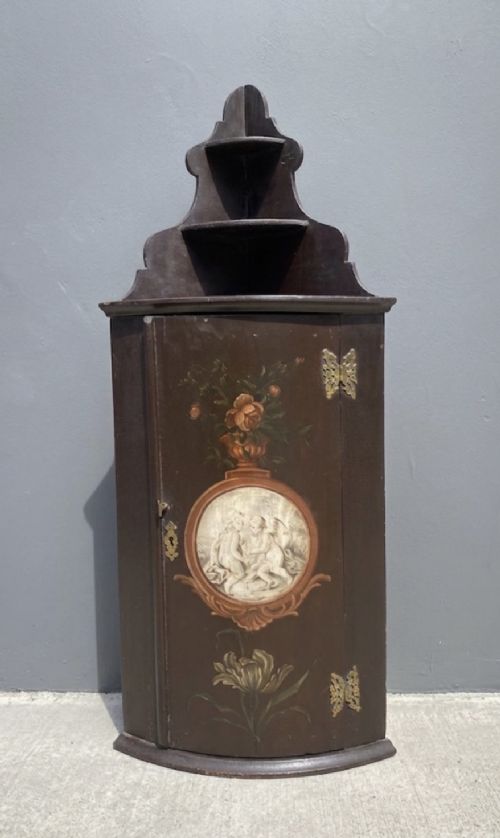


Rustic Pine Hanging Cabinet
A rustic pine hanging cabinet brings practical country storage and warmth to a wall, offering compact shelves and cupboards shaped by regional folk traditions.
Rustic Pine Hanging Cabinet
A rustic pine hanging cabinet is a wall-mounted storage piece designed to keep household provisions or kitchen wares close to hand. These units appear across various European and British country styles, from Georgian and Victorian utility to Scandinavian and Austrian folk art.
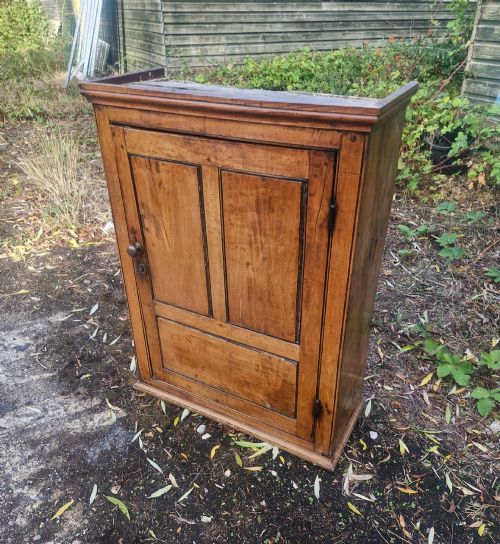
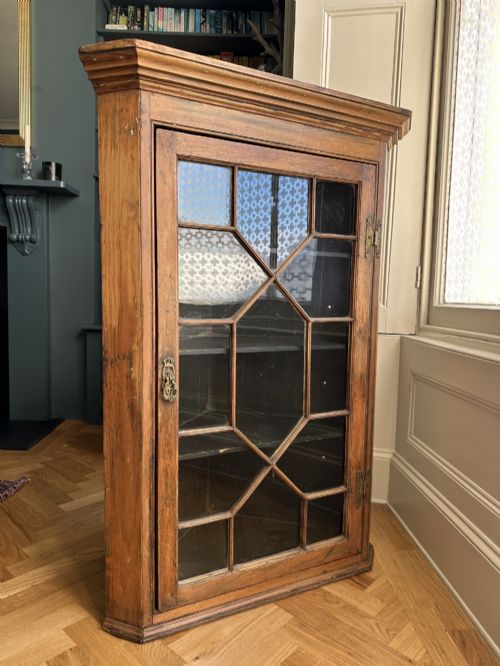
Most examples found here date from the eighteenth and nineteenth centuries, taking forms such as flat-backed wall cupboards, corner cupboards, and spice boxes. Buyers most frequently encounter nineteenth-century pine cabinets, often featuring single doors, small interior shelves, and sometimes glazed panels.
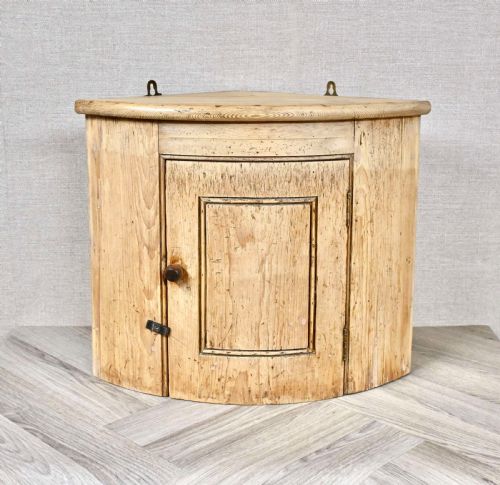
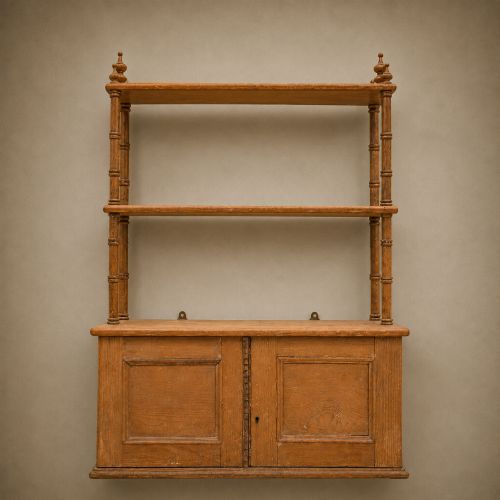
Corner cabinets and wall shelves with integrated cupboards provide space-saving options originally intended for small domestic spaces. The construction prioritises everyday utility, resulting in straightforward proportions and functional door latches.
Materials and construction methods
Pine forms the primary body of these cabinets, occasionally paired with oak for structural reinforcement or internal framing. Joinery relies on traditional hand-cut joints suited to utilitarian furniture intended for country homes rather than formal parlours.
Surfaces frequently show layers of original paint, sometimes scraped back or stripped down to the bare timber depending on past restoration choices. Iron and brass hinges, latches, and small hooks secure the doors and provide working hardware.
Glazed doors appear on selected examples, framing small display spaces, while other pieces feature solid timber panels or open shelving above the main cupboard section.
Listings feature eighteenth and nineteenth-century pine cabinets alongside oak-fronted spice boxes and painted pieces from Scandinavian and Austrian origins.
Distinguishing quality and character
Quality in a rustic pine hanging cabinet rests in the survival of original painted surfaces and untouched interior finishes. Retaining early paintwork or untouched timber patination elevates a piece above those that have undergone aggressive modern stripping and heavy rebuilding.
The sophistication of regional details shapes the visual strength of each cabinet, from Austrian and Scandinavian folk art motifs to simpler Georgian proportions. Well-balanced door framing and intact period brass or iron hardware distinguish superior examples from plain utility boxes.
The Rustic Pine Hanging Cabinet Glossary
- Pine
- A softwood widely used in country furniture for its workability and availability. It takes paint finishes readily and develops a deep warmth through age and handling.
- Corner Cupboard
- A storage unit built with an angled back to fit directly into the corner of a room. This form maximises floor space while providing accessible wall storage.
- Glazed Door
- A door fitted with glass panes to allow visibility of the interior contents. This feature appears on select cabinets designed for displaying small ceramics or glassware.
- Spice Box
- A miniature wall-mounted cabinet containing small internal drawers or shelves. These compact pieces were used for storing valuable culinary ingredients and dried herbs.
- Folk Art
- Decorative and utilitarian objects created within traditional cultural communities. These pieces often incorporate regional painting styles and distinctive local carving habits.
Rustic Pine Hanging Cabinet: Frequently Asked Questions
How do I hang a heavy pine cabinet securely?
These cabinets require sturdy fixings screwed directly into wall studs or masonry plugs to support the weight of the timber and its contents.
Check the internal backboards and hanging points to ensure the structure remains solid before mounting the piece at eye level.
Were these cabinets meant for the kitchen?
Many of these pieces served in kitchens or pantries to hold dry goods, spices, and everyday utensils within easy reach.
Others hung in living rooms or bedrooms for small personal items, depending on the size and regional tradition of the workshop.
How should I clean original painted pine?
Dust the surface gently with a soft dry cloth and avoid harsh chemical cleaners that might strip away fragile historic paint layers.
Maintaining a stable room temperature protects both the pine timber and any surviving painted decoration from flaking.