


Pine Spice Cabinet
A pine spice cabinet brings compact warmth to a kitchen wall, offering neat little drawers and cupboards for small stores.
Pine Spice Cabinet
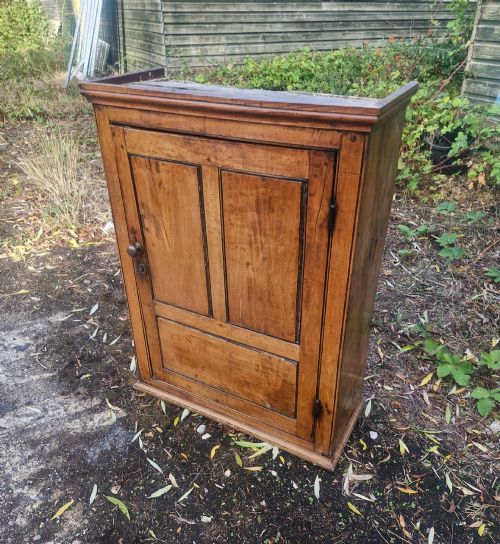
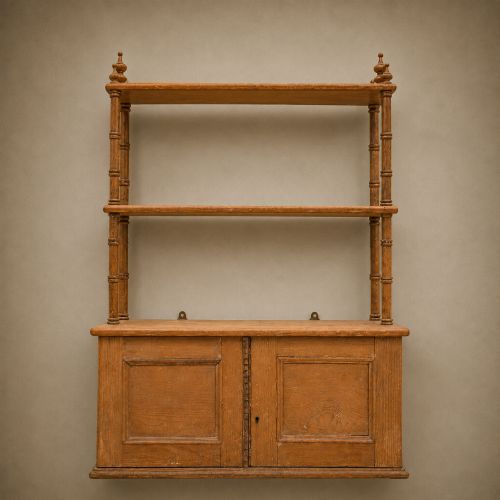
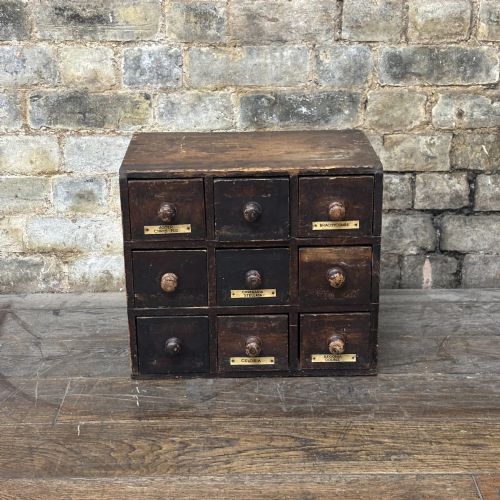
A pine spice cabinet is a small hanging cupboard or drawer unit designed to hold culinary stores within easy reach of the cook. These pieces include wall-hung spice boxes, small storage cabinets, and wall cupboards dating from the 19th century up to the 1930s.
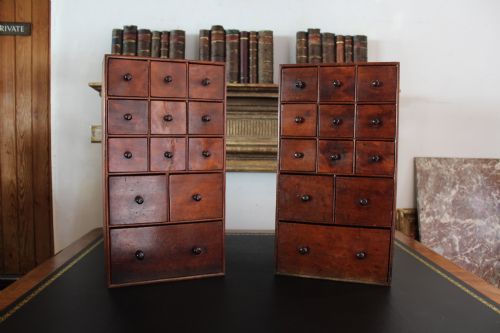
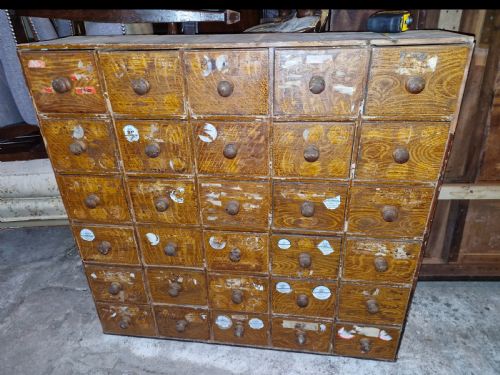
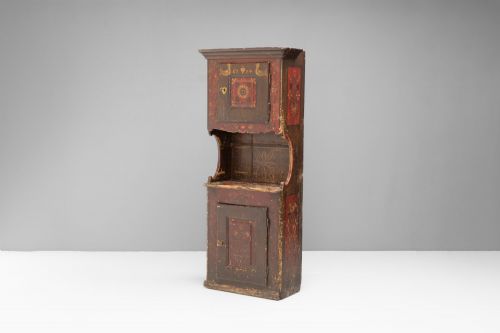
Most examples found here hail from Scandinavian country traditions, often featuring original paint surfaces, alongside English and Austrian pieces. Alongside dedicated spice boxes, buyers will encounter related small storage forms such as apothecary chests of drawers and florist seed chests.
The prevalent forms are wall cabinets and hanging cupboards intended to save surface space in busy domestic kitchens. They combine utilitarian function with the charming folk art aesthetics of regional European woodworking.
How they were made
Makers utilised solid pine as the primary timber, occasionally combining it with oak and mahogany for structural contrast or decorative effect. Boards were joined simply and stoutly to withstand daily kitchen use.
Surfaces frequently show historical paint finishes, ranging from Scandinavian folk art motifs to simple painted treatments. Iron and brass hardware, such as hinges and small pulls, complete the construction of these modest containers.
Seed and spice stores relied on these tiny drawers to keep pepper and petals safe from damp kitchen air.
What varies in quality
Quality rests in the survival of original painted surfaces and the integrity of the timber joinery. Pieces displaying untouched regional paintwork and patinated brass or iron hardware stand above those stripped or heavily restored.
Proportion and utility also dictate the appeal of each piece. Well-balanced wall cabinets with cleanly fitted drawers and working doors demonstrate superior craftsmanship compared to simpler utility boxes.
The Pine Spice Cabinet Glossary
- Pine
- A soft timber widely utilised in country furniture for its workability and light grain. It takes paint and wax finishes readily.
- Folk Art
- Artistic work produced from an indigenous culture or peasant tradition. In these listings, it refers to painted Scandinavian country pieces.
- Wall Cabinet
- A small storage enclosure designed to be mounted directly onto a wall. It frees up counter space in domestic settings.
- Apothecary Chest
- A small set of drawers originally intended for storing medicines and dry goods. These feature numerous miniature compartments.
- Patina
- The surface sheen and colour developed through age, handling, and use. It indicates genuine historical longevity.
Pine Spice Cabinet: Frequently Asked Questions
Where should I hang a spice cabinet?
These small cabinets suit kitchen walls where compact storage is useful. Their shallow depth keeps them clear of counters and prep spaces.
Ensure the wall fixings match the weight of the timber and any contents you plan to store inside.
How do I clean a painted pine cabinet?
Dust gently with a dry microfibre cloth to remove surface particles. Avoid chemical sprays that might damage historical painted finishes.
Wax can be applied sparingly to unpainted timber surfaces to nourish the pine and preserve the wood.
Are these cabinets purely for spices?
While originally built for kitchen stores and herbs, buyers utilise them today for small collections or bathroom sundries. Their compartmentalised drawers suit tiny everyday items.
They function equally well as display points for small curiosities in living rooms or hallways.
How can I tell a 19th-century cabinet from a later one?
Examine the construction joints, timber dryness, and types of iron or brass fasteners used. Hand-cut elements and older paint layers suggest 19th-century origins.
Later pieces from the 1930s often display more uniform machining and simpler interior fittings.