
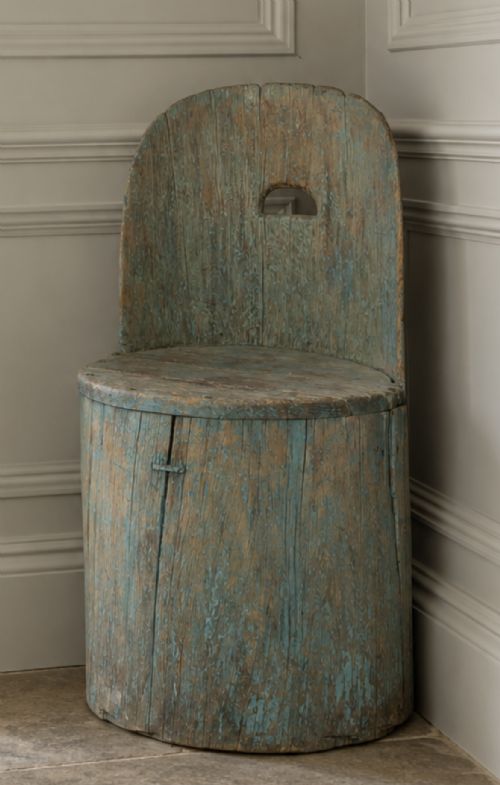


Swedish Folk Art Trunk
A swedish folk art trunk brings rustic warmth and vibrant rural history into a room, offering both practical storage and striking hand-painted character.
Swedish Folk Art Trunk
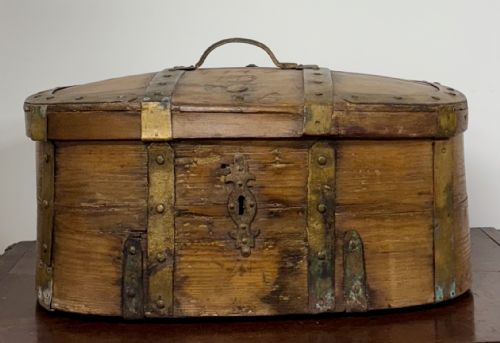
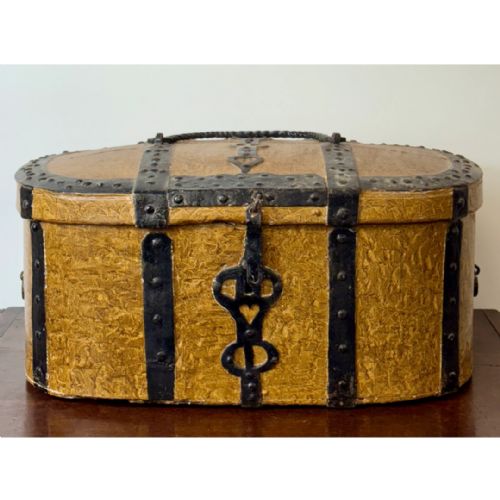
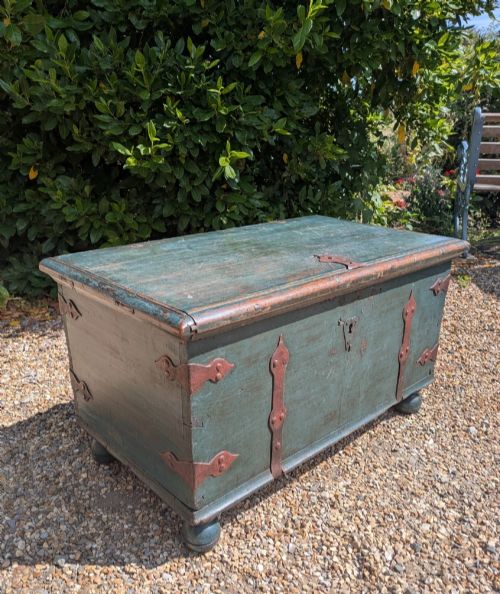
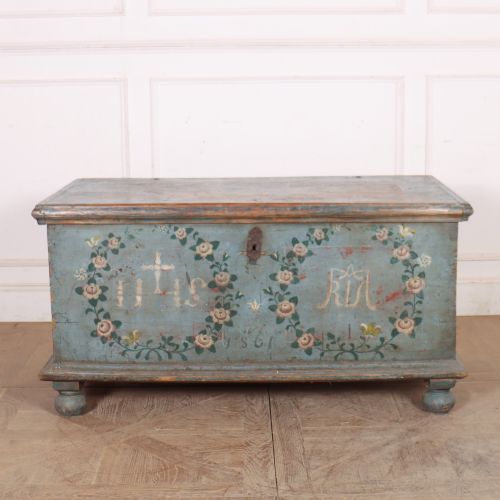
When searching for a swedish folk art trunk, buyers encounter a range of storage containers spanning the eighteenth and nineteenth centuries. These pieces originate primarily from Scandinavian country workshops, encompassing forms such as marriage chests, blanket boxes, dome top coffers, and smaller strong boxes.
The nineteenth century yields numerous painted pine chests and oval boxes decorated with traditional motifs, alongside earlier eighteenth-century examples showing baroque influences and intricate labyrinth patterns. While the selection includes occasional seating and baskets, the core focus remains on heavy timber storage chests built for rural domestic life.
Materials and construction
Makers constructed these storage pieces predominantly from local pine and occasionally oak, joined using traditional carpentry methods suited to rural Scandinavian workshops. Surfaces received coats of pigment and oil paint, often applied by hand to create the characteristic decorative finishes seen on marriage chests and coffers.
Blacksmiths provided the necessary structural reinforcement through hand-forged iron strapwork, hinges, and metal binding. These wrought iron elements secured the lids and corners of dome top boxes, combining utility with decorative contrast against the painted wooden bodies.
Swedish Folk Art Trunk Retail Price Guide 2026
Typical asking prices for swedish folk art trunk among the pieces listed under this phrase on Sellingantiques today, from the lower quarter to the upper quarter. They describe what is for sale here now, not the wider market.
Evaluating quality and authenticity
The distinction between ordinary storage and exceptional craftsmanship lies in the execution of the painted surface and the integrity of the original hardware. Superior examples display carefully preserved hand-painted pigment work with distinct regional motifs and cohesive colour palettes that have aged naturally over centuries.
Structural completeness also dictates value, particularly the presence of original hand-forged iron strapwork, working locks, and untouched wooden feet or stands. Pieces retaining their early surfaces without extensive repainting offer a more authentic representation of Scandinavian country traditions.
The Swedish Folk Art Trunk Glossary
- Coffer
- A heavy wooden chest traditionally used for storing valuables or textiles. These sturdy containers often feature dome tops and iron reinforcement.
- Strong box
- A compact, secure wooden chest fitted with heavy iron strapwork and robust locking mechanisms. They were designed for transporting or safeguarding money and important documents.
- Marriage chest
- A celebratory storage box commissioned for weddings, frequently bearing dates, initials, or symbolic painted decoration. Families used them to hold the bride's dowry.
- Strapwork
- Decorative or reinforcing bands of wrought iron fastened across the exterior of a chest. This technique adds both structural strength and visual contrast to the wood.
- Pigment
- Finely ground natural colourants mixed with binders to create the paints applied to Scandinavian furniture. These historical mixtures weather to distinct patinas over time.
Swedish Folk Art Trunk: Frequently Asked Questions
What is a swedish folk art trunk used for?
These historical chests served practical storage needs in rural Scandinavian homes, holding blankets, clothing, and household valuables. Today, they function as decorative coffee tables, blanket storage at the end of a bed, or standalone statement pieces.
Their robust construction allows them to endure daily domestic use while adding texture and heritage to modern interiors.
How do I date an 18th-century trunk?
Dating relies on examining construction techniques, hardware styles, and painted decoration typical of the period. Eighteenth-century examples often incorporate baroque influences or specific structural joinery distinct from later nineteenth-century manufacturing.
Pigment analysis and the wear patterns on the pine timber also provide reliable indicators of age and original context.
Are these trunks waterproof?
Historical pine and oak chests were built for indoor domestic environments rather than exterior exposure. While painted surfaces and iron strapwork offer some resistance to moisture, the timber remains susceptible to humidity and damp conditions.
Owners should keep them in stable indoor climates to prevent wood movement and protect the historical pigment.
How should I clean a painted pine chest?
Maintenance requires gentle dusting with a dry, soft cloth to remove surface particles without disturbing the fragile paint layers. Liquid cleaners, modern polishes, and abrasive materials must be avoided entirely to preserve the original pigment and patina.
Consulting a conservator is advisable if deeper cleaning or structural stabilization becomes necessary.