


Sunderland Lustre Jug
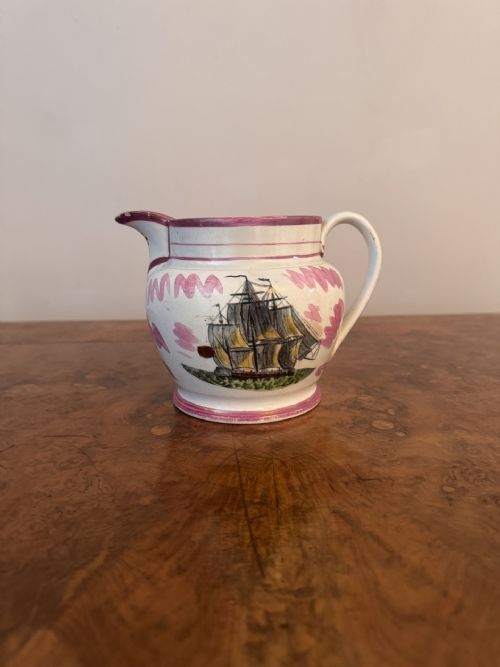
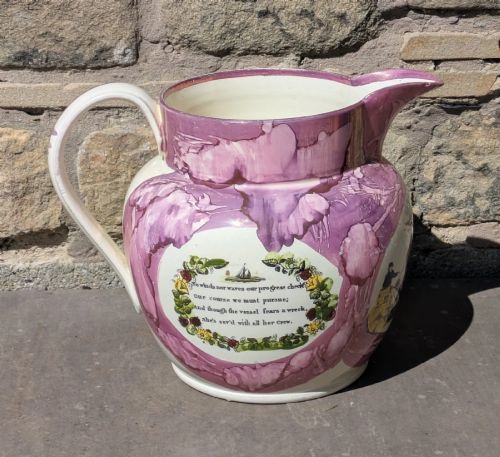
These sunderland lustre jug pieces combine robust earthenware bodies with distinctive metallic glaze finishes, offering a tangible link to maritime heritage.
Sunderland Lustre Jug
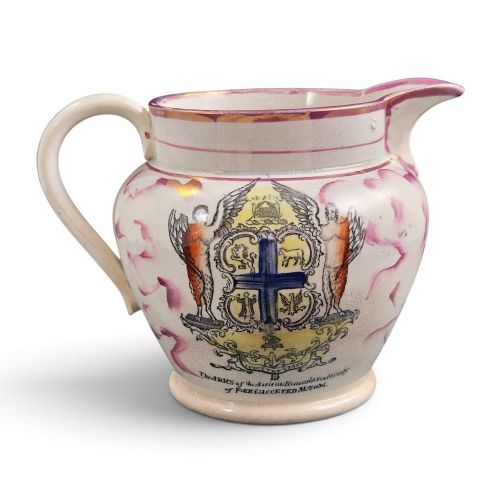
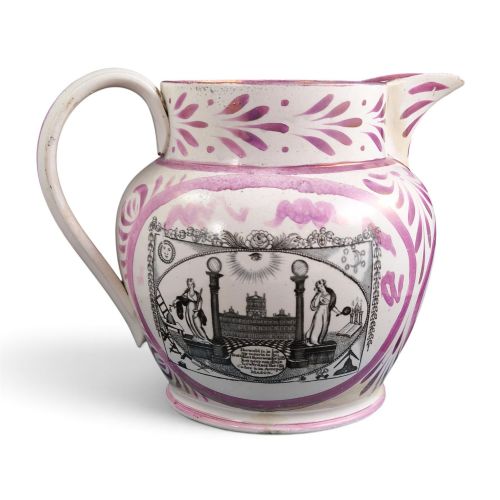
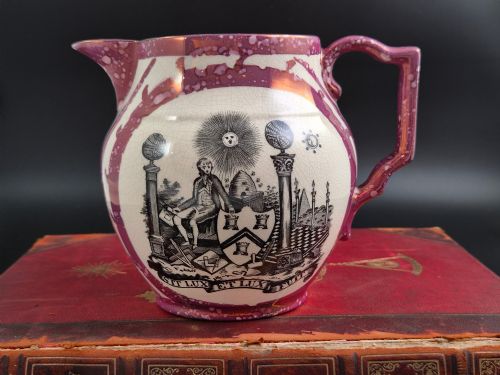
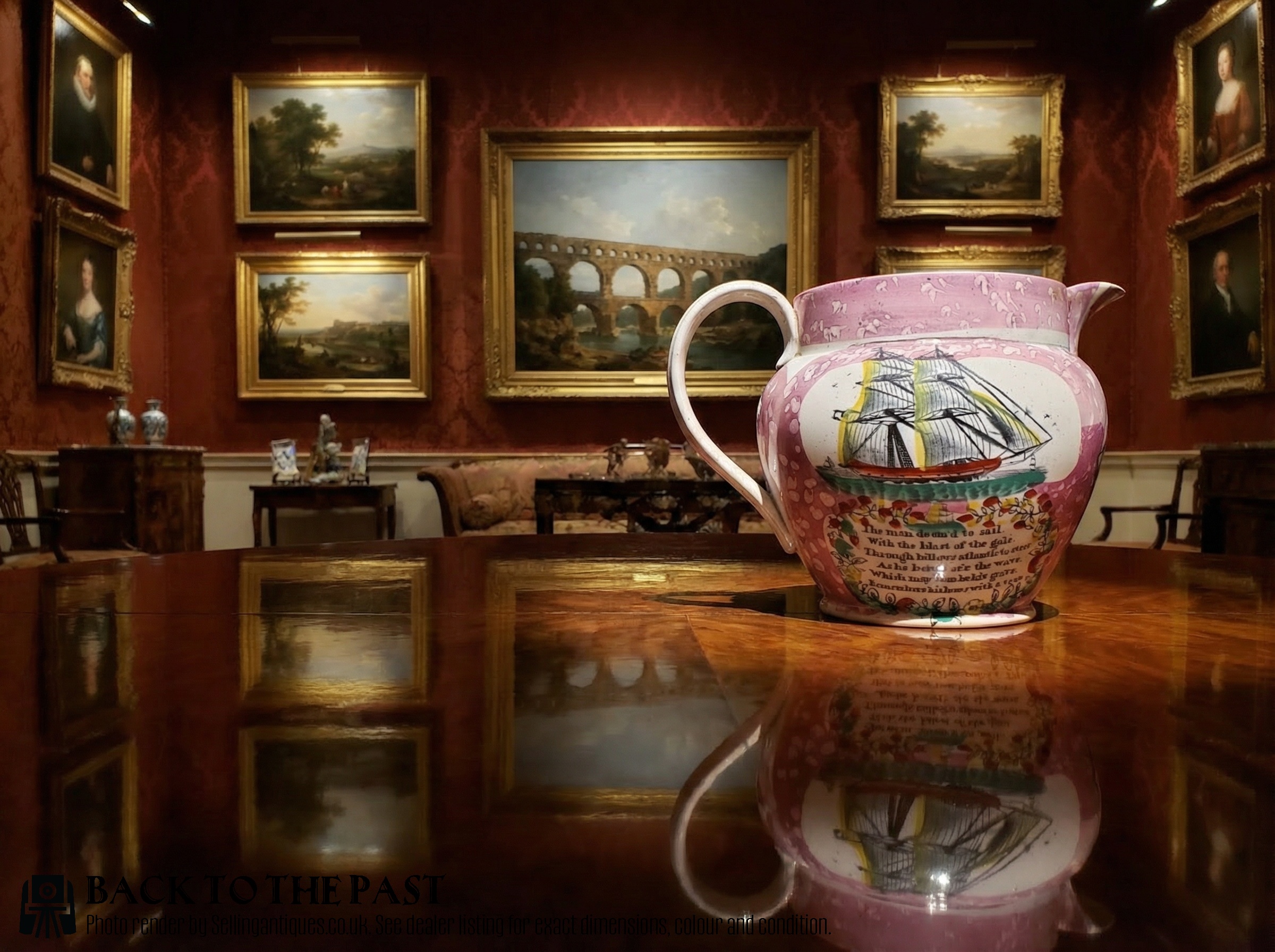
A sunderland lustre jug represents a distinct category of earthenware ceramic vessel originating from the nineteenth century. These items typically display maritime themes, masonic symbols, or printed poetic panels alongside characteristic metallic glaze effects. The versions most commonly encountered on this page date from the Georgian and Victorian eras.
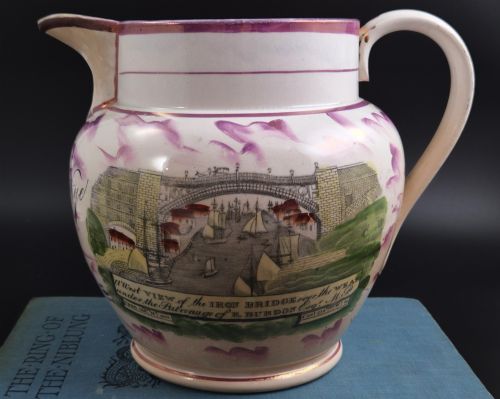
Makers utilised earthenware and pearlware as the primary bodies for these vessels. Decoration frequently incorporates pink splash or metallic glaze effects applied over transfers depicting ships, the Iron Bridge over the Wear, or commemorative verses. Jugs and pitchers appear in varying sizes, from standard domestic volumes to monumental presentation pieces.
Collectors seek out these specific forms for their direct connection to regional English pottery traditions. The imagery records contemporary events, sailing ships like the Great Australia clipper, and fraternal organisations. Each surviving example provides a record of nineteenth-century social history rendered in ceramic form.
How they were made
Potters formed these vessels using earthenware and pearlware clays shaped into jugs and pitchers. The bodies received a white or cream glaze before artisans applied transfer-printed designs in black or colour. These prints depicted maritime scenes, masonic emblems, and poetic inscriptions.
The characteristic finish relied upon metallic oxides or metallic glaze applied to create the distinctive pink lustre and splash effects. Artisans hand-painted additional enamel colours over or around the transfers to brighten the decoration before firing the ceramic pieces in kilns.
Sailors occasionally received these shimmering vessels as parting gifts before embarking on long voyages to Australia.
What varies in quality
The distinction between standard vessels and superior examples rests upon the ambition of the transfer printing and the richness of the pink splash lustre. Richly coloured application of enamel work over complex maritime or masonic subjects elevates the status of a piece. Monumental scale and documented dates or named subjects also separate ordinary items from exceptional survivals.
Clarity in the transfer prints and sureness in the hand-painted enamel highlights dictate visual success. Pieces bearing detailed depictions of clipper ships, the Iron Bridge, or named commissions demonstrate greater artistic engagement by the pottery workshops than repetitive domestic wares.
Dixon
The Sunderland Lustre Jug Glossary
- Earthenware
- A porous ceramic body fired at lower temperatures, commonly used for domestic pottery throughout the nineteenth century.
- Pearlware
- A refined type of earthenware featuring a bluish glaze cast over a white body, developed during the Georgian period.
- Lustre glaze
- A metallic surface finish applied to ceramics to produce an iridescent sheen resembling copper, silver, or gold.
- Pink splash lustre
- A distinctive mottled pink or purple metallic effect created by flicking metallic solution onto the glazed ceramic surface.
- Transfer printing
- A mechanical method of applying engraved designs to pottery using paper templates and metallic oxides.
Sunderland Lustre Jug: Frequently Asked Questions
What are sunderland lustre jugs?
These ceramic vessels are nineteenth-century earthenware jugs decorated with metallic pink lustre glazes and transfer-printed scenes. They frequently celebrate maritime subjects, local landmarks like the Iron Bridge, and fraternal organisations.
Peculiar to the northeast of England, the form developed significant popularity during the Georgian and Victorian periods as commemorative and decorative tableware.
How were these jugs used?
Pottery of this scale served both functional roles in domestic settings and commemorative functions for sailors and local societies. Many pieces recorded specific ships, voyages, or patriotic sentiments rather than seeing daily service on a table.
Named and dated examples often marked personal milestones, retirements, or farewells for mariners leaving port.
How do I identify the period?
Dating relies upon examining the ceramic body, glaze characteristics, and the style of the transfer prints. Pearlware bodies and specific poetic panels typically point toward the earlier Georgian era, while robust Victorian pieces often feature heavier pink splash effects.
Inscribed dates and named historical vessels provide definitive chronological markers for specific stylistic phases.
What themes appear on them?
Maritime imagery dominates the surface decoration, including named clipper ships, shipping scenes, and sailors farewell verses. Masonic emblems and symbols of trade guilds also appear alongside views of the Iron Bridge over the Wear.
Enamel colours highlight these printed black transfer motifs, adding vibrant tones to the ships and banners.