



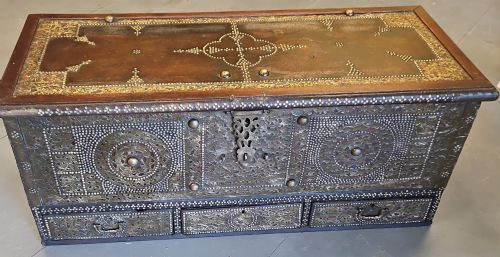
Studded Storage Chest
A studded storage chest brings tactile depth and robust utility to a room, offering practical concealment alongside centuries of travel history.
Studded Storage Chest
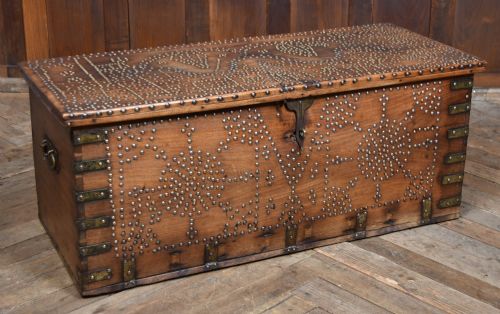
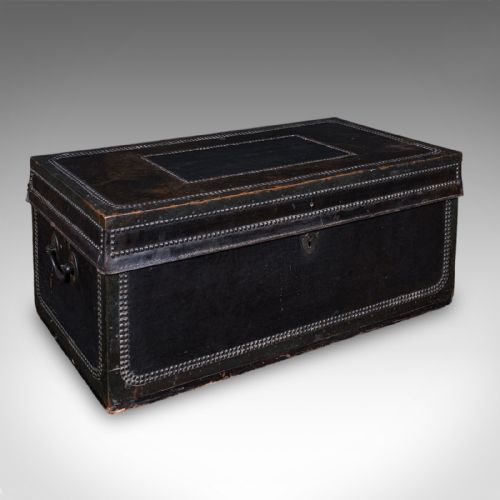
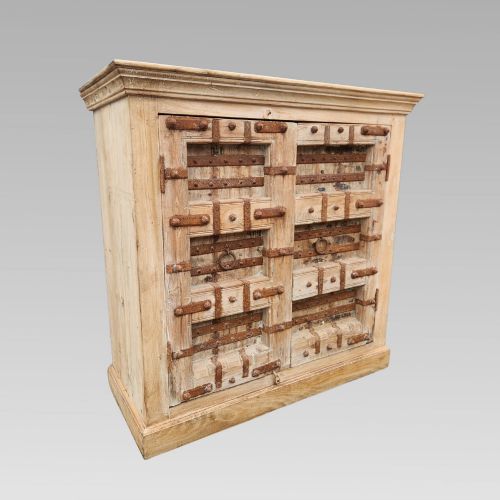
When you search for a studded storage chest, you encounter a wide array of antique luggage, blanket boxes, and travelling coffers designed to endure long journeys. These pieces span from the late seventeenth century through the Victorian era, utilising durable frames meant for transit.
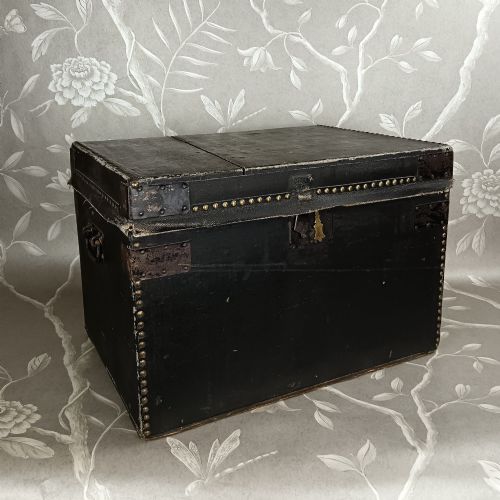
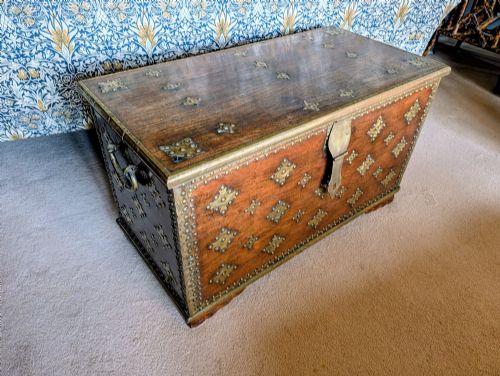
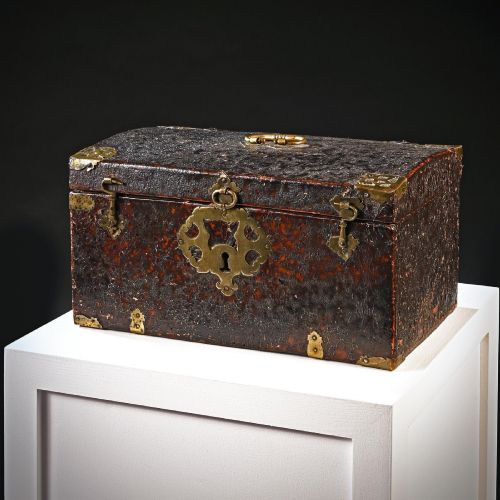
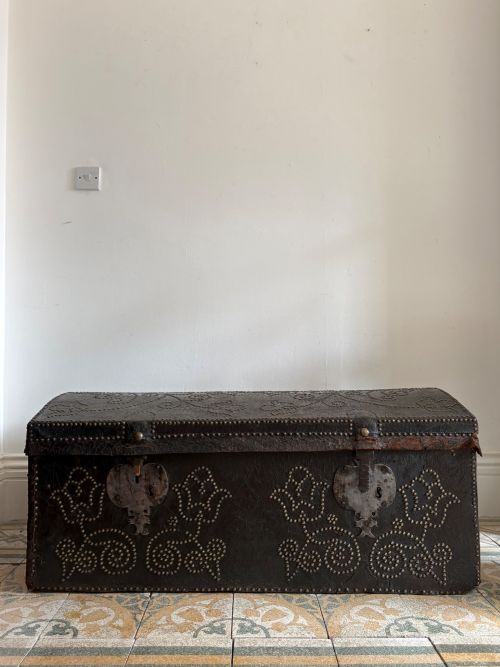
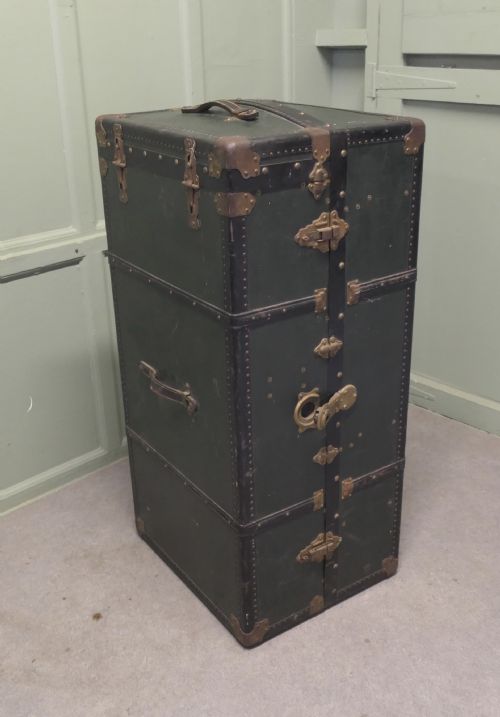
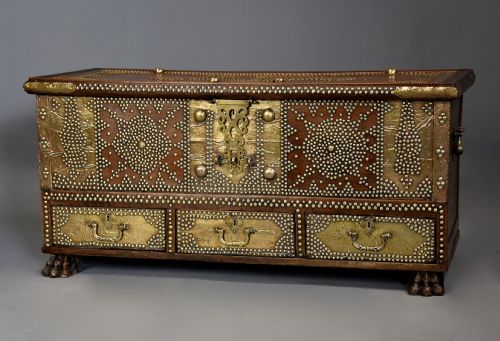
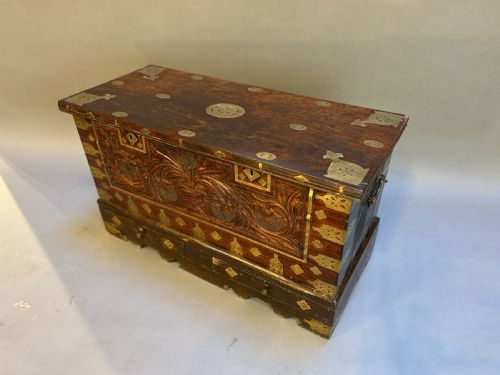
The most frequent examples on this page are nineteenth-century trunks and nineteenth-century Zanzibar boxes featuring dense metal fastenings. You also find eighteenth-century leather-covered dome tops, Regency ottomans, and campaign pieces built from resilient timbers.
Originating across Britain, Europe, China Trade routes, and the Indian Ocean, these chests served merchants, soldiers, and travellers. Their forms range from flat-topped storage trunks to domed coffers and box ottomans.
Materials and construction
Craftsmen built these chests using hardwoods such as teak, padouk, mahogany, camphorwood, and oak, often reinforced with internal pine or birch frames. These dense timbers protected contents from moisture and pests during global transit.
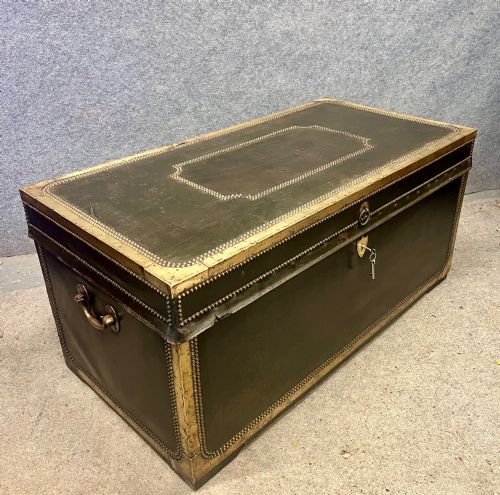
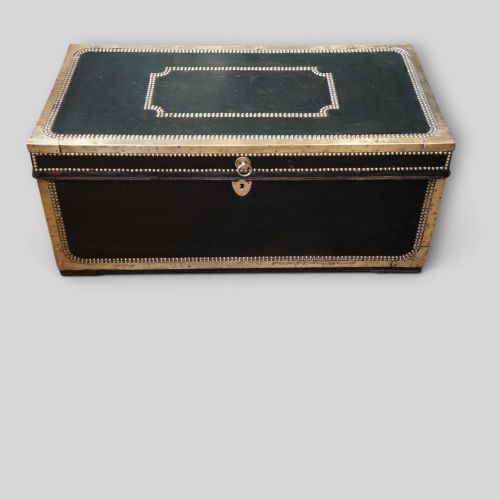
External surfaces were frequently wrapped in leather, hide, or painted canvas, then secured using iron, brass, or metal bands. Thousands of individual brass studs were driven in by hand to fasten the hide and create decorative geometric patterns.
Listings feature woods such as padouk, camphorwood, teak, mahogany, oak, and birch alongside leather, hide, brass, and iron.
Determining quality
Quality rests in the integrity of the original construction and the survival of the primary materials. Superior examples retain their original leather or hide coverings without extensive modern patching, alongside intact brass studwork that remains firmly seated.
The sophistication of the internal fittings and the choice of timber set finer pieces apart from utilitarian versions. Heavy hardwood bodies paired with secure iron carrying handles and original locks demonstrate superior workshop execution.
Samuel Pratt·Wm Insall of Bristol·Seabrook of St Pauls London
The Studded Storage Chest Glossary
- Zanzibar chest
- A heavy hardwood storage trunk decorated with intricate brass studwork and strapwork, originating from trade routes in the Indian Ocean. These pieces often incorporate concealed drawers inside.
- Campaign trunk
- A portable storage chest designed for military officers or travellers, featuring recessed brass handles and reinforced corners to withstand frequent transit. They dismantle or stack for efficient loading.
- Dome top trunk
- A storage chest constructed with an arched lid designed to shed rainwater during carriage travel. The curved profile requires specialised framing and careful leather stretching.
- Ottoman
- A low upholstered seat that lifts to reveal internal storage space. In earlier periods, these were built on sturdy wooden frames covered in dyed leather or hide.
Studded Storage Chest: Frequently Asked Questions
How were studded storage chests used?
These chests accompanied travellers on long sea voyages, coach journeys, and military campaigns to protect clothing and valuables from the elements. At home, they doubled as furniture, providing sturdy surfaces and concealed storage.
Over time, many transitioned from functional luggage into stationary living room storage, holding blankets, linens, and personal papers.
How do I date a studded chest?
Dating relies on examining the underlying wood, the method of construction, and the style of the hardware. Earlier seventeenth-century and eighteenth-century examples often feature heavy hand-hammered iron work and pinned timber frames.
Nineteenth-century variants frequently incorporate standardised brass studs, machine-sawn framing components, and specific regional timbers like camphorwood or padouk.
How do I care for leather on a trunk?
Antique leather requires gentle cleaning with a dry cloth followed by appropriate conservation waxes to prevent drying and cracking. Avoid harsh chemical cleaners that strip historical finishes and natural patinas.
Keep the chest away from direct sunlight and severe humidity fluctuations to maintain the stability of the hide and the securing studs.
What is the difference between a coffer and a trunk?
A coffer traditionally refers to a heavy, heavy-duty wooden box used for storing valuables, often featuring simpler box construction. Trunks were generally engineered specifically for travel, incorporating reinforced corners and carrying handles.
Many travel trunks were wrapped in protective leather or hide to endure the friction of baggage holds and coach roofs.